DbcultAccessing Vault...
6.2/10
Senior Film Conservator
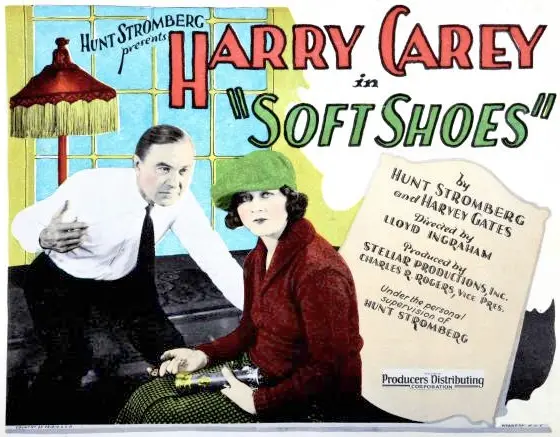
A definitive 6.2/10 rating for a film that redefined the boundaries of cult cinema. Soft Shoes remains a cornerstone of transgressive art.
The year 1925 represented a fascinating crossroads for American cinema, a period where the rugged individualism of the Western hero began to flirt with the sophisticated, often cynical, textures of urban melodrama. In Soft Shoes, directed by Lloyd Ingraham and penned by the formidable trio of Hunt Stromberg, Harry Carey, and Harvey Gates, we witness a sublime deconstruction of the 'fish out of water' trope. Harry Carey, an actor whose face was already a topographic map of the American frontier, portrays Sheriff Pat with a nuanced blend of stoicism and burgeoning curiosity. Unlike his previous outings that leaned heavily on the horse-opera aesthetics, this film demands a more cerebral engagement with the environment.
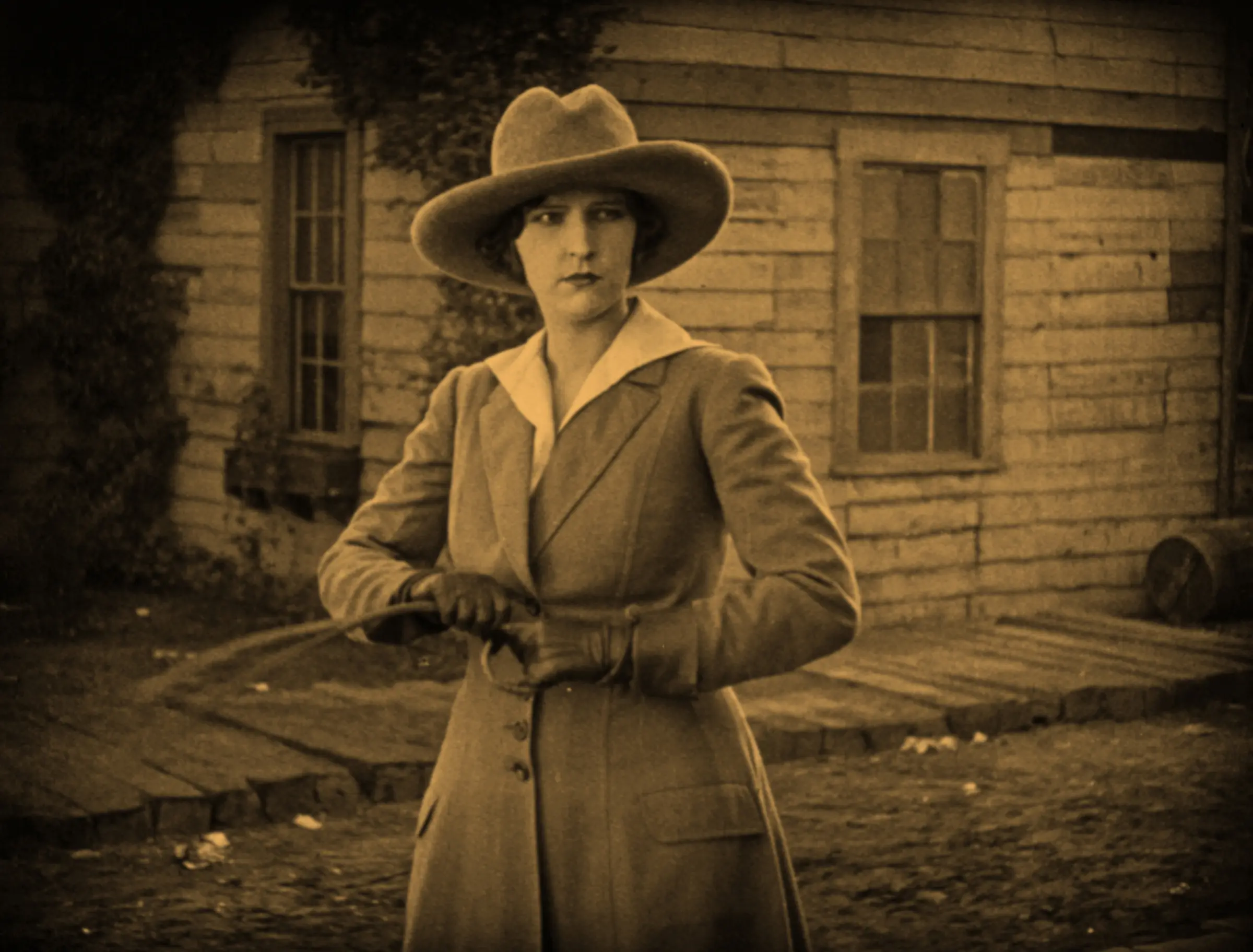
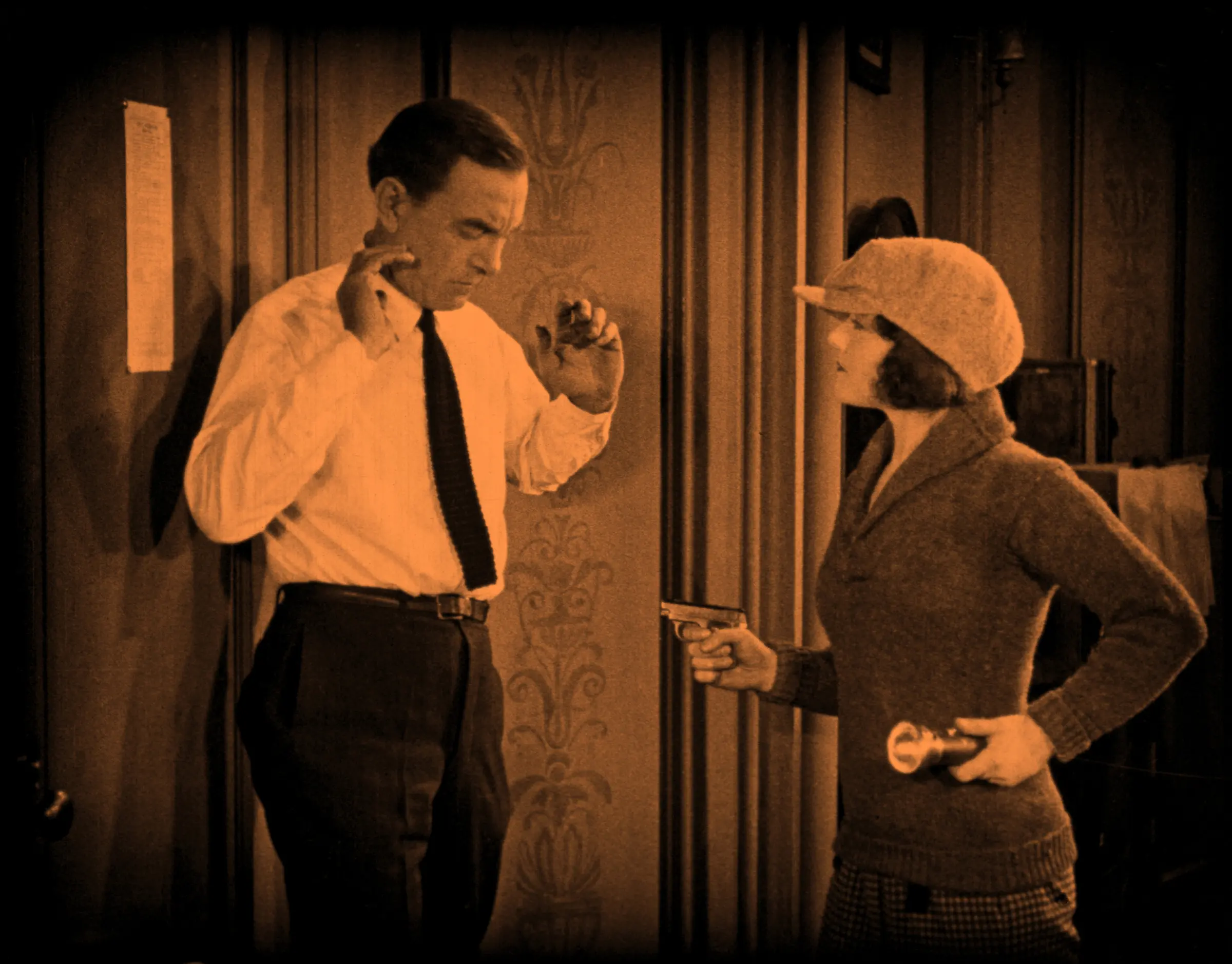
The narrative pivot occurs when Pat, far from the familiar sagebrush, finds himself in the foggy embrace of San Francisco. The city is depicted not merely as a backdrop, but as a predatory entity, much like the settings found in The City of Masks. When he discovers a young woman attempting to burgle his room, the film eschews the expected tropes of immediate incarceration. Instead, it leans into a psychological game. Lillian Rich, playing the burglar, provides a performance that is both fragile and cunning, a precursor to the 'femme fatale' but with a redemptive arc that feels earned rather than forced. This thematic obsession with the 'reformed criminal' echoes the narrative DNA of Alias Mary Brown, yet Carey’s Sheriff brings a paternalistic, almost divine sense of grace to the proceedings.
The central conceit—the bet to return the brooch—is a masterstroke of screenwriting. It transforms the Sheriff from a passive observer of urban vice into an active participant in a clandestine comedy of manners. To return a stolen item without being caught is an inversion of the burglary itself; it requires the same 'soft shoes' and stealth but serves a diametrically opposed moral purpose. This sequence is directed with a rhythmic precision that rivals the best suspense films of the era. As Pat navigates the opulent corridors of the victim’s home, we see a man accustomed to the wide-open spaces of the West shrinking himself to fit the narrow confines of high-society expectations.
The inclusion of Sôjin Kamiyama in the cast adds a layer of atmospheric mystery that was characteristic of the mid-20s fascination with the 'exotic.' Kamiyama, who often brought a chillingly precise presence to his roles, serves as a sharp contrast to Carey’s rugged naturalism. The tension is further amplified by the presence of Stanton Heck and the veteran James Quinn, creating a supporting ensemble that feels lived-in and dangerous. The film’s exploration of honor—specifically the honor of a man who lives by a code that the city doesn't recognize—draws interesting parallels to The Honor of His House, though 'Soft Shoes' maintains a lighter, almost picaresque tone.
Visually, the film is a triumph of silent-era cinematography. The contrast between the sun-drenched exterior shots of Pat’s home territory and the shadow-drenched, interior-heavy world of San Francisco creates a visual shorthand for the character’s internal conflict. The use of light to delineate the 'pretty burglar's' features suggests a lingering innocence, a technique also utilized effectively in The Faded Flower. In 'Soft Shoes,' however, the light is more dynamic, flickering with the uncertainty of the city’s electric heart.
One cannot discuss this film without acknowledging the influence of Hunt Stromberg. His production sensibilities often favored a blend of high stakes and humanistic vulnerability. Here, he allows Carey the room to breathe, to utilize his trademark 'under-acting' to great effect. While other films of the period, such as Be a Little Sport, focused on the more frivolous aspects of social gambling, 'Soft Shoes' treats the wager as a matter of spiritual life and death. If Pat fails, he doesn't just lose a bet; he loses his faith in the possibility of human transformation.
The climax, involving the 'lovely victim' and her husband (played with a stiff-collared menace by John Steppling), serves as a poignant critique of the upper class. Their inability to see Pat as anything other than a threat, despite his altruistic mission, highlights the inherent classism of the 1920s metropolis. It’s a theme that resonates even today—the outsider being judged not by his actions, but by the 'roughness' of his exterior. In this regard, the film shares a spiritual affinity with Queens Are Trumps, where social hierarchies are both the setting and the antagonist.
The script by Harvey Gates ensures that the pacing never falters. There is a sense of burgeoning dread as the husband closes in on Pat, balanced by the burgeoning romance—or perhaps more accurately, the burgeoning mutual respect—between the Sheriff and his captive. The film avoids the saccharine pitfalls of many contemporary romances, opting instead for a gritty, pragmatic connection born of shared secrets. This maturity in storytelling is what elevates 'Soft Shoes' above the standard 'crook-makes-good' narratives like Somebody Lied or the more theatrical Once a Mason.
Technically, the film’s editing is remarkably modern. The cross-cutting between Pat’s surreptitious entry into the mansion and the husband’s return creates a palpable sense of suspense that predates the sophisticated thrillers of the 1930s. The 'soft shoes' of the title refer not just to the physical footwear required for the heist, but to the delicate touch required to navigate human morality. This is a film that understands the power of the unspoken word, the weight of a glance, and the significance of a single prop—the brooch—as a symbol of lost and found virtue.
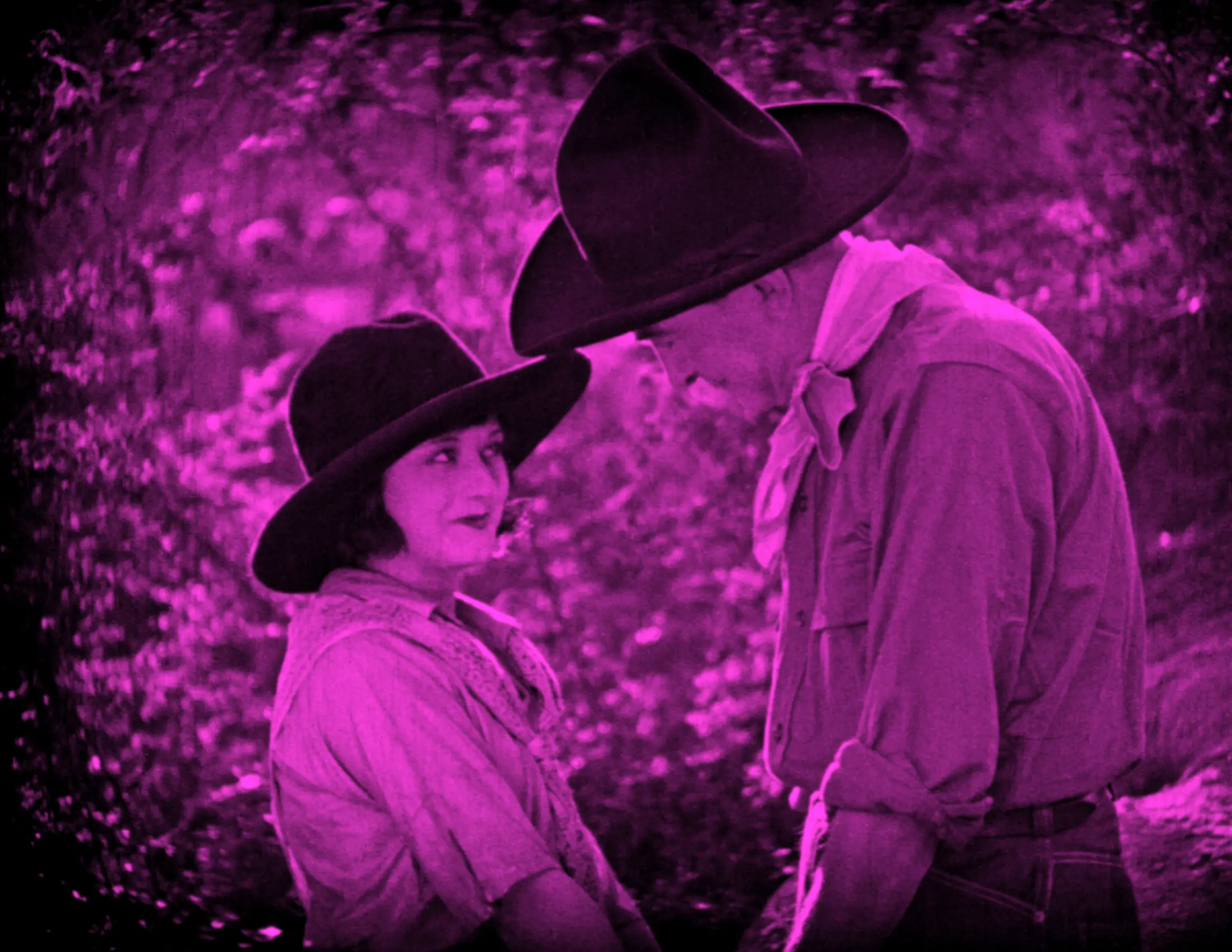
When comparing it to international efforts of the time, such as the German Der Mann ohne Namen - 1. Der Millionendieb, one can see the American penchant for character-driven morality plays over the more abstract European explorations of identity. 'Soft Shoes' is grounded, tactile, and deeply human. It doesn't shy away from the dirt of the street or the polish of the parlor. Even the minor characters, such as those played by Harriet Hammond and Majel Coleman, feel like they inhabit a larger world beyond the frame, a testament to the robust world-building of the Stromberg-Carey collaboration.
In the broader context of Harry Carey’s career, 'Soft Shoes' remains a pivotal work. It proved that he was more than a 'saddle-sore' archetype; he was an actor of considerable range and depth. The film’s conclusion, which I will not spoil, offers a satisfying resolution that feels both inevitable and surprising. It avoids the easy moralizing of The Torch Bearer and the bleakness of During the Plague, finding instead a middle ground of hopeful realism. It is a cinematic journey that begins in a hotel room and ends in the soul of a man who dared to believe that a thief could be more than the sum of her crimes.
IMDb 5.9
1933
Community
Log in to comment.