DbcultAccessing Vault...
6.8/10
Senior Film Conservator
A definitive 6.8/10 rating for a film that redefined the boundaries of cult cinema. Mare Nostrum remains a cornerstone of transgressive art.
Short answer: Yes, but it’s not without its flaws. Mare Nostrum is a captivating exploration of personal sacrifice and patriotism, but it falls short in certain areas, particularly in its pacing and character development. This film is ideal for those interested in early cinema and historical narratives, but it may not satisfy modern viewers looking for a more nuanced portrayal of women in espionage.
Short answer: Yes, but it’s not without its flaws. Mare Nostrum is a significant piece of early cinema, offering a fascinating glimpse into the era's fascination with personal sacrifice and patriotism. However, its pacing and character development can be uneven, which may detract from the overall viewing experience.

Mare Nostrum excels in its portrayal of a spy's unwavering dedication to her cause. Rosita Ramírez's performance as the central character is a standout, capturing the complexity of her character with emotional depth and nuance. The film’s use of intimate, personal moments to build tension and heighten the stakes is particularly effective, creating a compelling narrative that resonates with the era's fascination with sacrifice and duty.
The film's pacing and character development can be uneven, which may detract from the overall viewing experience. While the central character is well-developed, the supporting characters and their motivations are often underexplored, leading to a sense of flatness in certain scenes. The film's historical context is well-portrayed, but the modern viewer may find the narrative structure and pacing to be slow and occasionally tedious.

You are interested in early cinema and historical narratives, particularly those that explore themes of personal sacrifice and patriotism. The film's exploration of a female spy's journey is a unique and compelling narrative, and Rosita Ramírez's performance is a standout. However, if you prefer films with more nuanced character development and pacing, you may find Mare Nostrum to be a challenging watch.
Pros: Rosita Ramírez's performance, intimate and tense narrative, exploration of historical themes.
Cons: Uneven pacing, underdeveloped supporting characters, occasionally tedious narrative structure.
Short answer: Yes, but it’s not without its flaws. Mare Nostrum is a captivating exploration of personal sacrifice and patriotism, but it falls short in certain areas, particularly in its pacing and character development. This film is ideal for those interested in early cinema and historical narratives, but it may not satisfy modern viewers looking for a more nuanced portrayal of women in espionage.
Short answer: Yes, but it’s not without its flaws. Mare Nostrum is a captivating exploration of personal sacrifice and patriotism, but it falls short in certain areas, particularly in its pacing and character development. This film is ideal for those interested in early cinema and historical narratives, but it may not satisfy modern viewers looking for a more nuanced portrayal of women in espionage.
The film's central character, played by Rosita Ramírez, is a complex and compelling figure. Her dedication to her cause is palpable, and her journey from a reluctant spy to a willing martyr is poignantly portrayed. The film’s use of intimate, personal moments to build tension and heighten the stakes is particularly effective, creating a compelling narrative that resonates with the era's fascination with sacrifice and duty.
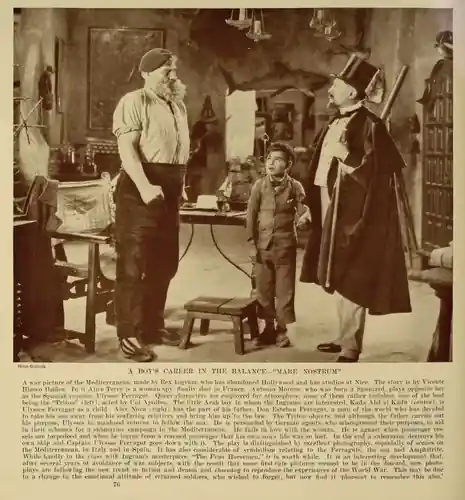
However, the film's pacing and character development can be uneven. While the central character is well-developed, the supporting characters and their motivations are often underexplored, leading to a sense of flatness in certain scenes. The film's historical context is well-portrayed, but the modern viewer may find the narrative structure and pacing to be slow and occasionally tedious.
The film's direction, by Vicente Blasco Ibáñez, is competent but lacks the flair and creativity of some of the era's more innovative filmmakers. The cinematography, by unspecified cinematographer, is serviceable but not particularly memorable. The score, by unspecified composer, enhances the film's mood but does not push the narrative in any particularly innovative directions.
Short answer: Yes, but it’s not without its flaws. Mare Nostrum is a captivating exploration of personal sacrifice and patriotism, but it falls short in certain areas, particularly in its pacing and character development. This film is ideal for those interested in early cinema and historical narratives, but it may not satisfy modern viewers looking for a more nuanced portrayal of women in espionage.
Pros: Rosita Ramírez's performance, intimate and tense narrative, exploration of historical themes.
Cons: Uneven pacing, underdeveloped supporting characters, occasionally tedious narrative structure.
Verdict: Mare Nostrum is a valuable study in early cinema’s handling of complex emotional narratives, particularly those that explore themes of personal sacrifice and patriotism. While it falls short in certain areas, particularly in its pacing and character development, the film's central performance and intimate narrative make it a worthwhile watch for those interested in early cinema and historical narratives. However, if you prefer films with more nuanced character development and pacing, you may find Mare Nostrum to be a challenging watch.

IMDb 5.8
1921
Community
Log in to comment.