DbcultAccessing Vault...
6.2/10
Senior Film Conservator
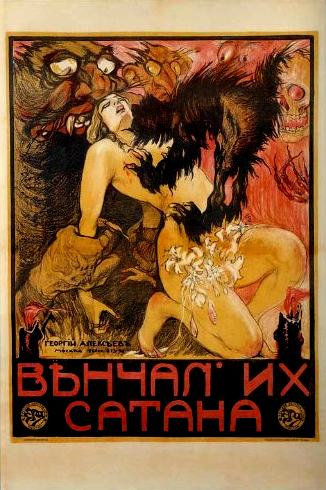
A definitive 6.2/10 rating for a film that redefined the boundaries of cult cinema. Venchal ikh satana remains a cornerstone of transgressive art.
To speak of Venchal ikh satana is to evoke a bygone era of cinematic storytelling, a time when emotions were writ large across the screen, conveyed through the powerful eloquence of gesture, expression, and the stark contrast of light and shadow. This particular silent drama, a fascinating artifact from the early 20th century, plunges its audience into a maelstrom of human frailty, unbridled passion, and the perilous allure of the supernatural. It's a testament to the enduring power of narrative, even when stripped of spoken dialogue, to explore the most profound and often destructive facets of the human condition. The film, in its very essence, becomes a canvas for the grand, almost operatic, scale of silent era melodrama, delivering a potent brew of romance, desperation, and the uncanny.
At the heart of this compelling narrative lies Elena, portrayed with an exquisite, almost agonizing intensity by Varvara Yanova. Elena is not merely a character; she is a vessel for an all-consuming, unrequited love, a passion so profound it threatens to unravel the very fabric of her existence. Her devotion to Prince Bassargin, brought to life by the nuanced performance of Konstantin Khokhlov, transcends mere infatuation, escalating into an obsession that blinds her to reason and propels her toward increasingly desperate measures. Yanova's portrayal is a masterclass in silent acting, her every glance, every trembling hand, every subtle shift in posture conveying the torment of a soul deeply, irrevocably smitten. The silent screen, often accused of over-theatricality, here finds a performer capable of translating raw, visceral emotion into a language universally understood, even without a single spoken word.
Elena's journey is a poignant exploration of the psychological landscape of longing. She exists in a perpetual state of yearning, her world colored by the presence—or, more accurately, the absence—of Bassargin. This emotional claustrophobia is palpable, drawing the audience into her internal struggle. Her decision to seek out Sybil, the enigmatic fortune-teller, is not a whimsical one but the culmination of profound despair, a last-ditch effort to bend fate to her will. This desperate act echoes similar themes of societal pressure and emotional entanglement seen in films like Bristede Strenge, where characters often find themselves pushed to their limits by circumstances beyond their control, seeking unconventional solutions to their woes.
The introduction of Sybil, the fortune-teller, masterfully played by Pyotr Leontyev, injects a potent dose of the mystical and the macabre into the narrative. Sybil is not merely a purveyor of predictions; she is a shadowy figure who traffics in the desires and vulnerabilities of others, a gatekeeper to a realm where human will and supernatural forces converge. Leontyev imbues Sybil with an unsettling gravitas, her presence radiating an aura of ancient knowledge and dangerous power. Her counsel, her rituals, and her promises offer Elena a glimmer of hope, albeit one tinged with an ominous undertone. This particular narrative device, the appeal to occult powers for personal gain, resonates deeply with the era's fascination with spiritualism and the unknown, a theme also explored with chilling effectiveness in films such as Vampyrdanserinden, where the supernatural becomes a catalyst for dramatic, often tragic, events.
The interaction between Elena and Sybil forms the narrative's fulcrum, a pivotal moment where the trajectory of Elena's life irrevocably shifts. The atmosphere surrounding Sybil’s lair, likely achieved through astute lighting and set design, would have been crucial in conveying the sense of entering a forbidden space, a sanctuary of secrets and dark pacts. The film, in its presentation of Sybil, taps into a universal human impulse: the desire to control one's destiny, to bypass the natural order, particularly when love seems unattainable through conventional means. This Faustian bargain, whether explicit or implied, is a timeless dramatic trope that Venchal ikh satana expertly employs to heighten the stakes and deepen the psychological complexity of its protagonist.
The cast of Venchal ikh satana, including Konstantin Khokhlov, Pyotr Leontyev, Varvara Yanova, V. Dalskaya, Andrej Morozov, and N. Stal, navigates the unique demands of silent cinema with a compelling blend of theatricality and nuanced emotion. Yanova, as Elena, embodies the tragic heroine with a palpable sense of vulnerability and fierce determination. Her expressive face and deliberate movements articulate a spectrum of emotions—from tender longing to profound despair—without recourse to dialogue. This physical storytelling is the bedrock of her performance, allowing audiences to deeply empathize with her plight. Khokhlov, as Prince Bassargin, complements Yanova’s intensity with a portrayal that likely balances aristocratic detachment with moments of perhaps unwitting cruelty, creating a compelling object of Elena’s affection. The dynamic between them, though silent, would have been charged with unspoken tension and unfulfilled desire.
Leontyev's Sybil is a standout, a figure of compelling mystery whose every gesture and gaze hints at a world beyond mortal comprehension. His performance is crucial in lending credibility to the supernatural elements of the plot, grounding the fantastical in a sense of genuine menace or profound wisdom. The supporting cast, including Dalskaya, Morozov, and Stal, would have played vital roles in fleshing out the societal backdrop against which Elena's personal drama unfolds, creating a believable world for the central conflict. The ability of these actors to communicate complex internal states through purely visual means is a testament to their craft and the sophisticated language of early cinema. Their performances, in their very nature, invite comparisons to the expressive acting styles seen in other melodramas of the period, such as The Perils of Divorce, where emotional stakes were similarly high and conveyed through powerful, often exaggerated, visual cues.
The directorial vision behind Venchal ikh satana, even without explicit writer credits, would have been instrumental in shaping its compelling narrative and visual aesthetics. Silent films relied heavily on visual storytelling—composition, editing, and the strategic use of intertitles to convey dialogue and exposition. One can imagine the film employing dramatic close-ups to emphasize Elena’s anguish or Sybil’s cryptic pronouncements, and sweeping long shots to establish the grandeur or isolation of the settings. The use of symbolism, a hallmark of early cinema, would likely be prevalent, perhaps with motifs of shadows, mirrors, or specific objects hinting at fate, deception, or the supernatural. This sophisticated visual grammar is what allowed silent films to transcend the absence of sound, creating a deeply immersive and emotionally resonant experience. The narrative structure itself likely builds tension incrementally, culminating in a dramatic climax that forces Elena to confront the consequences of her desperate actions.
The film delves into profound thematic territory: the nature of love, the dangers of obsession, the boundaries of morality, and the seductive power of forbidden knowledge. Is Elena's love a pure, if misguided, force, or does it tip into destructive possessiveness? Does Sybil offer genuine assistance or merely exploit human vulnerability for her own enigmatic ends? These questions linger, inviting viewers to ponder the ethical implications of seeking supernatural intervention in matters of the heart. The film's exploration of fate versus free will is particularly potent; does Elena truly have agency, or is she merely a pawn in a larger, perhaps demonic, game? Such philosophical underpinnings elevate Venchal ikh satana beyond a simple melodrama, positioning it as a thoughtful, albeit dramatic, examination of the human psyche. This thematic depth finds echoes in other films that explore moral quandaries and the struggle against temptation, such as The Padre, which grapples with spiritual and ethical challenges.
As a product of its time, Venchal ikh satana offers invaluable insight into the socio-cultural landscape of the early 20th century. The film's themes—unrequited love, class distinctions (implied by 'Prince' Bassargin), and the allure of the esoteric—were highly resonant with contemporary audiences. The popularity of fortune-tellers and spiritualism during this period was widespread, reflecting a society grappling with rapid modernization, war, and profound social change, often seeking comfort or control in the mystical. The film’s dramatic intensity, its focus on heightened emotions and moral dilemmas, aligns with the dominant artistic currents of the era, which favored expressive forms over strict realism. It stands as a fascinating example of how cinema, even in its nascent stages, served as a mirror to prevailing anxieties and fascinations.
The film also showcases the developing artistry of cinematic technique. While specific details of its cinematography or editing might be lost to time, one can infer a reliance on established silent film conventions such as dramatic lighting to create mood, perhaps chiaroscuro effects for Sybil’s scenes, and carefully choreographed blocking for emotional impact. The pacing, often slower by modern standards, would have allowed audiences to fully absorb the visual information and emotional weight of each scene. This meticulous construction of visual narrative is a hallmark of the period, demonstrating an evolving understanding of how to manipulate the moving image to tell compelling stories. Films like The Light That Failed similarly exemplify the sophisticated visual storytelling that characterized this golden age of silent cinema, where every frame was carefully composed to convey meaning.
Considering its themes and dramatic structure, Venchal ikh satana finds its place within a broader cinematic conversation. The desperation of a woman in love, willing to defy societal norms or even moral boundaries, can be traced through many films of the era. The plight of Elena, for instance, shares a certain tragic resonance with characters found in films like Midinettes, where young women navigate complex emotional landscapes often dictated by societal expectations and personal desires. The element of intrigue and the dark undercurrents evoked by Sybil's character might also bring to mind the mysterious machinations in films like The Green Cloak or even the serial adventures of The New Exploits of Elaine, where shadowy figures and hidden agendas drive much of the plot. While the specific genre might differ, the shared DNA of suspense and dramatic revelation is evident.
Furthermore, the exploration of fate and the consequences of meddling with forces beyond human control is a perennial theme in storytelling. The film's narrative, driven by Elena's desire to alter her destiny, connects it to a long tradition of cautionary tales. This aspect of the narrative, where a character's desperate choices lead to unforeseen and often dire outcomes, can be observed in the moral complexities presented in Going Straight, which examines the difficult path of redemption and the shadows of past decisions. The very title, Venchal ikh satana (loosely translated as 'Satan Married Them' or 'The Devil Wedded Them'), hints at a potentially dark, perhaps tragic, resolution, suggesting that the pact with Sybil comes at a profound cost. This foreshadowing of doom, or at least significant suffering, is a powerful dramatic tool, heightening the tension and reinforcing the film's exploration of human folly and the unforgiving nature of certain choices.
The enduring appeal of such stories lies in their universal themes. Love, obsession, the yearning for control, and the consequences of our actions are concepts that resonate across generations and cultures. Even without the benefit of sound, Venchal ikh satana, through its compelling performances and dramatic narrative, manages to tap into these fundamental human experiences, making it a significant piece in the mosaic of early cinematic history. It serves as a potent reminder of the silent era's capacity for profound emotional storytelling and its pioneering efforts in establishing the very language of film. Its legacy, however obscure to modern audiences, lies in its contribution to the rich tapestry of early cinema, where passion, fate, and the supernatural often intertwined in spellbinding fashion.
IMDb 5.8
1931
Community
Log in to comment.