DbcultAccessing Vault...
5.2/10
Senior Film Conservator
A definitive 5.2/10 rating for a film that redefined the boundaries of cult cinema. The House Without a Key remains a cornerstone of transgressive art.
Yes, but it’s a film that requires a certain appreciation for its era and the era’s tropes. 'The House Without a Key' is a charming, albeit somewhat dated, entry in the Charlie Chan series. It offers a glimpse into the early 1920s and the portrayal of Chinese detective Chan. While it may not be a cinematic masterpiece, it’s a fascinating look into early serial storytelling and the era’s societal norms.
Who is this film for? It’s best for classic film enthusiasts, history buffs, and those interested in the evolution of detective fiction. It’s not for those seeking deep psychological drama or cutting-edge filmmaking. It’s a film that’s more about the journey than the destination.
This film works because of its commitment to the serial format. Each chapter builds on the last, creating a sense of suspense and anticipation that was a hallmark of early 1920s cinema. The performances, particularly by Scott Seaton as Chan, are engaging and provide a solid foundation for the narrative. The cinematography, while by today's standards simplistic, captures the essence of the Hawaiian setting and adds to the film's charm.
This film fails because it suffers from the limitations of its time. The plot, while intriguing, is somewhat convoluted and relies heavily on tropes that may seem cliched to modern audiences. The pacing, too, is uneven, with some chapters feeling rushed and others dragging. The characters, particularly the supporting cast, are one-dimensional and serve more as plot devices than fully realized individuals.
You should watch it if you’re a fan of classic detective stories, early serials, or the evolution of Chinese representation in Hollywood. It’s a window into a bygone era and a chance to see a lesser-known aspect of Charlie Chan’s legacy. It works for its period context and the charm it exudes.
Scott Seaton delivers a solid performance as Charlie Chan. His calm demeanor and logical approach to solving mysteries make him a compelling protagonist. Allene Ray, playing Minerva, adds depth to the narrative with her determination to reconcile her brothers. However, the supporting cast often falls flat, with one-dimensional characters that fail to leave much of an impression.
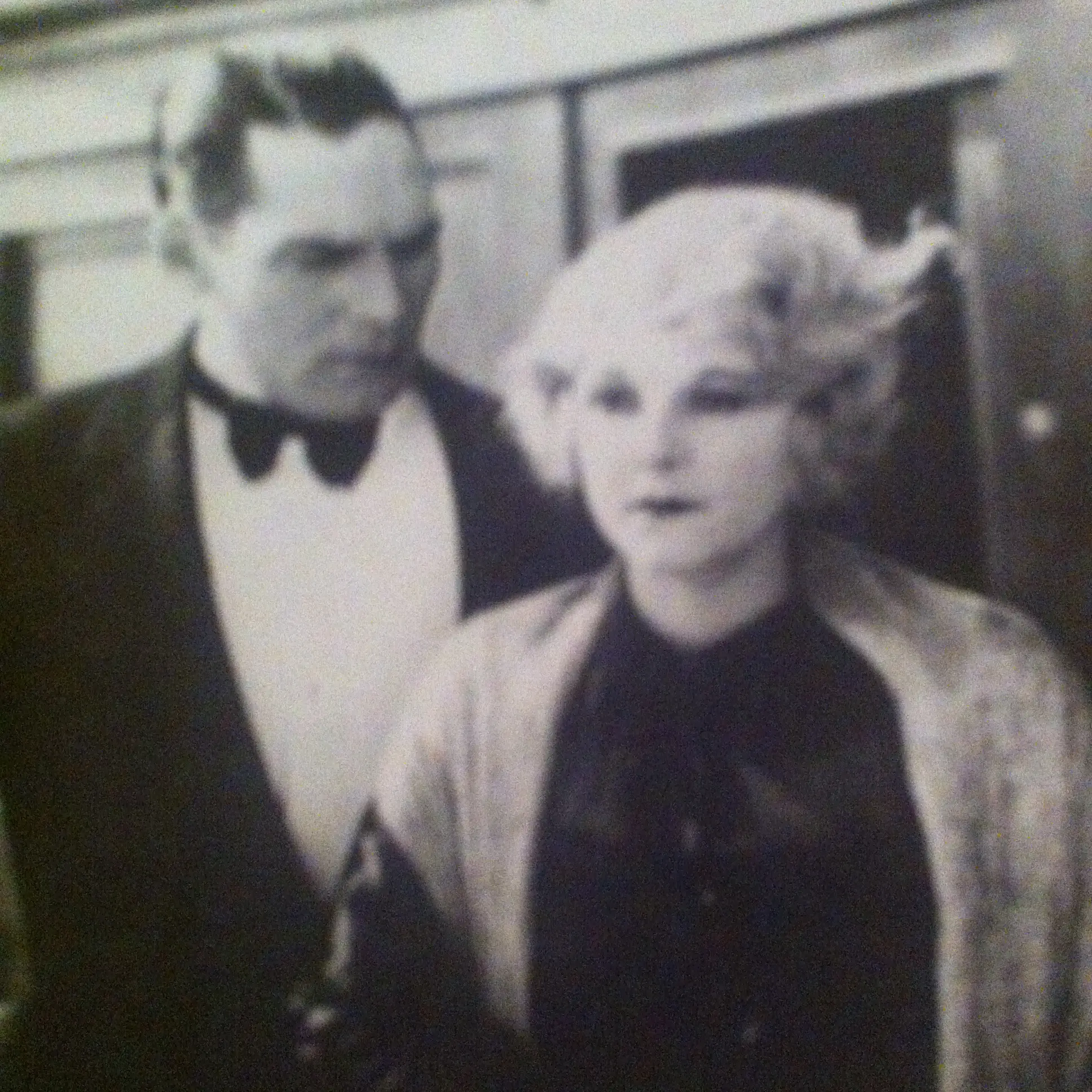
Earl Derr Biggers, the writer, also directed this series, and his handling of the narrative is a mixed bag. The pacing is uneven, with some chapters feeling rushed and others feeling too slow. The series is divided into ten chapters, each two reels long, and while this format lends itself to suspense, it can also lead to a disjointed viewing experience. The direction is competent but lacks the polish of more modern storytelling.
The cinematography is a strong point of the film. The Hawaiian landscapes are captured beautifully, with a focus on lush greenery and vibrant colors. The use of Hawaiian settings adds a unique flavor to the narrative, setting it apart from other detective serials of the era. However, the overall visual style is quite basic, and the editing is straightforward, lacking the complexity of more sophisticated films.
The plot revolves around a series of mysterious events involving a box and a murder. The central mystery is engaging and keeps the viewer invested in the narrative. The themes of family reconciliation and the importance of truth are explored, adding depth to the story. However, the plot can be convoluted at times and relies heavily on tropes that may seem cliched to modern audiences.
Yes, but it’s a film that requires a certain appreciation for its era and the era’s tropes. It’s a fascinating look into early serial storytelling and the portrayal of Chinese detective Chan. It’s not for those seeking deep psychological drama or cutting-edge filmmaking. It’s a film that’s more about the journey than the destination.
It works. But it’s flawed. 'The House Without a Key' is a charming but flawed entry in the Charlie Chan series. It offers a glimpse into early 1920s serial storytelling and the portrayal of Chinese detective Chan. While it may not be a cinematic masterpiece, it’s a fascinating look into a bygone era. It’s best for those with a specific interest in classic detective fiction and early serials.
IMDb 5.7
1930
Community
Log in to comment.