DbcultAccessing Vault...
5.8/10
Senior Film Conservator

A definitive 5.8/10 rating for a film that redefined the boundaries of cult cinema. Maria Pentagiotissa remains a cornerstone of transgressive art.
Okay, so Maria Pentagiotissa. Is it worth watching *today*? Look, if you’re into the real old stuff, like early cinema, or curious about Greek film history, then maybe. It’s definitely not for folks who need slick visuals or rapid-fire plots. You’ll probably hate this if you expect a modern revenge thriller. But if you're up for something *different*, something raw and from another time, stick around. 🕰️
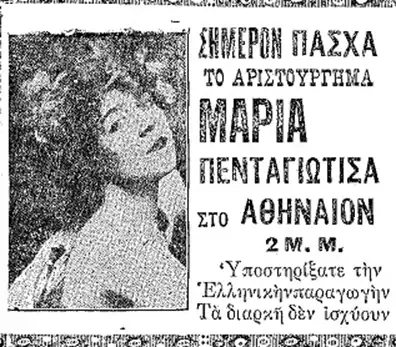
The story is about Maria. She's a girl who gets baptized and then, kinda out of nowhere, hooks up with this gang leader, Davelis. Then she decides to go back to her village to get even. She wants revenge on everyone who treated her badly. Simple enough, right?
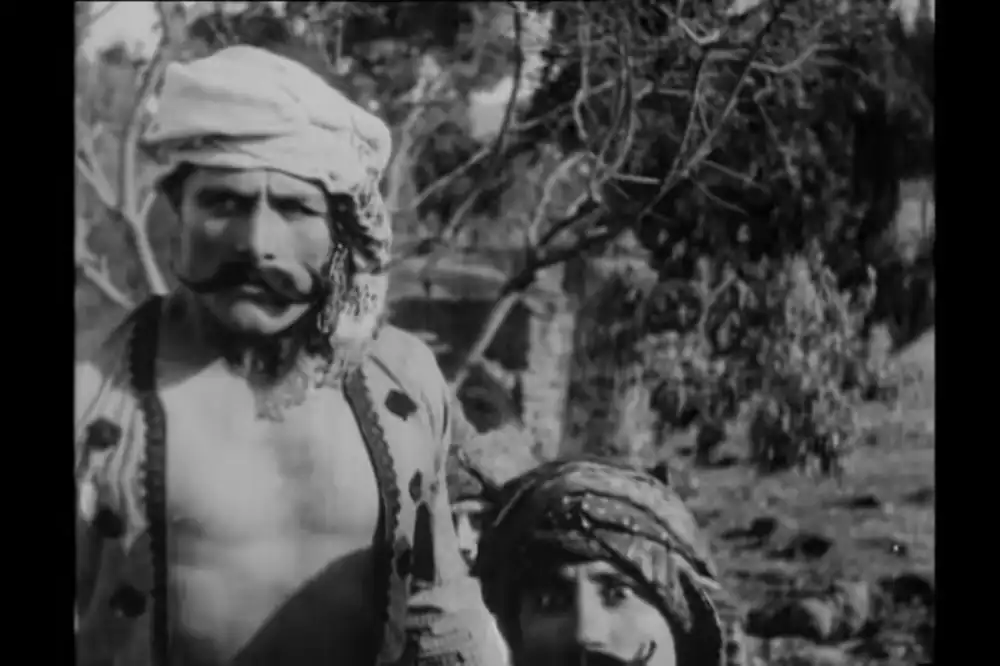
There's this scene early on, just after Maria leaves with Davelis. The camera just sits on the village square. It feels a bit empty. You expect some bustling life, but it’s just… quiet. It makes you think about what she’s leaving behind.
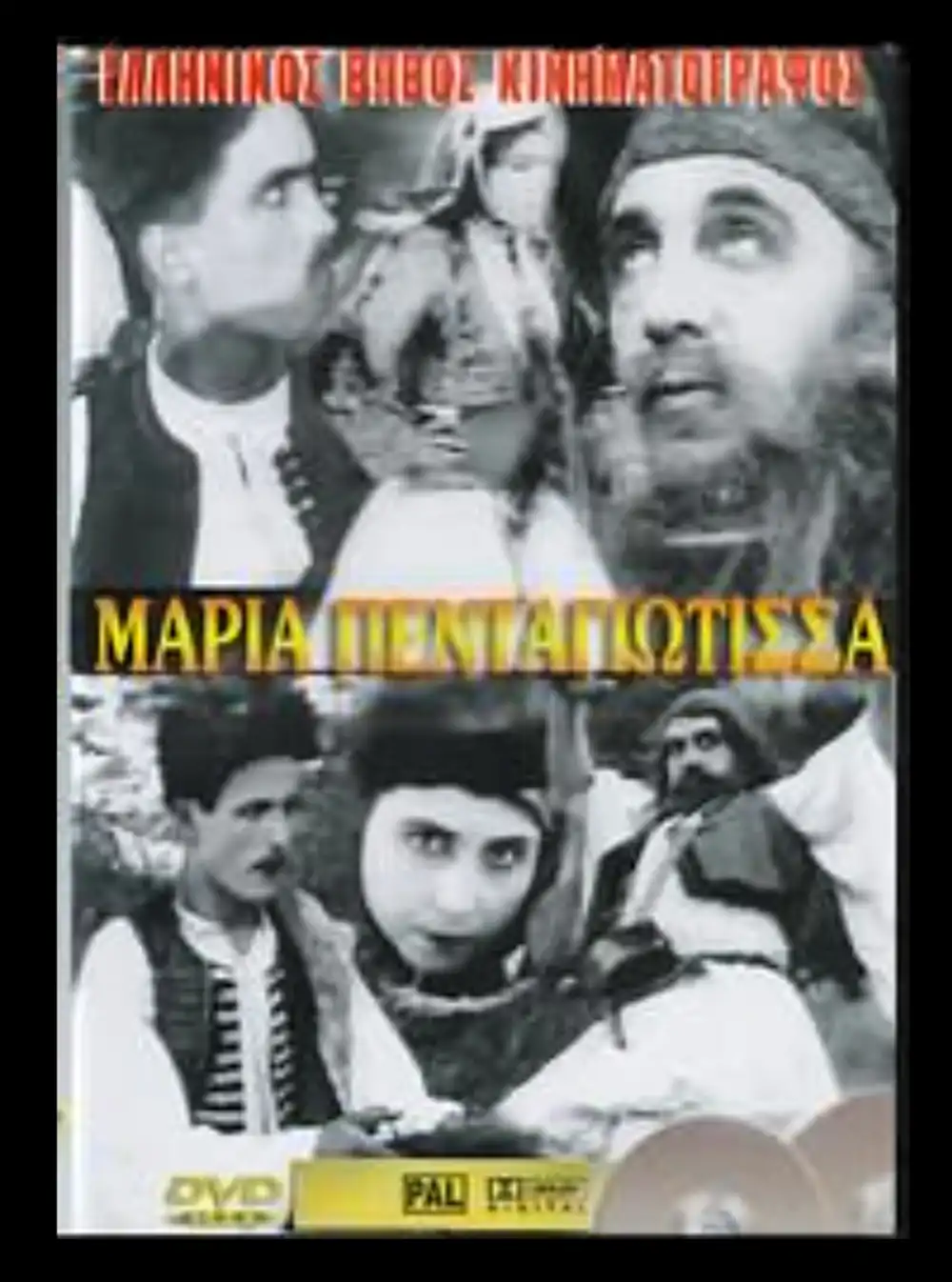
Maria herself, played by Iraklis Halkiopoulos, has this fierce stare. Even when she's supposed to be just a girl, there's a glint there. Later, back in the village, that stare really comes through. It's less about subtle acting and more about *intent*.
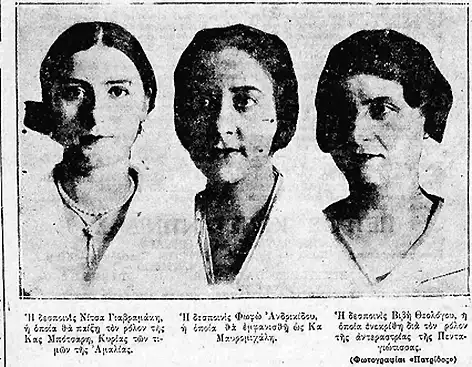
The revenge? It’s not always what you’d expect. Sometimes it's quick, almost too quick. You wonder if you missed a beat. Other times, it’s a drawn-out thing. Like when she confronts Koubaris.
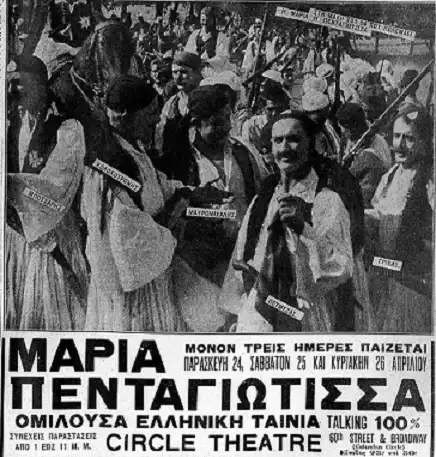
The acting in that scene, it feels very much like a stage play. Big gestures, dramatic pauses. It’s not naturalistic at all, but for this kind of film, it works. It has a certain charm to it.
The crowd scenes have this weird energy. They aren't huge, but the villagers all look genuinely surprised, or angry, or scared. It’s not just extras standing around. One shot, I remember, of an old woman, her face is just pure terror. It sticks with you.
There's a moment when Davelis, the gang leader, just laughs. And it’s this really loud, booming laugh that feels out of place with the slightly grainy film. It’s almost startling. It reminds you that these aren't just characters. They are people trying to make a big impression with limited tools.
You can see the director, Ahilleas Madras, trying to tell a big story with what he had. It's a snapshot, really, of filmmaking from that specific era. It's not always smooth. There are cuts that jump a bit. But it gives it this unpolished authenticity. Like you're watching history unfold, not just a movie.
One small thing. The sets. They are simple, but effective. The village feels lived-in, even if it's just a few buildings. And the wilderness where Davelis's gang hangs out, it's pretty sparse. It makes Maria's journey feel isolated and a bit dangerous. Even if the danger isn't always right on screen.
I wouldn't call Maria Pentagiotissa a forgotten masterpiece. Not really. But it’s a film that definitely has its own voice. It’s a testament to early storytelling. How a strong character like Maria can carry a whole picture. Even with all the limitations. You won't find deep philosophical insights here. But you will find a raw, passionate story about a woman scorned. And sometimes, that's enough. It makes you think about how cinema started to tell stories. One frame at a time. It’s a bit of a trip. 🎬
IMDb 6.8
1917
Community
Log in to comment.