DbcultAccessing Vault...
4.8/10
Senior Film Conservator
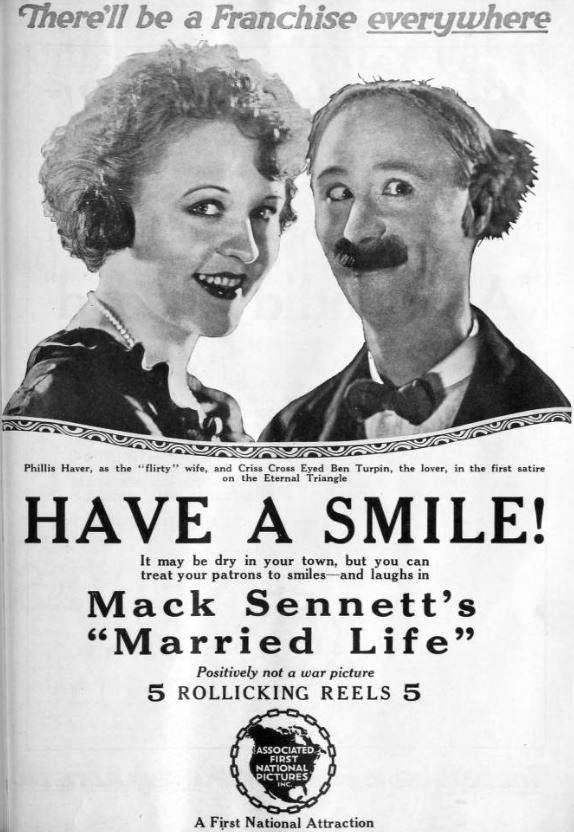
A definitive 4.8/10 rating for a film that redefined the boundaries of cult cinema. Married Life remains a cornerstone of transgressive art.
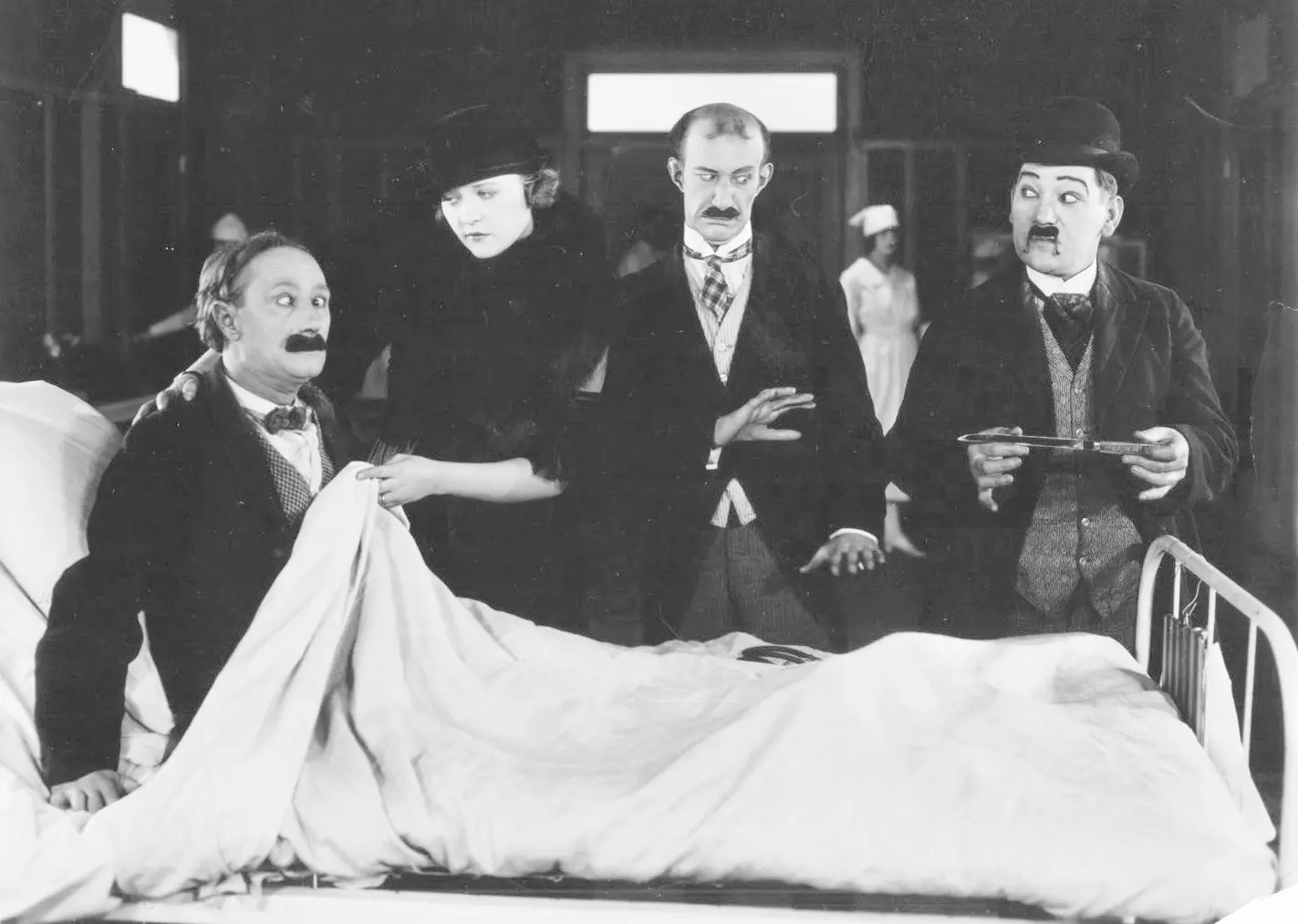
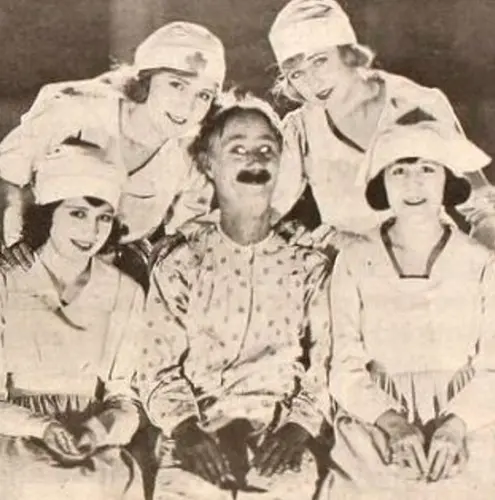
Stepping into the effervescent world of early 20th-century cinema, one encounters a vibrant tapestry woven with the threads of nascent storytelling and audacious physical comedy. Among the myriad stars who illuminated the silver screen during the silent era, few possessed the singular, unmistakable presence of Ben Turpin. His iconic, perpetually cross-eyed gaze was not merely a visual quirk but a comedic signature, an emblem of the delightfully askew universe he inhabited. In the 1920 gem, 'Married Life', Turpin's unique brand of slapstick is showcased with an exhilarating abandon that remains as infectious today as it was a century ago. This film stands as a testament to the ingenious artistry of silent comedy, a genre that communicated complex emotions and riotous humor through gesture, expression, and meticulously choreographed chaos, proving that laughter truly transcends the need for spoken dialogue.
At its heart, 'Married Life' unfurls a narrative as old as time: unrequited love and fierce romantic rivalry. Turpin's character, a man of earnest if often misguided affections, finds himself hopelessly smitten with his college sweetheart, portrayed with captivating charm by Phyllis Haver. Haver, a beauty of the era, embodies the quintessential object of desire, her grace and allure providing a compelling counterpoint to Turpin's frenetic antics. The central conflict, however, is ignited when Turpin's more conventional, perhaps even smug, rival successfully woos and weds the woman of his dreams. This ignominious defeat, rather than prompting a graceful retreat, galvanizes Turpin into a relentless, often self-sabotaging, campaign to reclaim what he believes is rightfully his. The ensuing plot is a masterclass in escalating comedic tension, transforming the domestic sphere into a veritable battleground of absurd proportions, where Turpin’s presence, whether overt or covert, becomes a persistent, hilarious irritant to the newlyweds’ fragile bliss.
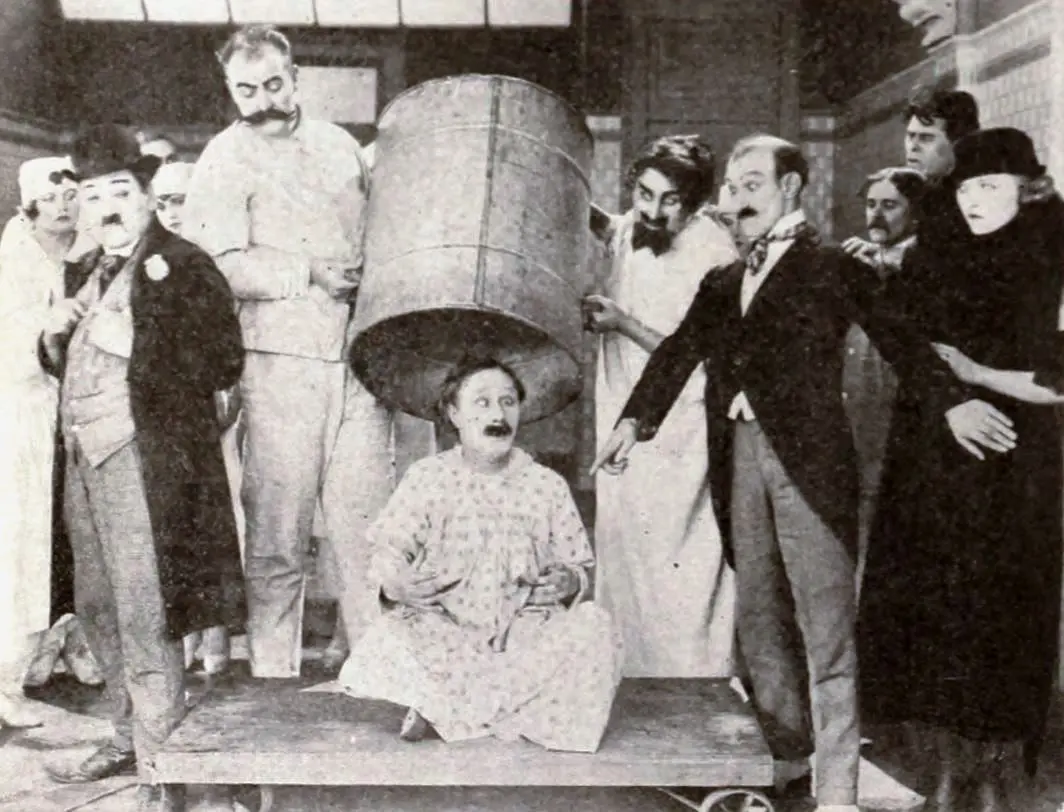
Turpin’s performance is nothing short of a physical ballet of comedic pathos. His distinctive ocular alignment, far from being a disability, was weaponized for maximum comedic effect, conveying a bewildered sincerity that endeared him to audiences. Every pratfall, every exaggerated facial contortion, every desperate lunge for Haver’s attention is executed with a precision that belies the apparent randomness of slapstick. He is the eternal underdog, constantly striving, perpetually failing, yet always retaining a sliver of hope that fuels his next ridiculous endeavor. This relentless pursuit, fraught with custard pies, collapsing furniture, and high-speed chases, elevates the film beyond mere silliness, imbuing it with a universal resonance about the lengths to which one might go for love, however misguided the journey. Turpin’s sheer commitment to the bit, his unwavering dedication to embodying the hapless lover, is a foundational pillar of the film’s enduring comedic power.
The art of slapstick, perfected by the likes of Mack Sennett and his Keystone Kops, finds a superb expression in 'Married Life'. The film’s humor is derived not just from individual gags but from their cumulative effect, building a crescendo of chaos that leaves the audience breathless with laughter. The visual storytelling is paramount: a glance, a stumble, a precisely timed collision conveys more than any dialogue ever could. The pacing is relentless, propelling the narrative forward with an energy that mirrors Turpin's own frantic efforts. There’s an inherent honesty in the physical comedy; the pain, though exaggerated, feels earned, and the triumphs, however fleeting, are celebrated. It’s a testament to the filmmakers’ understanding of human nature’s comedic potential, transforming everyday frustrations and aspirations into grand, ludicrous spectacles. Each gag is a brushstroke in a larger canvas of controlled pandemonium, creating a vivid, unforgettable comedic landscape.
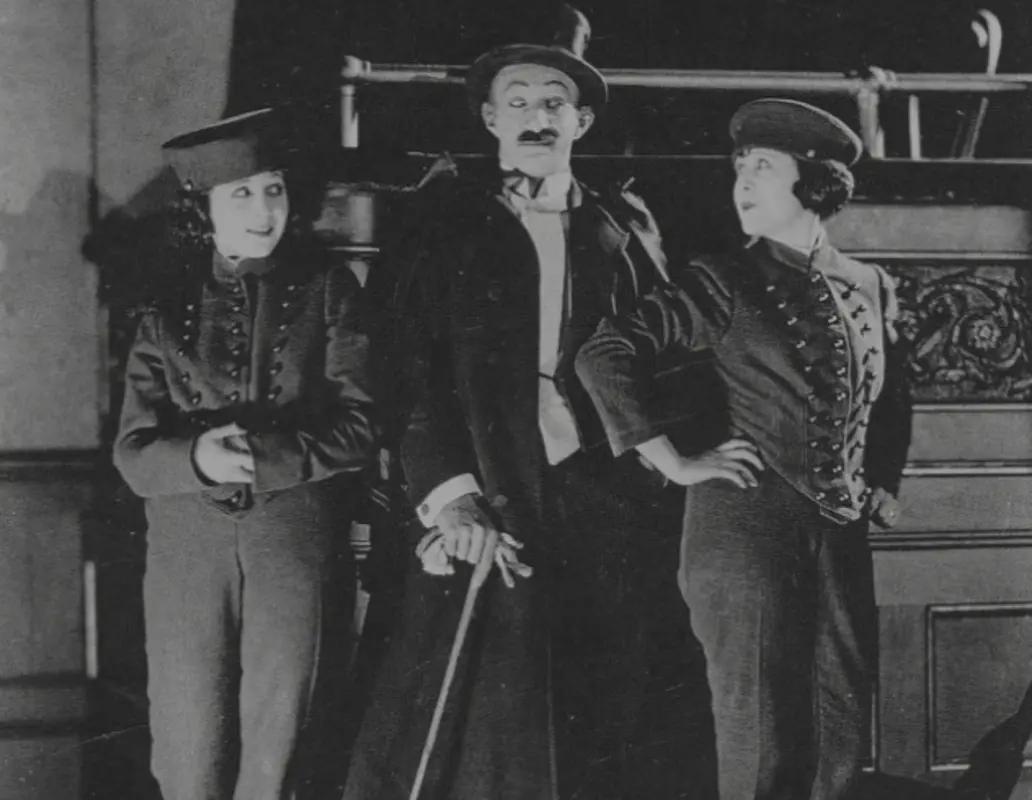
While Turpin rightfully commands the spotlight, the ensemble cast surrounding him is instrumental in amplifying the film’s comedic resonance. Phyllis Haver, as the object of his fervent desire, navigates her role with a delicate balance of innocence and unwitting allure, making her character a believable magnet for both Turpin and his rival. Her reactions, often a blend of bewilderment and exasperation, provide a crucial anchor amidst the surrounding madness. The supporting players, including the formidable Tiny Ward, the ever-reliable Billy Bevan, and the versatile Charles Murray, each contribute their own distinct comedic flavors. From the imposing stature of Ward to Bevan’s perpetually flustered demeanor, these actors are not mere background figures; they are integral components of the comedic machinery, providing foils, obstacles, and fellow participants in the escalating ludicrousness. Their collective performances underscore the collaborative genius inherent in silent film production, where every gesture and expression counted.
The direction of 'Married Life', typical of the era’s best comedies, demonstrates an intuitive understanding of visual rhythm and comedic timing. The filmmakers deftly orchestrate complex sequences of physical action, ensuring that each punchline lands with maximum impact. Camera placement is often functional, designed to capture the full breadth of the physical gags, yet there’s an undeniable artistry in how the chaos is framed. The editing is sharp, cutting between reactions and actions to heighten the comedic effect, creating a brisk tempo that never allows the humor to lag. From the initial setup of Turpin’s infatuation to the climactic explosions of slapstick, the film maintains a consistent, accelerating pace, a hallmark of effective silent comedy. This meticulous crafting ensures that the audience is not just observing the antics but is swept up in the joyous, headlong rush of events.
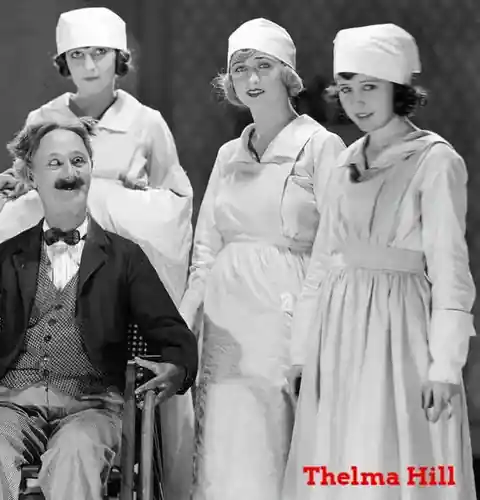
Beyond the immediate guffaws, 'Married Life' subtly explores deeper thematic undercurrents. It delves into the universal human experience of desire, the often-irrational nature of love, and the societal pressures surrounding marriage. Turpin’s character, despite his exaggerated antics, represents the common man grappling with the complexities of romantic aspiration and the sting of rejection. The film humorously critiques the idealized notions of marital bliss, transforming the sanctity of the domestic realm into a playground for comedic disruption. His relentless pursuit, even after the 'I do's' have been exchanged, speaks to a defiant refusal to accept fate, a comically tragic insistence on altering the course of destiny. It’s a playful yet poignant examination of the human condition, wrapped in layers of uproarious physical comedy that resonate with anyone who has ever loved, lost, or simply longed for what seems just out of reach.
Positioned firmly within the vibrant landscape of the Roaring Twenties, 'Married Life' exemplifies the era's burgeoning appetite for escapist entertainment. The film capitalizes on the then-popular tropes of romantic rivalry and domestic farce, infusing them with the distinctive energy of Keystone-style comedy. It’s a product of a time when cinema was rapidly evolving, finding its voice through visual innovation and the charismatic power of its stars. The success of films like this cemented the careers of performers like Ben Turpin and Phyllis Haver, establishing archetypes that would influence comedic filmmaking for decades to come. It’s a snapshot of a bygone era, yet its humor transcends time, offering a window into the universalities of human emotion and folly that remain unchanged, regardless of technological or cultural shifts. The film's historical context is not just academic; it enriches our understanding of its craft and cultural impact.
The enduring appeal of 'Married Life' lies in its timeless humor and the sheer joy of watching a master comedian at work. Despite the passage of a century, the film's gags, its character dynamics, and its underlying emotional beats remain remarkably potent. It reminds us that laughter is a fundamental human response, one that doesn't require synchronized sound or elaborate special effects to be deeply felt. The universal themes of love, jealousy, and the desire for connection are presented through a lens of delightful absurdity, making the film accessible and enjoyable for contemporary audiences. It’s a vibrant relic, a cinematic time capsule that continues to deliver genuine mirth, proving that true comedic genius is immune to the ravages of time and technological advancement. Its simplicity is its strength, allowing the performances and the visual narrative to shine unencumbered.
In terms of cinematic legacy, 'Married Life', like many films of its ilk, contributes significantly to the foundation of comedic storytelling. It showcases the intricate choreography of silent-era physical comedy, a craft that required immense skill and precision from both performers and filmmakers. The film’s influence can be traced through later generations of comedians and comedic narratives, demonstrating how these early pioneers established a language of visual humor that continues to inform contemporary works. The use of escalating gags, character-driven slapstick, and the exploration of domestic discord through a humorous lens are all elements that found their footing in films like this. It’s a crucial piece in the mosaic of early Hollywood, reflecting the innovative spirit and boundless creativity that defined the industry’s formative years, shaping the very grammar of cinematic comedy.
Thematically, 'Married Life' shares a common ground with other films that playfully dissect the institution of marriage and the complexities of romantic entanglement. For instance, one might draw parallels to the Hungarian film Házasodik az uram, which, despite its different cultural context and likely distinct comedic stylings, also centers around the premise of a husband getting married, implying a narrative rich with potential marital mishaps or pre-nuptial anxieties. While the specific comedic execution would undoubtedly vary, the core exploration of matrimonial dynamics, the inherent humor in domestic situations, and the often-absurd journey towards or within marriage, form a curious thematic kinship across different cinematic traditions. Both films, in their own ways, tap into the universal wellspring of humor found in the trials and tribulations of partnered life, highlighting how pervasive these themes are globally.
Furthermore, the film’s central conceit of a relentless, perhaps even obsessive, pursuit of an ideal partner finds echoes in other cinematic explorations of romantic aspiration. One could, for a moment, consider The Perfect Lover, a title that immediately conjures images of idealized romance and the often-futile quest for an unattainable ideal. While 'Married Life' approaches this theme through the boisterous lens of slapstick and Turpin’s unique brand of comedic desperation, the underlying human yearning for a specific person, and the lengths one might go to secure their affection, provides a subtle, if abstract, link. The contrast lies in the execution: one likely a more dramatic or straightforward romantic narrative, the other a comedic explosion of thwarted desires, yet both touch upon the fundamental human drive to connect and to find that elusive 'perfect' match, or at least, the match one believes is perfect, regardless of the obstacles.
What truly elevates 'Married Life' beyond mere spectacle is the surprising subtlety embedded within its overt physical comedy. Despite the exaggerated falls and broad gestures, Turpin’s character often evokes a genuine sense of sympathy. His earnestness, even in the midst of his ridiculous schemes, makes him relatable. This ability to blend laugh-out-loud humor with a touch of pathos is a hallmark of the finest silent comedians, allowing audiences to connect with the characters on a deeper emotional level, rather than simply observing them from a detached perspective. The film is not just about gags; it’s about a character's unwavering, albeit misguided, belief in his own romantic destiny, a belief that fuels his every desperate, hilarious action. This emotional underpinning ensures that the film's comedy feels grounded, even as it reaches for the stars of absurdity.
For modern audiences, rediscovering these silent gems like 'Married Life' offers a unique and enriching cinematic experience. It’s an opportunity to appreciate a form of storytelling that relies entirely on visual cues, timing, and the magnetic charisma of its performers. Stripped of dialogue, the pure craft of filmmaking – the composition, the editing, the physical performances – comes into sharp focus. It encourages a different kind of engagement, demanding that the viewer actively interpret expressions and actions, fostering a deeper connection with the narrative. In an age saturated with complex narratives and sensory overload, the elegant simplicity and unadulterated joy of a film like this serve as a refreshing reminder of cinema’s foundational magic, a pure distillation of its power to entertain and move us without a single spoken word.
In conclusion, 'Married Life' is far more than a historical curiosity; it is a vibrant, uproarious testament to the genius of silent comedy and the inimitable talent of Ben Turpin. Its infectious energy, masterful slapstick, and surprisingly resonant themes ensure its place as a cherished classic within the annals of film history. It invites us to laugh heartily, to appreciate the artistry of a bygone era, and to recognize the timeless appeal of a good story told with boundless creativity. This film, with its audacious humor and endearing characters, remains a sparkling jewel in the crown of early cinema, a delightful reminder that sometimes, the most profound humor speaks volumes without ever uttering a sound.
IMDb 6.9
1919
Community
Log in to comment.