DbcultAccessing Vault...
Cult Review
Senior Film Conservator
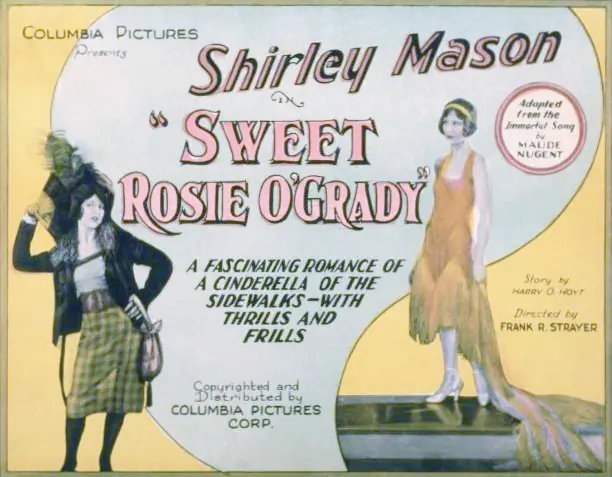
Is 'Sweet Rosie O'Grady' worth watching today? Yes, but it's worth it for the right audience. This 1917 film is a curious piece of early American cinema, offering a glimpse into societal norms and the melodramatic storytelling of the silent era. However, it's not for everyone, especially those seeking a modern, nuanced exploration of characters and themes.
The film's plot, rooted in the social dynamics of early 20th-century America, is engaging. The character of Sweet Rosie O'Grady, played by Jackie Combs, is a compelling figure, embodying the spirit of resilience and determination. The film's pacing is deliberate, reflecting the storytelling style of the era, which often allowed for character development to unfold over multiple scenes.
Despite its historical significance, 'Sweet Rosie O'Grady' fails to deliver a modern, relatable experience. The melodramatic elements, such as the dramatic costume ball scene, feel overdone and clichéd by today's standards. Additionally, the film's dialogue and character motivations often lack depth, which can make the story feel somewhat one-dimensional.
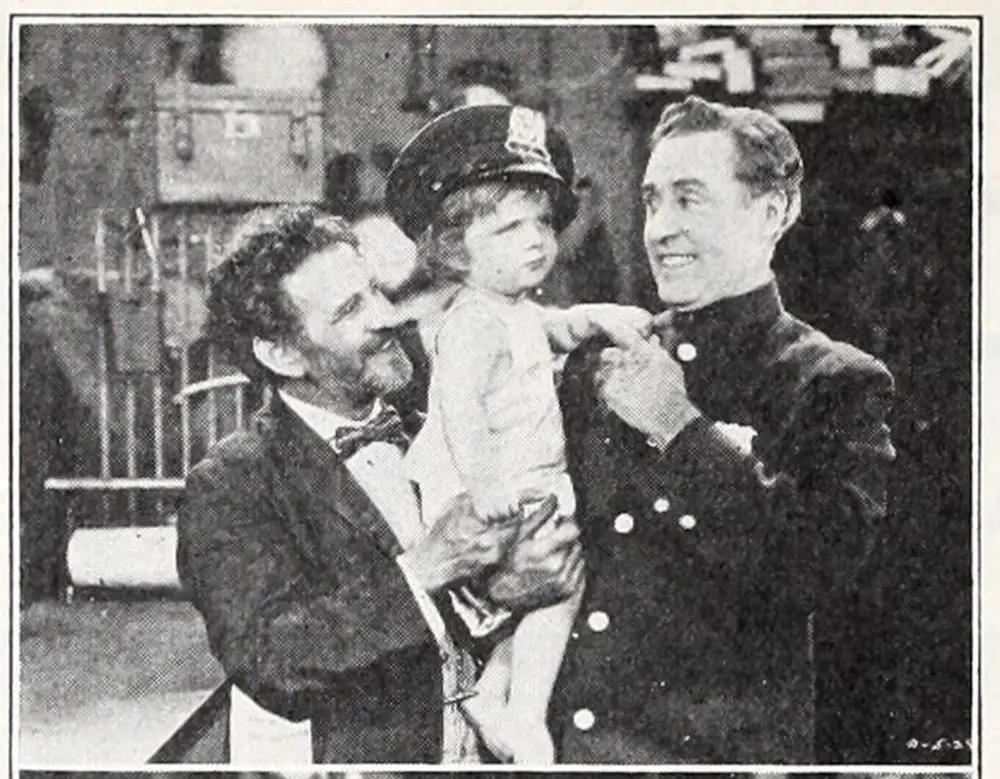
You're interested in early American cinema, particularly films from the silent era. 'Sweet Rosie O'Grady' offers a unique glimpse into a time when storytelling was more focused on plot and character arcs than on complex emotional depth. It's a film that is best appreciated for its historical and cultural significance rather than its modern relevance.
While 'Sweet Rosie O'Grady' may not be a groundbreaking masterpiece, it's a fascinating piece of early cinema that offers insight into the storytelling techniques and societal norms of the time. It might not be everyone's cup of tea, but for those interested in the evolution of film as an art form, it's a worthwhile watch.
Yes, but it's worth it for the right audience. This film is a curious piece of early American cinema, offering a glimpse into societal norms and the melodramatic storytelling of the silent era. However, it's not for everyone, especially those seeking a modern, nuanced exploration of characters and themes.
Pros:
The acting in 'Sweet Rosie O'Grady' is a mixed bag. Jackie Combs, who plays Sweet Rosie O'Grady, gives a strong performance, bringing depth to the character and making her relatable. Her scenes as Sweet Rosie O'Grady are particularly memorable, showcasing her ability to convey a range of emotions. However, the supporting cast, while competent, often lacks the emotional depth and nuance required to fully bring their characters to life. The dialogue, particularly in the early scenes, can feel stilted and unnatural, detracting from the overall impact of the performances.
Director Harry O. Hoyt's handling of the film is commendable, given the technical limitations of the silent era. The pacing is deliberate, allowing for the development of characters and plot elements over multiple scenes. However, the film's reliance on dramatic and melodramatic elements can feel somewhat overdone, particularly in scenes like the dramatic costume ball scene. The direction of these scenes is predictable, lacking the surprise and innovation that might have made them more impactful.
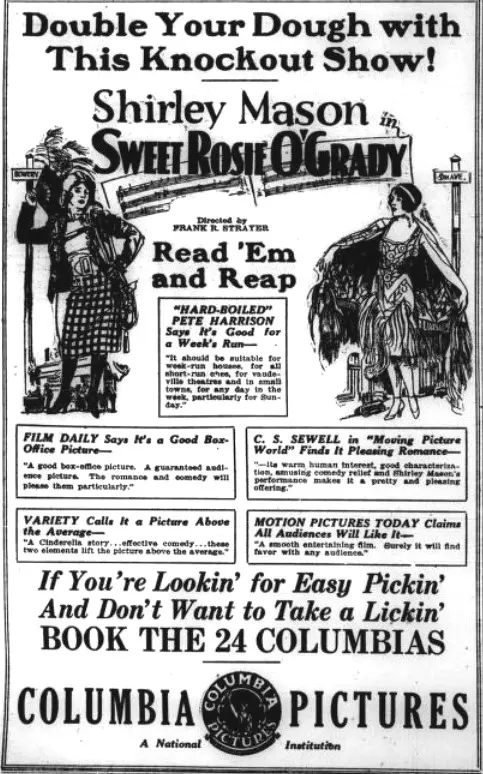
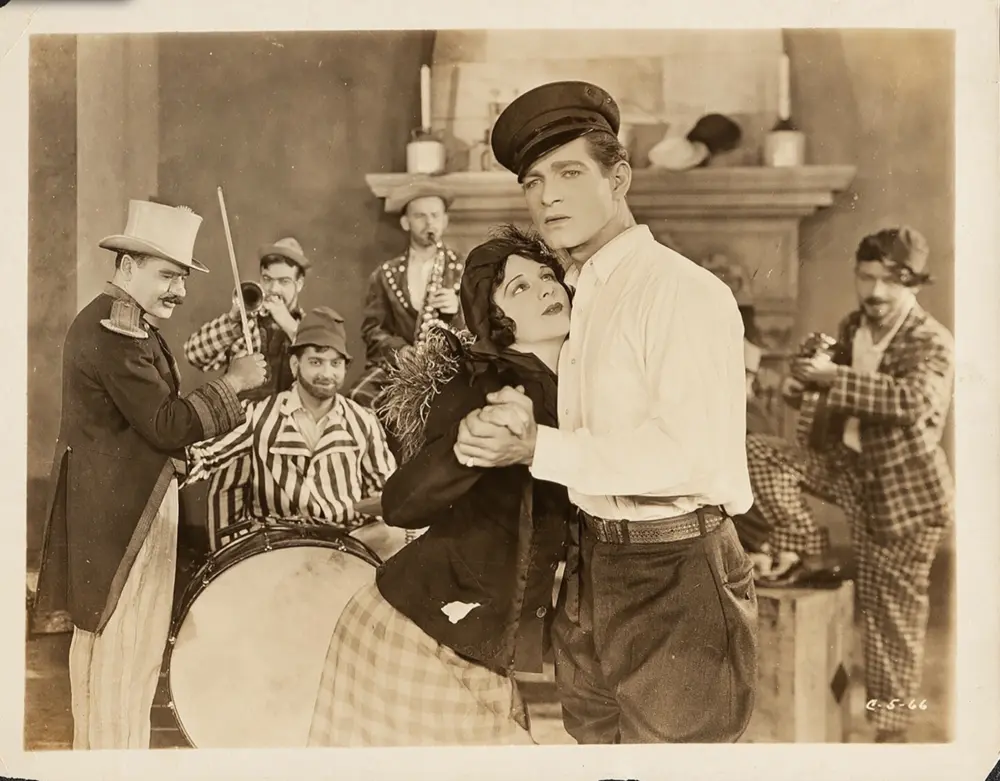
The cinematography in 'Sweet Rosie O'Grady' is a standout element of the film. The use of lighting and framing effectively enhances the dramatic and emotional impact of key scenes. For example, the scene where Sweet Rosie O'Grady is first seen at the costume ball is beautifully lit, creating a sense of wonder and enchantment. However, the film's reliance on static shots and limited camera movement can make some scenes feel static and unengaging. The use of props and set design is also effective, particularly in scenes that require elaborate costumes and settings to support the story's plot.
The pacing of 'Sweet Rosie O'Grady' is deliberate, reflecting the storytelling style of the silent era. The film allows for the development of characters and plot elements over multiple scenes, which can be engaging for audiences interested in the evolution of cinema. However, the film's reliance on predictable and clichéd plot devices can make some scenes feel drawn out and less impactful. The pacing is effective in creating a sense of drama and tension, particularly in scenes where Sweet Rosie O'Grady is involved. However, the film's reliance on predictable plot elements can make some scenes feel less satisfying.
The tone of 'Sweet Rosie O'Grady' is largely melodramatic, reflecting the storytelling style of the silent era. The film's focus on character arcs and plot elements often feels more important than the emotional depth and nuance of the characters. The tone is effective in creating a sense of drama and tension, particularly in scenes where Sweet Rosie O'Grady is involved. However, the film's reliance on melodramatic elements can make some scenes feel overly sentimental and lacking in emotional complexity.
While 'Sweet Rosie O'Grady' may not be a groundbreaking masterpiece, it's a fascinating piece of early cinema that offers insight into the storytelling techniques and societal norms of the time. It might not be everyone's cup of tea, but for those interested in the evolution of film as an art form, it's a worthwhile watch.
'Sweet Rosie O'Grady' is a curious piece of early American cinema that offers a unique glimpse into the storytelling techniques and societal norms of the silent era. While it may not be a modern, nuanced exploration of characters and themes, it is a valuable piece of film history that is best appreciated for its historical and cultural significance. For those interested in the evolution of cinema, it is a worthwhile watch. However, for those seeking modern, complex narratives or realism, it may not be the most engaging film.
IMDb 6.6
1936
Community
Log in to comment.