DbcultAccessing Vault...
6.6/10
Senior Film Conservator
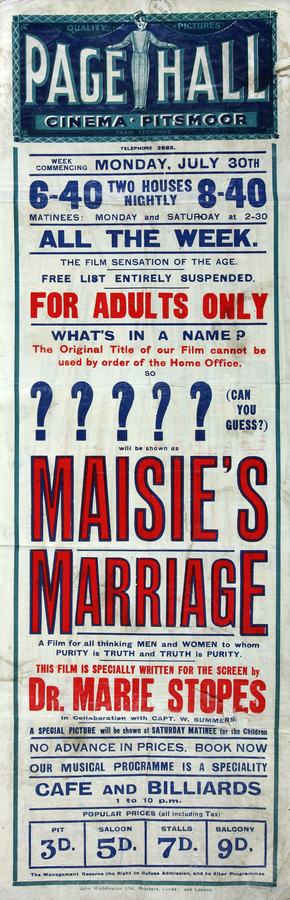
A definitive 6.6/10 rating for a film that redefined the boundaries of cult cinema. Married Love remains a cornerstone of transgressive art.
Ellen Hartley’s odyssey, as portrayed by Gladys Harvey, is more than a personal saga; it is a mirror reflecting the shifting social topography of post‑World War I Britain. The film opens with a stark visual contrast: the opulent manor of the Hartley patriarch, rendered in chiaroscuro, against the modest, sun‑washed courtyard of the Hargraves’ cottage. This juxtaposition, achieved through Walter Summers’ meticulous mise‑en‑scene, immediately signals the director’s preoccupation with class dichotomies.
\n \nRex Davis, embodying Thomas Whitaker, delivers a performance that oscillates between stoic resolve and vulnerable yearning. His chemistry with Harvey is palpable, even in the film’s silent format, where glances and gestures become the lingua franca of affection. Sydney Fairbrother’s turn as Mrs. Hargraves injects a warm, earthy humor that softens the film’s occasional melodramatic spikes. The supporting ensemble—Lillian Hall‑Davis, Sam Livesey, and the ever‑expressive Mary Brough—populate the narrative with a spectrum of social archetypes, each rendered with a subtlety that belies the era’s often caricatured portrayals of servants.
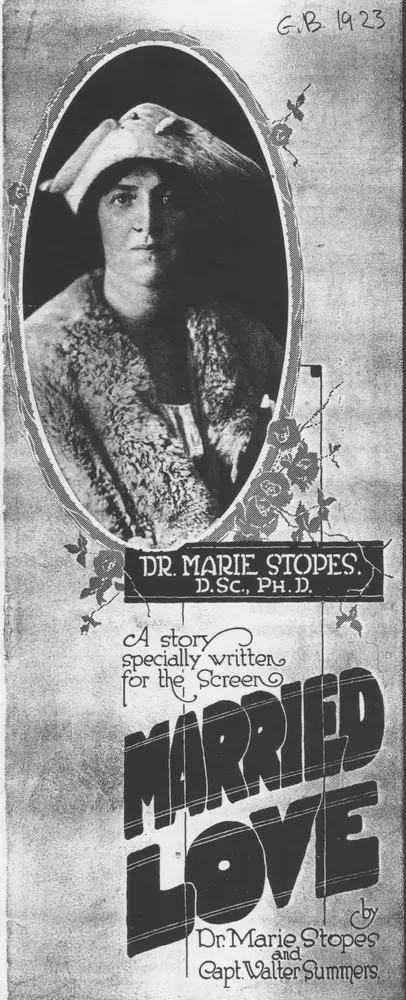
\n \nThe screenplay, co‑written by Marie Stopes—renowned for her pioneering work on sexual health—infuses the story with a progressive undercurrent. Ellen’s decision to become a maid is not merely a plot device; it is an act of agency that challenges patriarchal expectations. Stopes’ influence surfaces in the film’s subtextual advocacy for women’s autonomy, especially evident in Ellen’s refusal to succumb to the shame of her father’s repudiation. Instead, she redefines her identity through labor, love, and resilience.
\n \nWalter Summers’ direction balances realism with romantic idealism. The fire sequence, a technical tour de force for its time, employs practical effects—flames ignited on set, smoke generated by early chemical compounds—to create a visceral sense of danger. The camera tracks Ellen’s frantic movement through the smoke‑filled rooms, her silhouette illuminated by the orange glow of the blaze, a visual metaphor for her inner transformation.
\n \nWhen positioned alongside other silent era works, *Married Love* reveals both convergences and divergences. For instance, the slapstick energy of Keystone Comedies stands in stark contrast to the film’s measured pacing, yet both share an emphasis on physicality—one for humor, the other for drama. Similarly, Business Is Business explores class tensions within a corporate setting; *Married Love* transposes this conflict to the domestic sphere, underscoring how economic stratification permeates every facet of life.
Moreover, the thematic preoccupation with fire as both destructive and purifying force finds echoes in Filibus, where aerial combustion symbolizes liberation. In *Married Love*, the conflagration serves a dual purpose: it is a literal threat that tests Ellen’s courage and a symbolic crucible that melts rigid class barriers, allowing for a rebirth of familial bonds.
\n \nThe visual palette is dominated by muted earth tones, punctuated by the film’s signature color motifs—though the medium is monochrome, the set designers employed contrasting textures to evoke the warmth of the Hargraves’ home versus the cold austerity of the Hartley estate. The use of shadows, particularly in scenes where Ellen reads letters from Thomas, creates an intimate chiaroscuro that mirrors the secretive nature of their correspondence.
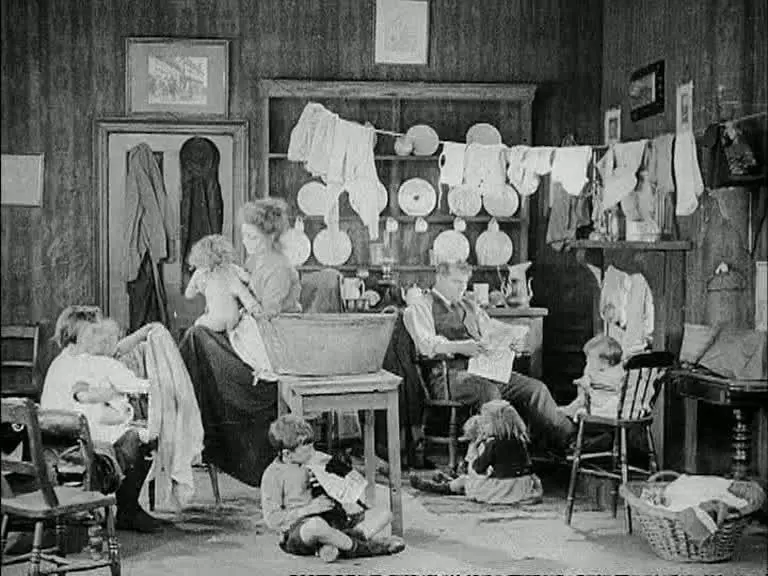
\n \nProduction design meticulously reconstructs early 1920s domestic interiors: the Hargraves’ kitchen boasts a modest coal stove, copper pots, and a hand‑woven rug, all of which become narrative props—each object bearing witness to Ellen’s growing attachment to the family. In contrast, the Hartley manor’s marble hallways and towering portraits convey an oppressive grandeur that isolates Ellen from authentic human connection.
\n \nHarvey’s facial expressivity is a masterclass in silent acting. In a pivotal scene where Ellen discovers the fire’s onset, her eyes widen, her brows knit, and a single tear traces down her cheek—no intertitle required. The audience feels the urgency through her physicality alone. Rex Davis, meanwhile, utilizes broad, deliberate gestures to convey Thomas’s internal turmoil; his hands, clenched around a fire hose, become an extension of his resolve.
\n \nSupporting actors contribute layers of comic relief without undermining the film’s gravitas. Mary Brough’s portrayal of the nosy neighbor, Mrs. Pritchard, injects moments of levity, reminding viewers that even in hardship, laughter persists—a sentiment echoed in the film’s closing tableau where the Hargraves family shares a modest feast, their faces illuminated by candlelight.
At its core, *Married Love* interrogates the notion that marital bliss is contingent upon socioeconomic parity. The narrative suggests that love, when stripped of material expectations, thrives within the interstices of daily labor. Ellen’s evolution from a scorned fiancée to a cherished household member underscores a radical redefinition of family—one that values emotional labor over financial capital.
\n \nThe film also subtly critiques patriarchal authority. The Hartley father’s eventual redemption—prompted not by Ellen’s submission but by her heroic act—signals a shift in power dynamics, aligning with early feminist discourses that champion women’s moral authority over patriarchal dictates.
\n \nWhile *Married Love* may lack the name‑recognition of contemporaneous Hollywood epics, its cultural imprint endures within British film scholarship. The work prefigures later domestic dramas such as Rose o' Paradise, which similarly explore the empowerment found in modest households. Its emphasis on class fluidity anticipates the social realism of post‑war British cinema, making it a vital antecedent to the Kitchen Sink movement of the 1950s.
\n \nIn contemporary discourse, the film’s exploration of love’s resilience against socioeconomic pressures resonates with audiences navigating gig‑economy precarity and evolving family structures. The timeless message—that authentic connection often blossoms in the most unassuming settings—continues to inspire.
\n \nFrom a technical standpoint, *Married Love* showcases the ingenuity of early 20th‑century British filmmaking: inventive set pieces, nuanced performances, and a narrative that balances melodrama with social commentary. Its pacing, though measured, never lapses into tedium; each scene propels Ellen’s character arc forward, culminating in a cathartic climax that fuses spectacle with emotional payoff.
\n \nFor cinephiles seeking a window into the era’s aesthetic sensibilities and a story that champions the quiet heroism of everyday life, *Married Love* stands as a compelling, under‑appreciated gem. Its rich thematic layers, coupled with a deftly crafted visual language, merit both scholarly attention and enthusiastic viewership.
IMDb 6.5
1922
Community
Log in to comment.