DbcultAccessing Vault...
4.7/10
Senior Film Conservator
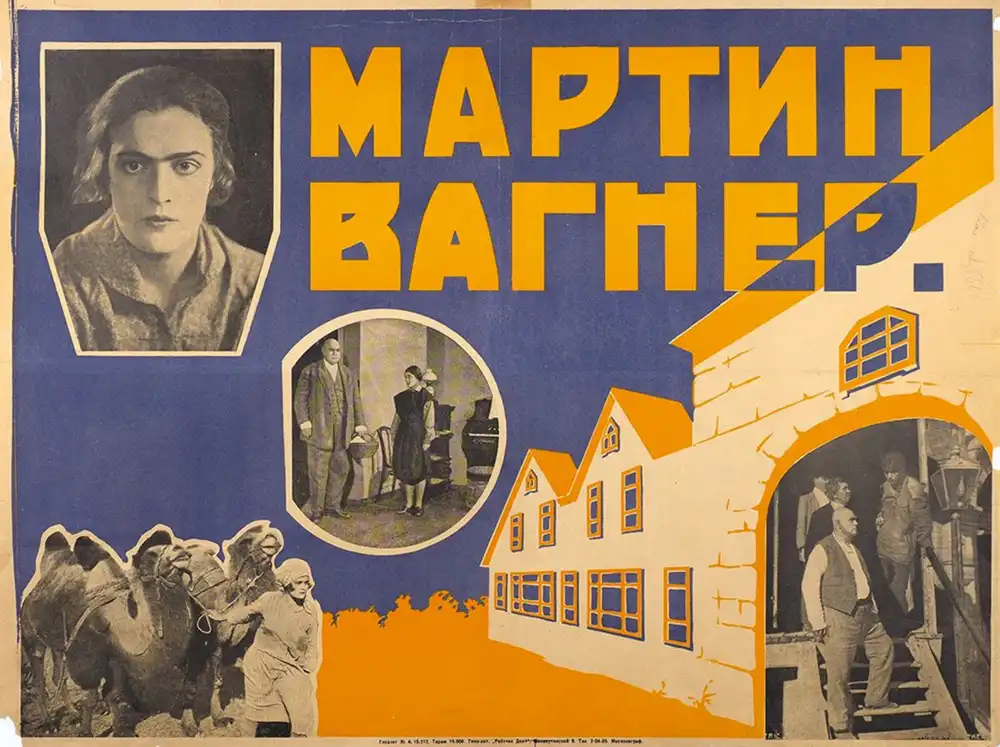
A definitive 4.7/10 rating for a film that redefined the boundaries of cult cinema. Martin Vagner remains a cornerstone of transgressive art.
So, is Martin Vagner worth digging up today? Well, that really depends on what you're looking for. If you’re a history buff, especially one fascinated by early Soviet cinema or the tumultuous 1920s, then **absolutely** give it a shot. This one’s a raw, sometimes _blunt_, piece of propaganda, but it’s an important window into a specific time.
Anyone expecting nuanced characters or a complex plot might struggle. It’s a film with a very clear message, and it delivers that message with a hammer, not a feather. If silent films aren't your jam, or you prefer your historical dramas with a bit more ambiguity, you’ll probably find this a bit of a slog.
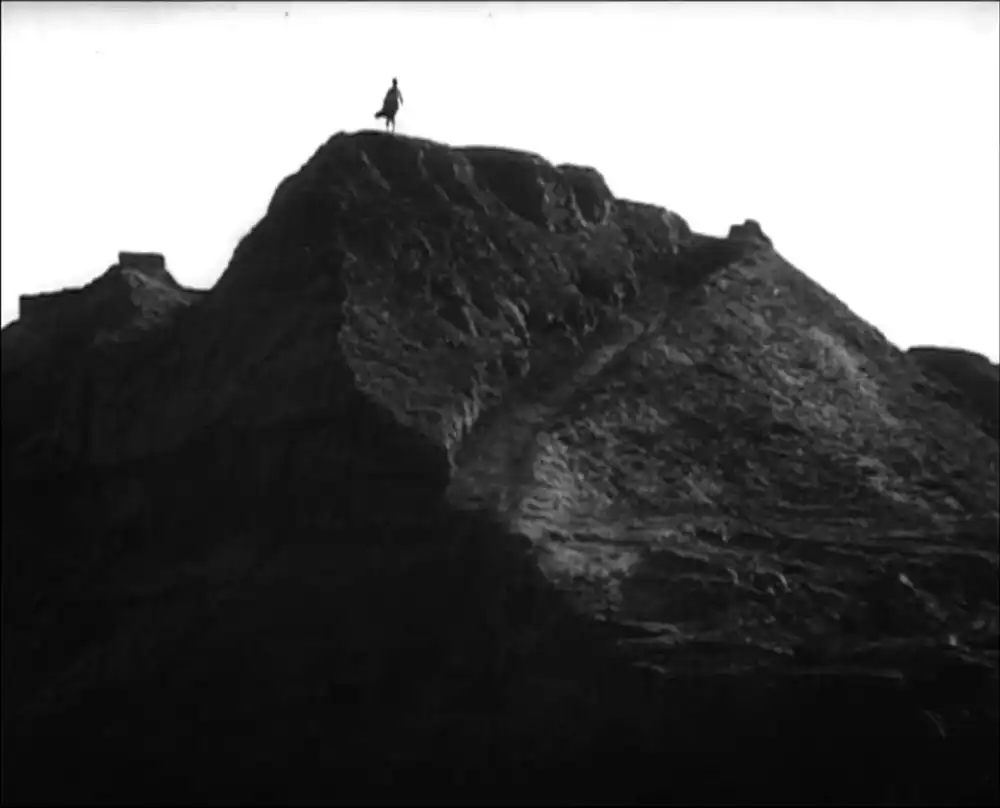
The film starts with Martin Vagner, played by Khomutov F., returning to his village in the Volga German republic. He's been off fighting with the Red Army, and you can tell he's seen things. There’s this quiet intensity about him, even in the exaggerated acting style of the era. He carries this **newfound communist zeal** right back into his old life.
The contrast between Vagner and the established village order, mainly the kulaks, is set up almost immediately. The film doesn't waste time on subtleties. You see the kulaks, portrayed by actors like Yakov Rykov, often shown eating lavishly while others look on with hunger.
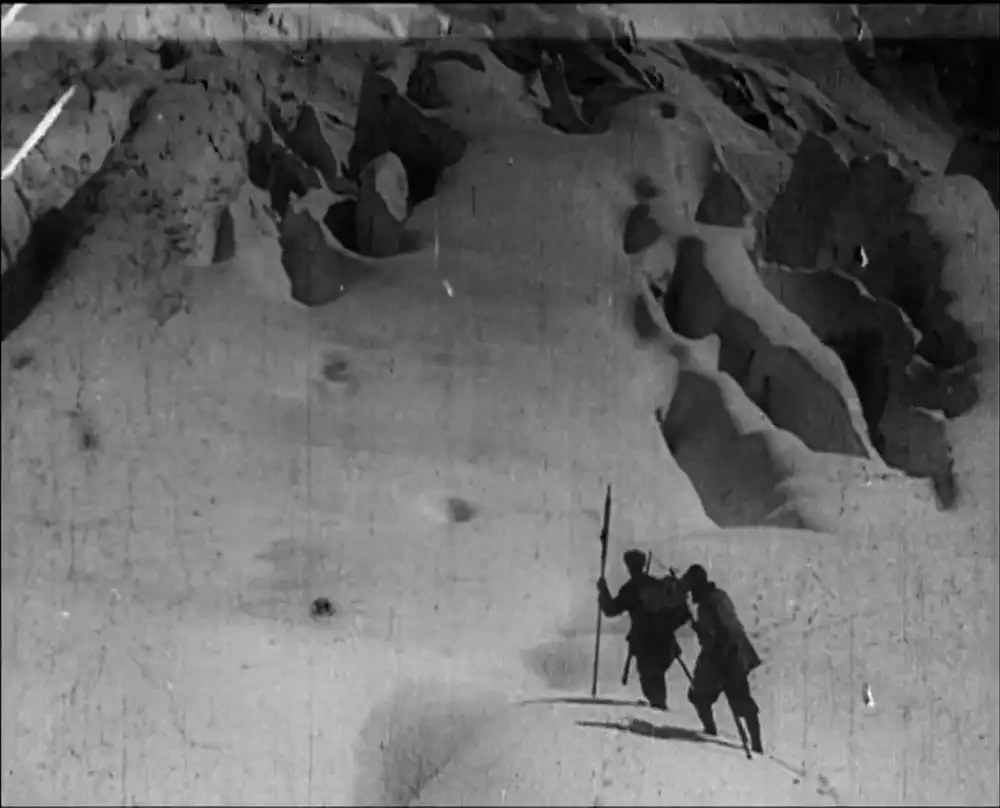
Vagner, with the backing of the 'central Soviet power,' starts pushing for economic support for the poorer villagers. There's a scene where he's talking to a group, his gestures broad, trying to explain the new way. It feels very much like a lecture, but one the film _wants_ you to pay attention to.
What struck me was how the film depicts the slow build-up of the poor's rebellion. It’s not an instant spark. You see faces, individual villagers, slowly nodding along, their eyes shifting from suspicion to **a kind of dawning hope**. Vera Marinich, as one of the villagers, has some really compelling close-ups.
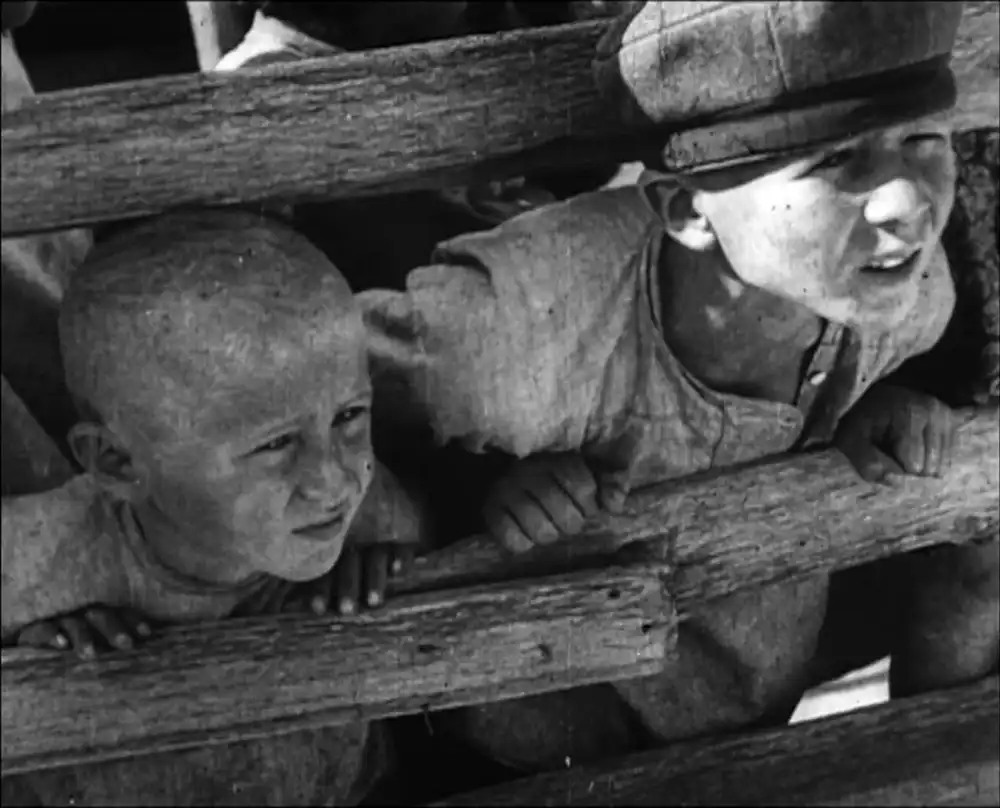
The actual rebellion, when it comes, is pretty much what you’d expect from a 1920s Soviet film. Lots of people marching, fists raised. There’s one shot of the kulaks' council meeting being interrupted, and the faces of the council members are just priceless. Pure, unadulterated shock and a bit of theatrical horror. It’s all very on-the-nose, but effective for its purpose.
The camera work, for the most part, is straightforward. But there are these moments, particularly when Vagner is addressing a crowd, where the camera holds on his face just long enough. You can almost feel the movie trying to convince you this moment matters, trying to embed his resolve.
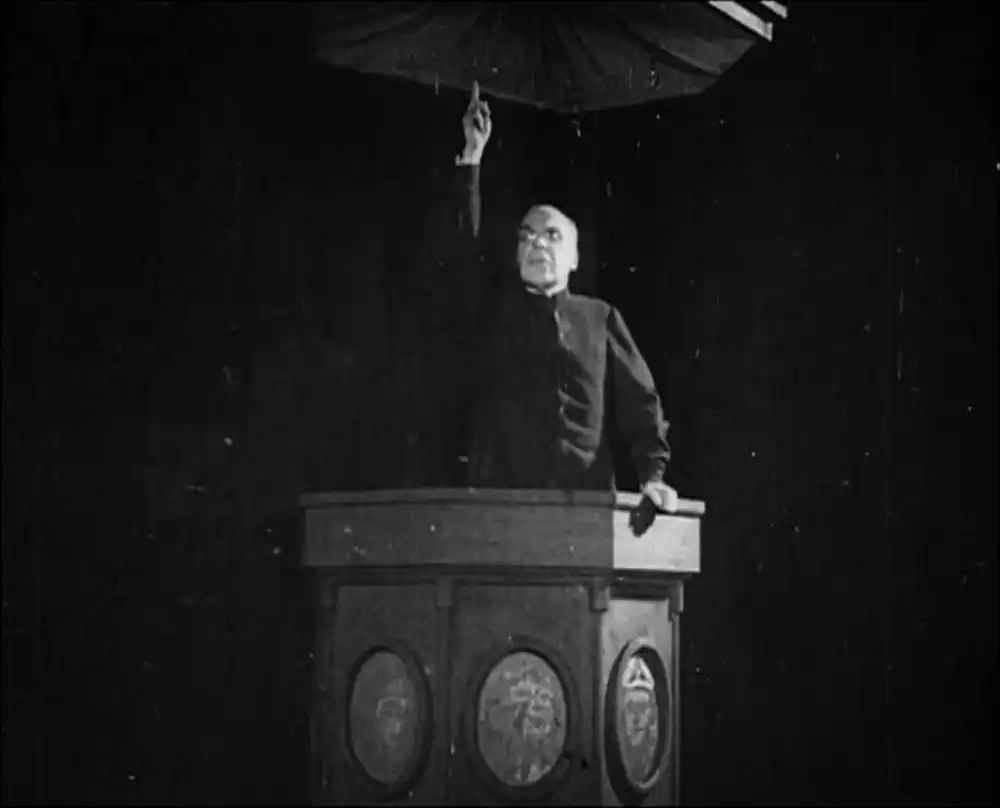
Pacing-wise, it's a silent film, so don't go in expecting rapid cuts. Some scenes, especially the ones showing the daily life of the poor, do feel like they linger. Not necessarily in a bad way, just a different rhythm than we’re used to now. It gives you time to really _look_ at the sets and costumes.
And those costumes! The distinction between the working folk and the kulaks is so clear, almost like a visual code. The kulaks are always a bit too well-dressed, a little too comfortable, even when they’re supposed to be in a modest setting.
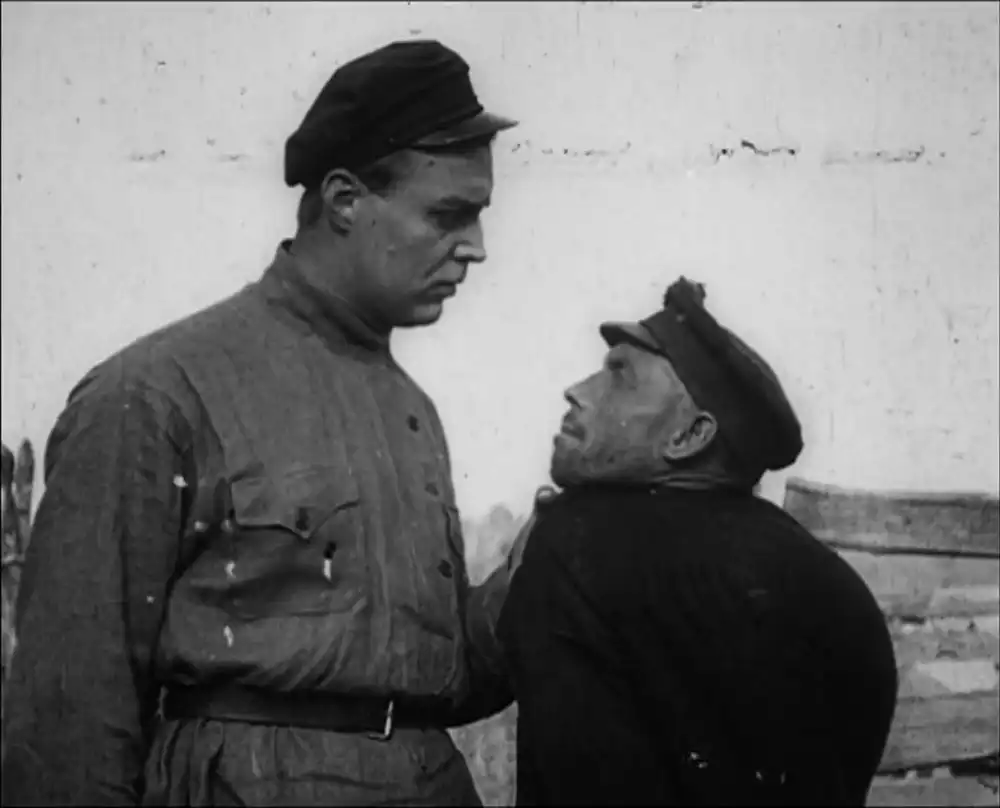
It’s hard to ignore the film's unwavering ideological stance. Every plot beat, every character's motivation, is filtered through that lens. There’s no real room for dissent or a gray area. The kulaks are simply the villains; Vagner and the poor are the righteous heroes. It’s simple, stark storytelling.
One small thing I noticed: the way they used intertitles to push the message. Some of them feel less like dialogue and more like direct instructions to the audience. Like, 'The land belongs to the workers!' _over and over_ again.
The ending, with the poor taking control of the village council, is presented as this **big, triumphant moment**. Everyone is smiling, Vagner looks victorious. It’s the neat, tidy conclusion the ideology demands. A clear win, no loose ends.
If you've ever seen other early Soviet films, like maybe a bit of Othello from the same general period, you'll recognize the earnestness, even if the subject matter is quite different. This one feels a bit more grounded in a specific, rural struggle though. It’s not trying to be epic, just _real_ for its intended audience.
Ultimately, Martin Vagner isn't a film you watch for pure entertainment in the modern sense. It’s a historical document, a piece of propaganda art. It has a rough charm, a kind of earnestness that's hard to dismiss, even when its message is so heavy-handed. It’s a fascinating, if sometimes stiff, watch. Definitely one for the cinema studies crowd.
IMDb —
1924
Community
Log in to comment.