DbcultAccessing Vault...
Cult Review
Senior Film Conservator
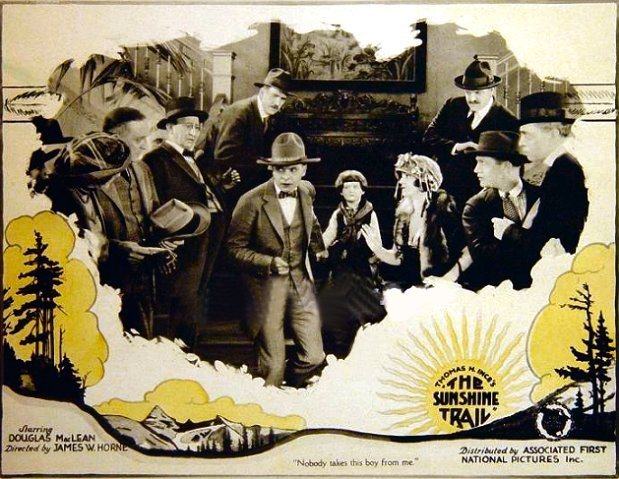
The Sunshine Trail unfolds like a sepia‑tinted tapestry, each thread woven with the weight of post‑war disillusionment. Jimmy MacTavish (Rex Cherryman) arrives not as a triumphant hero but as a phantom haunted by the clamor of battlefields far beyond the frontier’s horizon. His quest—to reunite with June Carpenter (Edith Roberts)—is immediately undercut by a series of betrayals that feel less accidental than meticulously orchestrated, reflecting the era’s fascination with identity theft and the fragility of reputation.
The film’s inciting incident—Jimmy’s sudden robbery and the ludicrous charge of kidnapping—functions as a narrative crucible. It forces the audience to confront the paradox of a man celebrated for his valor yet condemned for alleged depravity. The screenplay, penned by William Wallace Cook and refined by Bradley King, navigates this tension with a deftness that belies its silent‑film constraints, employing intertitles that are terse yet laden with subtext.
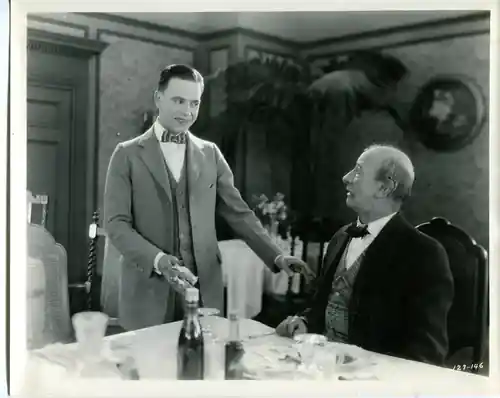
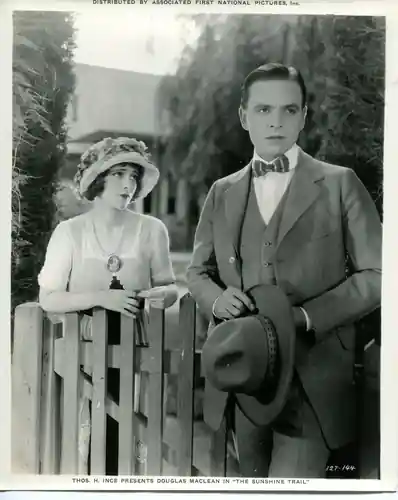
Rex Cherryman’s portrayal of Jimmy is a masterclass in restrained physicality. Devoid of spoken dialogue, he relies on a nuanced choreography of shoulders slumping, eyes darting, and a lingering stare that conveys both yearning and wounded pride. His chemistry with Edith Roberts is palpable; June’s gentle smile juxtaposed against Jimmy’s hardened façade creates a visual sonnet that resonates beyond the screen.
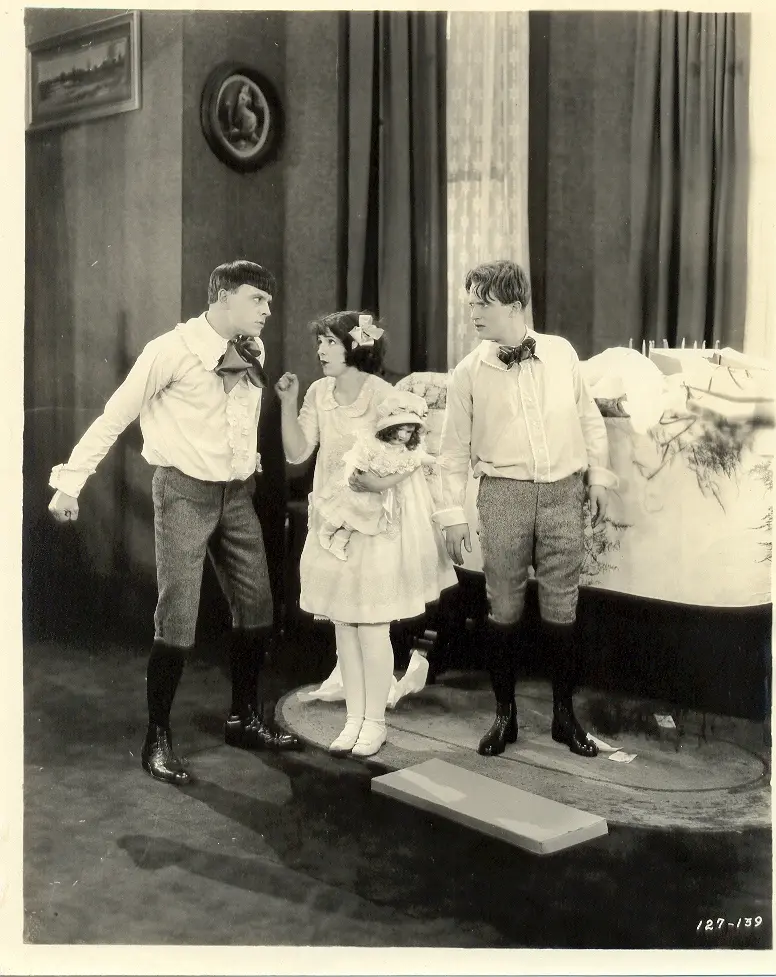
Supporting actors deliver equally compelling tableaux. William Courtright, as the town’s self‑appointed sheriff, oscillates between bureaucratic pomposity and begrudging empathy, while Josie Sedgwick’s portrayal of the town gossip provides a necessary counterpoint of melodramatic flair. The child actor, Muriel Frances Dana, imbues the alleged kidnapping subplot with an innocence that heightens the audience’s outrage at the false accusation.
Director’s choices reflect an acute awareness of the western genre’s visual lexicon. Sweeping wide shots of arid plains are intercut with claustrophobic close‑ups inside the town jail, emphasizing Jimmy’s isolation amid familiar surroundings. The cinematographer’s use of high‑contrast lighting—deep shadows against a stark, blackened backdrop—accentuates the moral chiaroscuro at play.
Production design leans heavily on authentic period artifacts: weather‑worn wooden facades, rust‑stained wagons, and a modest homestead that serves as June’s sanctuary. These details root the narrative in a tangible reality, allowing viewers to immerse themselves in a world where honor is as fragile as a tumbleweed caught in a gust.
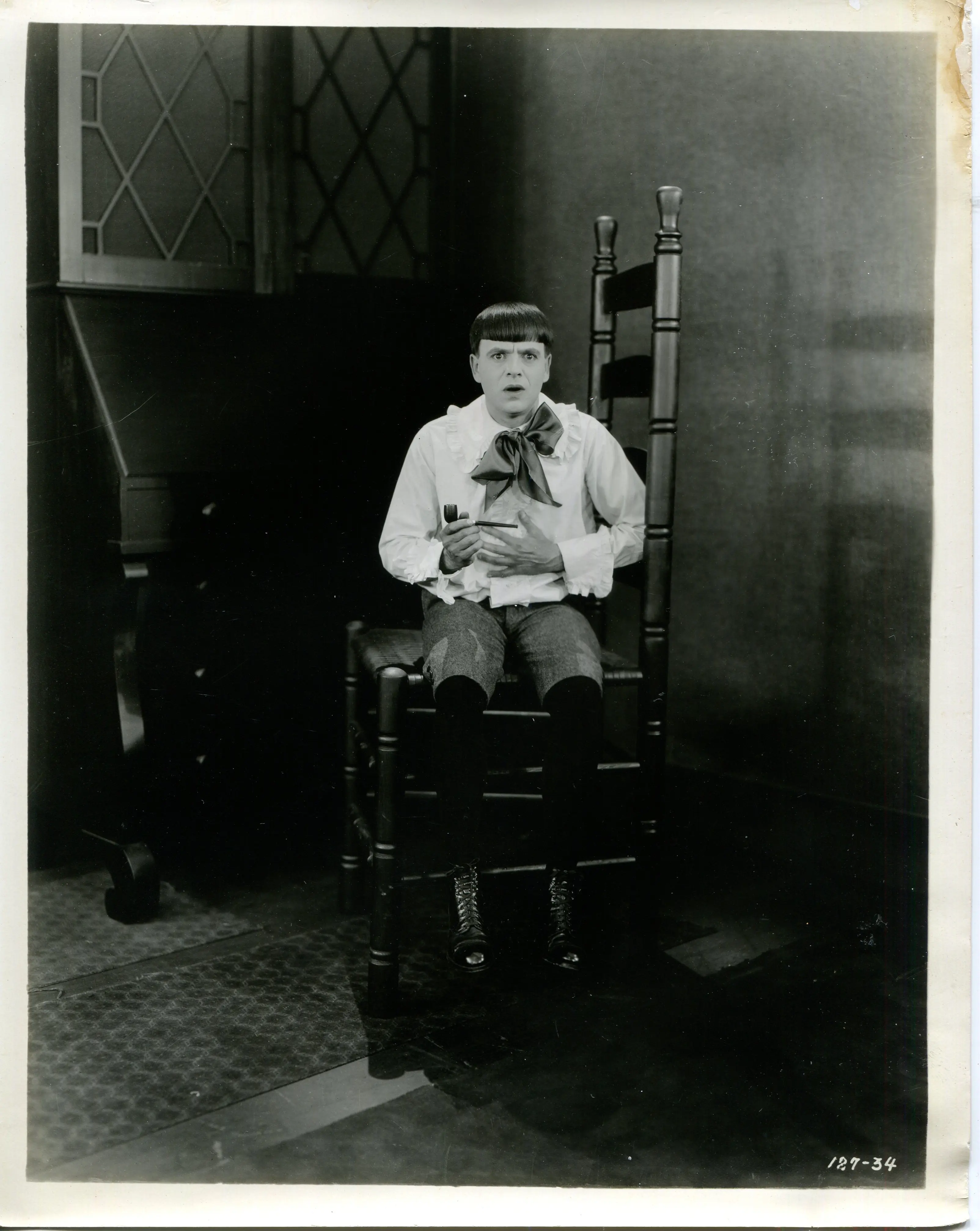
At its core, The Sunshine Trail interrogates the elasticity of identity. Jimmy’s struggle to prove his existence mirrors the broader post‑World War I anxieties of returning soldiers who found their societies reshaped beyond recognition. The recurring motif of the “sunshine trail”—a metaphorical path illuminated by hope—contrasts sharply with the town’s literal darkness, underscoring the protagonist’s inner resilience.
The film also engages with the notion of communal memory. The townspeople’s collective belief in Jimmy’s death serves as a cautionary tale about how narratives can be weaponized to serve personal gain, a theme echoed in contemporary works such as Jacques of the Silver North and The Eternal Three. The courtroom scene, with its methodical unveiling of evidence, can be read as an early cinematic forerunner to the procedural dramas that dominate modern television.
When placed beside other silent westerns of the era—such as Red Lights—The Sunshine Trail distinguishes itself through its psychological depth. While many contemporaneous titles prioritized action over introspection, this film invests in a character‑driven narrative that anticipates the morally complex westerns of the 1950s.
Moreover, the film’s treatment of false accusation and redemption finds resonance in later melodramas like He Loved Like He Lied, where protagonists grapple with societal mistrust. The thematic through‑line of a hero’s vindication underscores an enduring fascination with the redemption arc in cinema.
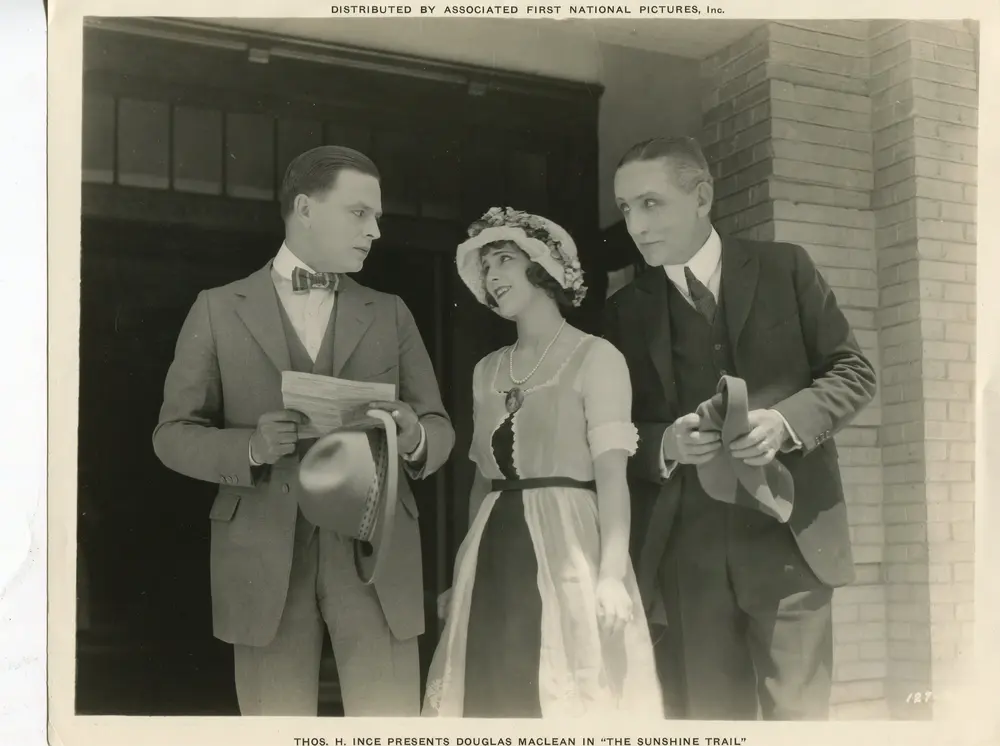
The absence of synchronized sound demands a heightened reliance on visual storytelling. Intertitles, though sparse, are meticulously crafted; each line carries weight, often employing poetic phrasing that elevates the narrative beyond mere exposition. For instance, the line “The sun may set, but the trail it leaves behind is forever bright” encapsulates the film’s central optimism without uttering a single word.
The film’s musical accompaniment—though not embedded in the print—has historically been performed live with a blend of plaintive violin and rhythmic brass, reinforcing emotional beats and amplifying tension during the courtroom showdown.
Though The Sunshine Trail has lingered in the shadows of more celebrated silent epics, its preservation offers scholars a window into early 20th‑century American anxieties. The film’s exploration of identity theft prefigures contemporary digital concerns, making its narrative surprisingly prescient.
In an era where streaming platforms resurrect forgotten gems, The Sunshine Trail stands ready for rediscovery. Its nuanced performances, visual poetics, and thematic resonance render it a compelling case study for film students and aficionados alike.
The Sunshine Trail is more than a period piece; it is a meditation on the elasticity of truth and the perseverance of the human spirit. Its deliberate pacing rewards patient viewers, while its richly textured mise‑en‑scene invites repeated viewings. For those seeking a silent western that transcends genre conventions, this film delivers a luminous experience that, much like its titular trail, guides the audience toward an unexpected sunrise.

IMDb —
1919
Community
Log in to comment.