DbcultAccessing Vault...
Cult Review
Senior Film Conservator
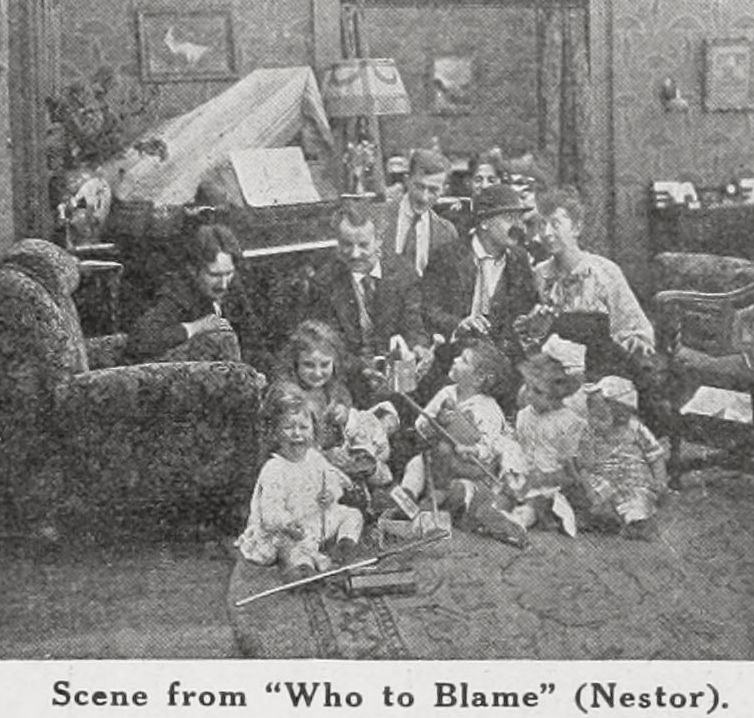
Step back in time, dear reader, to an era where the silver screen hummed with the kinetic energy of physical comedy and the expressive power of the human face. The year is 1918, a tumultuous period in global history, yet within the flickering confines of the cinema, audiences found solace and uproarious laughter. It is in this context that we encounter Who's to Blame?, a delightful silent comedy that, despite its age, still manages to tickle the funny bone with its escalating absurdities and a protagonist pushed to the very brink of comedic madness. This isn't just a film; it's a historical artifact, a vibrant snapshot of early cinematic humor, crafted with a simple premise that spirals into spectacular pandemonium.
Our story centers on the hapless Mr. Popp, portrayed with a masterful blend of earnestness and wide-eyed panic by the inimitable Milburn Morante. Popp, a man of modest aspirations, finds himself in a most unenviable position: promised a raise, yet observing the grim realities of his company’s dwindling prospects. Rather than redoubling his efforts, Popp, in a stroke of ill-conceived genius, decides to accelerate the business's demise. His logic is simple, if utterly flawed: if the company collapses, his raise becomes moot, thus saving him the indignity of a broken promise. His strategy? A leisurely approach to the workday – arriving late, departing early, a silent protest against the corporate machine. This initial premise, a subversion of the typical industrious hero, immediately sets a playful, anarchic tone for the narrative.
The first domino falls, however, in an entirely unexpected manner. One morning, as Popp ambles into his dining room, he is confronted not by the usual breakfast spread, but by a veritable ocean of baby clothes. His wife, unbeknownst to him, has been diligently crafting garments for Red Cross dollies – a noble endeavor, certainly, but one that Popp spectacularly misinterprets. The sight ignites a spark of paternal anticipation, transforming his earlier professional gloom into a bewildered, yet undeniable, joy. The irony is palpable: his attempt to sabotage his career has inadvertently led him to believe he's on the cusp of fatherhood. This initial misunderstanding is a classic comedic setup, a small snowball rolling down a mountain, gathering momentum and size with each subsequent turn of events.
The plot thickens with a telephone call from the maid, a harbinger of further domestic intrigue. She beckons Popp home, promising a 'surprise.' His heart swelling with paternal pride, Popp rushes back, envisioning a tender tableau. Instead, he is greeted by the astonishing sight of a fully formed baby, cheerfully ensconced in a carriage, smiling beatifically. The instant gratification of fatherhood, delivered seemingly overnight, is too much for Popp to contain. In a burst of unbridled, if utterly misplaced, euphoria, he summons his office colleagues to witness his miraculous progeny. It's a moment of pure, unadulterated hubris, destined for a spectacular fall. And fall it does, with a thud of comedic realization. The truth, when it lands, is a devastating blow: the baby, it turns out, is not his. His sister, it is revealed, had merely paid a visit, bringing her own infant along. The scene is a masterclass in swift emotional reversals, Morante's face shifting from beaming pride to utter bewilderment in a matter of frames. This unexpected twist, a cruel joke of fate and miscommunication, plunges Popp into a truly perplexing predicament, a comedic nightmare unfolding in broad daylight.
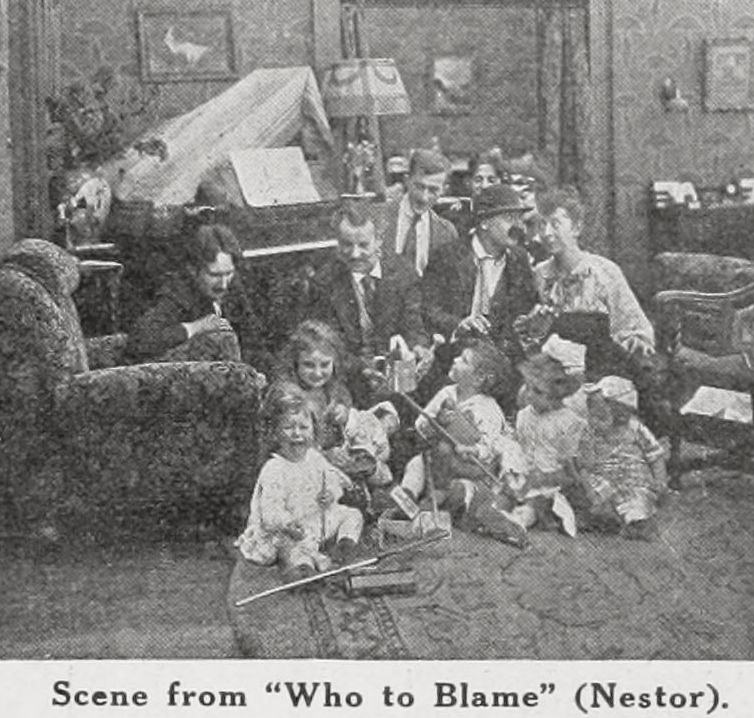
The departure of his sister and her actual baby leaves Popp and his wife in an increasingly desperate bind. With his colleagues en route, a stand-in infant is urgently required to maintain the charade. This ignites a frantic, almost slapstick, quest for a temporary baby. Their solution, born of panic and desperation, is to 'borrow' a baby from a conveniently located carriage. This act of impromptu, albeit temporary, abduction is a bold comedic stroke, elevating the farce to new heights. Just as they wheel their ill-gotten gains into the house, the office 'boys' arrive, eager to congratulate their purportedly paternal colleague. Popp, ever the showman, attempts to sell the illusion, querying with a forced smile, 'Doesn't the baby resemble its mother?' The ensuing close inspection, however, shatters the illusion entirely. The baby, to everyone's dismay, is identified as 'Jap' – a plot device of its era, intended to further fuel the comedic chaos through cultural misunderstanding and the visual incongruity for the contemporary audience. This moment, while a product of its time's sensibilities, serves to amplify Popp's escalating panic and the sheer absurdity of his predicament, highlighting the precariousness of his elaborate deception. The sky, metaphorically, breaks open as the rightful owner of the child bursts in, reclaiming her infant and leaving Popp's carefully constructed world in shambles.
Milburn Morante's performance as Mr. Popp is the beating heart of Who's to Blame?. His ability to convey a rollercoaster of emotions – from initial despondency to naive joy, then to frantic desperation and abject humiliation – without uttering a single word is a testament to his prowess as a silent film actor. Morante’s exaggerated facial expressions, his flailing limbs, and his perfectly timed physical reactions are all expertly deployed to maximize the comedic impact. He embodies the everyman caught in an impossible situation, making his plight both relatable and riotously funny. His rapid shifts in demeanor, from a man plotting corporate downfall to a bewildered pseudo-father, are executed with a precision that belies the apparent chaos. Lillian Peacock, as Mrs. Popp, provides an excellent foil, her reactions often mirroring the audience's own incredulity and concern, grounding the more outlandish actions of her husband. Billy Franey and Gale Henry, though perhaps in smaller roles, contribute to the ensemble's overall comedic synergy, their reactions to Popp's unfolding drama adding layers to the film's humorous tapestry.
Director Tom Gibson, working from his own script, demonstrates a keen understanding of silent comedy's mechanics. The pacing is brisk, propelling the narrative forward with an almost breathless urgency that complements Popp's escalating panic. Gibson utilizes classic silent film techniques to great effect: the liberal use of title cards to deliver crucial plot points and witty commentary, the reliance on visual gags, and the exaggerated gestures that were the lingua franca of the era. The cinematography, while simple by today's standards, is effective in capturing the essential performances and maintaining clarity amidst the comedic mayhem. There's a certain unpretentious charm to the production, a focus on storytelling and character that allows the humor to shine through without excessive embellishment. The film doesn't aspire to grand cinematic statements; it aims simply to entertain, and in that, it succeeds admirably.
Thematic resonance in Who's to Blame? extends beyond mere laughter. At its core, it's a satirical look at ambition, deception, and the lengths individuals will go to for financial gain. Popp's initial scheme to sabotage his business is a darkly humorous commentary on corporate disillusionment, a theme that, surprisingly, still resonates today. The subsequent web of deceit he weaves to maintain his illusion of fatherhood speaks to the societal pressures and expectations of the time. This film, in its own comedic way, explores the chaos that ensues when one's carefully constructed lies begin to unravel. While the ambition here is for a humble raise, the desperate measures Popp takes can be humorously contrasted with the much darker, more serious machinations seen in films like The Grasp of Greed, where similar drives lead to dramatically different, often tragic, outcomes. Both films, in their respective genres, dissect the human desire for advancement, but with vastly different tones.
The film's reliance on mistaken identity and escalating farce places it firmly within a comedic tradition that spans centuries, from Molière to modern sitcoms. The intricate unraveling of Popp's domestic tranquility, punctuated by the arrival of the wrong baby, shares a spiritual kinship with complex, interwoven narratives of misunderstanding, though perhaps less dramatically serious than the intricate plots found in a film like Tangled Fates. Both demonstrate how seemingly minor events can spiral into significant, life-altering complications. Even in its depiction of domestic life, albeit a chaotic one, it offers a stark contrast to the often idealized or melodramatic family portrayals of the era, such as the deeply emotional familial bonds explored in En Søns Kærlighed. Who's to Blame? finds its humor precisely in the disruption of domestic bliss, rather than its celebration.
Furthermore, the film's comedic use of the 'surprise' baby, particularly the cultural identification that follows, is a moment that, while jarring to modern sensibilities due to the dated terminology, must be viewed through the lens of its historical production. For a 1918 audience, this reveal would have been intended as a further layer of comedic incongruity and embarrassment for Popp, playing on prevalent stereotypes to heighten the farcical element of his predicament. It underscores how much humor, and societal perceptions, have evolved. When viewed against the backdrop of more serious, socio-political narratives of the era, like Berlin Via America, Who's to Blame? stands as a reminder of the diverse ways cinema engaged with its audience, offering both escapism and subtle social commentary through humor.
Ultimately, the resolution of Popp's plight is as absurdly charming as the journey itself. Faced with total exposure and the potential loss of his raise, he executes a final, desperate, and surprisingly wholesome gambit: he adopts an entire orphan asylum. This grand gesture, while utterly outlandish, provides a satisfying, if unconventional, comedic closure. It's a whimsical twist that reinforces the film's lighthearted spirit, ensuring that Popp, despite his earlier deceptions, achieves his goal through an act of genuine, albeit forced, benevolence. It's a testament to the film's commitment to maintaining a tone of jovial chaos right up to the final frame.
In conclusion, Who's to Blame? stands as a delightful, if somewhat forgotten, gem of early silent comedy. It may lack the grand scale of an epic like The End of the World or the dramatic intensity of Il mistero di Galatea, but its strength lies in its unpretentious commitment to pure, unadulterated entertainment. Milburn Morante's energetic performance anchors a narrative that, despite its period-specific humor, retains a timeless appeal in its portrayal of human foibles and the chaotic consequences of simple misunderstandings. It is a testament to the enduring power of physical comedy and a charming reminder of cinema's earliest efforts to make us laugh. For enthusiasts of silent film and comedic history, this movie is a fascinating and thoroughly enjoyable experience, proving that sometimes, the most complex problems can be solved with the most delightfully absurd solutions.
IMDb —
1918
Community
Log in to comment.