DbcultAccessing Vault...
4.9/10
Senior Film Conservator
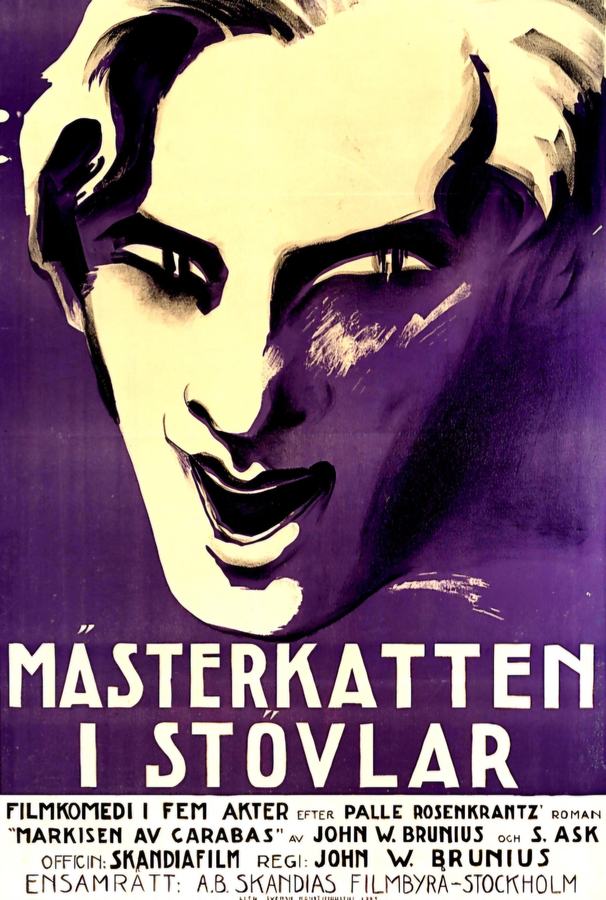
A definitive 4.9/10 rating for a film that redefined the boundaries of cult cinema. Mästerkatten i stövlar remains a cornerstone of transgressive art.
Stepping into the spectral glow of early Swedish cinema, one encounters Mästerkatten i stövlar, a film that, despite its whimsical title, delves into the somber realities of inherited burden and the machinations required to preserve a crumbling legacy. Released in 1918, during a period of profound artistic ferment within Nordic filmmaking, this picture, directed by the esteemed John W. Brunius (who also contributed to the screenplay alongside Sam Ask and Palle Rosenkrantz), offers a fascinating glimpse into the era's narrative sophistication and character complexity. It’s a work that, while not as widely celebrated as some of its contemporaries, possesses a quiet gravitas and an intriguing premise that warrants a closer examination.
The narrative centers on Jörgen Steenfeld, portrayed with a poignant vulnerability by Palle Brunius, a young man thrust into the unenviable position of inheriting the ancestral estate of Steensgaard. However, this inheritance is less a boon and more a millstone, as the estate's finances are in a state of catastrophic disarray. Jörgen, lacking the shrewdness or perhaps the ruthlessness required for such fiscal salvaging, finds himself adrift in a sea of red ink. His plight is observed, and subsequently, actively managed by an old friend, the titular "Mästerkatten" – a character whose very nom de guerre evokes a sense of calculated strategy and perhaps a touch of the fantastical. This enigmatic figure, brought to life with a compelling blend of charm and cunning by Gustaf Bengtsson, becomes Jörgen's unlikely mentor, orchestrating a series of events designed to restore solvency to Steensgaard and, by extension, dignity to the Steenfeld name.
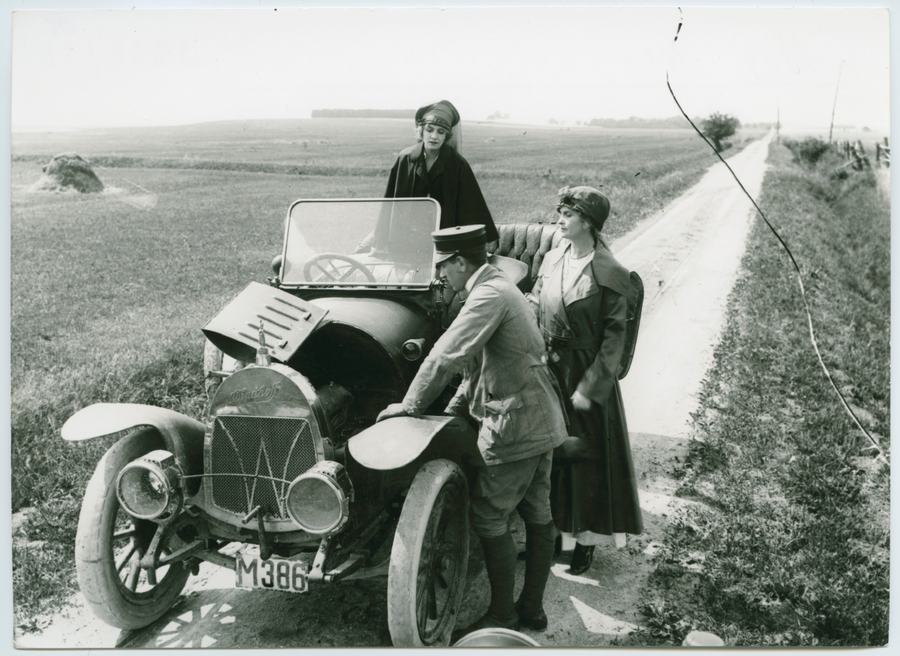
The film's strength lies in its nuanced exploration of this central relationship. Mästerkatten is not simply a benevolent helper; his methods are often unorthodox, bordering on manipulative, yet seemingly always with Jörgen’s ultimate welfare in mind. This moral ambiguity imbues the character with a depth that transcends simple archetypes. One might draw parallels to the complex mentor-protégé dynamics seen in works like Spiritisten, where elements of illusion and control are central to the narrative’s unfolding. However, where Spiritisten leans into the supernatural, Mästerkatten i stövlar grounds its machinations in the very real, if often absurd, world of social maneuvering and financial engineering.
The visual language of the film is remarkably sophisticated for its time. Director Brunius, known for his meticulous attention to detail, employs striking compositions and atmospheric lighting to underscore the emotional states of his characters and the dilapidated grandeur of Steensgaard. The contrast between the faded opulence of the estate and the vibrant, almost theatrical energy of Mästerkatten’s schemes is visually arresting. Cinematographer Einar Bruun masterfully captures the chiaroscuro effect, often bathing interior scenes in a melancholic gloom that speaks volumes about Jörgen’s despair, punctuated by moments of bright, strategic clarity when Mästerkatten is at work. This visual storytelling elevates the simple plot into something far more evocative, a testament to the artistic ambitions of Swedish silent cinema.
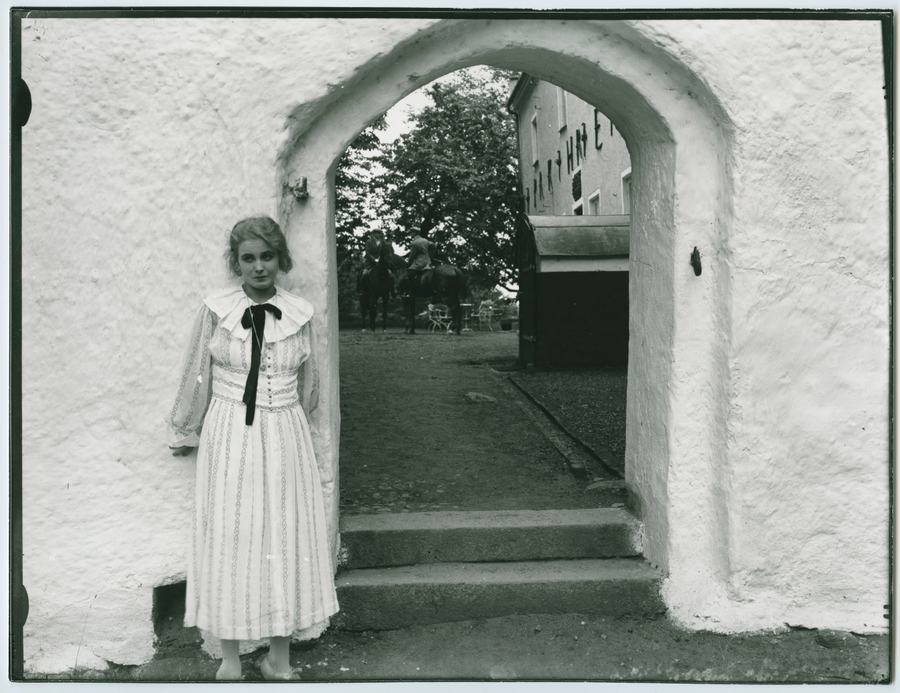
The supporting cast further enriches the tapestry of the narrative. Mary Johnson, a luminous presence in early Swedish film, likely embodies a character who represents either a romantic interest for Jörgen or a societal expectation he must fulfill, her performance adding a layer of emotional resonance to the otherwise pragmatic struggle for solvency. The presence of Gösta Ekman, even in what might have been a smaller role, is a significant draw, his magnetic screen presence always capable of elevating any scene. One can imagine him delivering a performance with characteristic intensity, whether as a rival suitor, a skeptical observer, or perhaps an unwitting pawn in Mästerkatten's grand design. His involvement, alongside other stalwarts like Gustaf Fredrikson and Justus Hagman, speaks to the caliber of talent assembled for this production.
The screenplay, crafted by the collective genius of Sam Ask, Palle Rosenkrantz, and John W. Brunius, demonstrates a keen understanding of dramatic pacing and character development. They infuse the narrative with moments of tension, humor, and genuine pathos, ensuring that the audience remains invested in Jörgen’s fate. The dialogue, though conveyed through intertitles, would have been sharp and purposeful, reflecting the wit and strategic thinking of Mästerkatten, as well as the more earnest, sometimes naive, pronouncements of Jörgen. The writers skillfully navigate the complexities of financial ruin and social climbing, themes that resonate just as powerfully today as they did a century ago. One could argue that the film prefigures the intricate social critiques seen in later European cinema, focusing on the pressures of maintaining appearances and wealth, a theme also subtly present in films like The Lady of the Photograph, albeit through a different lens of personal identity and public perception.
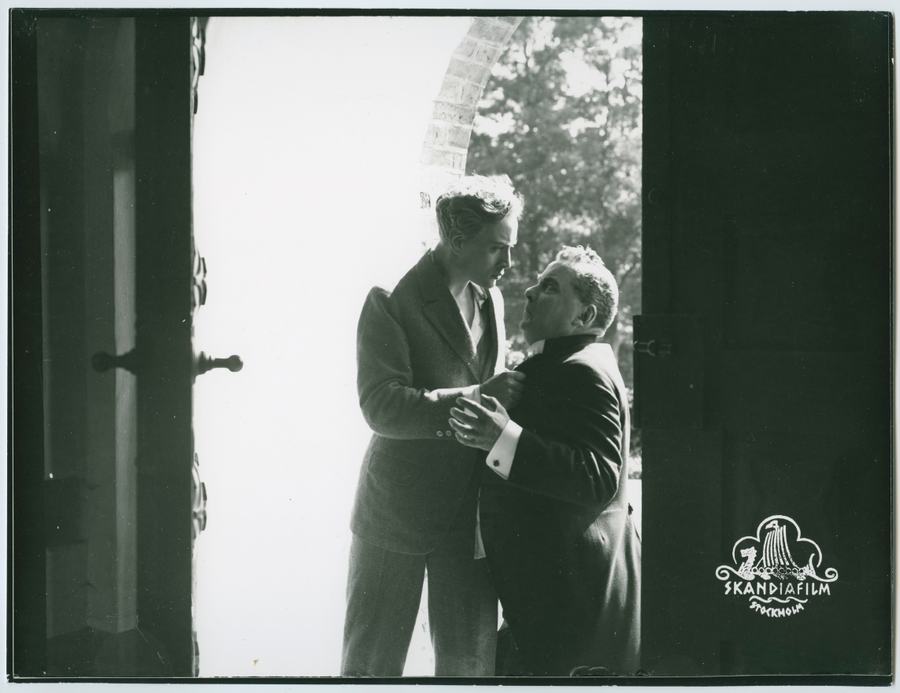
The broader ensemble cast, featuring names like Carl Johannesson, Carl Schenstrøm, Anna Carlsten, Hugo Jacobson, Karl Gerhard, Märtha Lindlöf, and Carlo Keil-Möller, would have contributed to the rich tapestry of Steensgaard's world, populating the estate with a diverse array of characters – perhaps skeptical relatives, gossiping servants, or avaricious creditors – each adding a layer of realism and dramatic potential. Their collective presence helps to flesh out the societal context in which Jörgen and Mästerkatten operate, highlighting the numerous obstacles and stakeholders involved in the estate's resurrection.
The film's thematic resonance extends beyond mere financial recovery. It speaks to the enduring power of ingenuity, the sometimes-dubious ethics of survival, and the profound influence of mentorship. Mästerkatten, in many ways, embodies the cunning folk hero, a figure who operates outside conventional morality to achieve a greater, albeit self-serving, good. This archetype echoes through various cultures and narratives, from trickster figures to the more sophisticated manipulators of power. His strategies often involve a carefully constructed illusion, a facade designed to impress and deceive, a tactic not dissimilar to the carefully curated image in The Sentimental Lady, where perception often trumps reality.
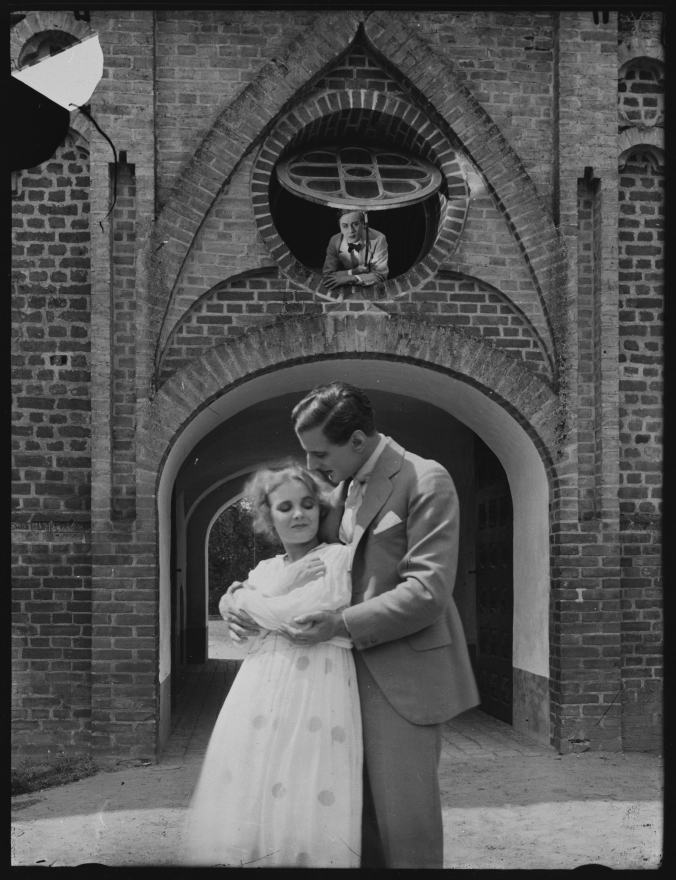
One cannot overlook the historical context of its production. 1918 was a pivotal year, with the world still reeling from the Great War and the Spanish Flu pandemic. While Mästerkatten i stövlar doesn't directly address these global upheavals, the underlying anxieties about stability, inheritance, and the future would have resonated deeply with contemporary audiences. The struggle to maintain an estate, a symbol of old-world order, against modern financial pressures, could be seen as an allegory for society's own attempts to navigate a rapidly changing landscape. This subtext adds another layer of interpretive depth to the film, elevating it beyond a simple story of financial woes.
The film's pacing, while deliberate, is never languid. Brunius understood the mechanics of silent storytelling, using expressive acting, dramatic intertitles, and dynamic editing to keep the audience engaged. The tension builds incrementally, with each of Mästerkatten's schemes presenting a new challenge and a new opportunity for Jörgen to either rise to the occasion or falter. The stakes are always clear: the financial ruination of a family, the loss of a heritage. This constant pressure provides a compelling dramatic engine, ensuring that the narrative propulsion remains strong throughout its runtime. This focused drive contrasts with the broader societal canvases often painted in films like The Lure of New York, which explored the vastness of urban opportunity and peril, yet both share a common thread of characters navigating treacherous environments to secure their future.
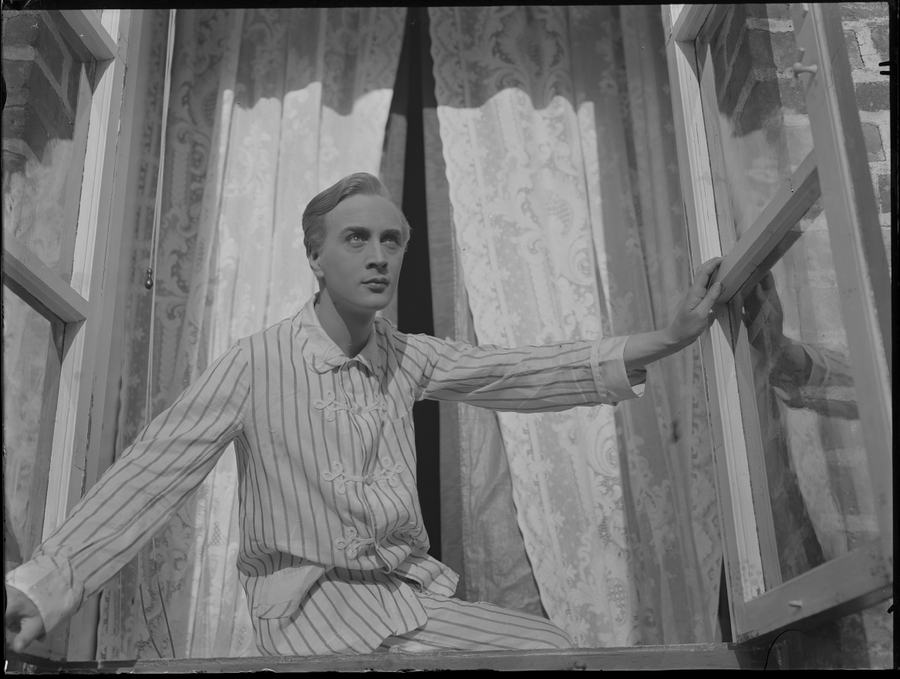
The performances are, naturally, central to the film's success. Palle Brunius, as Jörgen, conveys a believable arc from despondent heir to a more capable, perhaps even cunning, individual under Mästerkatten’s influence. His transformation is subtle, reflecting the gradual absorption of his mentor's pragmatic worldview. Gustaf Bengtsson, as Mästerkatten, is the undeniable linchpin, embodying the character with an almost feline grace and intelligence. His expressions, even without spoken dialogue, communicate volumes – a raised eyebrow, a knowing smirk, a calculating gaze – all contribute to the mystique and effectiveness of his character. Their interplay is a masterclass in silent film acting, relying on exaggerated yet precise gestures and facial expressions to convey complex emotions and intentions.
In conclusion, Mästerkatten i stövlar stands as a testament to the sophisticated filmmaking of early 20th-century Sweden. It is a film that marries a compelling narrative with strong performances, innovative cinematography, and thematic depth. While it may not possess the immediate grandeur of a historical epic or the stark realism of a social drama, its intimate portrayal of a family's struggle for survival, guided by an enigmatic and morally ambiguous mentor, ensures its lasting relevance. It offers a rich viewing experience for anyone interested in the foundational works of cinema, demonstrating how even a seemingly simple plot can be imbued with profound meaning and intricate character studies. The film reminds us that sometimes, salvation comes not from conventional heroes, but from those who, like a clever cat in boots, know how to play the long game, navigate the shadows, and, ultimately, secure their master's fortune through wit and guile. Its legacy, though perhaps understated, is undeniably significant, a quiet triumph in the annals of cinematic history.
IMDb —
1925
Community
Log in to comment.