DbcultAccessing Vault...
5.7/10
Senior Film Conservator
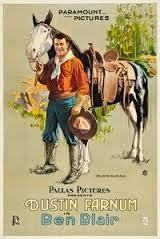
A definitive 5.7/10 rating for a film that redefined the boundaries of cult cinema. Ben Blair remains a cornerstone of transgressive art.
Stepping back into the cinematic landscape of the early 20th century, one encounters films like Ben Blair, a silent Western drama that, even over a century later, manages to resonate with a raw, almost primal energy. Released in 1916, this Julia Crawford Ivers and William Otis Lillibridge penned narrative, brought to life by the commanding presence of Dustin Farnum, is more than just a period piece; it’s a vivid exploration of human impulses – love, revenge, loyalty, and the relentless pursuit of a desired future, all set against the unforgiving backdrop of the American frontier.
The film plunges us headfirst into a tumultuous domestic upheaval. A young woman, yearning for a life beyond the confines of her rancher husband's domain, makes a choice that irrevocably alters the course of her son, Ben's, destiny. Her flight leads her and young Ben into the orbit of Tom Blair, a figure of intoxicating danger and instability. Blair, a man defined by his drunken excesses, raises Ben as his own, imbuing the boy with a certain rugged independence, yet also exposing him to a life devoid of true stability or moral compass. It's a formative period, shaping Ben into a man who understands the harsh realities of survival, but also one burdened by a deep-seated vulnerability.
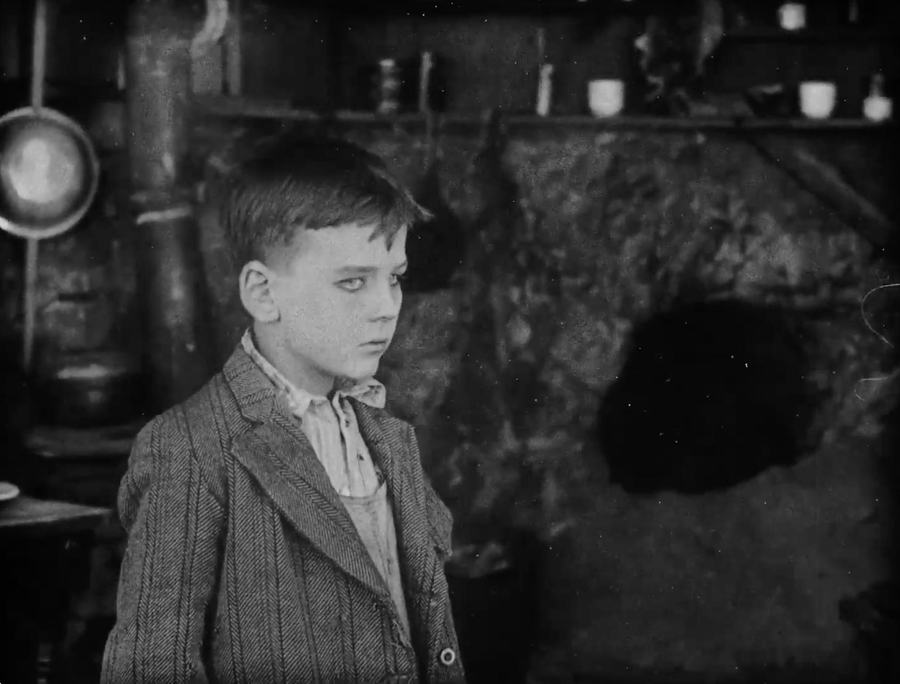
The narrative takes a dark turn when Tom Blair's inherent violence culminates in the tragic death of Ben's mother. This event is the film's true catalyst, igniting a slow-burning fuse of revenge within the young Ben. It's a moment that rips away any vestige of a surrogate family and forces him back to his biological father, a man who, presumably, represents a more ordered, if perhaps less passionate, existence. This return is not merely a geographical shift but a profound psychological one, a re-engagement with a past he was torn from, and an introduction to a future he must now forge with the weight of his mother's memory and the thirst for retribution heavy on his soul.
Dustin Farnum, a prominent star of the era, embodies Ben Blair with a captivating blend of rugged stoicism and simmering intensity. His portrayal of a man shaped by hardship and driven by powerful, often conflicting, emotions is central to the film's appeal. Farnum, known for his Western roles, brings an authenticity to the character that transcends the limitations of silent cinema, conveying complex inner turmoil through subtle gestures and expressive eyes. His performance is a testament to the power of non-verbal acting, a masterclass in conveying depth without dialogue.
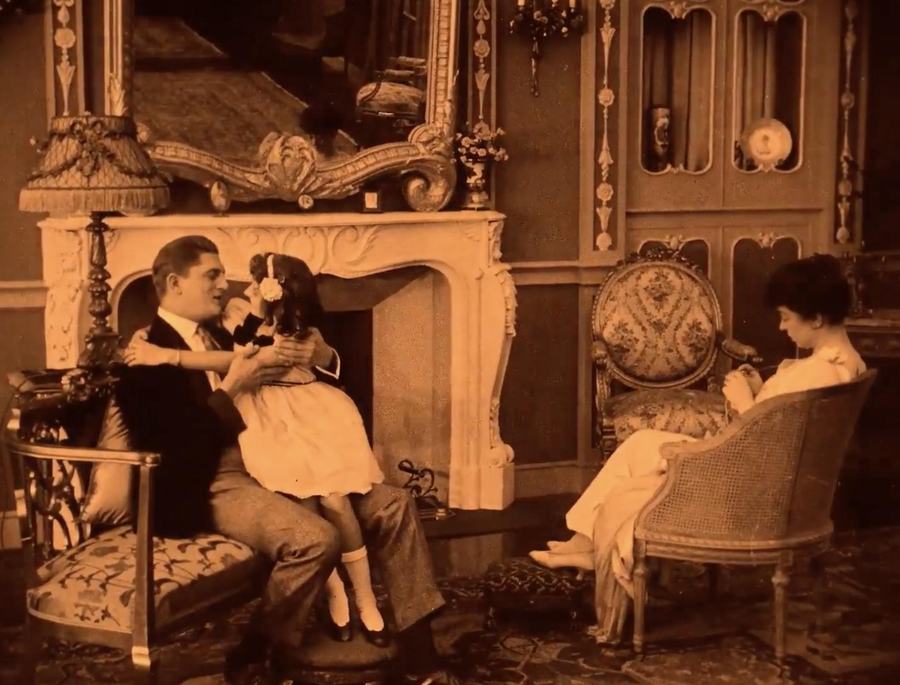
Upon his return, Ben encounters Florence Winthrop, portrayed by Winifred Kingston, who becomes the focal point of his romantic aspirations. Florence is not merely a damsel in distress; she represents a beacon of refinement and a path towards a different kind of life, one potentially free from the cycle of violence that has defined Ben's past. Their burgeoning relationship provides a vital counterpoint to the film's darker themes of vengeance and loss. It’s a classic Western trope: the hardened man softened by the love of a good woman, yet Ben Blair complicates this by showing Ben's inability to fully escape his past, even in the throes of new love.
The script, crafted by Julia Crawford Ivers and William Otis Lillibridge, deftly navigates the intricate emotional landscape of Ben's journey. Ivers, a pioneering female writer and director in early Hollywood, demonstrates a keen understanding of character psychology and narrative propulsion. The film's structure, moving from childhood trauma to adult reckoning, is a masterclass in building dramatic tension, allowing the audience to witness Ben's transformation from a vulnerable boy to a determined man. The motivations, while sometimes melodramatic by modern standards, are deeply human and relatable within the context of the era's storytelling conventions. This era of filmmaking often explored grand, operatic emotions, and Ben Blair is no exception, delivering a powerful emotional punch.
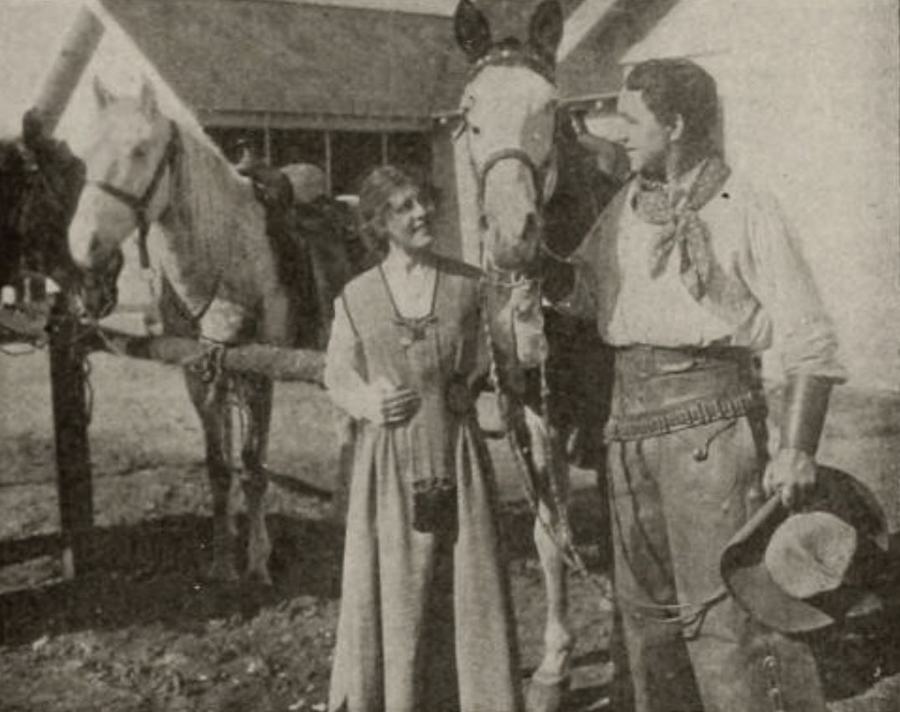
Ben's quest for revenge against Tom Blair (Lamar Johnstone, who delivers a suitably menacing performance) is the film's central dramatic engine. When he finally exacts his retribution, killing Tom, it's a moment of catharsis, but also one of profound consequence. This act, while perhaps justified in the rugged moral code of the frontier, shatters the fragile bond he had begun to forge with Florence. Her decision to leave the West and seek a new life in the East underscores the profound chasm between Ben's violent world and her desire for peace and stability. This theme of a woman seeking to escape a man's violent world is echoed in films like The Sporting Duchess, where societal pressures and personal choices often pull characters in opposing directions.
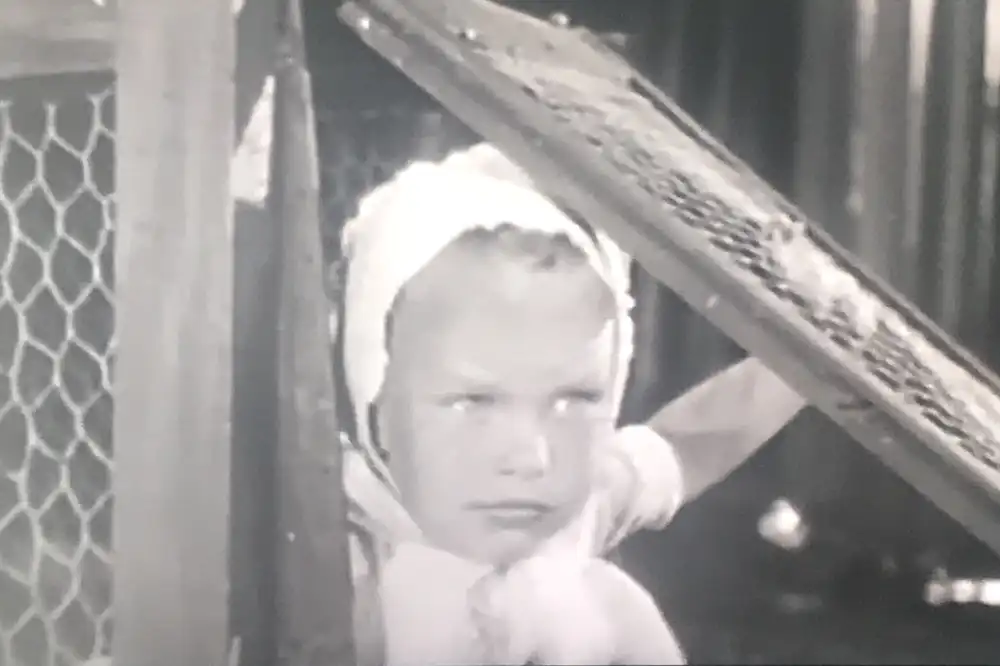
The supporting cast, including Herbert Standing, Frank A. Bonn, Virginia Foltz, and Gordon Griffith as young Ben, all contribute to the film's rich tapestry. Each character, however briefly on screen, adds a layer to Ben's complex journey, highlighting the various influences and challenges he faces. The silent film era demanded a heightened sense of theatricality, and these actors, through their expressions and body language, successfully convey their characters' inner lives without uttering a single word.
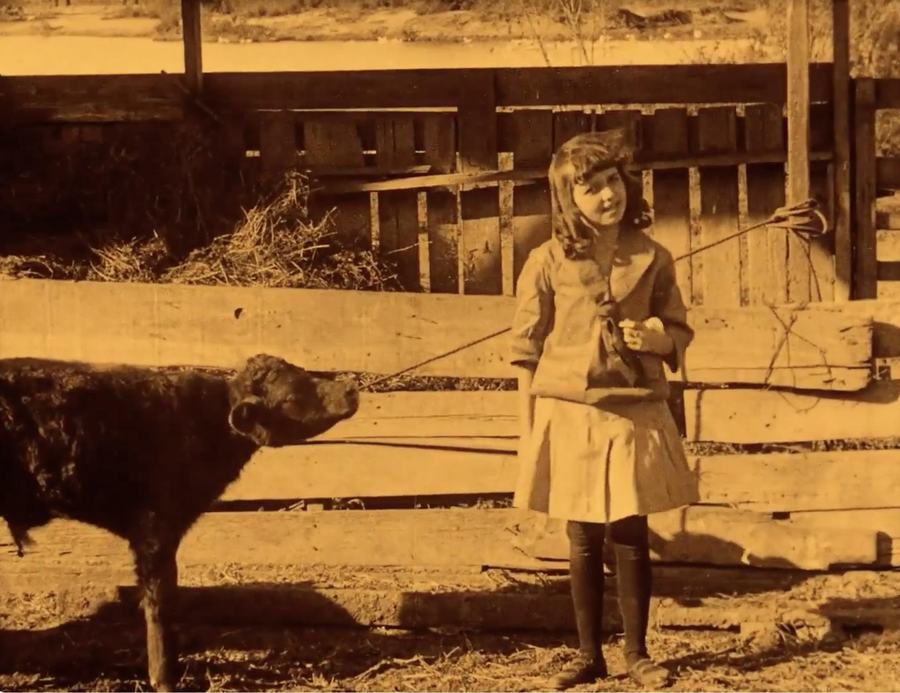
The film's climax is a bold, audacious move that sets it apart. News of Florence's engagement in the East sends Ben into a furious pursuit. This is not a gentle wooing; it's a primal, almost desperate act of claiming. He confronts her with an ultimatum: return to him, or he will kill her fiancé. This is a moment that challenges modern sensibilities, portraying a possessive, almost tyrannical love. However, within the context of early cinema, and particularly the Western genre, it speaks to a kind of raw, untamed passion that defies societal norms. It's a love that is fierce, uncompromising, and utterly convinced of its own righteousness, even if it borders on coercion.
"Florence's initial resentment, a natural human reaction to such a demand, gradually gives way to a profound realization. It’s not merely fear, but a dawning recognition of her own deep-seated love for Ben, a love that perhaps she had tried to suppress or deny. This emotional journey, from rejection to acceptance, is a testament to the film's ability to explore the complexities of human relationships, even within the seemingly simplistic framework of a silent Western."
The resolution, with Florence choosing to return West with Ben, is not simply a triumph of male will, but a nuanced exploration of love's power to transcend conventional boundaries. It suggests that her love for him is as untamed and unyielding as his own, a recognition of a shared destiny that cannot be denied by distance or societal expectations. This echoes the intense, often morally ambiguous romantic entanglements found in other period dramas, where characters are driven by overwhelming desires, similar to the passionate sacrifices seen in The Manxman, where love and loyalty are tested to their limits.
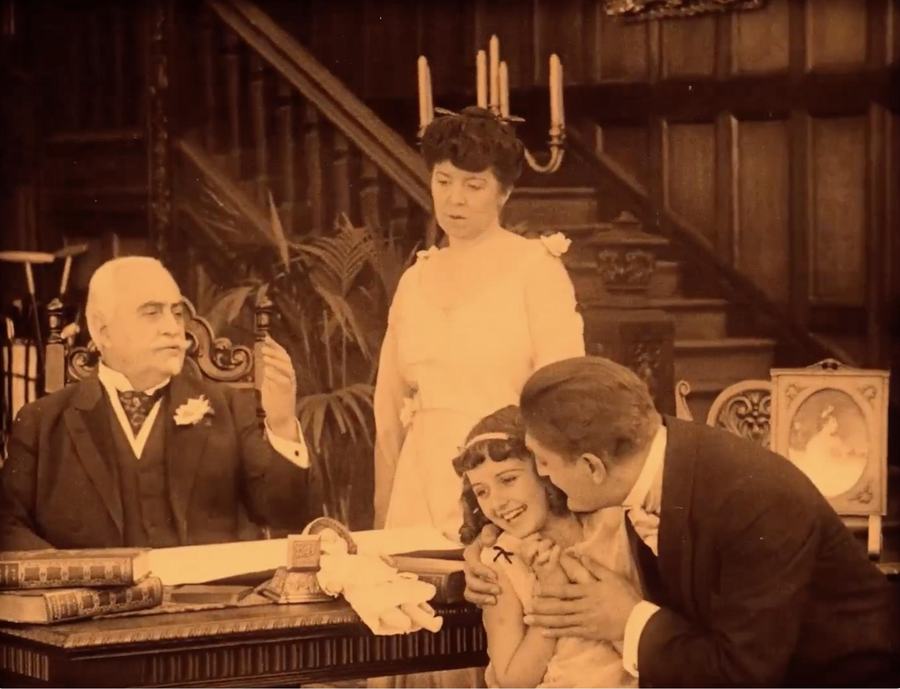
Ben Blair, while a product of its time, touches upon universal themes that continue to resonate. The cycle of violence and its impact on individuals, the struggle for identity, the redemptive power of love, and the pursuit of justice (even if self-administered) are all explored with remarkable depth. The film's portrayal of the American West is not merely a scenic backdrop but an active participant in the characters' lives, shaping their destinies and mirroring their rugged individualism. This raw depiction of the frontier as a place of both opportunity and peril is a hallmark of the genre, reminiscent of the struggles for survival and self-definition seen in films like The Immigrant, albeit with different cultural contexts.
The stylistic conventions of silent cinema are fully embraced here. The use of intertitles for dialogue and exposition, the dramatic lighting, and the exaggerated, yet effective, performances all contribute to an immersive experience. For contemporary viewers, it offers a fascinating glimpse into the nascent stages of cinematic storytelling, where visual narrative was paramount. The pacing, while slower than modern films, allows for a deeper contemplation of the characters' emotional states and the unfolding drama.
When considering Ben Blair within the broader cinematic landscape of its time, one can draw parallels with other films that explored similar themes of moral complexity and character-driven drama. The internal conflict faced by Ben, torn between his vengeful past and his longing for a future with Florence, echoes the moral quandaries presented in films like The Blindness of Virtue, where characters grapple with societal expectations and personal desires. The raw, almost brutal force of Ben's love and his pursuit of Florence also find a distant cousin in the passionate, often obsessive romantic narratives prevalent in films such as La loca del monasterio, although the cultural and religious contexts differ significantly. The Western genre itself was evolving rapidly, and Ben Blair contributes to this evolution by presenting a protagonist who is both hero and anti-hero, driven by impulses that are not always noble, but undeniably human. The rough-and-tumble justice and the strong male relationships, or conflicts, are also reminiscent of other Westerns of the era, such as Two Men of Sandy Bar, which often depicted the challenges of forging a life in a land where law was often secondary to personal code.
The film's exploration of a woman's agency, or lack thereof, in a patriarchal society is also a recurring motif in early cinema. Florence's initial departure and later return, while framed as a choice, is heavily influenced by Ben's overwhelming presence. This dynamic, where female characters navigate complex romantic and social pressures, can be seen in various forms across the silent era, sometimes with more autonomy, sometimes with less. The sheer determination of Ben to reclaim what he believes is his own, regardless of the consequences, also speaks to a broader cinematic fascination with strong-willed, almost indomitable protagonists, a trait visible in many adventure and dramatic films of the period.
Ultimately, Ben Blair stands as a compelling example of silent era filmmaking. It’s a robust Western drama that doesn't shy away from the darker aspects of human nature, yet ultimately champions a powerful, albeit unconventional, vision of love and commitment. Dustin Farnum's central performance anchors the film, making Ben a memorable figure whose journey is both tragic and triumphant. For those interested in the evolution of cinema, the Western genre, or simply a story of passionate pursuit and hard-won love, Ben Blair offers a rich and rewarding experience, proving that even without spoken dialogue, a film can tell a story with profound emotional resonance and enduring power. It reminds us that the foundational elements of compelling storytelling – character, conflict, and resolution – have remained constant, even as the medium itself has transformed dramatically over the decades.
IMDb 5.9
1923
Community
Log in to comment.