DbcultAccessing Vault...
6/10
Senior Film Conservator
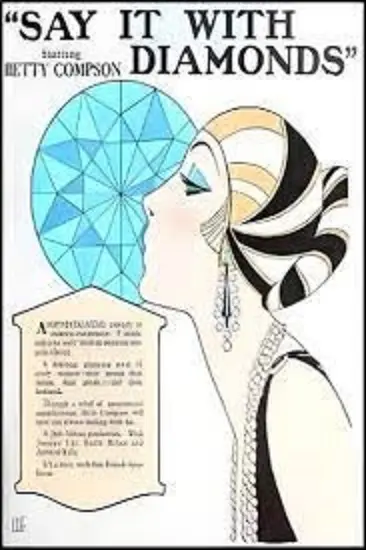
A definitive 6/10 rating for a film that redefined the boundaries of cult cinema. Say It with Diamonds remains a cornerstone of transgressive art.
Is Say It with Diamonds worth watching today? Short answer: yes, but with significant caveats. This 1923 silent drama, while undeniably a product of its time, offers a surprisingly potent, if somewhat simplistic, exploration of moral compromise and the allure of material wealth. It's a film that resonates not through its groundbreaking innovation, but through its earnest portrayal of human dilemma, delivering a narrative that, for all its vintage trappings, still speaks to enduring themes.
This film is unequivocally for silent film aficionados, those with a keen interest in early 20th-century social commentary, and anyone curious about the foundational performances of actors like Betty Compson. It is decidedly not for viewers seeking fast-paced action, complex psychological narratives, or modern cinematic sensibilities. Approach it as a historical artifact, a piece of cinematic archaeology, and you might find its luster.
Leon Lee's script for Say It with Diamonds, while adhering to many silent era conventions, attempts to craft a tale that transcends mere melodrama. It presents a world where material possessions are not just symbols of status, but instruments of power and manipulation. The central conflict, revolving around a young woman's entanglement with a wealthy admirer and his lavish gifts, including the titular diamonds, feels both timeless and deeply rooted in the social anxieties of the Roaring Twenties.
The film's strength lies in its ability to manifest abstract concepts like temptation and integrity through tangible objects. The diamonds themselves become almost a character, their sparkle masking a moral murkiness that our protagonist must navigate. It’s a simple, yet effective, narrative device that allows the audience to immediately grasp the stakes.
The character arcs, while broad strokes, are nonetheless compelling within the framework of silent cinema. There’s a clear delineation between the genuine and the superficial, a dichotomy that the film leans into with unwavering conviction. This clarity, while sometimes bordering on heavy-handed, ensures the thematic message is never lost amidst the dramatic flourishes.
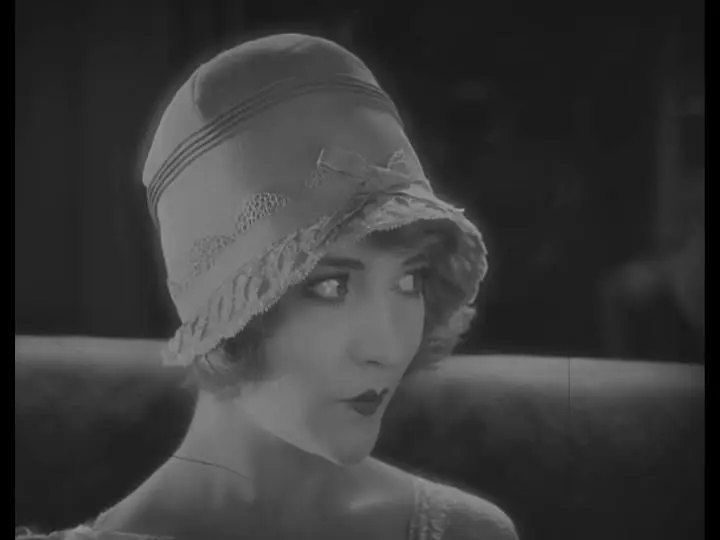
Betty Compson, a prolific actress of the silent screen, anchors Say It with Diamonds with a performance that is both expressive and nuanced for its time. Her portrayal of a woman caught between desire and dignity is particularly strong. Compson has a remarkable ability to convey internal conflict through subtle facial expressions and body language, a skill paramount in an era without spoken dialogue.
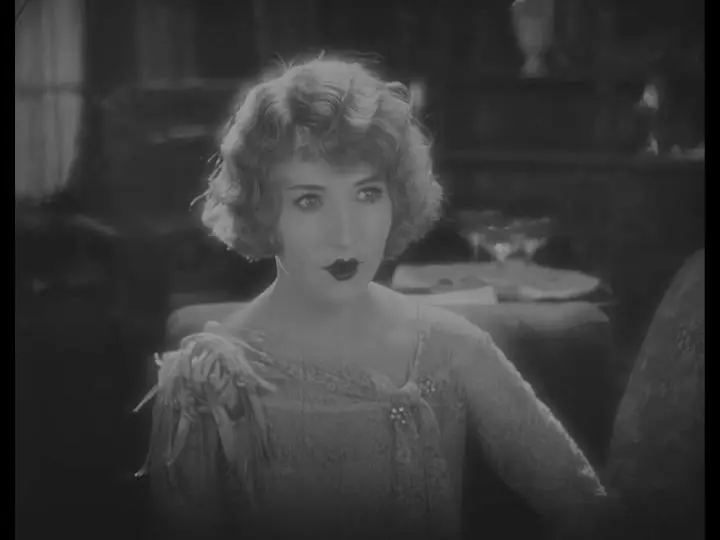
There's a scene, early in the film, where her character first receives the diamond necklace. Her initial awe quickly shifts to a flicker of unease, a barely perceptible tightening around her eyes, suggesting she understands the implicit cost of such a gift. It's a moment that speaks volumes without a single intertitle, showcasing Compson's command of the silent screen medium. Compare this to her more overtly theatrical work in The Bluffer, and you see her range.
Earle Williams, playing the earnest suitor, embodies the stoic, honorable archetype prevalent in many silent dramas. While his performance is less overtly dramatic than Compson's, he provides a necessary moral counterpoint. His struggle to articulate his love, often through gestures of quiet devotion rather than grand displays, feels genuinely heartfelt. It's a performance that, while not flashy, grounds the film in relatable human emotion.
Armand Kaliz, as the wealthy benefactor, delivers a suitably suave and subtly menacing portrayal. He avoids the cartoonish villainy sometimes seen in films of this period, opting instead for a charm that makes his underlying intentions all the more insidious. His character’s smooth confidence and predatory gaze are chillingly effective, making him a compelling antagonist.
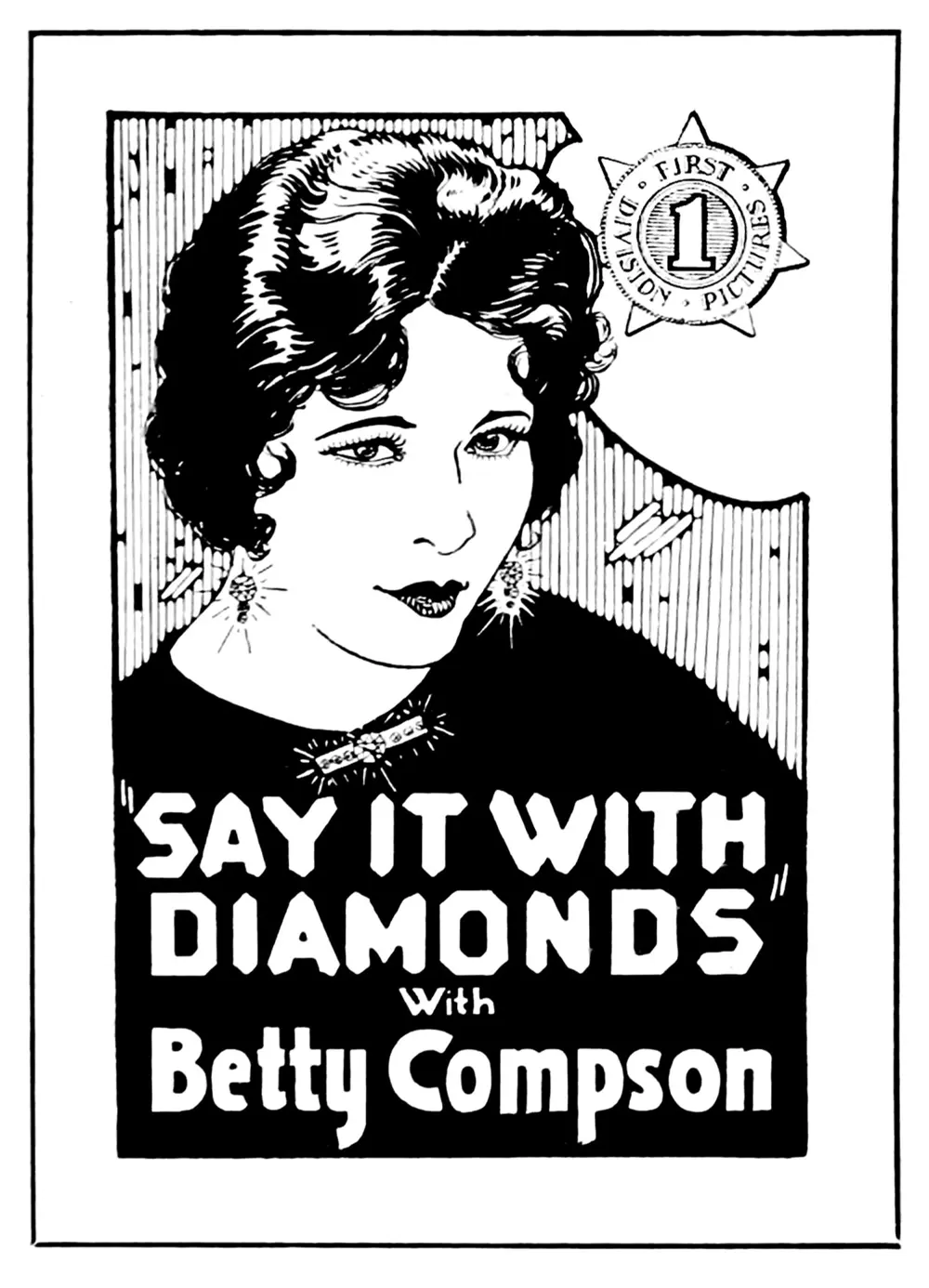
The supporting cast, including Betty Baker and Jocelyn Lee, fulfill their roles adequately, contributing to the overall ensemble without drawing undue attention. Their performances, while not as central, help to flesh out the world and reactions around the main trio, adding depth to the narrative’s emotional landscape.
The direction in Say It with Diamonds, while not groundbreaking, is competent and serves the story well. The film utilizes classic silent film techniques such as close-ups to emphasize emotional states and long shots to establish setting and social dynamics. There's a particular sequence contrasting the opulence of the benefactor's mansion with the modest surroundings of the protagonist's home that effectively highlights the chasm between their worlds.
The cinematography, while not reaching the artistic heights of a Murnau or a Griffith, is nevertheless effective. Lighting is used to good effect, especially in scenes involving the diamonds themselves. The way the light catches the facets, making them sparkle on screen, is not just visually appealing but underscores their symbolic weight. Shadows are occasionally employed to create a sense of foreboding or mystery, a subtle but appreciated touch.
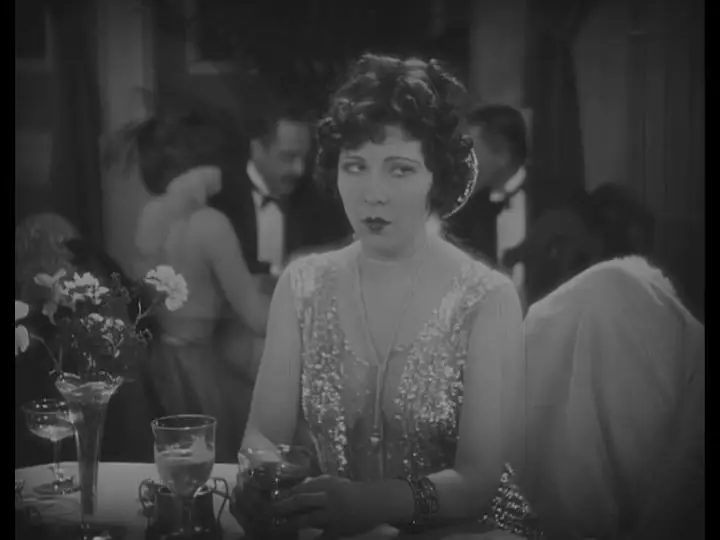
Pacing is generally consistent with films of the era, building slowly to its dramatic confrontations. There are moments where modern audiences might find the rhythm a little languid, but it allows for a deeper immersion into the characters' emotional states. The film understands the power of a lingering shot, letting the audience absorb the implications of a gesture or a gaze. This deliberate pacing is a hallmark of many silent films, including perhaps more ambitious works like Shadows from the same period.
The tone is largely earnest and moralistic, typical of the period's melodramas. It aims to evoke sympathy for its protagonist and clear condemnation for those who would exploit her. While this can sometimes feel a little heavy-handed, it's consistent with the film's thematic goals. It’s a straightforward moral tale, told with conviction.
If you are a student of film history or have a genuine appreciation for the silent era, then yes, Say It with Diamonds absolutely merits your time. It provides valuable insight into the narrative conventions, acting styles, and moral preoccupations of 1920s cinema. Betty Compson's performance alone is a masterclass in non-verbal storytelling.
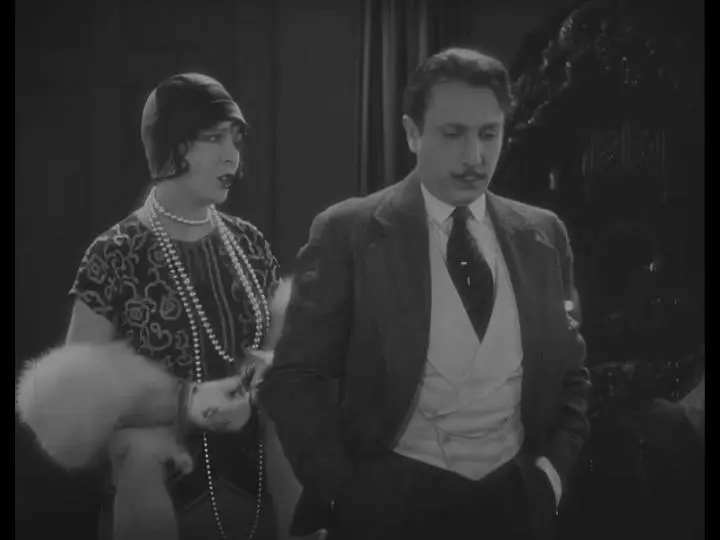
However, for the casual viewer accustomed to contemporary storytelling, the film's deliberate pace and reliance on intertitles might prove challenging. It requires patience and a willingness to engage with a different mode of cinematic expression. It's not a film that will grab you by the throat with spectacle, but rather one that gently pulls you into its world of quiet drama.
This film works because its central conflict is universally relatable: the struggle between integrity and temptation. It fails because its narrative predictability and occasional over-reliance on melodramatic tropes prevent it from truly soaring. You should watch it if you appreciate the historical significance of early cinema and enjoy nuanced silent performances.
"Say It with Diamonds is more than just a period piece; it's a window into the moral anxieties of a society grappling with rapid change and new definitions of success. Its message, while delivered through a quaint lens, remains strikingly relevant."
One unconventional observation about Say It with Diamonds is how subtly it critiques the very idea of 'romance' as a transactional exchange. While many films of the era celebrated grand gestures, this film shows the dark underbelly of such displays when they come with strings attached. It's a surprisingly cynical take for a period often associated with idealized love stories, offering a counter-narrative to films like Such a Little Queen, which revel in more traditional romantic arcs.
The film’s focus on the emotional toll of societal pressure, rather than just the external plot, is also noteworthy. It doesn't just show a woman choosing between two men; it shows her choosing between two versions of herself, one defined by wealth and the other by self-respect. This internal struggle, rendered so effectively by Compson, elevates the film beyond a simple love triangle.
I would argue that the film's greatest strength, often overlooked, is its quiet defiance of the 'damsel in distress' trope. While our protagonist is certainly in a precarious position, she ultimately makes a conscious choice, asserting her agency. She’s not merely rescued; she rescues herself, albeit with the emotional support of a good man. This subtle shift in narrative power is a more modern sensibility than one might expect from a 1923 feature.
The film's impact is not in its explosive drama but in its quiet, insistent questioning of values. It asks: what is truly valuable? And what are we willing to sacrifice for it? These are questions that resonate regardless of the cinematic era.
Say It with Diamonds is a solid, if unspectacular, entry into the silent film canon. Its strengths lie in Betty Compson's commanding central performance and its clear, enduring thematic resonance. While it adheres to many of the narrative conventions of its time, it manages to deliver a moral tale that remains surprisingly pertinent. It works. But it’s flawed.
For those willing to engage with the unique artistry of silent cinema, it offers a rewarding, if somewhat familiar, journey into the human heart's enduring conflict between genuine affection and glittering temptation. It’s not a film that will redefine your understanding of cinema, but it will certainly enrich your appreciation for the foundations upon which modern storytelling is built. Give it a watch if you're prepared to slow down and appreciate its historical charm.

IMDb —
1931
Community
Log in to comment.