DbcultAccessing Vault...
Cult Review
Senior Film Conservator
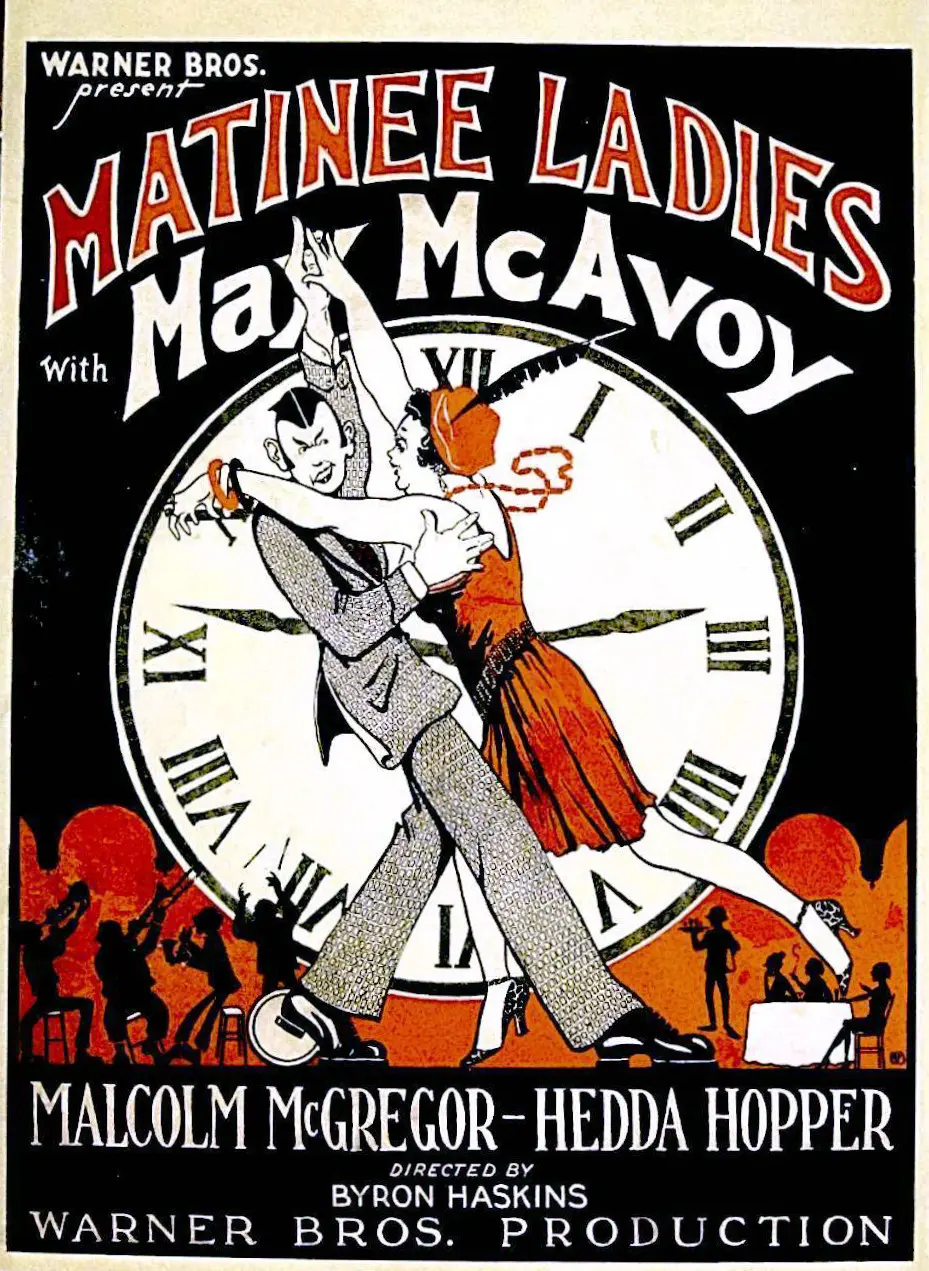
Short answer: Yes, but only if you appreciate the specific social anxieties of the late 1920s. This film is a fascinating relic for those who enjoy character-driven silent dramas, but it will likely frustrate viewers who demand fast-paced action or modern moral clarity.
Matinee Ladies is primarily for cinema historians and fans of pre-Code social dynamics. It is emphatically not for those who find the slow pacing of silent-era intertitles to be a chore.
1) This film works because it treats the 'dancing companion' profession with a surprising lack of judgment, focusing instead on the economic necessity that drives Bob Ward.
2) This film fails because the third-act transition to a yacht party feels like a forced narrative shift intended to inject artificial stakes into an otherwise grounded story.
3) You should watch it if you want to see a rare performance by May McAvoy that balances vulnerability with the hardened edge of a working-class woman in the city.
There is a gritty realism to the way Matinee Ladies depicts the roadhouse. Unlike the polished ballrooms seen in Young Mrs. Winthrop, the setting here feels lived-in and slightly desperate. Bob Ward, played with a stolid dignity by Malcolm McGregor, isn't a hero in the traditional sense. He is a man selling his time and his body to the highest bidder, albeit in a socially acceptable 'dancing' capacity.
The scenes where Bob navigates the advances of older women are handled with a delicate touch. You can see the flicker of shame in his eyes, a detail that McGregor conveys without the over-the-top gesticulation common in the era. It is a subtle performance that anchors the film. It works. But it’s flawed by the script's eventual need to turn him into a standard romantic lead.
The film captures a very specific moment in American history where the old world of 'proper' courtship was being dismantled by the commodification of leisure. This isn't just a romance; it's a report on the gigolo economy. The way the camera lingers on the exchange of money—hidden in palms or slipped into pockets—emphasizes the transactional nature of every interaction in this world.
May McAvoy delivers a performance that stands head and shoulders above her contemporaries in The Woman in Politics. As Sallie Smith, she isn't just a 'cigarette girl' trope. She is the moral barometer of the film. Her fight with Bob over his job isn't born of jealousy, but of a profound disappointment in the reality of their shared existence.
One standout scene involves Sallie watching Bob dance with a wealthy client. The lighting in this sequence, using sharp shadows and soft focus on McAvoy's eyes, tells the entire story of her heartbreak without a single line of text. It is a masterclass in silent acting. She manages to convey a sense of weary autonomy that feels surprisingly modern.
When she eventually accepts Tom Mannion's invitation to the yacht, it doesn't feel like a betrayal. It feels like a calculated move by a woman who has realized that in this world, everyone is selling something. This is a debatable opinion, but I believe Sallie is the most pragmatic character in the film, making her far more interesting than the 'wastrel' Tom or the 'noble' Bob.
The film’s greatest weakness is its structural split. The first half is a compelling, almost documentary-like look at the roadhouse culture. The second half, however, descends into the kind of high-society melodrama found in Exit the Vamp. The transition to Tom Mannion’s yacht feels like the filmmakers didn't trust the audience to stay interested in a low-stakes character study.
Tom Mannion, played by Richard Tucker, is a one-dimensional villain. He represents the 'wealthy wastrel' archetype that was already becoming a cliché by 1927. His presence on the screen drains the nuance from the story. Every time the camera cuts to him, the film loses its grounded reality and becomes a standard 'damsel in distress' narrative.
The pacing during the yacht sequence slows significantly. While the cinematography captures the opulence of the setting, the emotional weight of the film evaporates. We are no longer watching a story about survival; we are watching a story about a rich man being a jerk. It is a disappointing pivot that prevents the film from reaching the heights of its contemporaries.
Is Matinee Ladies a lost masterpiece? No. Is it a valuable piece of cultural history? Absolutely. The film offers a window into the gender politics of the 1920s that few other surviving silents do. It explores the idea of male vulnerability and female agency in a way that feels ahead of its time, even if the ending retreats into safer territory.
If you are looking for the raw energy of Mile-a-Minute Romeo, you won't find it here. This is a slower, more contemplative film that rewards patience. The cinematography by Byron Haskin (who would later become a major director) shows early signs of brilliance, particularly in the use of interior spaces to reflect the psychological confinement of the characters.
Pros:
Cons:
One of the most striking things about Matinee Ladies is its depiction of the 'older women' who frequent the roadhouse. In many films of this era, such characters are mocked or treated as predatory monsters. Here, there is a subtle undercurrent of empathy for them. They are shown as lonely, neglected individuals who are just as much victims of their social standing as Bob is of his poverty. It’s a surprisingly compassionate stance for a film made nearly a century ago.
This empathy extends to the way the film handles the concept of 'work.' Bob’s job is seen as a legitimate, if slightly embarrassing, way to pay for law school. There is a blue-collar pragmatism to the whole affair that contrasts sharply with the idle wealth of the Mannion character. It suggests that the real divide in the world isn't between 'good' and 'bad' people, but between those who have to work for a living and those who don't.
Matinee Ladies is a film of two halves. The first half is a brilliant, gritty exploration of urban life and the commodification of affection. The second half is a generic high-seas melodrama. However, the strength of the lead performances and the fascinating social context make it a journey worth taking. It doesn't quite reach the heights of The Rag Man, but it occupies a unique space in the silent canon. It’s a film that asks difficult questions about what we are willing to sell to survive, even if it doesn't always have the courage to answer them. Final Score: 7/10
IMDb —
1925
Community
Log in to comment.