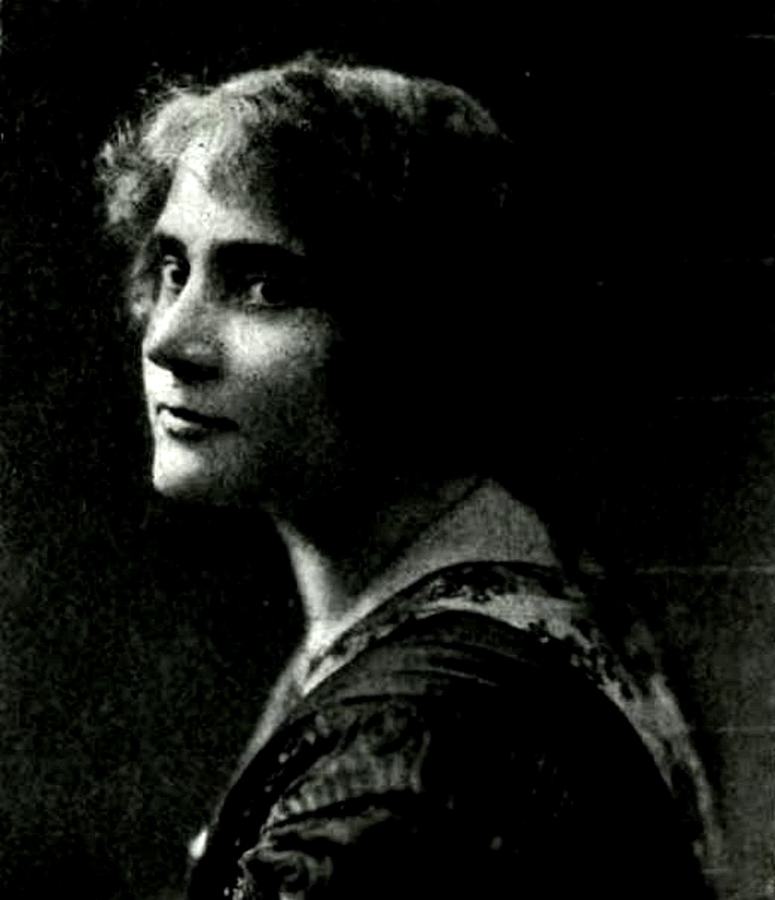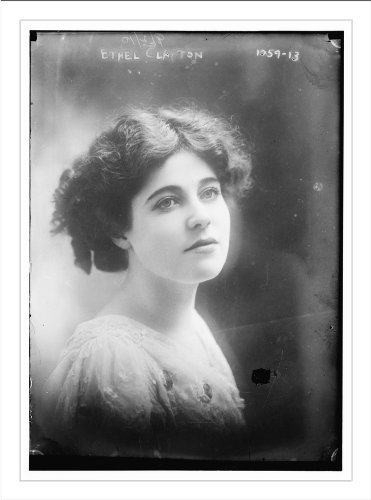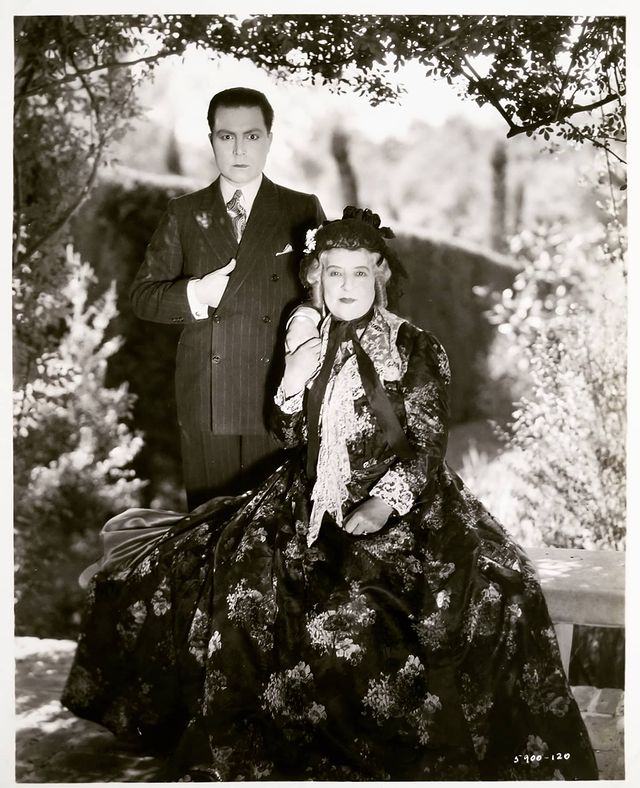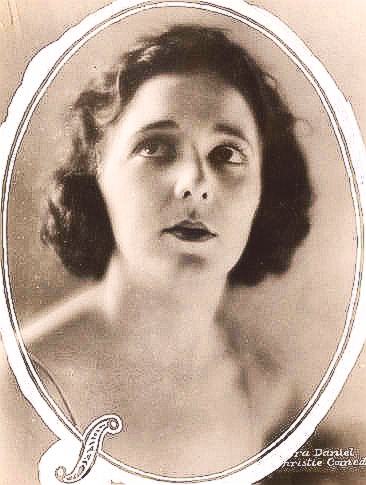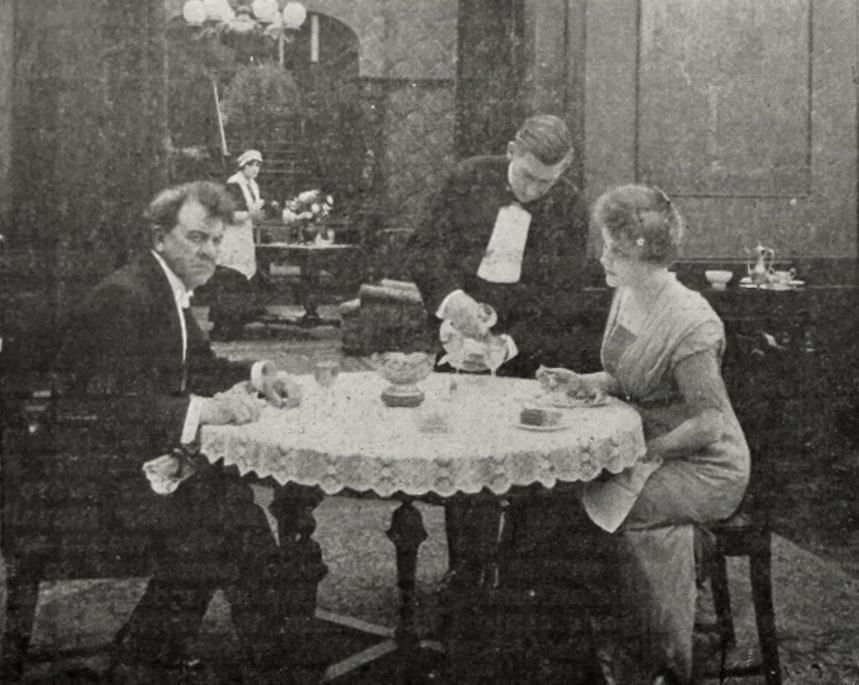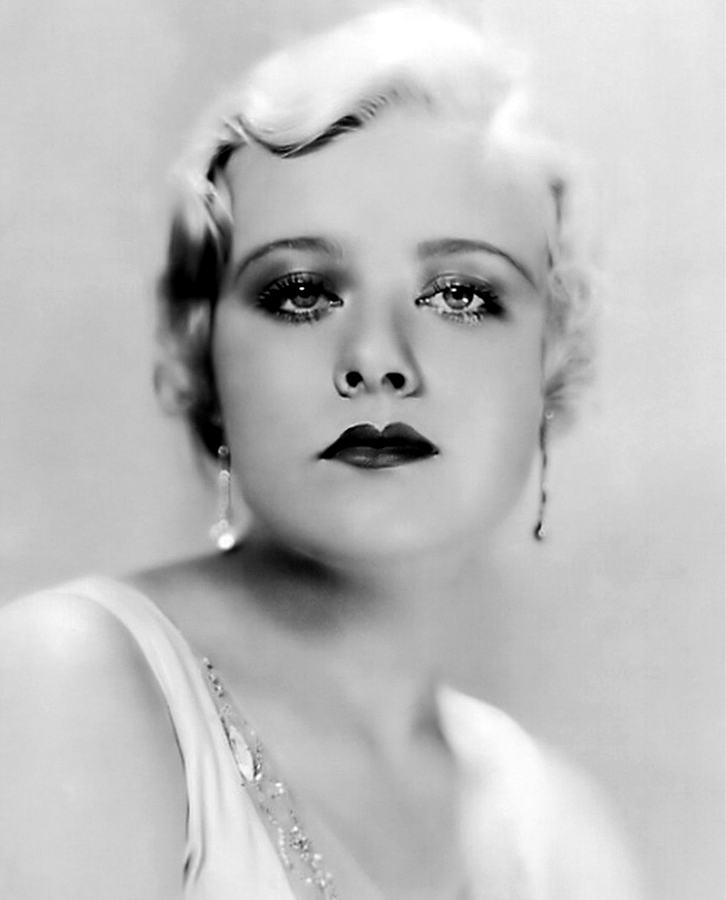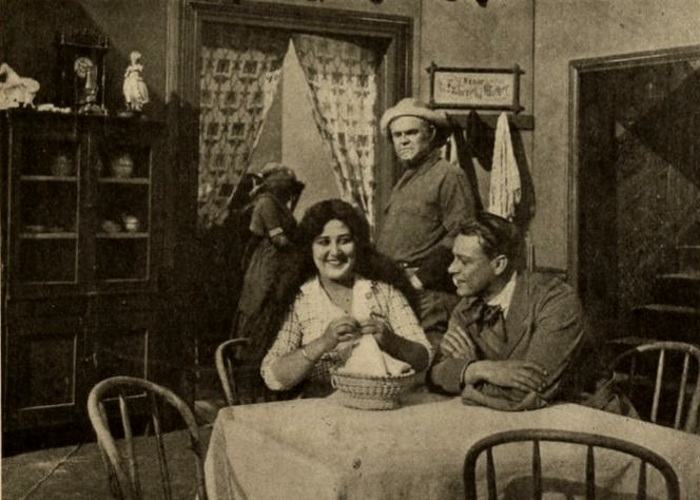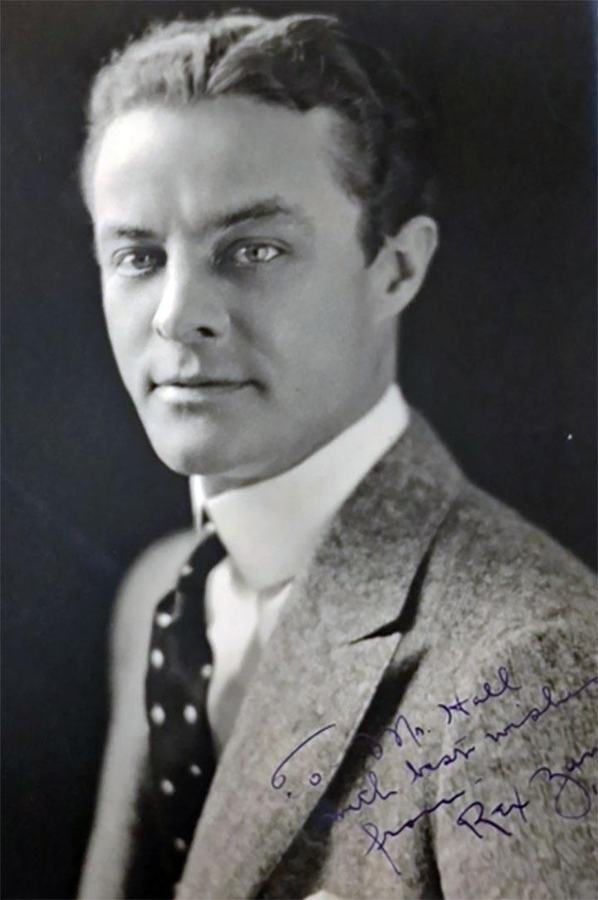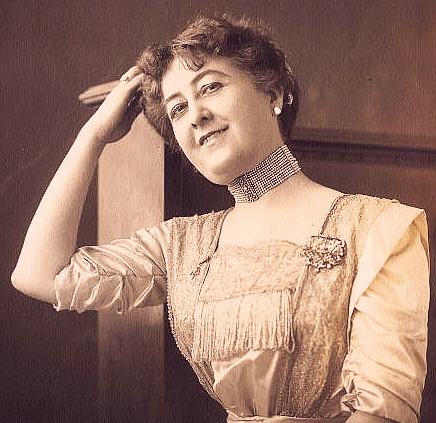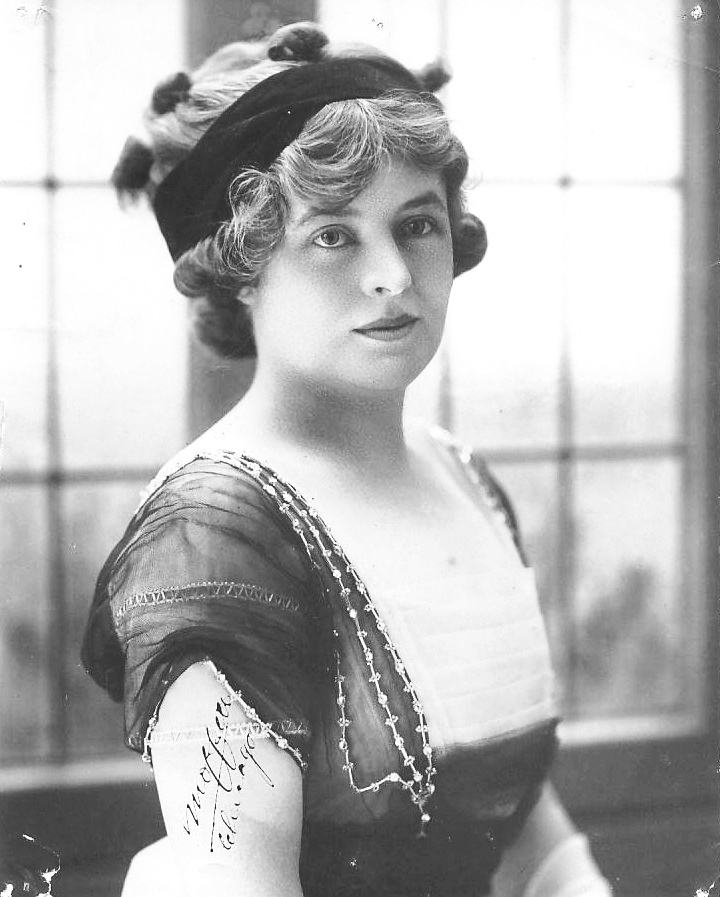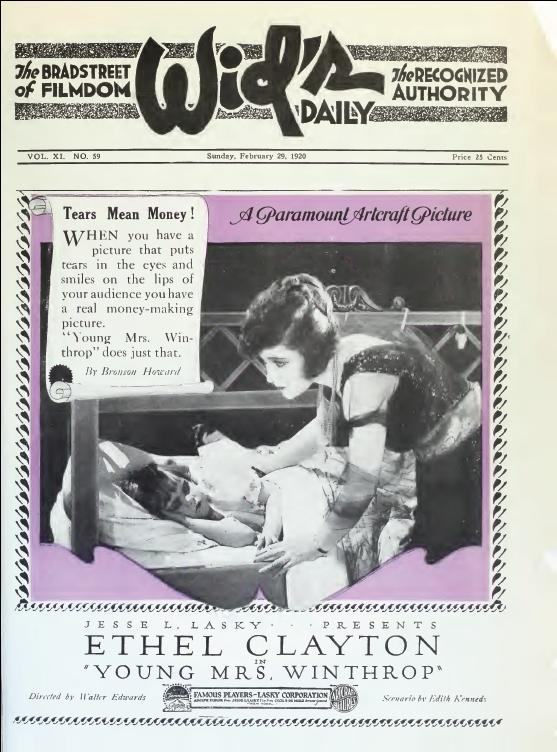
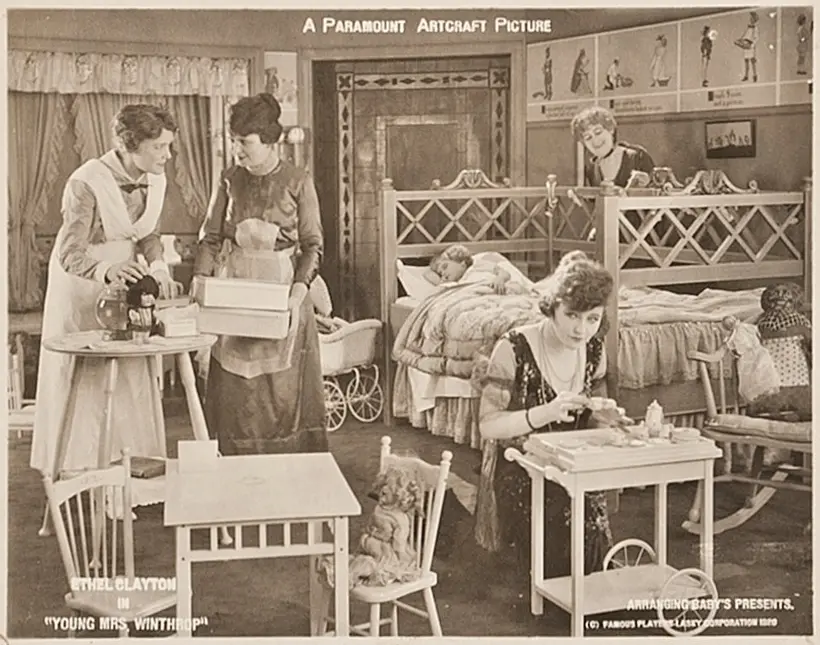
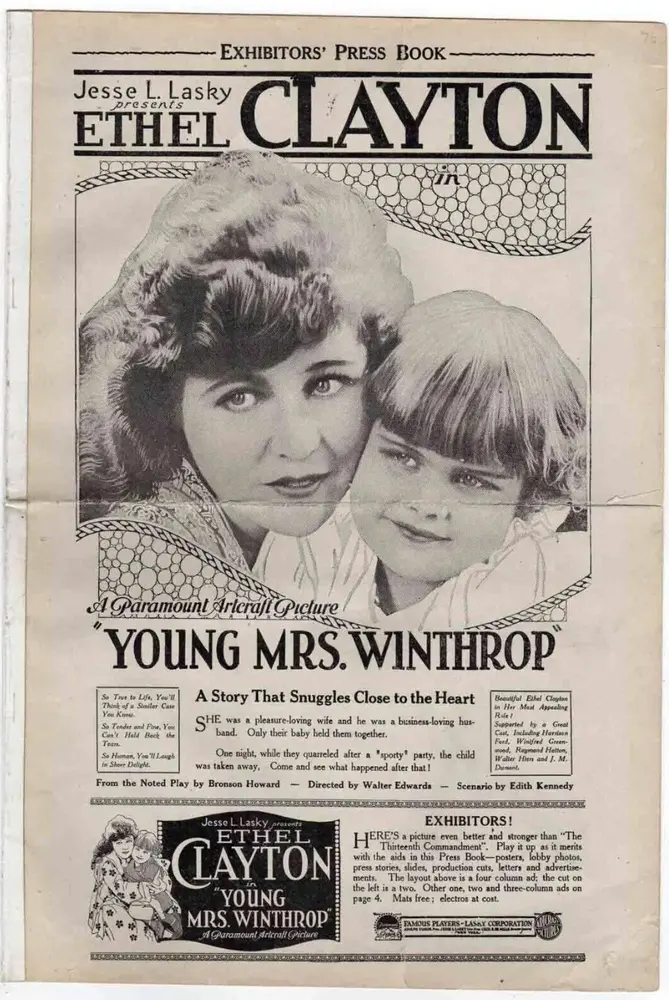
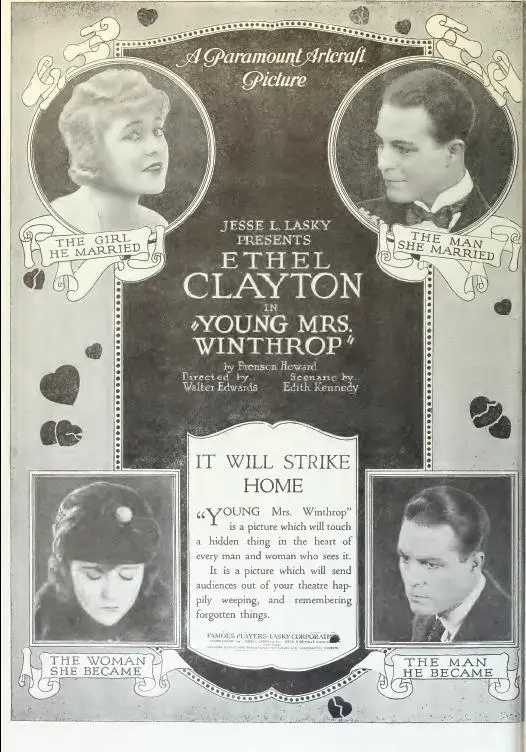
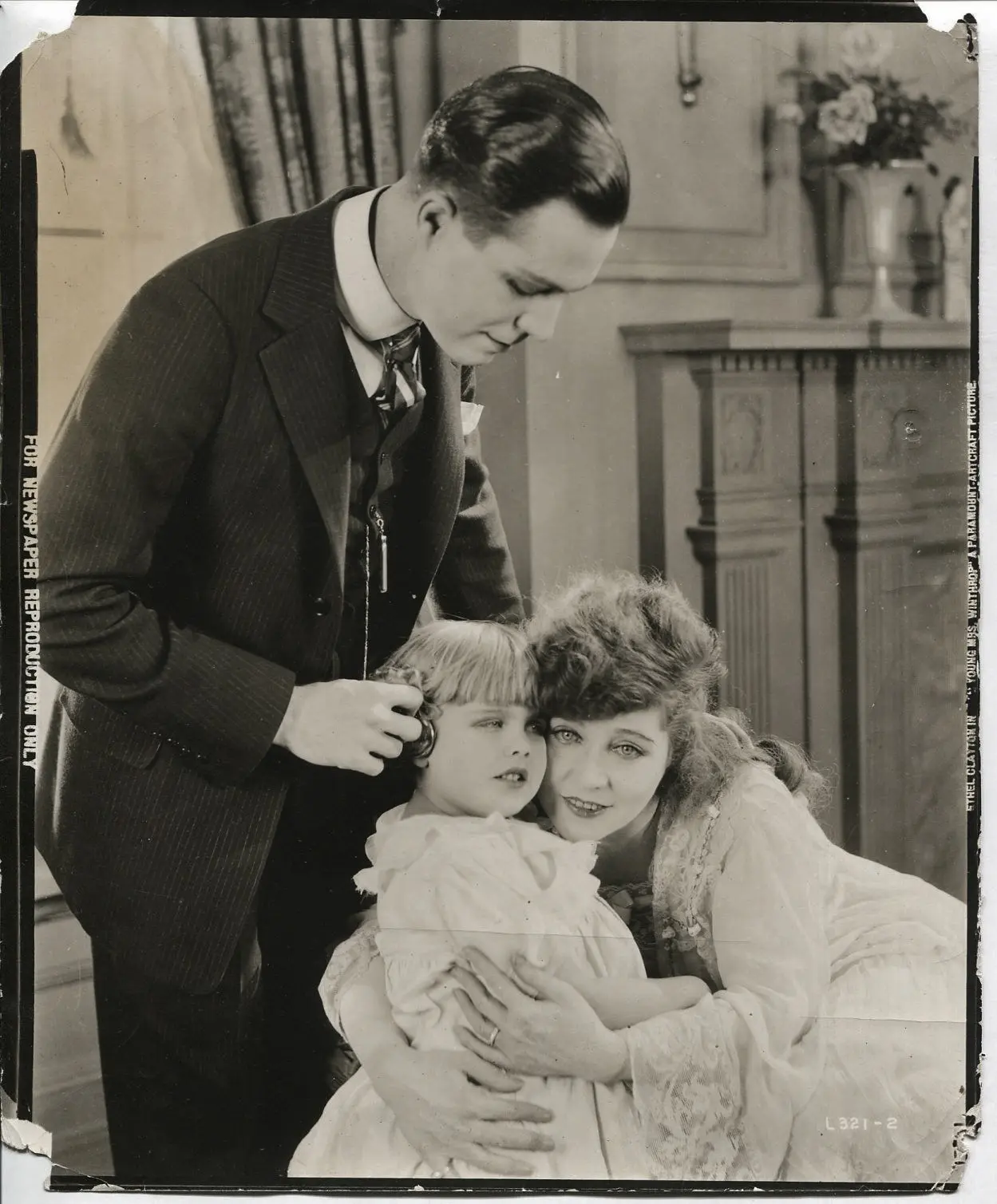
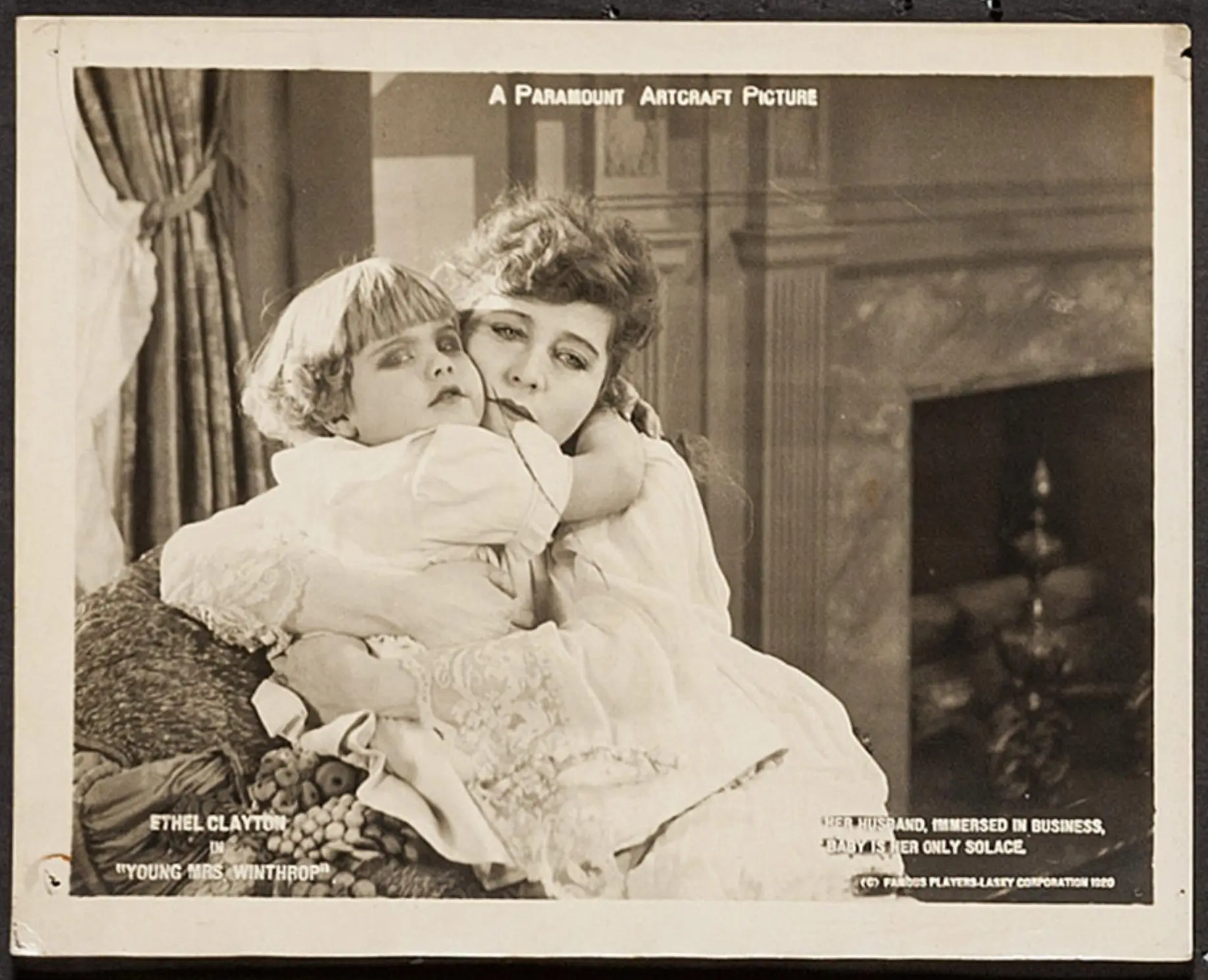
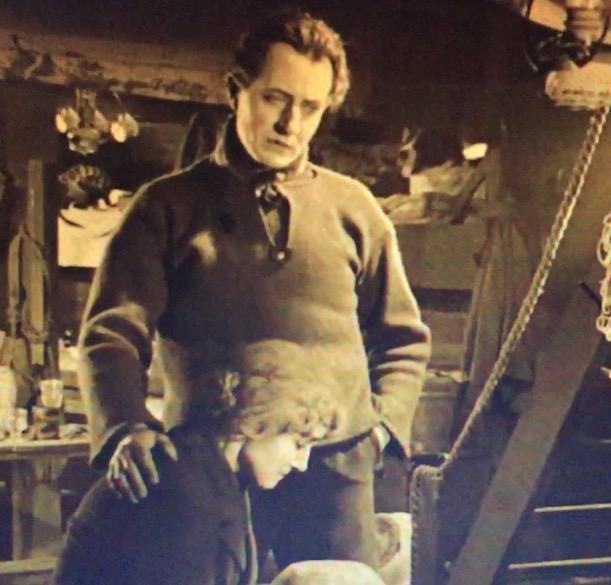
The Winthrops have been drifting apart gradually, Douglas devoted to his business and Constance to her social life. For the sake of their small daughter Rosie, they decide to make reparations; Douglas agrees to spend more time at home, and Constance gives up her socializing.
Spoiler-rich excavation ahead—enter the drawing-room at your own emotional peril. The first time I saw Young Mrs. Winthrop I was hunting for a print advertised as “serviceable” in a Rochester archive; what unspooled was a nitrate fever dream that left me raw, as though someone had taken a silver teaspoon and scraped...
publicity
still_frame
publicity
still_frame
still_frame
production_art
still_frame
still_frame
Comparing the cinematic DNA and archive impact of two defining moments in cult history.
Walter Edwards
Walter Edwards
Community
Log in to comment.
" Spoiler-rich excavation ahead—enter the drawing-room at your own emotional peril. The first time I saw Young Mrs. Winthrop I was hunting for a print advertised as “serviceable” in a Rochester archive; what unspooled was a nitrate fever dream that left me raw, as though someone had taken a silver teaspoon and scraped the tarnish off every secret grievance I’ve ever hoarded. This 1920 one-reeler—yes, a mere forty-three minutes—packs the emotional tonnage of a Russian novel and the surgical prec..."
Viora Daniel
Edith M. Kennedy, Bronson Howard
United States
Deep dive into the cult classic
Discover similar cinematic experiences
A Directorial Spotlight on Walter Edwards