DbcultAccessing Vault...
6.9/10
Senior Film Conservator
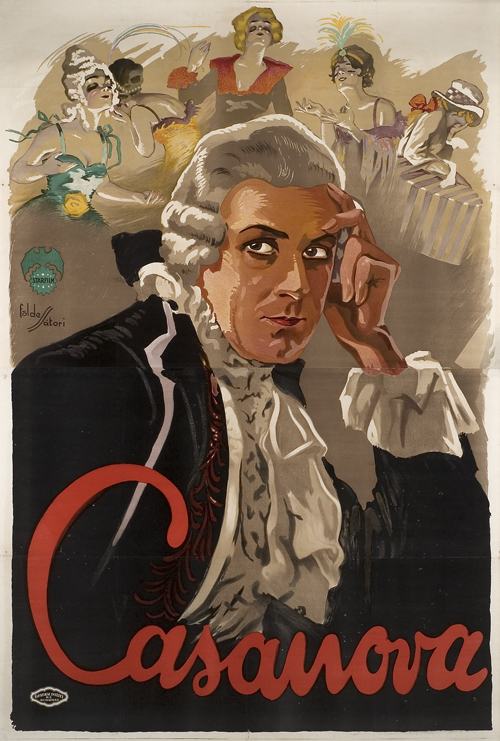
A definitive 6.9/10 rating for a film that redefined the boundaries of cult cinema. Casanova remains a cornerstone of transgressive art.
Stepping back into the hallowed, often overlooked, annals of early 20th-century cinema, one occasionally unearths a gem whose brilliance, though perhaps dimmed by the passage of time and the advent of sound, still manages to captivate the discerning eye. Such is the case with ‘Casanova,’ a Hungarian silent film that, even a century after its initial release, speaks volumes about the burgeoning artistry of its era. This isn't merely a historical artifact; it's a vibrant tapestry woven with threads of romance, intrigue, and a surprisingly nuanced psychological depth, inviting us to peer into a world where gestures conveyed more than words ever could.
The film, a bold cinematic undertaking for its time, plunges us directly into the heart of 18th-century Venice, a city synonymous with both breathtaking beauty and moral ambiguity. Our protagonist, Giacomo Casanova, is not merely the legendary libertine of popular imagination, but a figure imbued with a restless intellect and an almost philosophical pursuit of freedom. The screen adaptation, penned by the collaborative genius of Jenö Faragó, Izsó Barna, László Békeffi, and József Pakots, transcends a simple retelling of his exploits, opting instead for a narrative rich in character study and societal critique. They present us with a Casanova who, beneath the veneer of charm and conquest, grapples with an internal yearning for something more profound than fleeting pleasure.
At the core of this dramatic confection lies Casanova's intense entanglement with the Contessa Isabella, a woman whose purity and grace stand in stark contrast to the decadent world around her. Tessza Fodor, in the role of Isabella, delivers a performance of remarkable subtlety and emotional resonance. Her expressive eyes and delicate gestures convey a profound inner turmoil, making her a compelling counterpoint to Casanova’s more flamboyant persona. Isabella is not a mere object of desire but a woman of agency, trapped by the societal expectations of her class and betrothed to the imposing Count Valerius. Here, the film introduces a formidable presence in the form of Bela Lugosi, whose portrayal of Valerius is a masterclass in silent menace. Long before his iconic turn as Dracula, Lugosi honed his craft, imbuing Valerius with an austere gravitas and a chilling intensity that speaks volumes without a single spoken word. His very presence on screen is a testament to the power of non-verbal communication, making him a truly memorable antagonist.
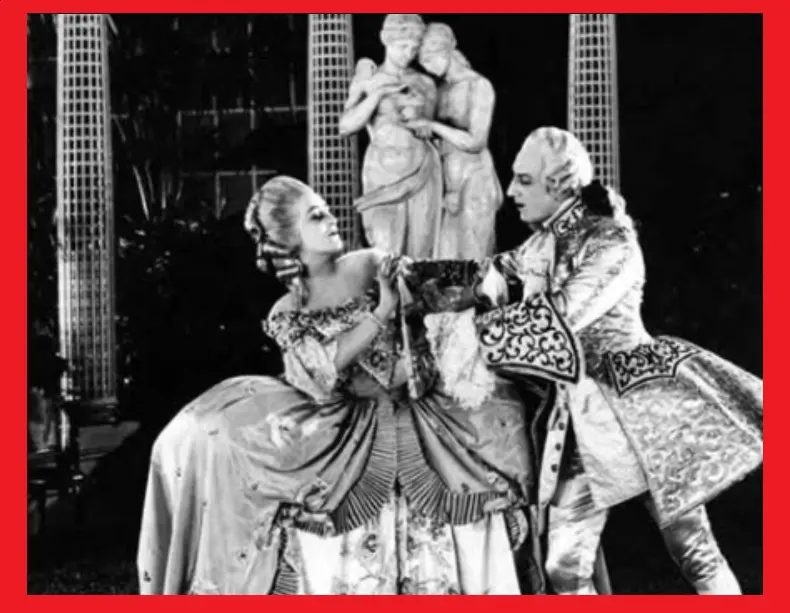
The narrative’s brilliance lies in its intricate plotting, a testament to the writers’ ability to craft a story that is both sweeping in its scope and intimate in its emotional core. Casanova’s audacious attempts to woo Isabella, involving elaborate disguises and clandestine meetings, are executed with a delightful theatricality. The film’s depiction of Venetian society, with its masked balls and secret gondola rides, feels authentically rendered, transporting the viewer directly into this bygone era. The cinematography, though rudimentary by today's standards, effectively captures the grandeur of the settings and the intensity of the emotional beats. One can almost feel the tension building as Casanova and Isabella risk everything for their forbidden love.
However, their illicit romance inevitably draws the attention of the Venetian Inquisition, personified by the relentless Inquisitor Morosini, brought to life with chilling conviction by Miklós Ujvári. Ujvári embodies the rigid morality and unforgiving nature of the institution, creating a palpable sense of dread whenever he appears. Assisting Morosini in his pursuit is the spurned courtesan Elena, played by Annie Góth, whose portrayal of a woman scorned adds another layer of emotional complexity to the unfolding drama. Góth masterfully conveys Elena’s wounded pride and vengeful spirit, making her a sympathetic yet dangerous figure. The interplay between these characters creates a dynamic tension that propels the story forward, highlighting the inherent dangers of defying societal norms in such a restrictive period.
The film builds to its dramatic crescendo with Casanova’s inevitable capture and imprisonment in the notorious Piombi cells of the Doge’s Palace. This sequence is particularly harrowing, showcasing the desperation and despair of a man whose freedom is his very essence. The legendary escape that follows is a tour de force of cinematic ingenuity, a thrilling race against time and fate. It’s here that Casanova’s journey transcends mere adventure, evolving into a quest for redemption and a redefinition of his own identity. For the first time, his actions are not solely motivated by pleasure, but by a genuine desire to protect Isabella’s honor and, perhaps, to embrace a love that demands sacrifice. This shift in his character arc is subtly but powerfully conveyed, a testament to the nuanced performances and the thoughtful direction.
The supporting cast, a veritable who's who of early Hungarian cinema, contributes significantly to the film's rich tapestry. Alfréd Deésy, László Faludi, Klára Peterdy, Margaretta Tímár, Péter Andorffy, Marel Rolla, Gyula Margittai, Sandy Igalits, Ila Lóth, Viktor Costa, Camilla von Hollay, Gusztáv Turán, Norbert Dán, Sári Sólyom, Richard Kornay, and Lucy Wett each bring a distinct flavor to their roles, populating Venice with a vibrant array of characters that feel authentic and engaging. Their collective efforts create a believable world for Casanova's exploits to unfold, adding depth and texture to the narrative. The ensemble's commitment to their craft, even in the absence of spoken dialogue, is truly remarkable, demonstrating the universal power of visual storytelling.
The thematic resonance of ‘Casanova’ extends far beyond its historical setting. It explores universal themes of love versus duty, individual freedom versus societal constraint, and the perpetual human quest for meaning and connection. Casanova's internal struggle between his inherent wanderlust and a burgeoning, genuine affection for Isabella forms the emotional backbone of the film. This internal conflict elevates the narrative beyond a simple romantic adventure, transforming it into a poignant exploration of self-discovery. One might draw parallels to the existential yearning present in films like För sin kärleks skull, where characters also grapple with the profound implications of their romantic choices against a backdrop of societal expectations. Both films, despite their cultural differences, resonate with a shared humanity, demonstrating how love can challenge and redefine one's very existence.
Visually, the film is a feast, despite the limitations of early cinematography. The careful attention to period detail in the costumes and sets is commendable, immersing the audience in the opulence and intrigue of 18th-century Venice. The use of light and shadow, a hallmark of silent cinema, is employed with great artistic flair, enhancing the dramatic tension and highlighting the emotional states of the characters. The directorial vision, while not explicitly attributed in the provided information, clearly understood the power of visual storytelling to convey complex emotions and intricate plot points. The framing of shots, the blocking of actors, and the rhythmic pacing all contribute to a cohesive and compelling cinematic experience. In this regard, it stands shoulder to shoulder with other visually ambitious silent features, perhaps even hinting at the grandeur seen in productions like With Our King and Queen Through India, albeit with a more narrative focus.
The writers, Jenö Faragó, Izsó Barna, László Békeffi, and József Pakots, deserve immense credit for crafting a screenplay that is both dramatically engaging and intellectually stimulating. They avoided the pitfalls of mere sensationalism, choosing instead to delve into the psychological complexities of their famous protagonist. Their Casanova is not a one-dimensional rake, but a man capable of growth, vulnerability, and genuine affection. This depth of character is what ultimately distinguishes ‘Casanova’ from more superficial romantic dramas of the era. Their work demonstrates a keen understanding of human nature and the societal forces that shape it, making the story feel relevant even today. The narrative arc, from audacious libertine to a man seeking genuine connection, is handled with considerable skill, ensuring that the audience remains invested in Casanova’s fate.
Comparing ‘Casanova’ to other silent films of its time reveals its unique strengths. While films like An Innocent Adventuress might focus on the journey of a female protagonist navigating a challenging world, ‘Casanova’ offers a masculine counterpart, exploring the complexities of male identity and societal expectations. The blend of romance and suspense could also find echoes in the dramatic tension of The Chattel, where characters often find themselves caught in webs of possession and control. The film's exploration of moral dilemmas and the consequences of one's actions bears a kinship with the serious undertones found in The Web of Life, where choices ripple through a complex social fabric. These comparisons underscore ‘Casanova’s’ position within a broader cinematic conversation about human agency and destiny.
In conclusion, ‘Casanova’ stands as a remarkable testament to the power of silent cinema. Its compelling narrative, rich characterizations, and evocative visuals combine to create an experience that transcends its historical context. The performances, particularly by Tessza Fodor, Alfréd Deésy (who likely took on the titular role, embodying the rakish charm), and the unforgettable Bela Lugosi, are exemplary, proving that truly great acting needs no dialogue to convey profound emotion. The film’s exploration of love, freedom, and redemption resonates with an enduring power, inviting contemporary audiences to appreciate the artistry and innovation of early Hungarian filmmaking. It is a cinematic journey well worth taking, a vibrant piece of history that continues to speak to the universal human condition, proving that some stories, and some films, are truly timeless. Its legacy is not just in its historical significance but in its continued ability to entertain, provoke thought, and stir the heart.
This film, like a rare vintage wine, has aged with grace, offering layers of meaning and enjoyment that reveal themselves upon repeated viewings. Its narrative depth, combined with the visual artistry of its creators, cements its place as a significant contribution to early cinematic art. The intricate plot, the nuanced character developments, and the underlying philosophical inquiries into the nature of freedom and love ensure that ‘Casanova’ remains a compelling watch, not just for historians of cinema, but for anyone who appreciates a story told with passion and precision. It reminds us that the fundamental elements of compelling storytelling – compelling characters, dramatic conflict, and universal themes – were as vital to the silent era as they are to the most technologically advanced productions of today. The collaborative genius of the writers and the evocative performances of the cast, particularly with the magnetic presence of Bela Lugosi, elevate this film beyond mere entertainment into the realm of enduring art, leaving an indelible mark on the viewer's imagination and proving that the silent screen was anything but quiet in its emotional impact and artistic ambition.
IMDb 5
1920
Community
Log in to comment.