DbcultAccessing Vault...
5.7/10
Senior Film Conservator
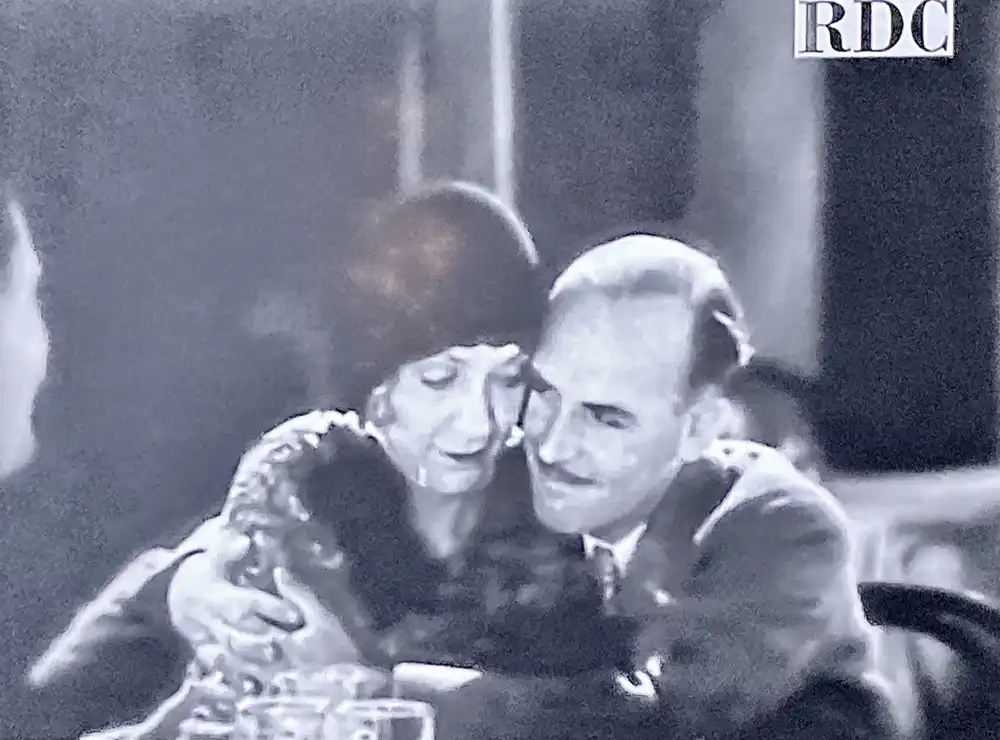
A definitive 5.7/10 rating for a film that redefined the boundaries of cult cinema. Meet the Missus remains a cornerstone of transgressive art.
So, is "Meet the Missus" from 1929 still worth a look? Honestly, yeah, but with a big if. If you're into the wild, early days of talking pictures, or just love seeing how people used to get their laughs almost a hundred years ago, then absolutely.
It's a neat little time capsule. But if you're expecting anything like today's rom-coms or even something from the 40s, you'll probably find it agonizingly slow. Hardcore silent film buffs might find the sound a bit jarring too, like it's trying too hard.
Okay, let's talk about the film itself. The whole premise here is a bit bonkers. You've got this fella, Harvey (Eddy Waller), who's clearly not happy at home.
He's out at a speakeasy, which, by the way, feels kinda sad and not at all roaring-twenties vibrant. More like a backroom that smells faintly of stale gin. 🥃
He meets Stella (Helen Mehrmann), a real flapper type, all smiles and bobbed hair. He's instantly smitten, of course. What's wild is he just decides to take her home to meet his wife, Mary (Lucile Gleason).
This is where the movie throws its big curveball: Harvey and Mary have this pact. If one of them falls for someone else, they just… divorce. No fuss, no muss. Who comes up with these ideas, honestly?
Lucile Gleason as Mary is really the one to watch. When Harvey brings Stella home, Mary's face doesn't exactly fall, but it tightens in this way that tells you everything.
She's not shocked, more like resigned. Like, "Oh, it's this again." Her quiet dignity in the face of her husband's absolute lack of decorum is something. You can tell she's been through this before.
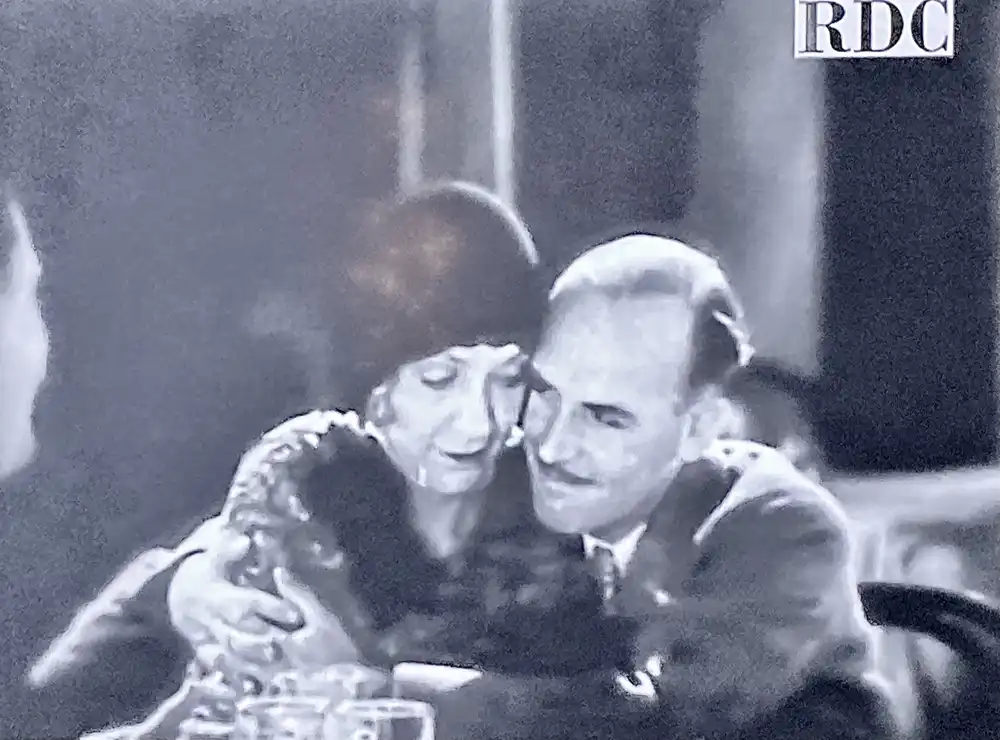
There's this scene where Harvey is trying to explain the "agreement" to a confused Stella, and Mary just sits there, perfectly still, occasionally taking a sip of tea. It's so awkward. The silence hangs for a good few beats, and you almost feel the movie trying to convince you this moment matters more than it actually does. But Mary's stillness is powerful.
Stella, the flapper, is almost too cheerful. It's like she hasn't quite grasped the severity of the situation. Her laugh feels a little forced sometimes, like she's trying to cover up her own discomfort. You see it in her eyes, though, a flicker of "oh dear, what have I gotten myself into?" She's not a villain, just a girl caught up in some really weird domestic drama.
James Gleason, Lucile's real-life husband, pops up too. He plays a lawyer, I think. His character just adds to the general confusion. He's very much of that era, all quick movements and snappy delivery, but he doesn't quite fit the tone of the domestic scenes. It's like he walked in from a different movie.
The pacing is… well, it's 1929. Dialogue scenes can feel like they stretch on. Sometimes a reaction shot lingers so long it becomes almost funny, especially when someone's just staring blankly. You can practically hear the director yelling, "Hold it! Hold that thought!"
What really sticks with you is the sheer audacity of Harvey. He's so self-absorbed. He genuinely believes this "agreement" makes him a good, honorable man. He's a bit of a dimwit, frankly. His attempts to charm both women simultaneously are just painful to watch.
The film's strength lies in these small, human moments. Mary's quiet strength, Stella's dawning realization, Harvey's cluelessness. It's not a grand cinematic statement.
It’s more like peeking into a strange household through a keyhole.
It’s definitely not for everyone. Modern audiences, with their snappy cuts and quick plot developments, will struggle. But if you're curious about early talkies, and you appreciate the subtlety that actors like Lucile Gleason could bring even in those nascent sound days, then give it a shot.
It's a unique piece of film history, even if it feels a little stiff sometimes. The ending, without giving it away, is pretty much what you'd expect from a domestic comedy of the era. No grand revelations, just a tidy wrap-up. But it leaves you thinking about those bizarre agreements people sometimes make. 🤔
IMDb 6.6
1930
Community
Log in to comment.