DbcultAccessing Vault...
5.9/10
Senior Film Conservator
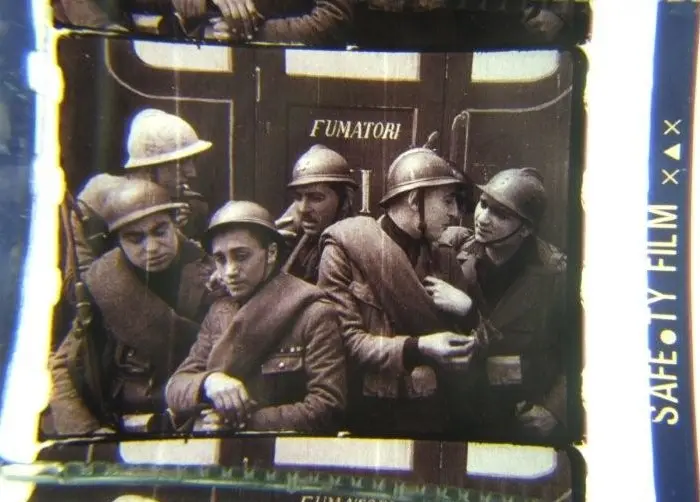
A definitive 5.9/10 rating for a film that redefined the boundaries of cult cinema. Fantasia 'e surdate remains a cornerstone of transgressive art.
Is this obscure Italian silent short worth your time today? Short answer: Yes, but only if you approach it as a gritty cultural artifact rather than a traditional narrative experience.
This film is specifically for historians of the avant-garde and those who want to see the DNA of Italian Neorealism decades before it became a global movement; it is absolutely not for viewers who require high-definition polish or linear, fast-paced storytelling.
1) This film works because it captures the authentic, unwashed spirit of 1920s Naples with a voyeuristic intensity that was decades ahead of its time.
2) This film fails because its reliance on the audience's knowledge of the original ballad lyrics means that, as a standalone silent film, some emotional beats feel disconnected or overly abrupt.
3) You should watch it if you want to witness the work of Elvira Notari, a woman who was arguably the most subversive and important director in early Italian cinema, crafting stories for the marginalized.
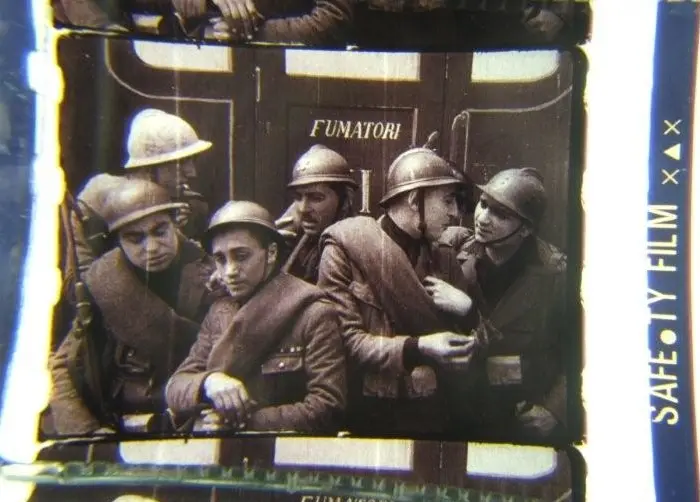
Fantasia 'e surdate is not a polite film. It does not care about the grand architectural beauty of Italy that you might see in a film like Ferragus. Instead, Elvira Notari drags the camera into the shadows of the vicoli. The film is an adaptation of a popular song, a 'sceneggiata,' which was a uniquely Neapolitan blend of soap opera, musical, and tragedy. In this short, the music is silent, yet the rhythm remains in the editing.
The way Notari handles the concept of the soldier's return is brutal. Most films of this era, such as The Rag Man, found ways to inject sentimentality or a sense of pluckiness into poverty. Notari refuses. She shows the soldier not as a hero, but as a ghost haunting his own life. The acting by Eduardo Notari is stripped of the theatrical 'overacting' common in the 1920s. He moves with a heavy, slumped weariness that feels modern. It is a performance of exhaustion.
We need to talk about the directing. Notari was a pioneer of street casting. When you see the faces in the background of Fantasia 'e surdate, you aren't looking at extras from a talent agency. You are looking at the actual poor of Naples. This gives the film a documentary-like quality that is startling. While American films like Young Mrs. Winthrop were focusing on domestic dramas in controlled sets, Notari was out in the dirt.
The cinematography is functional, almost aggressive. There is a specific scene where the soldier looks out over the water, and the tinting of the film shifts to a deep, melancholic blue. It’s a simple trick, but here it feels like a bruise. The pacing is staccato. It jumps between the 'fantasia' (the dream/fantasy) and the cold reality of the soldier's situation. It works. But it’s flawed. The transitions can be jarring for a modern eye used to smooth continuity.
If you are looking for entertainment in the modern sense, the answer is no. However, if you are looking for the 'soul' of cinema, the answer is a resounding yes. This film represents a lost branch of movie history. It is a cinema of the people, made by a woman who was eventually silenced by the Fascist regime because her films were too 'sordid' and too real. She didn't show the Italy they wanted the world to see.
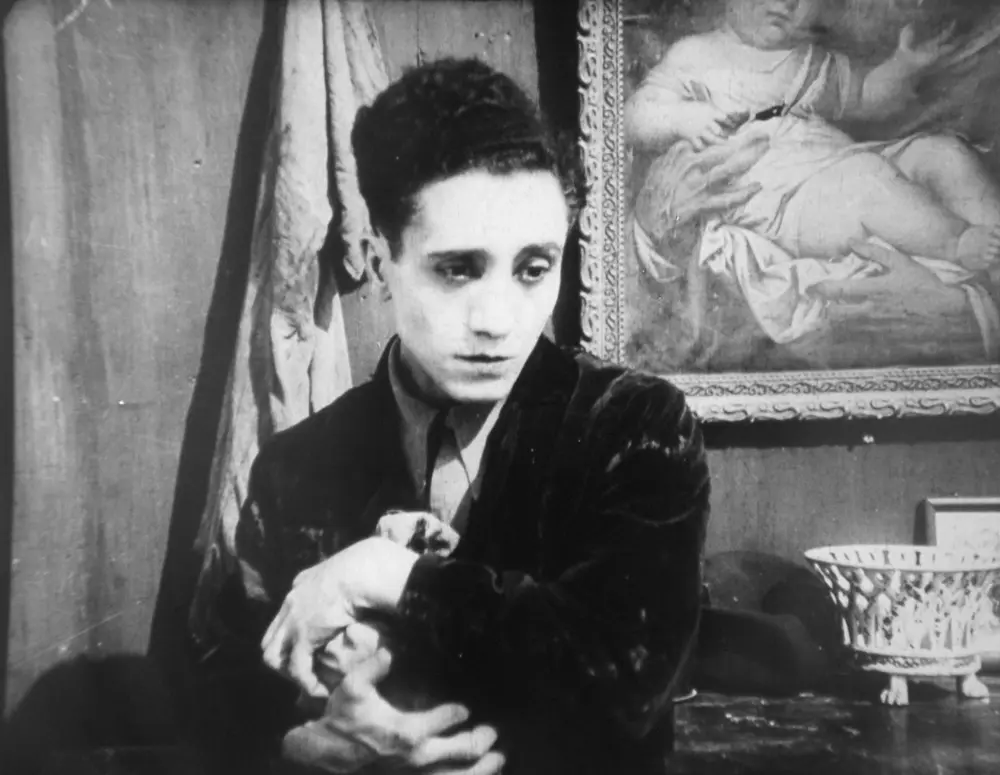
Watching Fantasia 'e surdate is like looking at a cracked mirror. You see the reflections of what would later become the great works of Rossellini and De Sica. The 'Soldier' here is a precursor to the broken men we see in post-WWII cinema. He is a man without a country, even while standing on his own soil. The film's brevity is its strength. It doesn't overstay its welcome; it delivers a punch to the gut and then vanishes.
Pros:
- Unmatched historical authenticity.
- Pioneering female direction by Elvira Notari.
- Emotional honesty that avoids the 'fluff' of 1920s Hollywood.
- Short runtime makes it a concentrated burst of emotion.
Cons:
- Surviving prints are often in poor condition.
- The 'sceneggiata' style can feel overly melodramatic to the uninitiated.
- Lack of traditional intertitles makes the plot hard to follow without context.
When you compare this to other films of the era, like Mile-a-Minute Romeo, the difference in intent is staggering. While the West was perfecting the 'star system' and the 'hero’s journey,' Notari was perfecting the 'human tragedy.' There is no hero in Fantasia 'e surdate. There is only a victim of circumstance. This is a brave stance for a filmmaker in 1927.
The film’s use of death as a narrative punctuation mark is also fascinating. In many silent films, death is a grand, theatrical exit. Here, it is quiet. It is just another part of the Neapolitan landscape. This lack of sentimentality is what makes the film stay with you long after the credits—if there were any—would have rolled.
Fantasia 'e surdate is a haunting, jagged piece of cinematic history. It isn't 'pretty' and it isn't 'fun,' but it is undeniably vital. Elvira Notari’s work remains a middle finger to the polished, sanitized versions of history, offering instead a tear-stained, soot-covered look at the human condition. It is a mandatory watch for anyone who claims to love the medium of film.

IMDb 6.6
1922
Community
Log in to comment.