DbcultAccessing Vault...
Cult Review
Senior Film Conservator
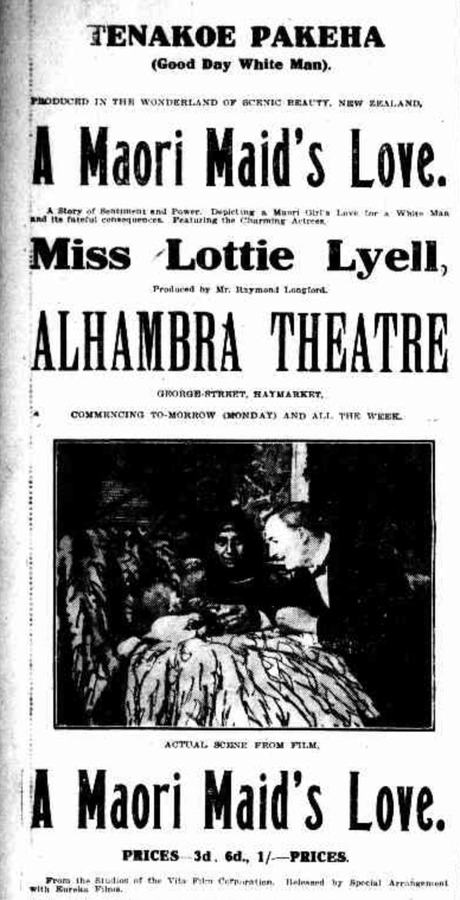
To speak of A Maori Maid's Love is to invoke the very ghosts of Australasian film history. Released in 1916, a year when the global cinematic landscape was being radically reshaped by the horrors of the Great War and the burgeoning industrialization of Hollywood, this film emerged as a defiant piece of local storytelling. Raymond Longford, a director whose name should be whispered with the same reverence as Griffith or Murnau, brought an uncanny sensitivity to the screen. In collaboration with his creative and romantic partner, Lottie Lyell, Longford crafted a visual vernacular that was distinctly Southern Hemisphere. While European contemporaries were exploring the gothic shadows of Borgkælderens mysterium or the high-society tensions of La marcia nuziale, Longford looked toward the sunlight and the soil of New Zealand.
The film’s existence is a miracle of early 20th-century production. Filmed largely on location in Rotorua, it predates the era of sanitized studio backlots. The authenticity of the Māori villages and the geothermal activity provides a texture that is almost tactile. One cannot help but compare this raw, outdoor energy to the more staged aesthetics of It Happened in Honolulu, which, despite its exotic premise, often felt constrained by its American production sensibilities. In A Maori Maid's Love, the environment is a character, a brooding presence that dictates the rhythm of the human drama unfolding within it.
Critical Insight:
"Lyell possessed a modernism that surpassed her peers. Her performance here is a masterclass in subtlety, eschewing the broad histrionics often found in 1910s melodrama."
Lottie Lyell was more than just an actress; she was a co-writer, editor, and producer—a polymath of the silent era. In A Maori Maid's Love, she portrays the central figure with a nuance that is startling for 1916. Her ability to convey internal conflict through a mere shift in gaze or a tightening of the jaw is what separates this film from the more performative nature of Manegens Børn. While the latter relied on the spectacle of the circus and physical prowess, Lyell relies on the soul. She navigates the complexities of her character’s dual identity—caught between her indigenous roots and her affection for a Pākehā man—with a grace that avoids the caricatures common in early colonial cinema.
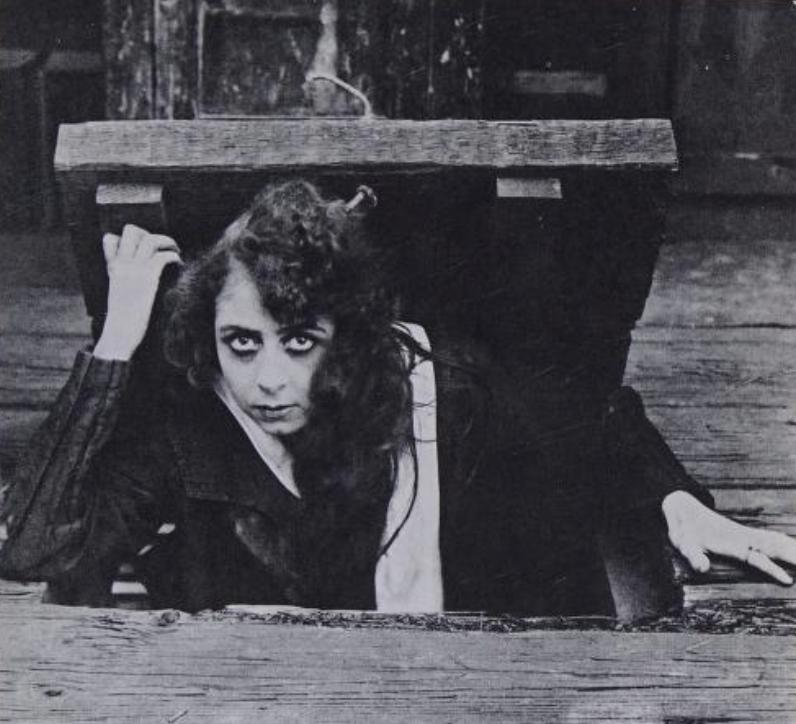
The chemistry between Lyell and the supporting cast, including Kenneth Carlisle and Rawdon Blandford, creates a palpable tension. There is a scene, involving a quiet exchange by the hot springs, where the silence of the medium actually enhances the emotional weight. Unlike the frantic pacing of Come Robinet sposò Robinette, which sought laughter through kinetic energy, Longford allows the camera to linger on Lyell’s face, inviting the audience into her psyche. It is a precursor to the psychological depth we would later see in masterpieces like Love Everlasting.
Technically, A Maori Maid's Love is a fascinating study in the limitations and innovations of the time. The use of natural light in the New Zealand bush creates a chiaroscuro effect that is naturally occurring, rather than manufactured in a studio. This gives the film a documentary-like quality at times, grounding the melodrama in a recognizable reality. When we look at films like When the Mountains Call, we see a similar attempt to harness the grandeur of nature, but Longford’s work feels more intimate, less interested in the sublime and more in the lived-in experience of the frontier.
However, one must address the "colonial gaze" that inevitably permeates the production. While Longford was remarkably progressive for his time, the film still operates within a framework that views Māori culture as something to be observed, often through a romanticized lens. This is a recurring theme in early cinema, seen in works like The Reincarnation of Karma, where Eastern mysticism is treated with a similar mix of fascination and paternalism. Yet, in A Maori Maid's Love, there is a sense of respect for the Māori people that was largely absent from the broader Western canon. The inclusion of genuine Māori performers and the depiction of their customs, while stylized for a narrative arc, provides a historical record of immense value.
At its core, the film is a melodrama, a genre that was the bread and butter of the silent era. But melodrama, in the hands of a craftsman like Longford, is never just about histrionics; it is a vehicle for social critique. The barriers to the central romance are not just physical or circumstantial—they are systemic. This mirrors the societal pressures explored in His Wife's Good Name, where reputation and social standing are the ultimate antagonists. In the context of 1916 New Zealand, the "good name" of a European man was inextricably linked to his adherence to racial boundaries.
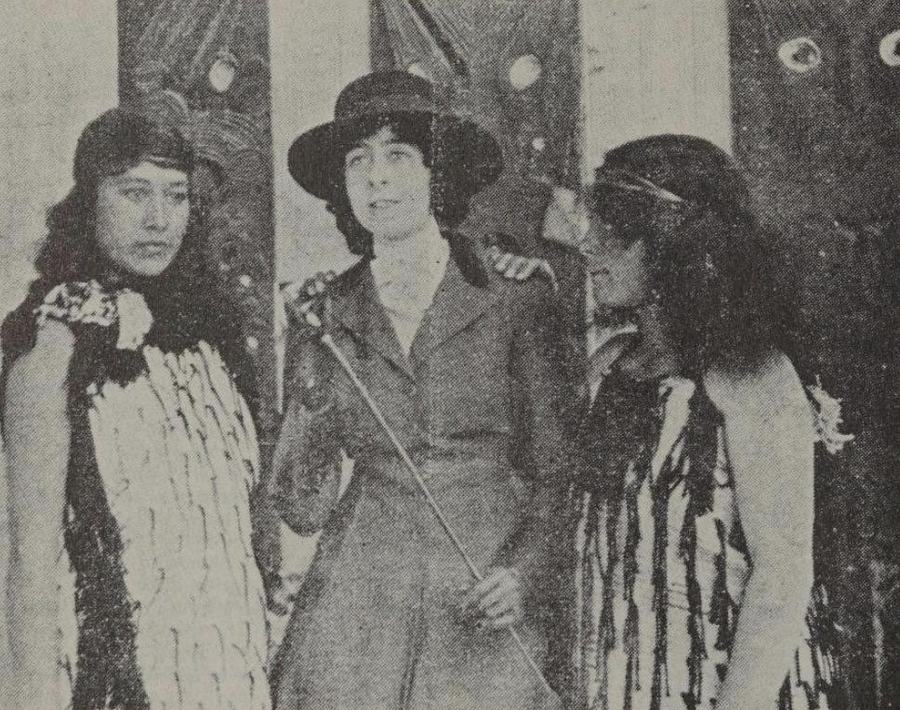
The film also touches upon themes of fate and spiritualism. The Māori belief systems are presented not as superstitions, but as tangible forces that influence the characters' lives. This contrasts sharply with the more overt, almost gothic spiritualism of The Mysteries of Souls. Longford’s approach is more grounded, suggesting that the spiritual is woven into the very fabric of the earth. This thematic depth is what elevates the film above contemporary adventure yarns like Held for Ransom or the satirical fluff of A Texas Steer.
Discussing A Maori Maid's Love is bittersweet because, like so much of our cinematic heritage, it exists now only in fragments and written records. The volatility of nitrate film has robbed us of the full experience of Longford’s vision. When we compare this loss to the survival of films like Gambling Inside and Out, it highlights the precarious nature of film preservation. We are left to reconstruct the masterpiece in our minds, aided by contemporary reviews and the surviving stills that capture Lottie Lyell’s haunting presence.
What remains, however, is the legend. The film was a significant success upon its release, proving that there was a hunger for local stories told with international-level craft. It stood toe-to-toe with the grand spectacles of the day, such as Madame de Thebes or the Douglas Fairbanks vehicle The Lamb. Longford and Lyell were pioneers who understood that the power of cinema lay in its ability to reflect the unique beauty and conflict of one's own backyard, rather than merely imitating the output of London or Los Angeles.
A Maori Maid's Love is a foundational stone in the edifice of Australasian cinema. It is a film that dared to be local in an era of globalization, dared to be naturalistic in an era of theatricality, and dared to be empathetic in an era of prejudice. While we may never again see the full flickering light of its original projection, the influence of Raymond Longford and Lottie Lyell continues to ripple through the decades. This film is a reminder that cinema, at its best, is an act of love—love for the medium, love for the landscape, and love for the complex, beautiful, and often tragic human stories that define us all. It remains a ghostly masterpiece, beckoning us to remember our cinematic origins and the pioneers who paved the way for everything that followed.
IMDb 5.2
1930
Community
Log in to comment.