DbcultAccessing Vault...
Cult Review
Senior Film Conservator

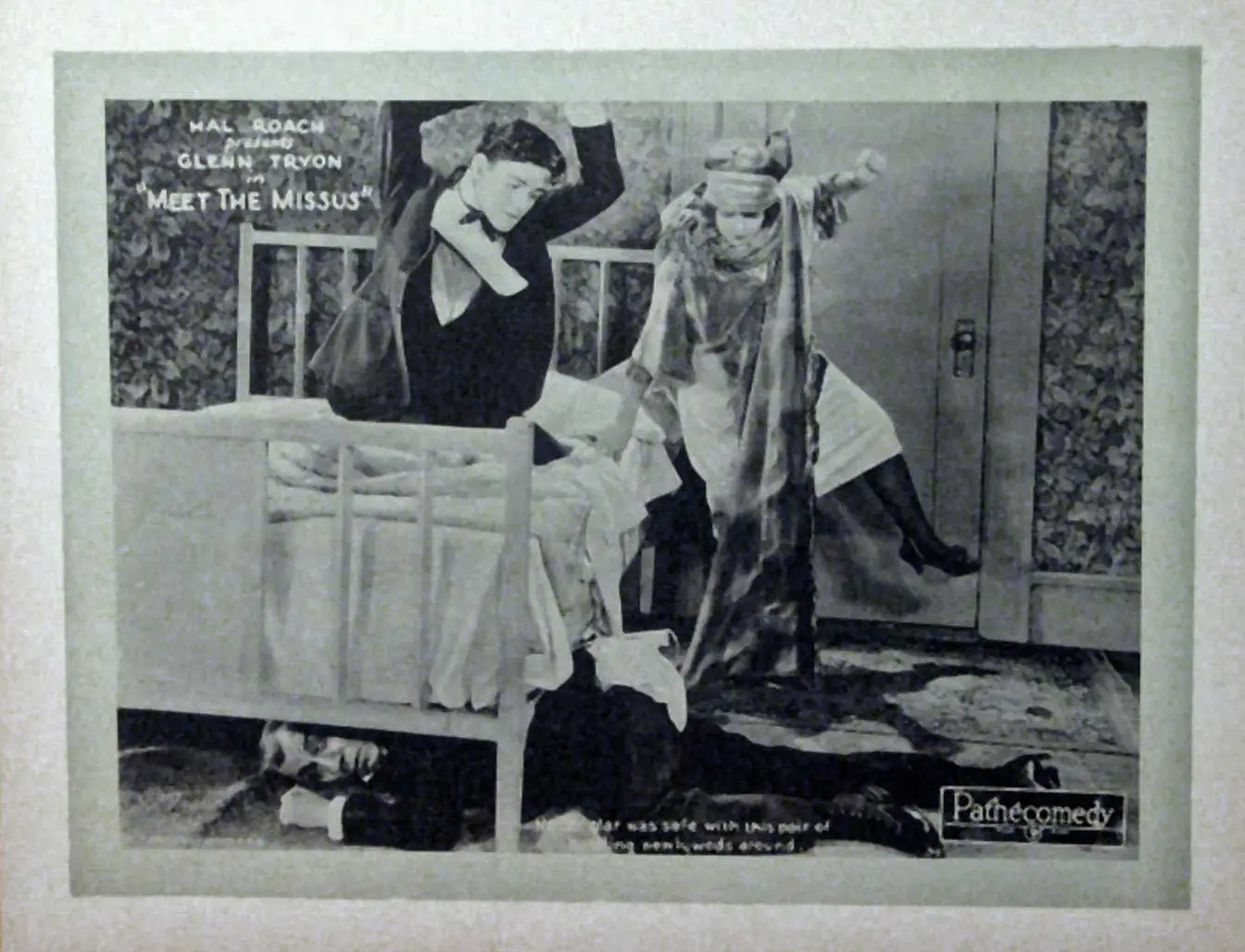
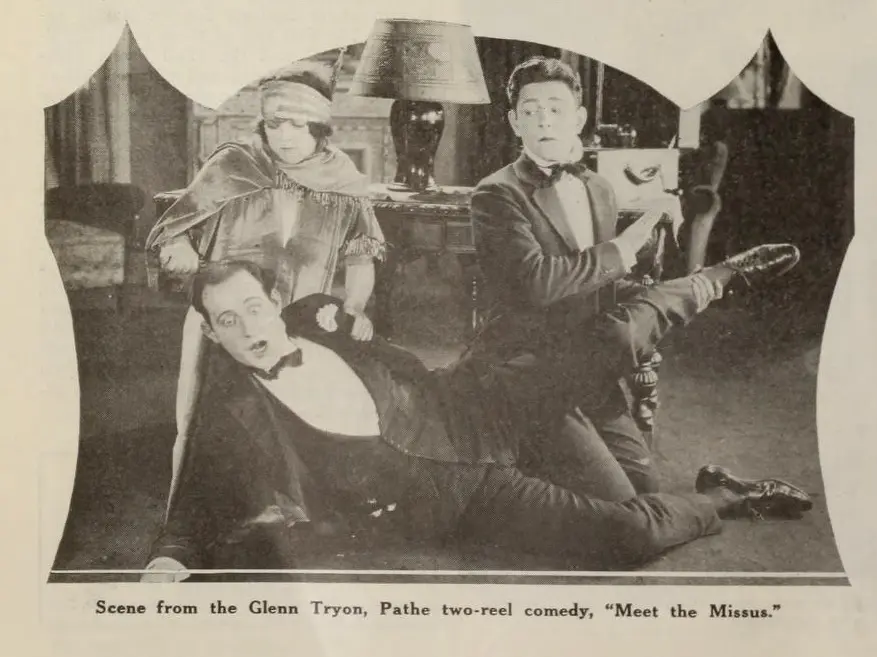
Meet the Missus
In the silent film era, comedies often relied on slapstick humor and exaggerated character portrayals to elicit laughter from audiences. However, amidst this backdrop of jest and jollity, certain films managed to transcend their period, offering nuanced explorations of the human condition. Meet the Missus, starring Glenn Tryon and Blanche Mehaffey as a young, financially strapped couple, is one such cinematic gem that warrants closer examination.
The film's narrative centers around the couple's efforts to impress the husband's boss, a formidable figure whose approval could potentially alleviate their economic woes. This setup serves as a catalyst for a series of misadventures, replete with comedic moments born from the couple's hapless attempts at sophistication and their ongoing marital discord. The character dynamics are expertly crafted, with Tryon and Mehaffey delivering performances that oscillate between humor and pathos.
One of the most striking aspects of Meet the Missus is its thoughtful portrayal of matrimonial relationships. The couple's interactions are characterized by a palpable sense of frustration and exasperation, yet their affection for each other is never in doubt. This nuanced depiction adds depth to the film, rendering it more than a simple comedy. Instead, it emerges as a poignant exploration of love, frustration, and the aspirations that define us.
In terms of thematic resonance, Meet the Missus shares certain similarities with Der siebente Kuß, which also explores the complexities of relationships and the human quest for connection. However, while Der siebente Kuß approaches its subject matter with a more somber tone, Meet the Missus balances humor and heart, creating a viewing experience that is both entertaining and thought-provoking.
The film's use of visual comedy and situational irony is reminiscent of A Zuni Kicking Race, which also employs comedic elements to explore cultural and social themes. Nevertheless, Meet the Missus distinguishes itself through its focus on character-driven storytelling and its exploration of universally relatable themes.
Upon closer inspection, it becomes evident that Meet the Missus is more than a simple romantic comedy. The film offers a searing critique of social class and the often-arbitrary standards that govern our perceptions of propriety and respectability. Through the couple's misadventures, the film cleverly exposes the absurdities of social aspiration, highlighting the tension between authenticity and pretension.
This critique is skillfully conveyed through the character of the husband's boss, whose imperious demeanor and exacting standards serve as a foil to the couple's well-meaning but hapless attempts at impressing him. The performance of Al Hallett in this role adds a layer of complexity to the narrative, underscoring the power dynamics at play and the ways in which social hierarchies can both constrain and motivate individuals.
The cinematography and production design of Meet the Missus also merit attention. The film's visual aesthetic, characterized by a blend of rustic settings and modest interiors, effectively captures the couple's economic circumstances and the limitations they face. This attention to detail enhances the film's realism, grounding its comedic elements in a tangible reality that audiences can readily identify with.
In comparison to other films of its era, such as Cold Feet and Overalls, Meet the Missus stands out for its nuanced characterization and thematic depth. While these films may share certain similarities in terms of their comedic tone and period setting, Meet the Missus distinguishes itself through its thoughtful exploration of relationships and social aspiration.
The performances of the supporting cast, including William Gillespie and Olive Borden, further enrich the film's texture, adding to the sense of community and social interaction that underpins the narrative. These characters, though secondary, contribute significantly to the film's emotional resonance, underscoring the interconnectedness of human experience.
In conclusion, Meet the Missus is a film that warrants recognition for its thoughtful exploration of matrimonial dynamics, social ambition, and the human condition. Through its nuanced characterization, comedic elements, and poignant themes, the film offers a viewing experience that is both entertaining and reflective. As a cinematic artifact, it provides valuable insights into the silent film era, while its themes and character portrayals continue to resonate with contemporary audiences.
Ultimately, Meet the Missus serves as a testament to the enduring power of cinema to capture the complexities of human experience. Its exploration of love, frustration, and social aspiration continues to speak to audiences today, offering a timeless commentary on the human condition.
IMDb 7
1920
Community
Log in to comment.