DbcultAccessing Vault...
6.8/10
Senior Film Conservator
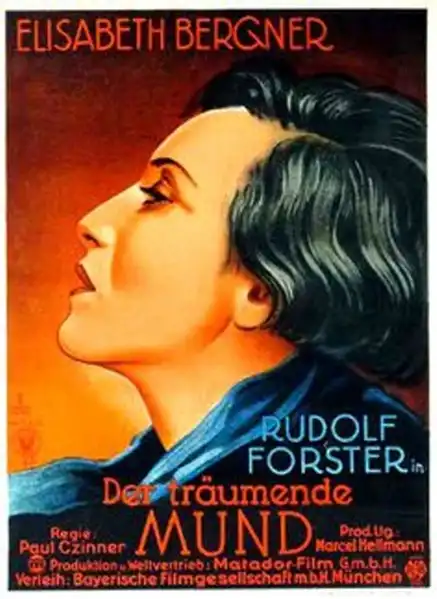
A definitive 6.8/10 rating for a film that redefined the boundaries of cult cinema. Melo remains a cornerstone of transgressive art.
If you’re in the mood for a dusty, deeply emotional play adapted by Germans in the early thirties, Melo is actually a pretty decent watch tonight. People who love watching actors stare intensely at tea cups will have a blast, but if you need things to actually happen at a fast pace, you’ll probably hate it and want to throw your remote at the screen.
It’s basically a classic love triangle. Romaine (played by Elisabeth Bergner) is married to a nice but slightly boring musician named Marcel, but then his super famous violinist friend Pierre rolls into town.
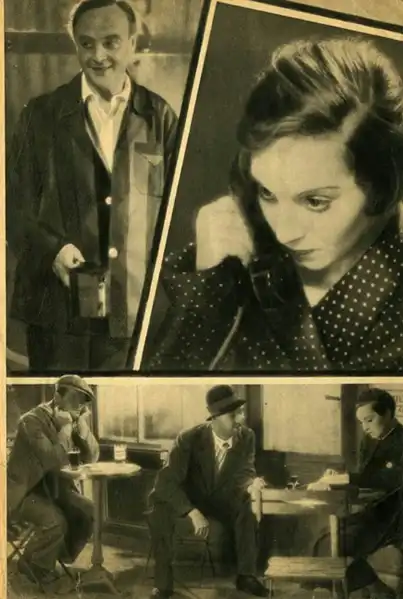
And boy, does Pierre have some serious vibes.
You can tell exactly where this is going the second they start talking about music. It’s that classic "our souls are playing the same tune" stuff that was super popular back then, similar to what you get in American dramas like The Divorcee, though this one feels way more European and quiet.
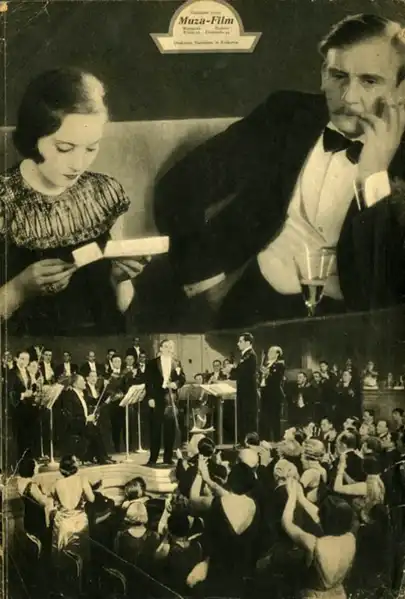
Elisabeth Bergner has this incredibly strange screen presence that I couldn't look away from. She does this thing where she giggles nervously during moments that are not funny at all, which honestly made me like her more because she feels like a real, awkward person instead of a polished movie star.
There is this one scene where she's making tea for Pierre and her hands are shaking so much the spoon keeps rattling against the cup. The camera just sits there and lets the rattling go on for what feels like a whole minute.
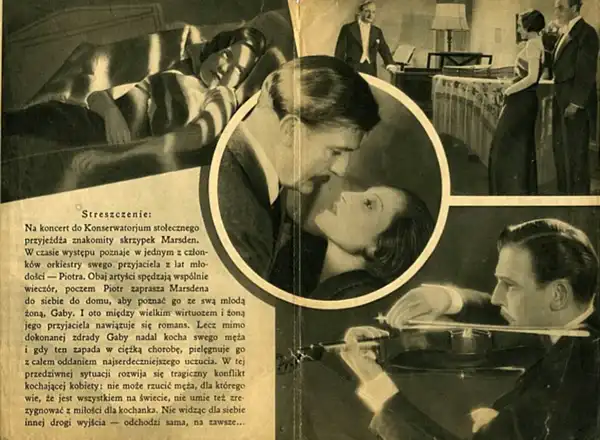
The sound design is incredibly sparse, which is typical for 1932 but works so well here. Sometimes there is just no noise at all except for the actor's shoes squeaking on what sounds like very cheap studio flooring.
It actually makes the tension feel much more real than if they had a giant orchestra blaring in the background to tell us how to feel. It’s greatest strength is defiantly how much it trusts the silence. 🤫
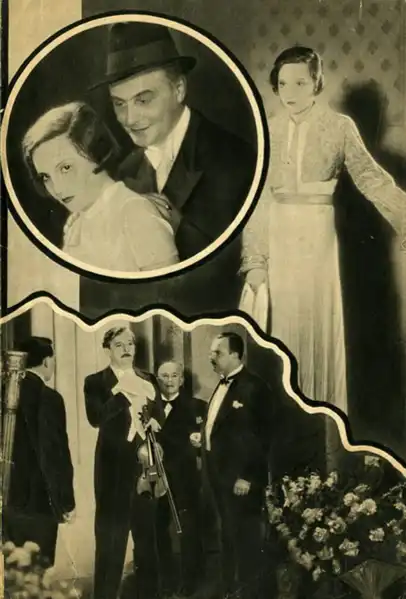
The husband, played by Anton Edthofer, is so oblivious it almost hurts to watch. He just beams at his wife and his best friend like a happy golden retriever who doesn't realize he's about to get locked out in the rain.
But then the movie takes a really dark turn in the second half. Without spoiling too much, there’s some poison involved, because of course there is—it’s a 1930s drama!
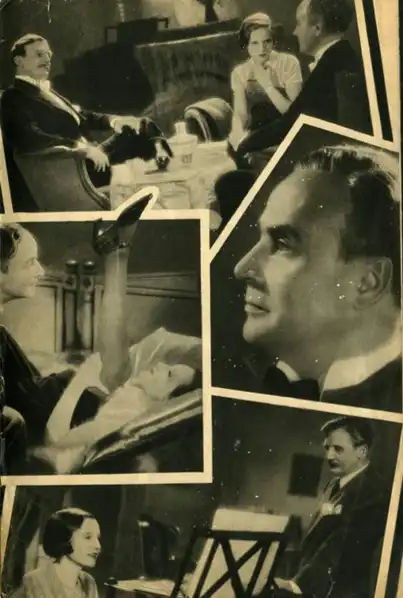
I did notice the camera tends to linger on Rudolf Forster's forehead a lot. Like, the director Paul Czinner was totally obsessed with his brow furrowing in close-up.
It gets a bit funny after the fourth time we get a giant shot of his eyebrows doing all the heavy dramatic lifting. If you've seen other early talkies like The Guilty One, you know how stiff these early sound films can get, but the actors here mostly escape that trap.
Is it a masterpiece? Probably not, and the ending feels a bit rushed and tidy compared to the messy buildup.
But it’s a neat little relic. Especially if you like watching people make terrible life choices while wearing gorgeous vintage knitwear.
IMDb 5.6
1932
Community
Log in to comment.