DbcultAccessing Vault...
4/10
Senior Film Conservator
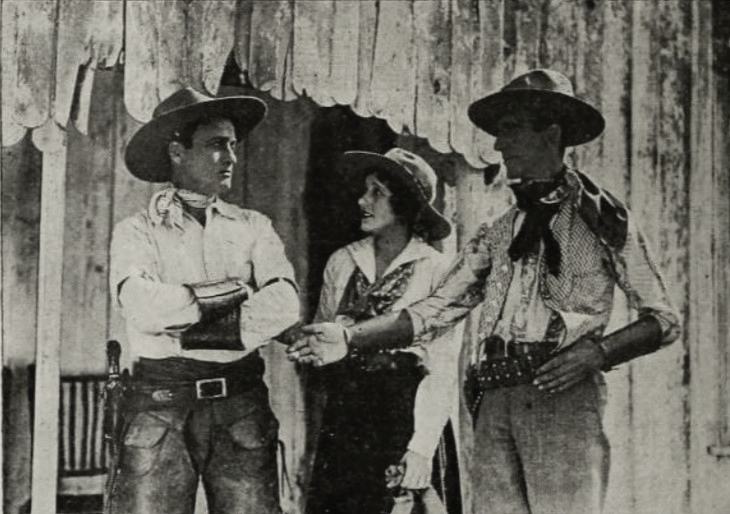
A definitive 4/10 rating for a film that redefined the boundaries of cult cinema. Men of the Desert remains a cornerstone of transgressive art.
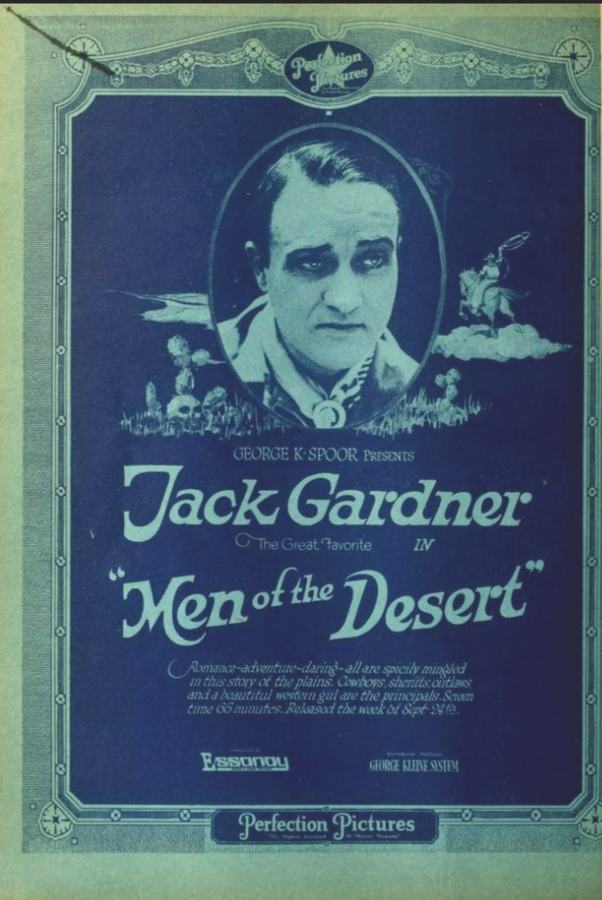
The early 20th century was a fertile ground for the nascent art of cinema, a period where the foundational myths of American identity were being etched onto celluloid with a raw, often visceral energy. Among the myriad narratives that captured the public imagination, the Western stood paramount, a genre that distilled the sprawling saga of a young nation into potent tales of heroism, villainy, and the relentless struggle against both nature and human folly. W.S. Van Dyke and Ed Gaylor's 1917 silent film, Men of the Desert, is a fascinating artifact from this era, a vivid snapshot of a genre in its formative years, showcasing the archetypes and narrative beats that would come to define it for decades. It's a film that, despite its age and silent format, speaks volumes about the enduring allure of the frontier and the complex tapestry of human nature woven into its stark landscapes.
The narrative thrust of Men of the Desert plunges us directly into the heart of a bitter, sanguinary feud, one that, as the film suggests, rivals the intensity of the mountain vendettas of the South, only transplanted to the parched, unforgiving canvas of the Great Western desert. Here, cattlemen and sheepmen are locked in a death dance, their disputes arbitrated not by law or reason, but by the cold, metallic logic of Winchester rifles and Colt revolvers. It's a world where life is cheap, and grudges run deeper than any well. This setting immediately establishes a tone of lawlessness and existential struggle, a common thematic thread in early Westerns, where the very concept of order is a fragile, often fleeting aspiration. The desert itself becomes a character, its vastness and desolation mirroring the moral vacuum that permits such sustained violence. The visual language of silent cinema, relying heavily on stark landscapes and exaggerated gestures, lends itself perfectly to this portrayal of a brutalized frontier.
Into this maelstrom of entrenched animosity wanders Jack, portrayed with a stoic charisma that would become a hallmark of the cowboy hero. He is not a man of the region, but a nomadic cowboy, an outsider whose moral rectitude stands in stark contrast to the prevailing culture of vengeance. His outspoken condemnation of the outlawry, a bold stance in a land where silence often meant survival, catches the ear of the local sheriff. In a moment that borders on cynical jest, yet carries the weight of a desperate plea, the sheriff hands Jack his badge, daring him to 'do any better.' This challenge, accepted with a quiet determination, marks Jack's transformation from observer to reluctant participant, a common trope where the outsider becomes the agent of change. His immediate success in apprehending a recent slayer, however, is met not with accolades, but with violent reprisal. The swift, brutal jailbreak orchestrated by the outlaw's companions underscores the deep-seated resistance to formal justice, revealing how thoroughly the community is beholden to its own violent code. Jack's subsequent wounding is not just a physical setback; it's a symbolic blow against the very idea of external law, highlighting the immense personal cost of challenging established disorder.
It is at this critical juncture that May, a girl of the ranch, enters the narrative, embodying the redemptive and nurturing spirit often found in the women of the Western genre. Her discovery of the desperately wounded Jack, half-dead amidst the desolation, is a pivotal moment. She doesn't just offer aid; she provides sanctuary, hiding him in an isolated hut and nursing him back to health with a quiet strength that belies the harshness of her surroundings. May's actions are not merely practical; they are an act of profound humanity, a counterpoint to the relentless cycle of violence that defines the desert. Her character, brought to life by Ruth King, represents hope and healing, a stark contrast to the destructive forces at play. This dynamic echoes themes seen in other films of the era, where female characters often serve as moral anchors or catalysts for change, even in the most perilous circumstances. One might draw a parallel to the fortitude seen in characters from films like The Honor of Mary Blake, where women navigate complex moral landscapes with remarkable resilience.
The fragile peace of their hidden refuge is inevitably shattered when the feudists discover Jack's hiding place. This forces another desperate flight, a sequence that would have been a thrilling spectacle in its day, relying on the visceral power of chase and evasion inherent in silent action sequences. Jack's decision to hold a narrow canyon against their pursuers while May dashes across the desert for aid is a classic Western trope: the heroic last stand, a display of individual courage against overwhelming odds. It's a moment designed to heighten tension and underscore the dire stakes. Jack Gardner, in the role of Jack, would have conveyed this through intense physical acting, a necessity in the absence of dialogue. The narrative builds to a crescendo, suggesting Jack's life is all but forfeit, only to deliver a stunning reversal: May returns, not with the sheriff or the cavalry, but with the *opposing* faction of the feudists. This unexpected alliance, born of May's desperate plea and perhaps a glimmer of shared humanity or strategic interest, is the turning point. It's a testament to the idea that even in the most entrenched conflicts, new allegiances can be forged, and old enmities can be momentarily set aside when faced with a common threat or a compelling plea for justice.
The climax of Men of the Desert is as symbolic as it is dramatic. The rescue of Jack by the rival faction sets the stage for a truly remarkable resolution. The wedding between Jack and May, solemnized on the very battleground where so much blood had been shed, becomes the ultimate act of reconciliation. It's a powerful statement: love, embodied by this union, transcends the bitter divisions that have plagued the desert. The marriage doesn't just signify personal happiness; it acts as a symbolic bridge between warring factions, bringing an end to the long-standing feud and restoring a semblance of order to the chaotic landscape. This thematic resolution, while perhaps idealistic, speaks to a deeply held American belief in the power of unity and the possibility of renewal, even in the most desolate circumstances. It’s a narrative arc that transforms personal romance into a catalyst for community-wide peace, a common, if often romanticized, conclusion in many Westerns seeking to affirm order out of chaos. This resolution offers a compelling contrast to films like Sin, which often explored the destructive nature of human passions without such a redemptive counterpoint.
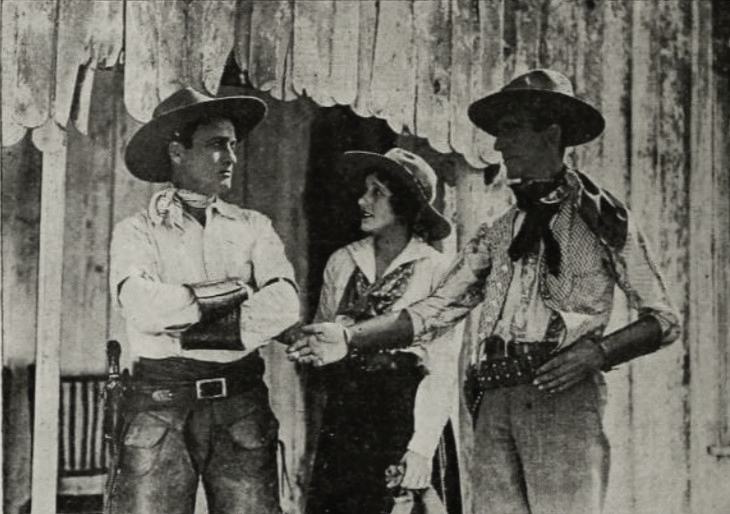
In a silent film, the burden of storytelling falls heavily upon the actors' physicality and facial expressions. Bert Woodruff, Ruth King, Carl Stockdale, and Jack Gardner, comprising the principal cast, would have relied on a repertoire of gestures and melodramatic expressions to convey their characters' inner lives and the unfolding drama. While specific nuances are lost to time and the scarcity of detailed contemporary reviews, the plot demands a clear delineation of heroism, villainy, and virtue, which these actors would have been skilled at delivering within the conventions of the era. W.S. Van Dyke, credited as one of the writers alongside Ed Gaylor, would later become a prolific and versatile director, known for his efficiency and ability to handle a wide range of genres, from musicals to adventure films. His early work here, even in a writing capacity, likely contributed to the film's brisk pacing and clear narrative progression, hallmarks of effective silent storytelling. The direction, though uncredited in the plot summary, would have been crucial in composing shots that maximized visual impact, understanding how to use the vastness of the desert to emphasize isolation or danger, and choreographing action sequences to maintain audience engagement without spoken dialogue. This early craftsmanship, while perhaps less refined than later works, laid the groundwork for the sophisticated visual storytelling that would follow.
When considering Men of the Desert, it's essential to place it within the broader context of the burgeoning Western genre. Films like The Lone Star Rush or The Valiants of Virginia, also from this period, explored similar themes of frontier life, conflict, and the forging of new societies. What distinguishes Men of the Desert is its particular focus on reconciliation, a narrative choice that elevates it beyond a mere tale of revenge or survival. It posits that even the most deeply ingrained hatreds can be overcome, not necessarily by external force, but by acts of compassion and the unifying power of shared humanity, symbolized by the bond between Jack and May. This message, delivered through the stark visual language of silent cinema, resonates with an optimistic spirit often found in early American narratives. The film, in its simplicity and directness, captures a certain purity of genre, before the Western became more self-aware or began to deconstruct its own myths. It’s a foundational piece, contributing to the rich tapestry of stories that cemented the cowboy as an iconic figure in global popular culture.
For modern audiences, watching a film like Men of the Desert offers more than just entertainment; it's a journey back in time, a tangible link to the origins of cinematic storytelling. It reminds us of an era when narrative clarity, visual spectacle, and emotional resonance had to be achieved without the aid of spoken dialogue or complex sound design. The reliance on intertitles, musical accompaniment (often live), and the expressive power of the human face and body created a unique form of engagement. This film, like many of its contemporaries, served to define the grammar of cinema, establishing conventions that would influence generations of filmmakers. Its portrayal of the American West, while romanticized, reflects the prevailing cultural understanding and desires of its time – a yearning for order, justice, and the triumph of good over malevolent forces. The performances, while perhaps seeming broad by today's standards, were precisely what was required to communicate across the barrier of silence. The film stands as a testament to the ingenuity and foundational vision of early cinematic pioneers who, with limited technology, managed to craft compelling stories that continue to echo through the corridors of film history. It's a compelling reminder that the roots of modern blockbusters lie in these seemingly simple, yet profoundly impactful, silent narratives.
Men of the Desert may not possess the grand scale or intricate psychological depth of later Western masterpieces, but it offers something equally valuable: an authentic glimpse into the genre's nascent form. It’s a story told with earnestness, highlighting themes that remain perennially relevant: the struggle for justice in a lawless land, the redemptive power of love and compassion, and the possibility of reconciliation even amidst the deepest divides. The dramatic arc, from relentless feud to a wedding on the battlefield, is a powerful, if somewhat idealized, vision of resolution. It’s a film that, through its stark visuals and the silent eloquence of its actors, captures the spirit of an era and the enduring appeal of the American frontier. For anyone interested in the evolution of the Western or the early days of cinema, Men of the Desert is a valuable and surprisingly resonant watch, a reminder of the foundational narratives that shaped our understanding of heroes, villains, and the vast, untamed spaces where destiny was forged.
IMDb 6.1
1915
Community
Log in to comment.