DbcultAccessing Vault...
6.6/10
Senior Film Conservator
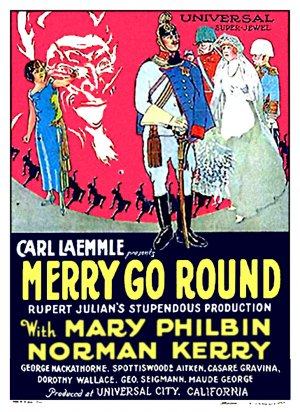
A definitive 6.6/10 rating for a film that redefined the boundaries of cult cinema. Merry-Go-Round remains a cornerstone of transgressive art.
Erich von Stroheim. The very name conjures images of unbridled cinematic ambition, lavish excess, and a relentless pursuit of realism, often to the chagrin of studio executives. His films, even those marred by studio interference, possess an unmistakable grandeur, a psychological depth that few contemporaries could match. 'Merry-Go-Round,' a production famously wrestled from his control, stands as a poignant testament to his vision, a tantalizing glimpse into what might have been, even as it offers a compelling, if truncated, narrative of desire and deceit in imperial Vienna.
The film plunges us into a world of stark contrasts, where the glittering, suffocating opulence of the Austro-Hungarian aristocracy collides with the earthy, vibrant world of a Viennese Prater circus. At its heart is Count Franz Maxmilian von Hohenegg, portrayed with a captivating blend of aristocratic hauteur and underlying vulnerability by Norman Kerry. Franz, a nobleman burdened by his station, finds himself engaged to Gisella, the formidable daughter of the War Minister, a union of political expediency rather than passion. This arranged marriage, a common trope in many dramas of the era, including perhaps a more straightforward exploration of societal pressures in a film like Within the Law, sets the stage for Franz's internal conflict.
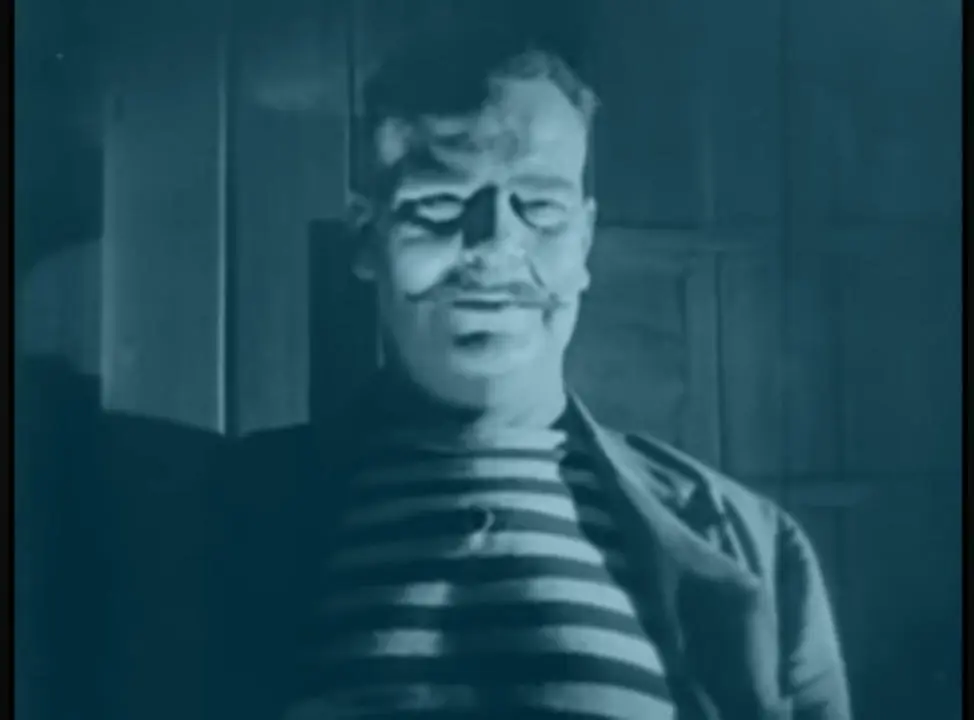
Seeking a respite from the suffocating dictates of his class, Franz dons a disguise, posing as a humble necktie salesman. It is in this assumed identity that he encounters Agnes, a captivating carousel girl and the daughter of a circus puppeteer, brought to life with an ethereal innocence and burgeoning emotional complexity by Mary Philbin. Their connection is immediate, an electric spark ignited across the chasm of their social standing. This forbidden romance, a passionate rebellion against the rigid social stratification, forms the narrative's emotional core. The tension between their genuine affection and the crushing weight of Franz's obligations is palpable, reminiscent of the societal critiques found in films like Syndens datter, where moral transgressions often stem from social constraints.
The screenplay, credited to Mary O'Hara, Harvey Gates, Finis Fox, and Stroheim himself, even in its final, edited form, retains much of the director's distinctive thematic preoccupations. Stroheim was a master at dissecting the hypocrisies of the upper class, their moral decay often hidden beneath a veneer of exquisite manners and extravagant lifestyles. The contrast between Franz's two worlds – the suffocating grandeur of his family estate and the vibrant, if coarse, authenticity of the circus – is meticulously rendered. We see the stark difference in the way love and loyalty are expressed, or rather, suppressed, in these disparate environments.
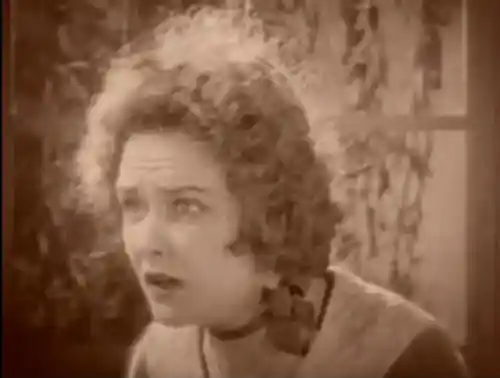
The ensemble cast, a veritable who's who of character actors from the era, contributes significantly to the film's rich tapestry. Maude George, a frequent collaborator with Stroheim, brings her signature intensity to her role, while Charles King and Eugene H. Roth add layers to the supporting cast. The film is populated by a vibrant array of individuals, from the stern patriarchs like Spottiswoode Aitken and
The performances under Stroheim's direction, even when filtered through subsequent reshoots and edits by Rupert Julian, retain a remarkable authenticity. Norman Kerry's Franz is a man perpetually caught between worlds, his internal struggle often conveyed through subtle glances and gestures. Mary Philbin, as Agnes, embodies the innocence that is simultaneously a strength and a vulnerability, making her character's eventual heartbreak all the more profound. The supporting cast, including Albert Edmondson, Donald Hughes, Jane Sherman, Tommy Hicks, Rolfe Sedan, Dale Fuller, Tex Marcell, Sidney Bracey, Maurice Talbot Crosbie, Helen Broneau, Lillian Sylvester, Albert Conti, Dorothy Wallace, Sadie Campbell, Ella McKenzie, Ida Mae McKenzie, and Fenwick Oliver, all contribute to the rich, lived-in feel of the film's world. This meticulous attention to character, even in the periphery, is a hallmark of Stroheim's approach, elevating the narrative beyond a simple melodrama.

The story of 'Merry-Go-Round' is inextricably linked to the legend of Erich von Stroheim's uncompromising directorial style. His notorious perfectionism, his insistence on historical accuracy, and his penchant for extravagant sets and costumes often led to ballooning budgets and extensive shooting schedules. While these traits often put him at odds with the studios, they also resulted in films of unparalleled visual richness and psychological depth. We see echoes of this struggle in the tales of other directors battling for artistic control, though perhaps none as famously as Stroheim. His vision, even when heavily re-edited, shines through, particularly in the detailed portrayal of Viennese life and the emotional authenticity of his characters.
The film's sets, designed to replicate imperial Vienna with astonishing detail, are a character in themselves. From the opulent ballrooms to the bustling, grimy circus grounds, every frame is imbued with a sense of place. This commitment to verisimilitude was revolutionary, a stark contrast to the often more theatrical or abstract settings found in many films of the period, perhaps even more so than the adventurous backdrops of The Adventures of Robinson Crusoe, which relied on exoticism rather than meticulous historical recreation.
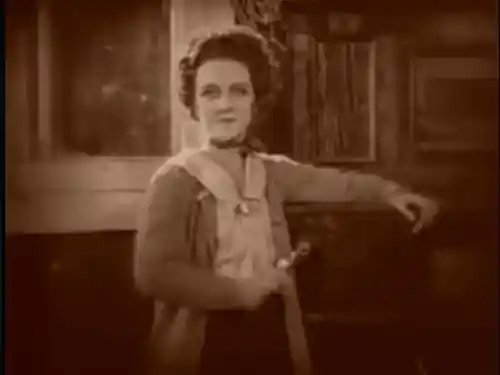
Beyond the surface romance, 'Merry-Go-Round' delves into profound themes. The class divide is not merely a backdrop but a driving force of the tragedy. Franz's inability to truly escape his birthright, despite his desires, highlights the rigid social structures of the era. The film subtly critiques the hypocrisy inherent in a society that values appearances and lineage over genuine emotion and individual happiness. This thematic depth positions it alongside other introspective dramas of the period, perhaps even finding resonance with the more intimate character studies seen in films like Man-Woman-Marriage or His Brother's Wife, though with a grander, more operatic scale.
The film's ending, particularly in its original Stroheim cut, reportedly embraced a darker, more fatalistic conclusion, a hallmark of his worldview. Even in its modified form, a sense of tragic inevitability permeates the narrative. The 'merry-go-round' itself serves as a powerful metaphor for the cyclical nature of life, love, and loss, and the inescapable forces that guide human destinies. The characters are caught in a whirl, unable to step off, destined to repeat patterns or suffer the consequences of attempting to defy them. This symbolic resonance elevates the film beyond a mere romantic drama, imbuing it with a philosophical weight.
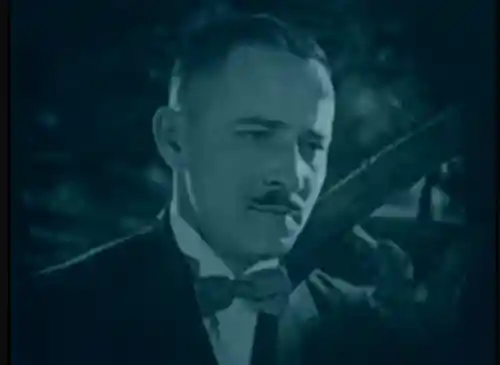
Released in 1923, 'Merry-Go-Round' arrived during a pivotal moment in silent cinema. Filmmakers were pushing the boundaries of visual storytelling, exploring complex narratives and character motivations without spoken dialogue. Stroheim was at the forefront of this movement, his films often demanding a sophisticated visual literacy from their audiences. Compared to simpler narratives like Better Times or more overtly comedic fare, 'Merry-Go-Round' represents a commitment to a more mature, adult form of cinematic expression. It stands as a testament to the expressive power of the medium before the advent of sound irrevocably altered its landscape.
The film's troubled production history, with Stroheim being removed and Rupert Julian stepping in to complete and re-edit, is a significant part of its legend. This kind of studio intervention, though not uncommon, highlights the power struggles between artistic visionaries and commercial imperatives that defined much of early Hollywood. It's a tale that resonates with other instances of creative clashes in film history, where the director's initial intent was diluted or transformed, much like the changing tides of public opinion captured in earlier works such as The Breath of a Nation, which dealt with societal shifts.
Despite its compromised state, 'Merry-Go-Round' remains a vital piece of cinematic history. It showcases Stroheim's unparalleled ability to create immersive worlds, to populate them with complex, flawed characters, and to explore universal themes of love, loss, and societal constraints with unflinching honesty. For those interested in the evolution of film as an art form, or in the fascinating, often tumultuous, career of one of its most idiosyncratic auteurs, 'Merry-Go-Round' is essential viewing. It's a film that, even in its fragmented form, speaks volumes about the human condition and the power of cinema to capture its intricate nuances.
The sheer ambition of the project, the detailed world-building, and the raw emotional performances elevate it beyond a mere curiosity. It invites contemplation on the nature of destiny, the weight of social expectations, and the fleeting beauty of forbidden love. While we can only speculate on the full impact of Stroheim's original vision, the existing film is a powerful testament to his genius, a silent epic that continues to captivate and provoke thought, much like the enduring mysteries presented in films such as Mr. Wu or the moral quandaries of Acquitted. Its narrative complexity and visual richness ensure its place as a significant work, a grand, tragic waltz on the merry-go-round of life and fate, a cinematic experience far removed from the more straightforward charm of a film like Charity Castle or the focused intrigue of Torchy's Frame-Up. It is a film that, like a beautifully crafted Cathedral Builder, stands as a monument to artistic endeavor, even if its spires were never fully completed to the architect's original design. It contrasts sharply with the lighter fare of films like Little Miss Nobody (1917) or the direct historical narrative of ME, der Kaiser!, offering instead a deeply personal and emotionally charged exploration of human folly and passion. Even a film like Irish Eyes, with its cultural specificity, doesn't quite capture the universal yet uniquely Viennese tragedy of 'Merry-Go-Round'.
IMDb —
1919
Community
Log in to comment.