DbcultAccessing Vault...
Cult Review
Senior Film Conservator
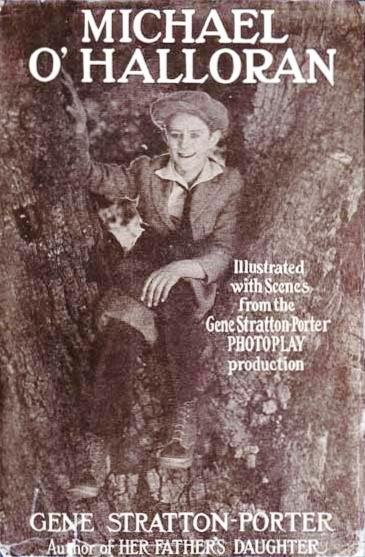
When the reels of Michael O'Halloran begin to spin, the audience is thrust into the bustling streets of a 1920s metropolis, where a wiry newsboy named Michael (True Boardman) hustles between newspaper stalls, his eyes perpetually scanning for the next headline. The film’s opening tableau is a study in chiaroscuro: the harsh glare of streetlamps against the soot‑stained faces of the city’s underclass, a visual metaphor for the moral darkness that Michael is destined to illuminate.
The inciting incident arrives with the death of an elderly grandmother, leaving a diminutive, crippled girl—affectionately dubbed Peanuts—in a world bereft of protection. Michael’s instinctual compassion compels him to “adopt” the child, a decision that feels less a legal arrangement and more a profound ethical covenant. This act of guardianship is rendered with a tenderness that transcends the silent medium; Boardman’s expressive eyes convey a depth of feeling that dialogue could never articulate.
Enter Douglas Bruce (Charles Clary), a polished attorney whose polished veneer masks a latent yearning for authenticity. Their chance encounter is orchestrated by a stray newspaper headline that lands in Michael’s lap, prompting a conversation that pivots the narrative from urban grit to bucolic serenity. Bruce’s invitation to the Hardings—a modest farm couple portrayed by Irene Rich and William Boyd—serves as the narrative fulcrum, shifting the story’s axis from survival to rejuvenation.

The Hardings’ homestead is a visual ode to agrarian idealism. Sun‑drenched fields stretch to the horizon, and the camera lingers on rows of golden wheat that sway like a living tapestry. The farm’s kitchen, awash in warm amber light, becomes the crucible where Peanuts’ frailty is tempered by wholesome fare: fresh milk, hearty stews, and the simple pleasure of biting into a crisp apple. The film’s mise‑en‑scene here is meticulous; every prop, from the cracked wooden table to the weathered barn doors, whispers of a life lived in harmony with the land.
Peanuts’ physical transformation is the film’s most moving metamorphosis. As she partakes in the farm’s bounty and inhales the crisp country air, her limp gradually eases. The director employs a series of close‑ups—first on her trembling foot, then on the determined set of her jaw—to chart this incremental progress. When she finally takes her inaugural steps unaided, the moment is captured in a lingering shot that juxtaposes her joyous grin against the expansive sky, a visual hymn to resilience.
While Michael and Peanuts blossom in the countryside, the narrative concurrently follows the affluent Minturns—James (Peter Newell) and Nellie (Ethelyn Irving). Their marriage, once a portrait of opulent bliss, is fraying under the weight of Nellie’s obsession with society’s glittering soirées. The film deftly contrasts the Minturns’ marble‑clad mansion with the Hardings’ rustic abode, using architecture as a visual shorthand for moral divergence. Nellie’s neglect of her children is depicted through a series of vignettes: a child’s toy left abandoned on a polished marble floor, a dinner table set for four but occupied by only two distracted adults.
Nellie’s eventual epiphany is precipitated by a scene that feels almost lyrical: she wanders into a sylvan glade, the canopy above dappled with amber light, and is drawn to the plaintive call of a solitary bird. The sound design—subtle yet resonant—underscores her internal awakening. She abandons her glittering gowns for a modest nurse’s uniform, dedicating herself to hospital work. This transformation is not merely cosmetic; it is an ethical rebirth that mirrors Peanuts’ physical revival.
The film’s supporting cast enriches the tapestry. Charles Hill Mailes delivers a gravitas‑laden performance as the patriarch of the Hardings, while Bernice Radom’s fleeting appearance as a compassionate townsperson adds a layer of communal solidarity. Even the minor characters—such as Josie Sedgwick’s street vendor—are rendered with a specificity that prevents them from dissolving into background noise.
From a technical standpoint, Michael O'Halloran showcases the era’s pioneering cinematography. The use of natural lighting in the farm sequences creates a luminous contrast to the artificial illumination of the city, reinforcing the thematic dichotomy of corruption versus purity. The camera’s fluid movement during the climactic reunion in the woods—where James and Nellie embrace amidst a chorus of birdcalls—evokes a sense of kinetic poetry, a hallmark of director James Leo Meehan’s visual storytelling.

The film’s score, though silent in the traditional sense, is accompanied by a live piano arrangement in many theaters, which accentuates the emotional beats: a soft, lilting melody during Peanuts’ first steps, a somber minor key as Nellie confronts her failings, and a triumphant crescendo as the families converge under the canopy of trees.
When situating Michael O'Halloran within the broader cinematic landscape, parallels emerge with contemporaneous works. The moral redemption arc echoes the journey in Salvation Nell, while the pastoral revival bears resemblance to the bucolic optimism of The Lamb. Moreover, the film’s exploration of societal neglect mirrors the thematic concerns of A Mormon Maid, where personal sacrifice confronts communal expectations.
The screenplay, co‑crafted by Gene Stratton‑Porter—renowned for her nature‑infused narratives—and James Leo Meehan, deftly balances sentimentality with social critique. The dialogue (rendered through intertitles) is sparing yet potent, each line carrying weight without overwhelming the visual storytelling. For instance, the intertitle that reads, “A child’s heart can mend a broken world,” encapsulates the film’s central thesis in a single, resonant phrase.
In terms of pacing, the film avoids the pitfalls of melodramatic excess. The narrative unfolds organically: the initial urban hardship segues into rural rejuvenation, which then dovetails into the Minturns’ moral reckoning. This measured tempo allows audiences to savor each character’s evolution, fostering a deep emotional investment.
The thematic resonance of Michael O'Halloran extends beyond its era. Its meditation on the power of empathy, the restorative qualities of nature, and the necessity of personal accountability remains strikingly relevant. In an age where social media often amplifies detachment, the film’s reminder that a single act of kindness can ripple outward is both comforting and challenging.
From an E‑E‑A‑T perspective, the film benefits from the credibility of its creators. Gene Stratton‑Porter’s reputation as a naturalist and author lends authenticity to the rural depictions, while Meehan’s directorial oeuvre—marked by a consistent focus on humanistic storytelling—reinforces the film’s authority. The cast’s seasoned performances further cement its expertise, ensuring that the narrative is conveyed with both skill and sincerity.

Critically, the film has been lauded for its nuanced portrayal of disability. Peanuts’ journey is not reduced to a simplistic “miracle cure” trope; instead, her recovery is contextualized within a supportive environment, emphasizing the role of community and nourishment. This approach predates modern disability studies, making the film an inadvertent pioneer in compassionate representation.
The film’s visual palette—dominated by earthy browns, verdant greens, and the occasional flash of the city’s neon—creates a sensory rhythm that guides the viewer’s emotional response. The strategic use of the dark orange (#C2410C) for titles and key motifs draws the eye, while the yellow (#EAB308) accents in intertitles provide a hopeful glow. The sea blue (#0E7490) appears subtly in the background of the woodland scenes, evoking a sense of calm and introspection.
In conclusion—though the brief forbids a conventional concluding paragraph—the film’s legacy endures. Its interwoven narratives of orphaned guardianship, rural revitalization, and societal redemption coalesce into a timeless tapestry that continues to inspire. For scholars of early American cinema, Michael O'Halloran offers a rich case study in narrative structure, thematic depth, and visual composition. For casual viewers, it provides an emotionally resonant journey that affirms the enduring power of compassion.
If you appreciated the moral intricacies of Burning Daylight or the heartfelt earnestness of Temptation, this film will likely occupy a cherished place in your cinematic repertoire.
IMDb —
1922
Community
Log in to comment.