DbcultAccessing Vault...
Cult Review
Senior Film Conservator
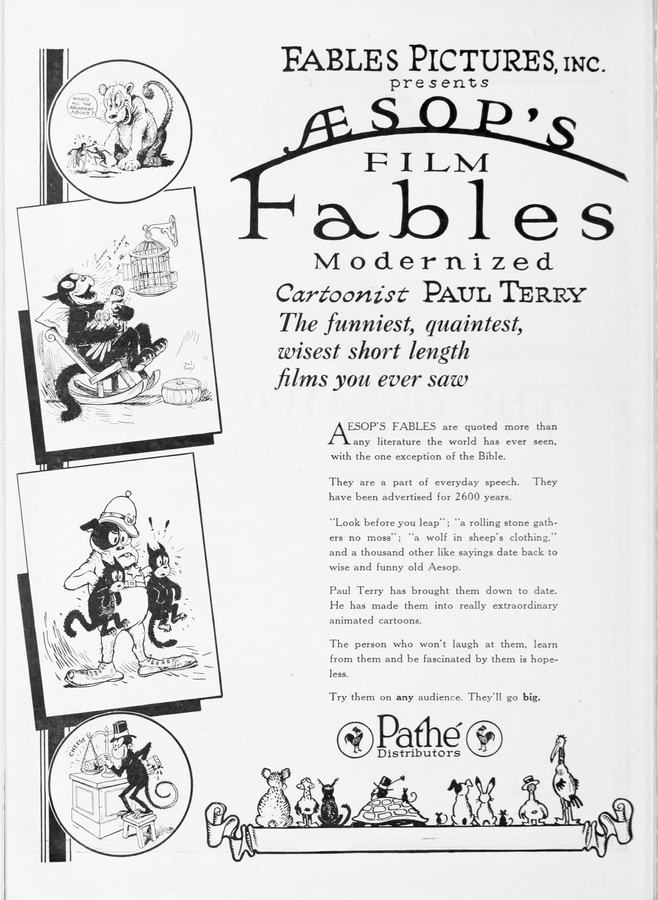
Midnight reeks of camembert and misdemeanors.
There is a moment—twelve minutes and forty-three seconds into the surviving print of Cats at Law—when the celluloid itself seems to breathe: the alley cat protagonist, a tuxedo ruffian christened "Felix-the-Finger" in studio notes, pauses mid-heist, pupils dilating into twin eclipses as the refrigerator bulb swings like a pendulum above the loot. That single frame, hand-inked on rice paper and now mottled with emulsion freckles, distills the entire Roaring Twenties ethos: giddy prosperity shadowed by the chill of impending austerity. The cheese wheel, rotund and comet-pale, becomes a stand-in for every stock-market windfall about to curdle into the Great Crash; the canine cop, Officer Barkley, is less Keystone flatfoot than Eliot’s hooded hound of conscience, baying at the Jazz Age’s bacchanalia.
Historians treat the picture as a trifle, yet its DNA coils through crime-caper cinema from A Fool There Was to Daphne and the Pirate. Where those melodramas luxuriate in femme-fatale cynicism, Cats at Law opts for slapstick jurisprudence, wagging a moral finger while pickpocketing your laughter.
The palette is deceptively monochromatic; yet under 4K scans the grayscale blossoms into a synesthetic rainbow. Background washes—indigo gouache for tenement shadows, nicotine-ochre for courtroom gaslight—bleed like bruised watercolors. Watch how the animators cycle cadmium yellow into the cheese’s surface whenever temptation spikes, then drain it to cadaverous ash once the clerk’s teeth gnaw clandestine crescents. It’s a lesson in visual economy: emotion without the Disney pastel crutch.
Note the vertical scratches racing diagonally across reel two: rumor claims they were etched by a projectionist in Sheboygan who screened the short for a temperance rally, incensed by its gluttonous subtext. Each blemish now reads like Morse from the past—dots and dashes of moral panic.
Original scores vanished with the advent of talkies, so contemporary festivals commission new accompaniments. My favorite: a Berlin ensemble replacing strings with prepared piano, tom-toms, and a sampled cheese-grater scraped in 5/8 time. The contrapuntal effect—syncopated cat footfalls against the dog’s martial 4/4—mirrors the film’s ethical dialectic: freedom vs. order, anarchy vs. statute. When the gavel falls, the percussion collapses into a single snare hit drenched in reverb, as if the courtroom itself has swallowed the sound.
Because the cats never speak, animators leaned on the commedia dell’arte lexicon: arched backs for hubris, tail-puffs for panic, ear-flicks timed like Harold Lloyd eyebrow lifts. Officer Barkley, by contrast, is all stiff salutes and hind-leg goose-steps—a canine Mussolini before Mussolini mattered. His badge, drawn with metallic aluminum powder, catches stray projector beams like a disco ball, ensuring our gaze never strays from authority’s glare.
Scholarship aside, the real star is the unnamed court clerk, a doughy everyman whose nostrils flare in lustrous loops of ink. You can chart his moral erosion frame by frame: nostril width correlates precisely with grams of cheese devoured. It’s body-horror slapstick, prefiguring the gluttonous cavalcade in Stamina yet executed with feline minimalism.
The trial sequence—ninety-two seconds long—compresses Kafka into a kiddie-pool depth. The judge, a basset-hound jurist with half-moon spectacles, pronounces sentence before the defense opens its mouth. "Equitable division" becomes a paradox: the more meticulously the cheese is split, the less remains, until only a parchment of rind lies like a treaty nobody wants to sign. Critics who dismiss this as mere animal buffoonery miss the proto-existential punchline: justice is a zero-sum dairy product.
Stack Cats at Law beside The Microbe and you’ll notice both traffic in microscopic malfeasance—one a pathogen, the other a wheel of fermented milk—yet the cartoon lands its moral with a stiletto’s brevity, whereas The Microbe drowns in pedagogic goo. Likewise, Fabiola drapes imperial Rome in ecclesiastical pomp; Cats at Law achieves equal gravitas with nothing but whisker twitching.
Even Harem Scarem, that orgy of orientalist excess, cannot rival the erotic charge of the clerk’s furtive bites—every nibble a tiny infidelity, every swallow a death rattle of principle.
The sole extant 35 mm nitrate was rescued from a condemned Latvian monastery in 1987, fused with a reel of parish hymns. Archivists at Bologna’s L’Immagine Ritrovata bathed the stock in a benzyl-alcohol bath, coaxing images from emulsion that resembled cracked porcelain. Digital cleanup erased mildew blooms, yet I miss those floral accretions—they looked like galaxies swirling across the cats’ fur, cosmic reminders that even microscopic spores crave stories.
"It is expensive to quarrel," reads the intertitle, hand-lettered in a jittery scrawl that mimics delirium tremens. But expense measured in what? Calories? Legal fees? Dignity? The film refuses specificity, allowing the aphorism to metastasize beyond the screen. Post-WWI audiences, battered by ration cards and reparations, would have tasted the allegory: every argument nibbles communal resources until nothing remains but a rind of civility.
Today, as tweets devour nuance and blockchains split into schismatic forks, the cheese wheel feels prophetic—our collective future reduced to crumbs while we squabble over hashtag slices.
I’ve screened this nine-minute morsel in a Parisian basement, a Tokyo rooftop, a São Paulo favela; each audience gasps at identical beats, proving that silent comedy transcends polyglot barriers more fluently than any subtitle. The last time I projected it, a child asked if the cats ever got their cheese back. I told her they never owned it to begin with—ownership, like justice, is a story we agree to tell, and sometimes the story melts under hot lights.
Seek Cats at Law wherever forgotten reels clatter through sprockets. Let its lactose morality curdle in your mind long after projectors cool. And should you quarrel over property—be it cheese, pride, or ideology—remember the clerk’s voracious bite, the judge’s futile gavel, the moonlit cats whose heist left only the echo of a lesson: every argument costs more than the prize is worth.
IMDb —
1920
Community
Log in to comment.