DbcultAccessing Vault...
Cult Review
Senior Film Conservator
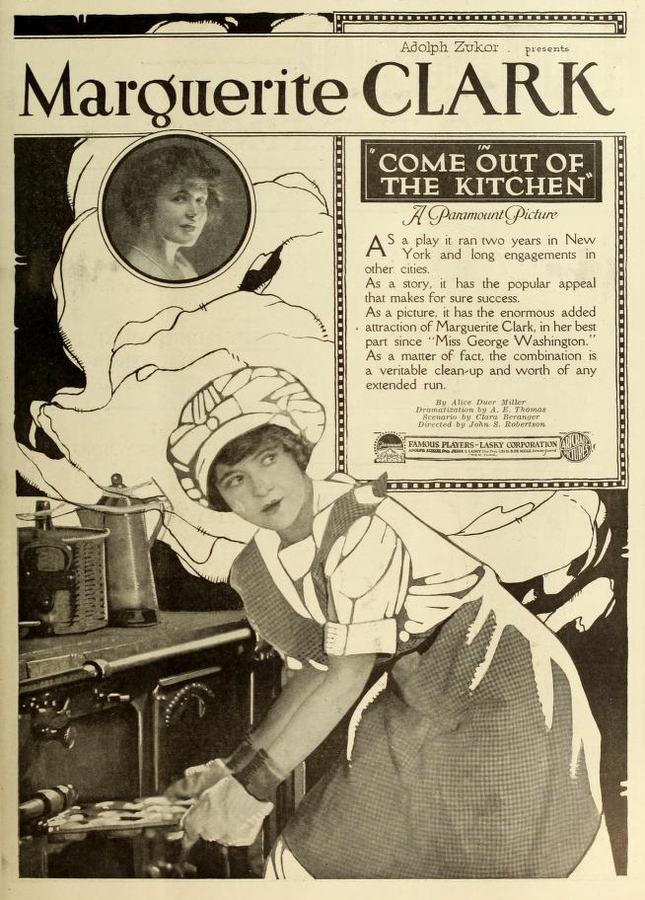
Stepping back into the nascent days of cinema, one often unearths treasures that speak volumes about the era's sensibilities, its burgeoning storytelling techniques, and the magnetic pull of its earliest stars. Among these cinematic artifacts, 1917's Come Out of the Kitchen emerges as a particularly charming example of a foundational comedic trope: the delightful chaos born of mistaken identity and social masquerade. It's a film that, even a century later, retains a palpable effervescence, largely thanks to its spirited narrative and the incandescent presence of its leading lady, Marguerite Clark.
The premise, while seemingly simple, is meticulously crafted to maximize both humor and heart. We are introduced to Olivia Dangerfield, portrayed with exquisite charm by Clark, a young woman facing financial duress alongside her brother. Their solution? To undertake the rather unconventional path of domestic servitude within the fastidiously run, almost militarily organized household of Mrs. Falkner. This initial setup immediately establishes a fertile ground for comedic friction, juxtaposing the free-spirited Dangerfields with the rigid decorum expected by their exacting employer. The very idea of individuals of a certain social standing, even if temporarily fallen, being forced into such roles was, for contemporary audiences, a source of both dramatic tension and inherent amusement.
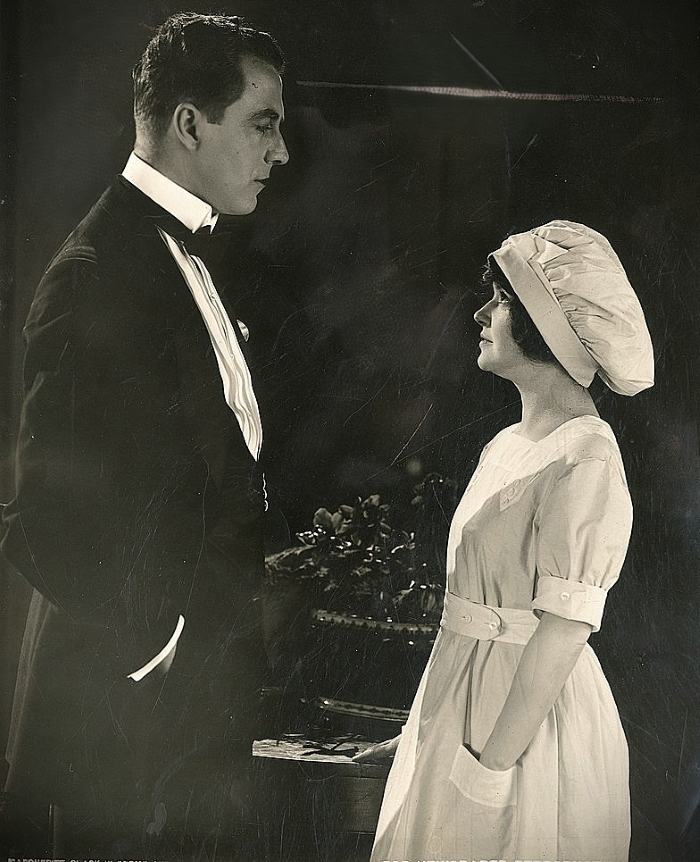
The true spark of the narrative, however, ignites when fate, in the form of a legal entanglement, conveniently removes the household's original culinary staff from the scene. It is at this pivotal juncture that Olivia, with a daring blend of desperation and ingenuity, seizes the opportunity. Despite possessing a culinary repertoire best described as rudimentary, she boldly assumes the prestigious mantle of a master cook. This audacious gambit is the engine of the film's comedic drive, presenting Olivia with a series of increasingly elaborate challenges as she attempts to maintain the illusion, often relying on quick wit and sheer luck to navigate the gastronomic expectations of the Falkner manor. The silent film medium proves remarkably adept at conveying her internal struggles and external bluffs through expressive facial cues and gestural comedy, a testament to Clark's skill.
Adding another delicious layer to this confection of deception is the arrival of Burton Crane, played by the dashing Eugene O'Brien. Crane, the suitor of Mrs. Falkner's daughter, finds himself inexplicably drawn to the mysterious, supposedly brilliant new cook. His attraction, initially based on the exquisite (and often outsourced) meals, quickly evolves into a genuine fascination with Olivia herself, completely unaware of her true identity or her ingenious culinary charade. This burgeoning romance across perceived class lines is a classic narrative device, beautifully deployed here to heighten the stakes and introduce a genuine emotional core amidst the farcical elements. The dynamic between Clark and O'Brien crackles with a delightful chemistry, making their eventual connection feel both earned and inevitable, despite the elaborate web of deceit.
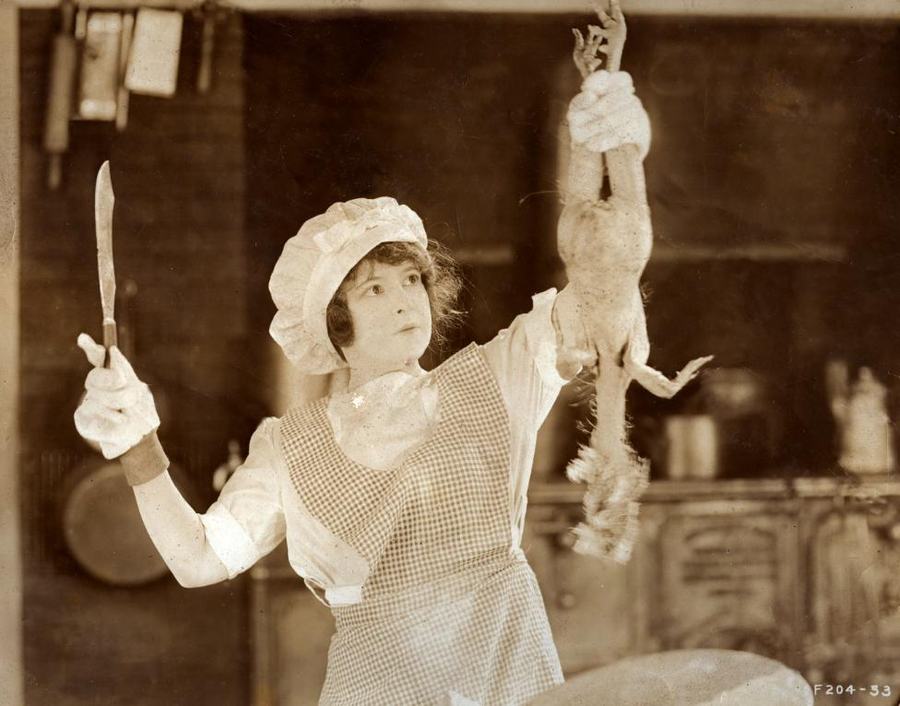
Marguerite Clark's performance as Olivia is, without hyperbole, the beating heart of Come Out of the Kitchen. Her ability to convey a spectrum of emotions – from plucky determination to fleeting panic, from mischievous delight to genuine romantic longing – with such clarity in the absence of spoken dialogue is truly remarkable. Clark was a significant star of her era, known for her delicate beauty and vivacious screen presence, and this film perfectly showcases her particular brand of charm. She imbues Olivia with an infectious spirit that makes her relatable, even admirable, despite her deception. One cannot help but root for her as she navigates the culinary minefield and the emotional landscape of her burgeoning romance. Her physical comedy is subtle yet effective, her expressions a masterclass in silent film acting. It's a performance that holds its own, perhaps even shining brighter, when considered alongside other contemporary leading ladies navigating similar comedic scenarios, such as the social maneuvering seen in films like Her Great Match or the spirited resilience often depicted in pictures like The Stepping Stone.
The supporting cast, too, contributes significantly to the film's overall success. Eugene O'Brien, as Burton Crane, is the epitome of the silent era's romantic lead – handsome, earnest, and capable of conveying deep affection with a glance. His interactions with Clark are pivotal, providing the romantic counterpoint to the comedic deception. Crauford Kent, as Olivia's brother, offers a grounding presence and occasionally acts as her co-conspirator or bewildered confidante, adding another layer of familial warmth and occasional exasperation to the mix. Augusta Anderson's portrayal of Mrs. Falkner is perfectly pitched; she embodies the fastidious, upper-crust matriarch with an almost intimidating precision, making Olivia's attempts to outwit her all the more delightful. The minor characters, too, are cast with an eye for detail, contributing to the bustling, authentic atmosphere of a wealthy household. The collective performances create a believable, albeit heightened, world where the comedic stakes feel genuinely impactful.
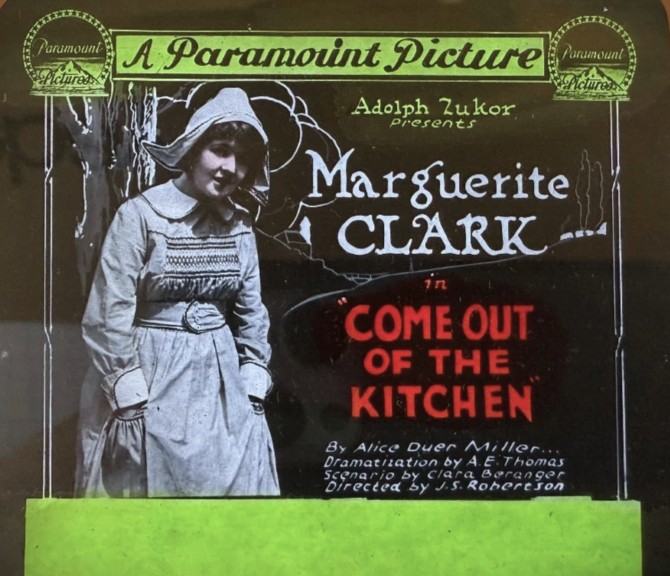
Behind the camera, the collaborative efforts of writers Clara Beranger, Alice Duer Miller, and A.E. Thomas are evident in the film's well-structured narrative. Adapting from a popular stage play or novel of the time, they demonstrate a keen understanding of how to translate intricate plot mechanics and character nuances into the visual language of silent cinema. The pacing is brisk, the comedic beats are well-timed, and the progression of the romantic subplot feels organic despite the underlying deception. The intertitles, which serve as the film's dialogue and narrative exposition, are judiciously employed, providing just enough information without bogging down the visual storytelling. This careful balance ensures that the audience remains engaged, following Olivia's increasingly precarious situation with bated breath and frequent amusement. The narrative's cleverness in allowing Olivia to succeed through a combination of wit and circumstance, rather than pure culinary skill, is a testament to the writers' ability to craft an engaging, sympathetic protagonist.
Thematic depth, though often subtle in early comedies, is certainly present in Come Out of the Kitchen. At its core, the film is a delightful exploration of class dynamics and the often-arbitrary nature of social distinctions. Olivia's ability to seamlessly infiltrate and even thrive in an environment far removed from her own highlights the artificiality of societal stratification. Her deception, rather than being portrayed as purely villainous, is presented as a resourceful act of survival, prompting audiences to question the very definitions of status and authenticity. The film also touches upon themes of female agency, with Olivia actively taking control of her destiny and manipulating circumstances to her advantage, a refreshing portrayal for the era. The romance between Olivia and Burton further underscores the idea that genuine connection can transcend superficial boundaries, echoing sentiments found in other romantic narratives of the time, such as those that might have been explored in The Man on the Box, which also dabbled in class-bending romantic entanglements.
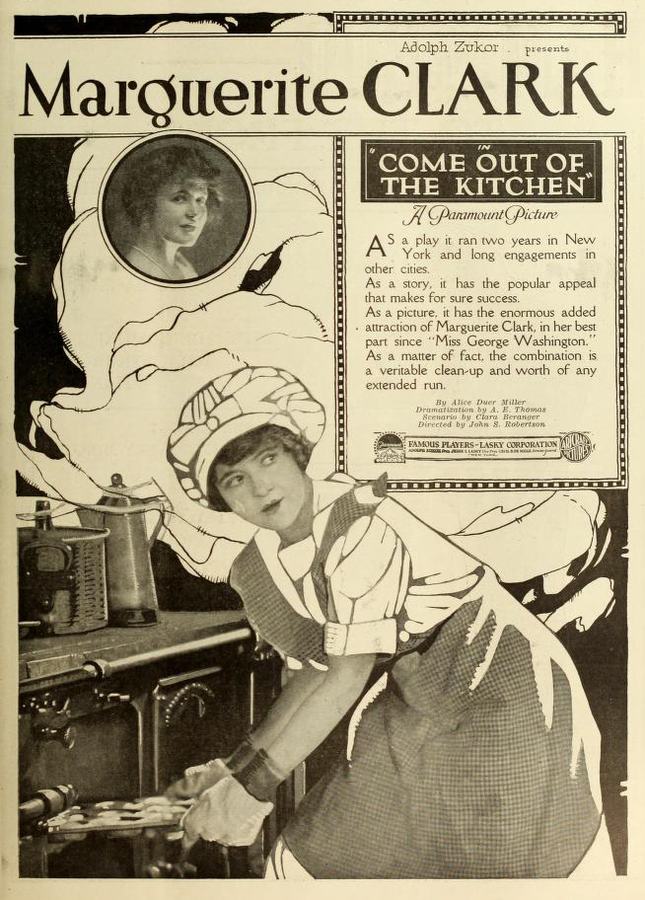
From a visual perspective, the film is a charming artifact of its period. The sets, depicting the grandeur of the Falkner home and the bustling activity of its kitchen, are meticulously designed, immersing the viewer in the domestic sphere of the early 20th century elite. The costumes, particularly those worn by Marguerite Clark, are elegant and reflective of contemporary fashion, further enhancing the film's visual appeal. The cinematography, while perhaps not revolutionary by today's standards, is effective in its use of medium shots and close-ups to capture the nuances of performance and the unfolding comedic situations. The film's aesthetic contributes significantly to its immersive quality, allowing the audience to suspend disbelief and fully embrace Olivia's precarious charade. The attention to detail in the production design helps to solidify the class divide that Olivia so cleverly exploits, making her transformation from servant to 'master cook' all the more visually striking.
Placing Come Out of the Kitchen within the broader context of early cinema reveals its quiet significance. While not a groundbreaking epic or a deeply profound drama like some of its contemporaries, it represents the robust output of popular entertainment that defined the silent era. It is a testament to the enduring appeal of well-executed romantic comedy, a genre that has continued to captivate audiences for over a century. Compared to films grappling with more somber themes, such as the moral quandaries explored in God's Crucible or the intense character studies found in Sonad skuld, this film offers a refreshing lightness and an optimistic outlook on life's challenges. It reminds us that cinema, even in its earliest forms, was adept at providing escapism, laughter, and heartwarming romance. Its ability to create a compelling narrative with minimal resources, relying heavily on the expressive power of its actors and the clarity of its storytelling, is a hallmark of the era.
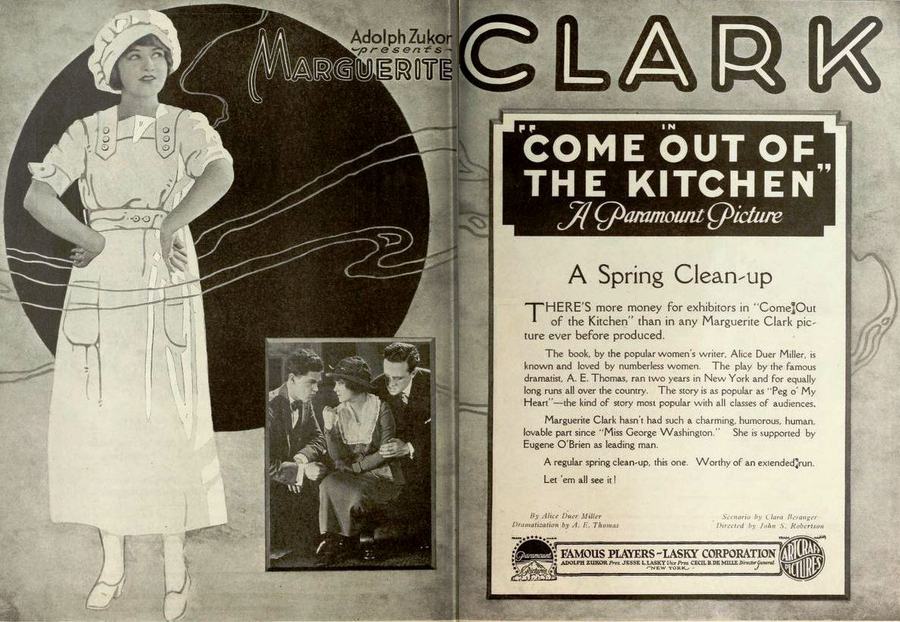
The film's legacy, though perhaps not as widely discussed as some canonical silent features, lies in its pure entertainment value and its exemplary showcase of Marguerite Clark's talents. For enthusiasts of silent cinema, it offers a delightful glimpse into the comedic sensibilities and social commentary prevalent during the 1910s. It serves as a reminder that the fundamentals of engaging storytelling – compelling characters, clever plots, and a touch of romance – have remained remarkably consistent throughout cinematic history. The film's enduring charm is a testament to the timeless appeal of a good-hearted charade, where love ultimately triumphs over social artifice and genuine character shines through any disguise. It's an invitation to appreciate the foundational elements of film that continue to resonate with audiences today, proving that a well-told story, even without spoken words, can leave a lasting impression.
In conclusion, Come Out of the Kitchen is more than just a historical curiosity; it's a vibrant, engaging piece of early filmmaking that deserves rediscovery. Its clever plot, sparkling performances, and charming execution make it a thoroughly enjoyable experience. It's a film that, with its gentle humor and heartwarming romance, serves as a delightful testament to the enduring power of silent cinema to captivate and entertain, proving that a little bit of culinary deception can indeed lead to the sweetest of outcomes.
IMDb 6
1935
Community
Log in to comment.