DbcultAccessing Vault...
Cult Review
Senior Film Conservator
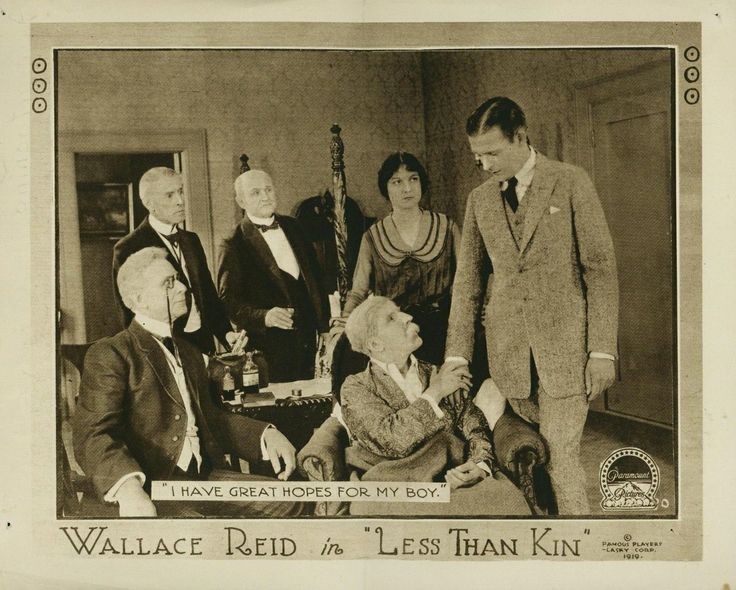
Cinema in 1918 was an art form in the throes of a profound metamorphosis, shedding its short-form chrysalis to embrace the sprawling complexities of the feature-length narrative. At the vanguard of this evolution stands Less Than Kin, a film that grapples with the existential dread of identity with a sophistication that belies its age. Directed by Donald Crisp and penned by the formidable Marion Fairfax and Alice Duer Miller, the film serves as a haunting exploration of the 'Doppelgänger' trope, long before the psychological thriller became a codified genre.
The premise—a man fleeing a crime only to inherit the sins of a stranger—echoes the thematic weight seen in other contemporary works like The Secret Man. However, where other films might focus on the procedural element of the chase, Less Than Kin pivots inward, examining the spiritual erosion that occurs when one attempts to live within the skin of another. Wallace Reid, the 'King of Paramount,' delivers a performance of startling duality, managing to imbue both Vickers and Lee with distinct kinetic energies despite their identical features.
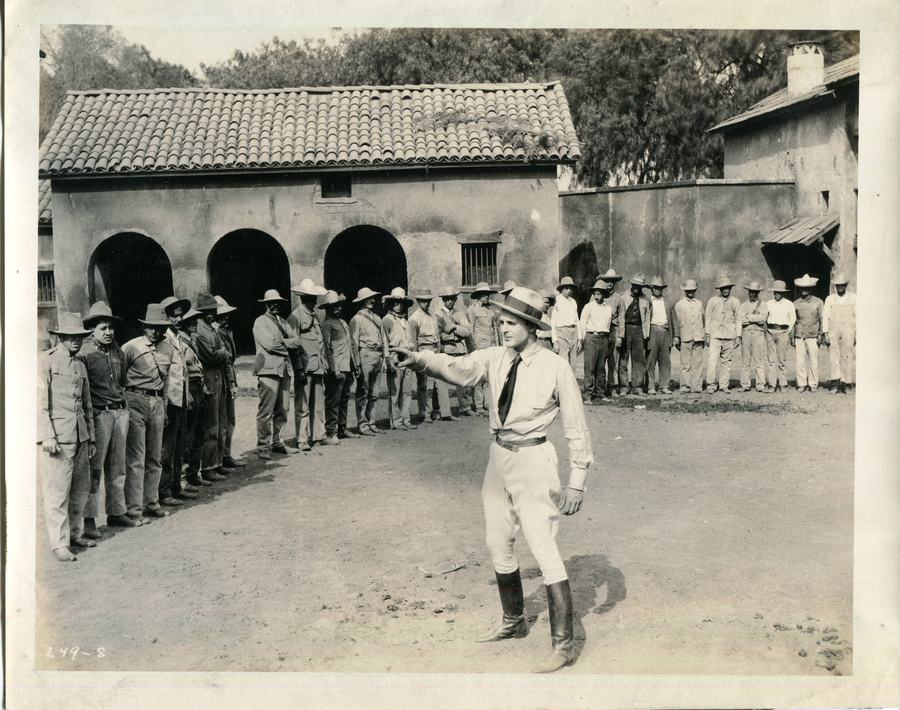
The film’s first act is a masterclass in atmosphere. The Central American setting is not merely a backdrop but a visceral representation of Vickers' internal displacement. The humidity seems to seep through the celluloid, creating a sense of stagnation that contrasts sharply with the frantic energy of the New York sequences. When Vickers encounters Robert Lee, the visual storytelling relies on a clever use of double exposure—a technical marvel for 1918—that forces the audience to confront the uncanny nature of their resemblance.
This sequence serves as a pivot point. The deathbed scene, where Lee begs Vickers to assume his name, is played with a somber intensity that avoids the melodramatic pitfalls of the era. It is a Faustian bargain struck in the mud of the tropics. Vickers isn't just seeking freedom; he is seeking an erasure of self. This thematic thread of self-annihilation is a recurring motif in early 20th-century literature, and its translation to the screen here is remarkably potent, reminiscent of the atmospheric tension found in The Lash.
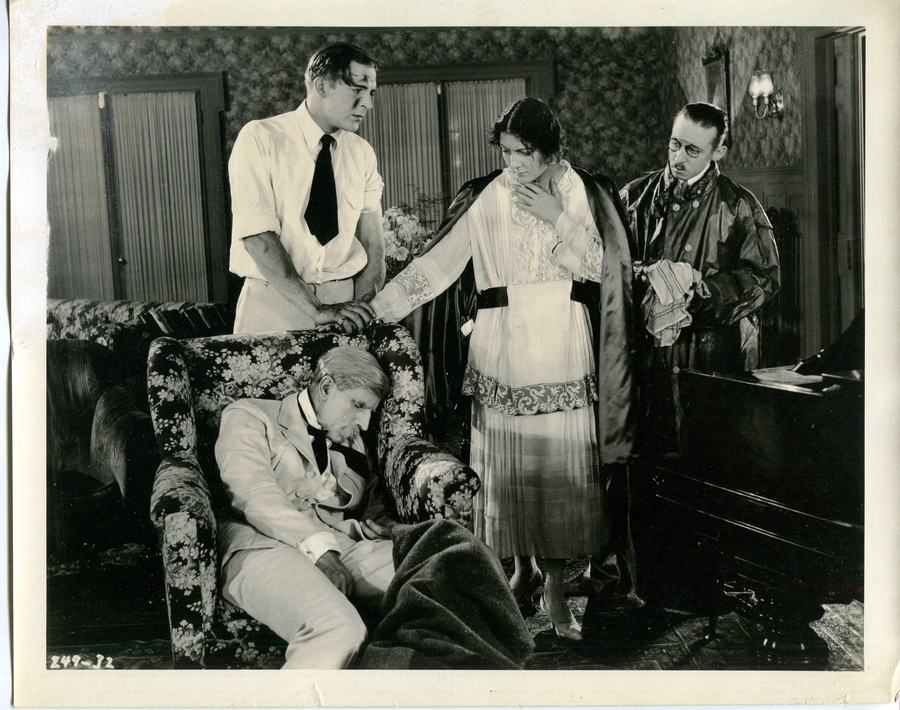
Upon his arrival in New York, the film shifts from an adventure-drama into a biting social satire and domestic tragedy. Vickers-as-Lee expects a sanctuary; instead, he finds a minefield. The irony is delicious and cruel: he has traded a single crime of passion for a lifetime of systemic moral failure. The revelation of Lee’s 'blotted past'—the debts, the abandoned wife, the confused children—serves as a critique of the upper-class facade that was a hallmark of Fairfax’s writing.
The domestic sphere becomes a stage for a high-stakes performance. Vickers must navigate the intricacies of a life he never lived, a challenge that Reid portrays with a blend of panicked improvisation and growing empathy. The presence of the adopted daughter, played with luminous grace by Ann Little, introduces a romantic catalyst that complicates the deception. Their chemistry is the emotional anchor of the film, providing a stark contrast to the transactional nature of Lee’s previous relationships. It’s a dynamic that mirrors the delicate romantic tensions in Madame Butterfly, though with a decidedly different trajectory.
Donald Crisp’s direction is characterized by a restrained elegance. He avoids the over-the-top gesticulation that often mars silent cinema, opting instead for nuanced blocking and expressive close-ups. The cinematography by Guy Wilky captures the opulence of the Lee estate with a sharpness that highlights the coldness of the environment. Every frame feels deliberate, every shadow a potential reveal of the truth Vickers is so desperate to hide.
"In the silent era, the face was the landscape of the soul. Reid’s ability to project the internal conflict of a man living a lie is nothing short of revolutionary for the time."
The screenplay by Marion Fairfax and Alice Duer Miller deserves significant praise. At a time when many scripts were rudimentary, they crafted a narrative of intricate layers and sharp dialogue (conveyed through evocative intertitles). The pacing is brisk, yet it allows for moments of quiet reflection, particularly during Vickers' solitary moments where the weight of his stolen identity becomes almost unbearable. This narrative density is something we also see in the layered storytelling of Souls in Pawn.
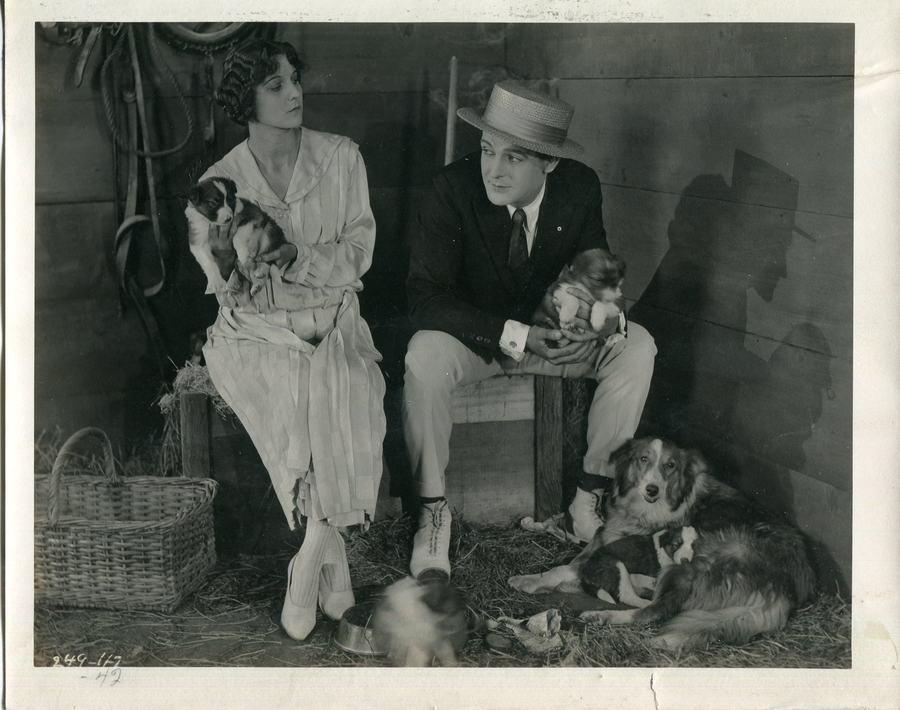
While Reid is the undeniable sun around which the film orbits, the supporting cast provides a rich tapestry of early Hollywood talent. Noah Beery brings his trademark gravitas to the screen, while Raymond Hatton and James Neill offer performances that ground the more fantastical elements of the plot. The arrival of Lee’s 'undesirable family' acts as the narrative’s ticking clock, heightening the tension and forcing the inevitable collapse of Vickers' house of cards.
This influx of characters from Lee’s past serves a dual purpose: it provides comedic relief through social awkwardness while simultaneously deepening the moral stakes. Vickers’ realization that he cannot truly 'save' the girl while remaining a ghost is the film’s moral peak. It’s a realization that echoes the thematic struggles found in Burning the Candle, where the past is a debt that must eventually be paid in full.
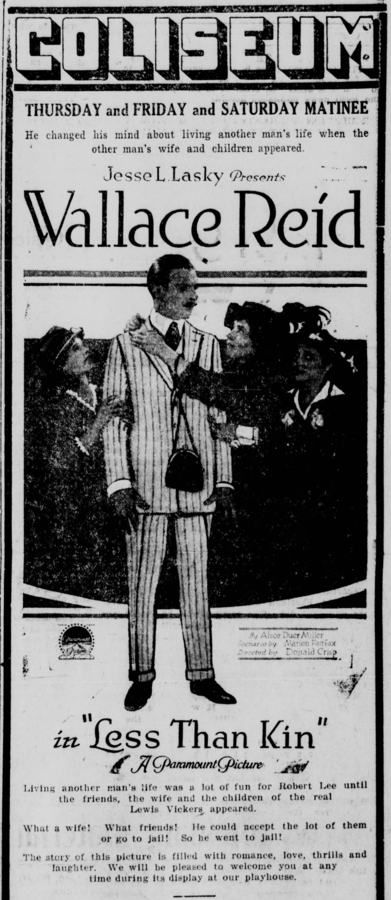
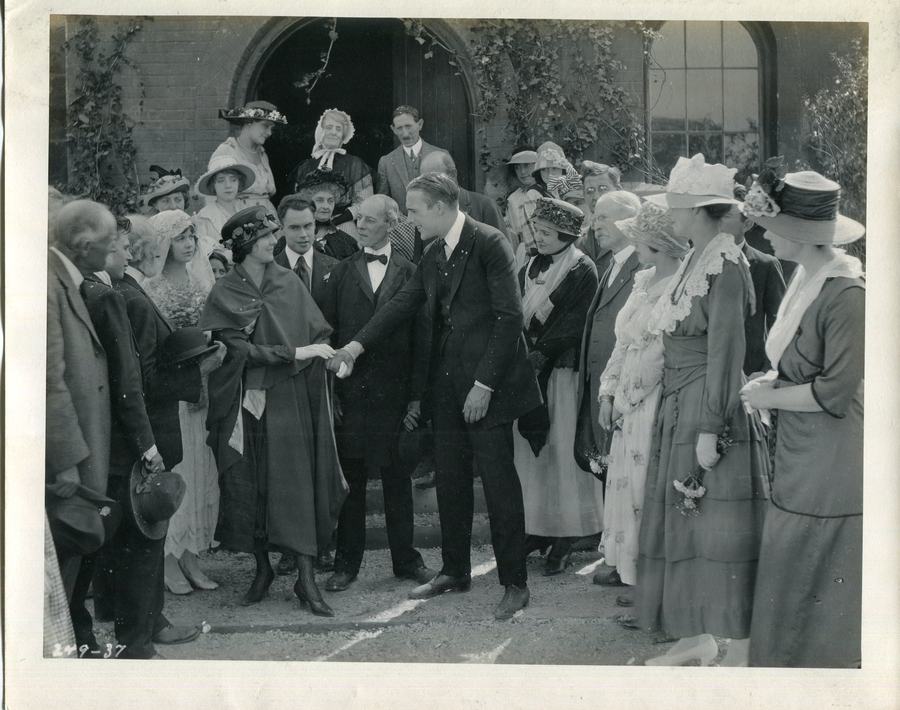
Less Than Kin is more than a mere curiosity of the silent era; it is a poignant meditation on the fluidity of the self and the impossibility of escaping one's shadow. The film concludes with a runaway marriage—a classic silent film trope—but here it feels earned, a desperate flight toward a new reality born from the ashes of two destroyed lives. The truth, once revealed, does not shatter the world but rather reconstructs it on a foundation of honesty.
For modern viewers, the film offers a window into a time when cinema was discovering its power to tell complex, psychologically driven stories. It stands alongside works like The Woman of Mystery as a testament to the enduring appeal of the 'secret identity' narrative. Wallace Reid’s performance remains a highlight of his career, showcasing a range that was often overshadowed by his tragic personal life. In the end, Less Than Kin reminds us that while we can change our names and our clothes, the heart remains an immutable witness to our true nature.
IMDb 5.3
1928
Community
Log in to comment.