DbcultAccessing Vault...
6.8/10
Senior Film Conservator
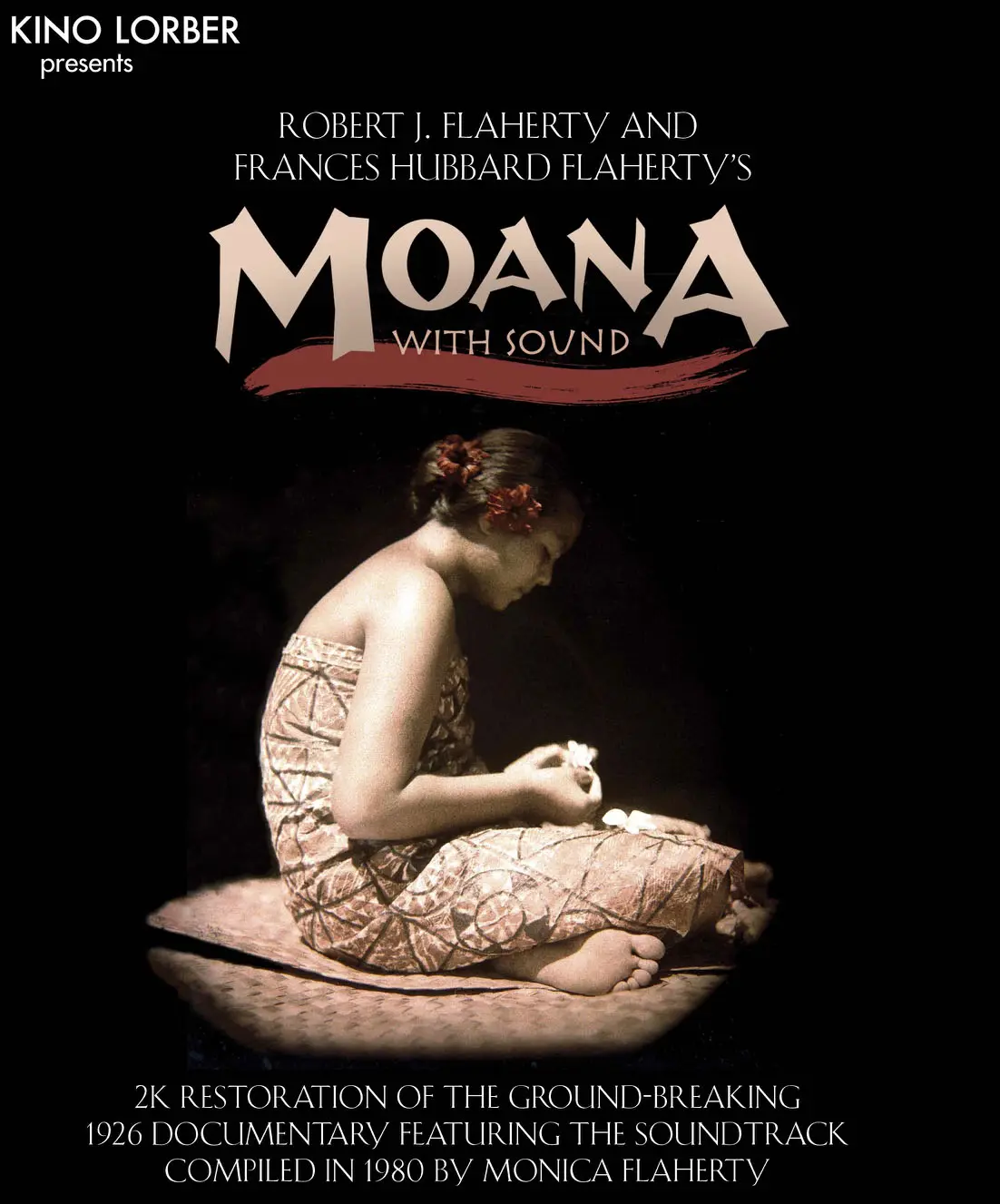
A definitive 6.8/10 rating for a film that redefined the boundaries of cult cinema. Moana remains a cornerstone of transgressive art.
Short answer: Yes, but with reservations. Moana offers a fascinating glimpse into early 1920s Samoan life, but its uneven pacing and execution can sometimes detract from the experience.
This docufictional film is a unique exploration of cultural traditions and the challenges of modernization, making it a valuable piece of historical cinema. However, it’s not for everyone. If you’re a fan of cultural studies, historical documentaries, or are intrigued by the early 20th century, you’ll find much to appreciate. If you prefer fast-paced narratives or cutting-edge filmmaking techniques, you might find it less engaging.
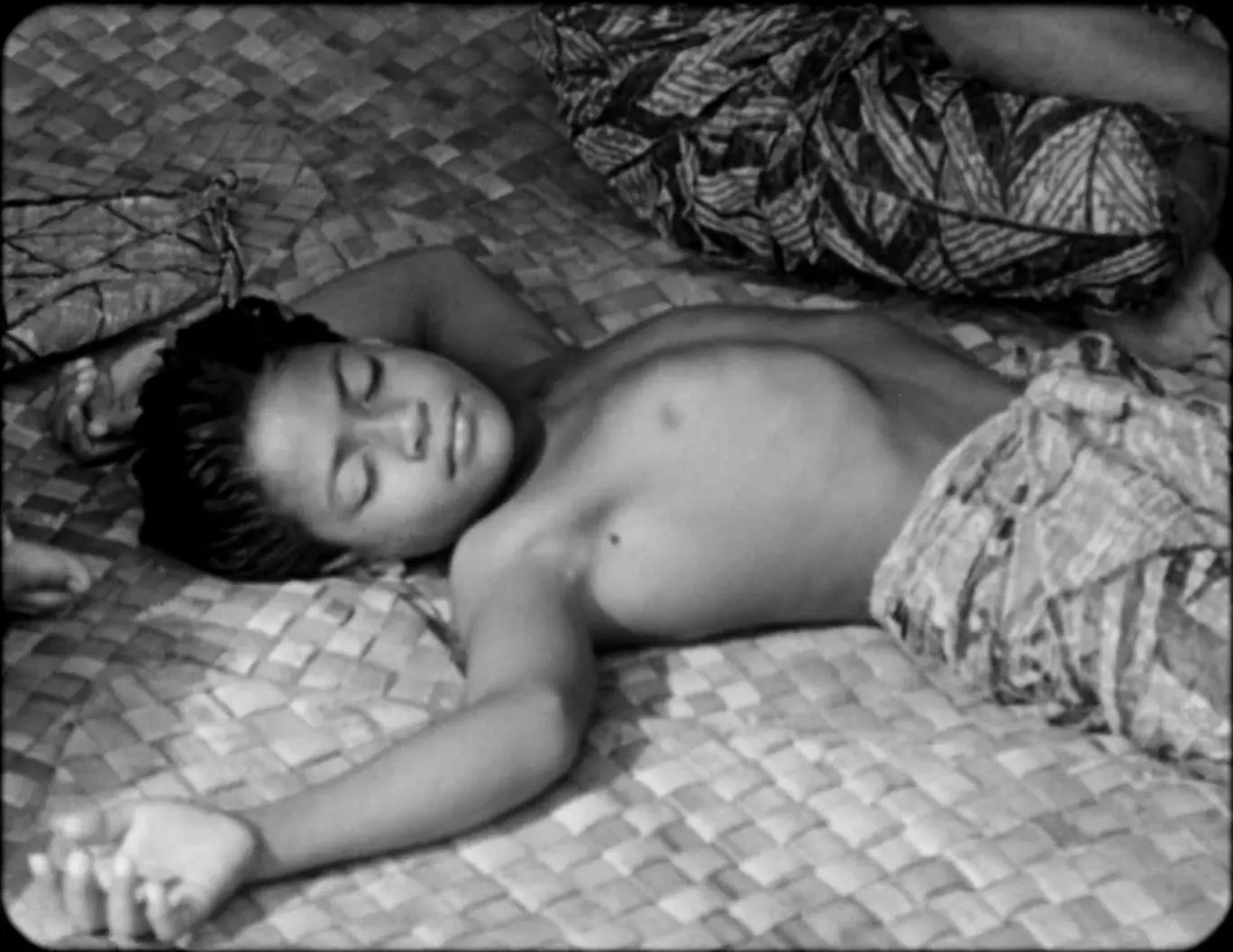
This film works because of its authentic portrayal of Samoan village life. The cast, including Leupenga, brings a genuine warmth and authenticity to their roles, grounding the narrative in a believable world. The cinematography captures the beauty of the Pacific landscape, enhancing the immersive experience. Moreover, the film successfully balances the traditional and the modern, offering a nuanced view of cultural change.
Leupenga's portrayal is particularly noteworthy. Her natural and unforced performance brings depth to the character, making her struggles and triumphs resonate deeply. Her interactions with the other family members are tender and authentic, providing a sense of the close-knit community.
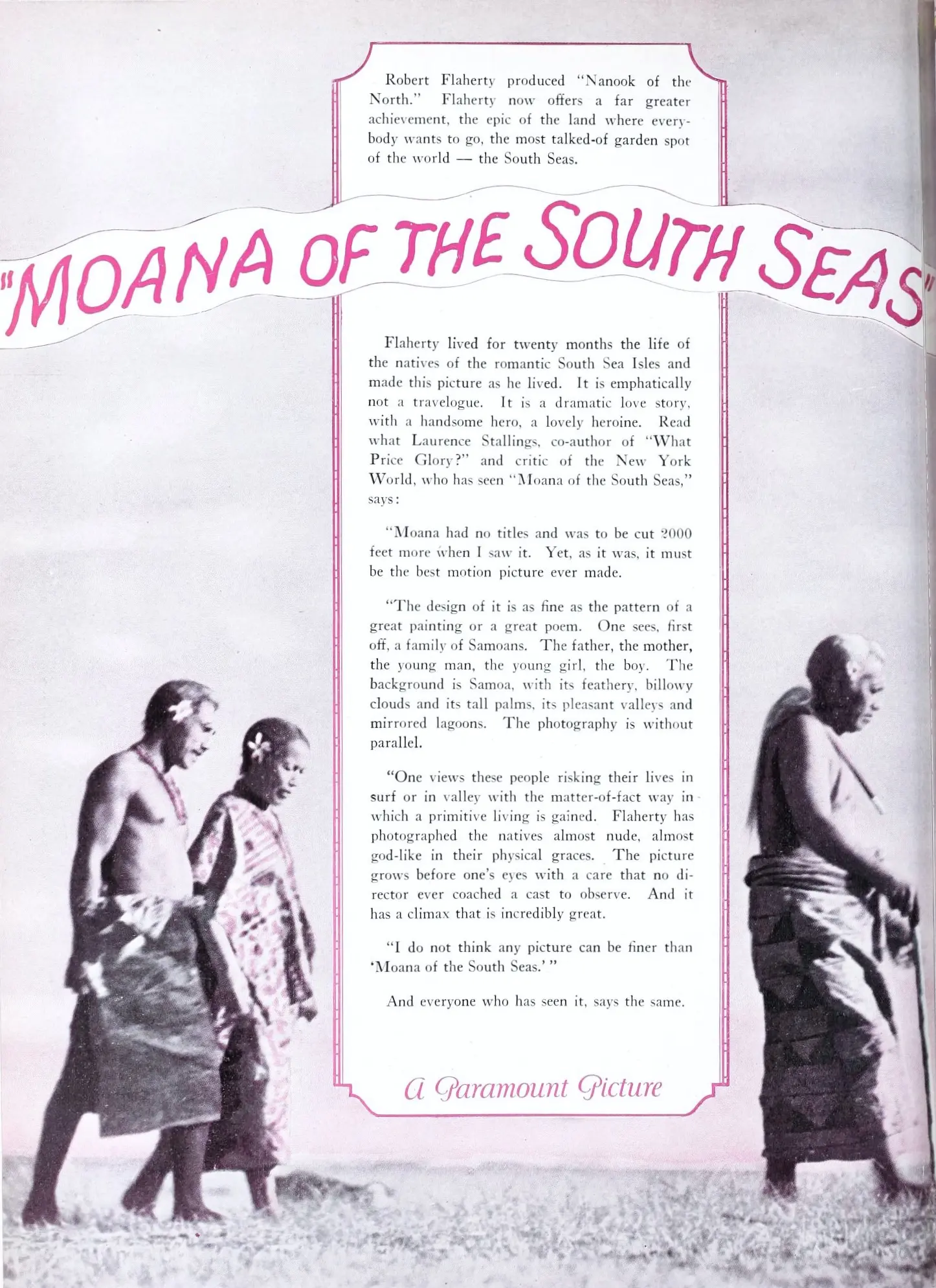
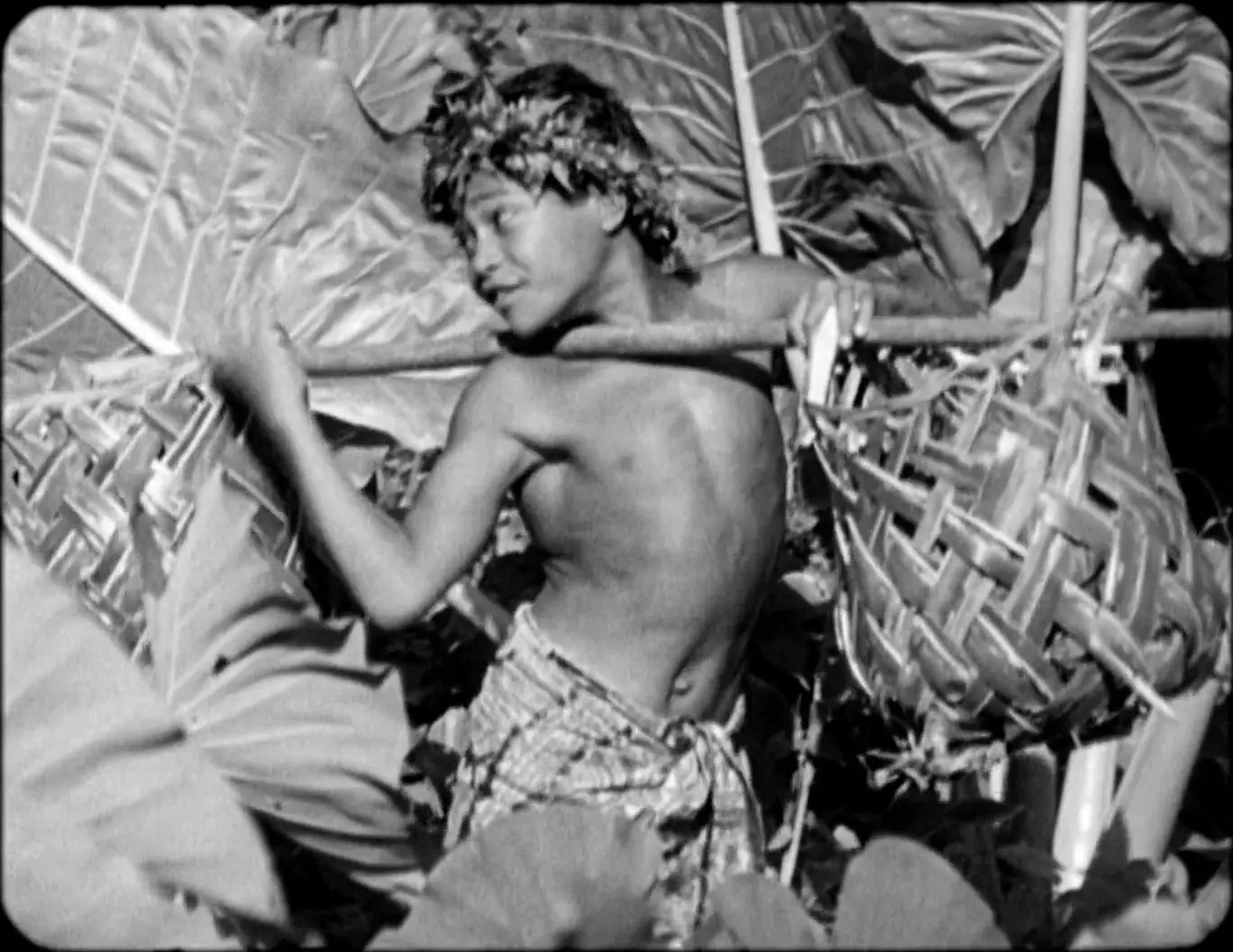
The cinematography is a standout element. Flaherty's use of natural light and the vibrant colors of the Pacific landscape create a visually striking film. The scenes of daily village life, from fishing to weaving, are beautifully rendered, offering a glimpse into a time and place that has largely been lost to history.
This film fails because of its uneven pacing. At times, the narrative drags, with moments of slow exposition that can feel tedious. Additionally, the film's structure sometimes feels disjointed, making it difficult to maintain a consistent flow. These issues can detract from the overall viewing experience, especially for modern audiences accustomed to faster-paced narratives.
The film's pacing is a significant drawback. While the first act sets a strong foundation, the second act can feel somewhat disjointed. This inconsistency can make it harder to fully engage with the story, particularly for those seeking a more linear narrative experience.
You should watch it if you have an interest in cultural studies, historical documentaries, or are fascinated by early 20th-century Pacific life. If you value authentic portrayals and want to see a unique exploration of cultural change, this film is worth your time. However, if you prefer fast-paced narratives or are looking for cutting-edge filmmaking techniques, you might find it less engaging.
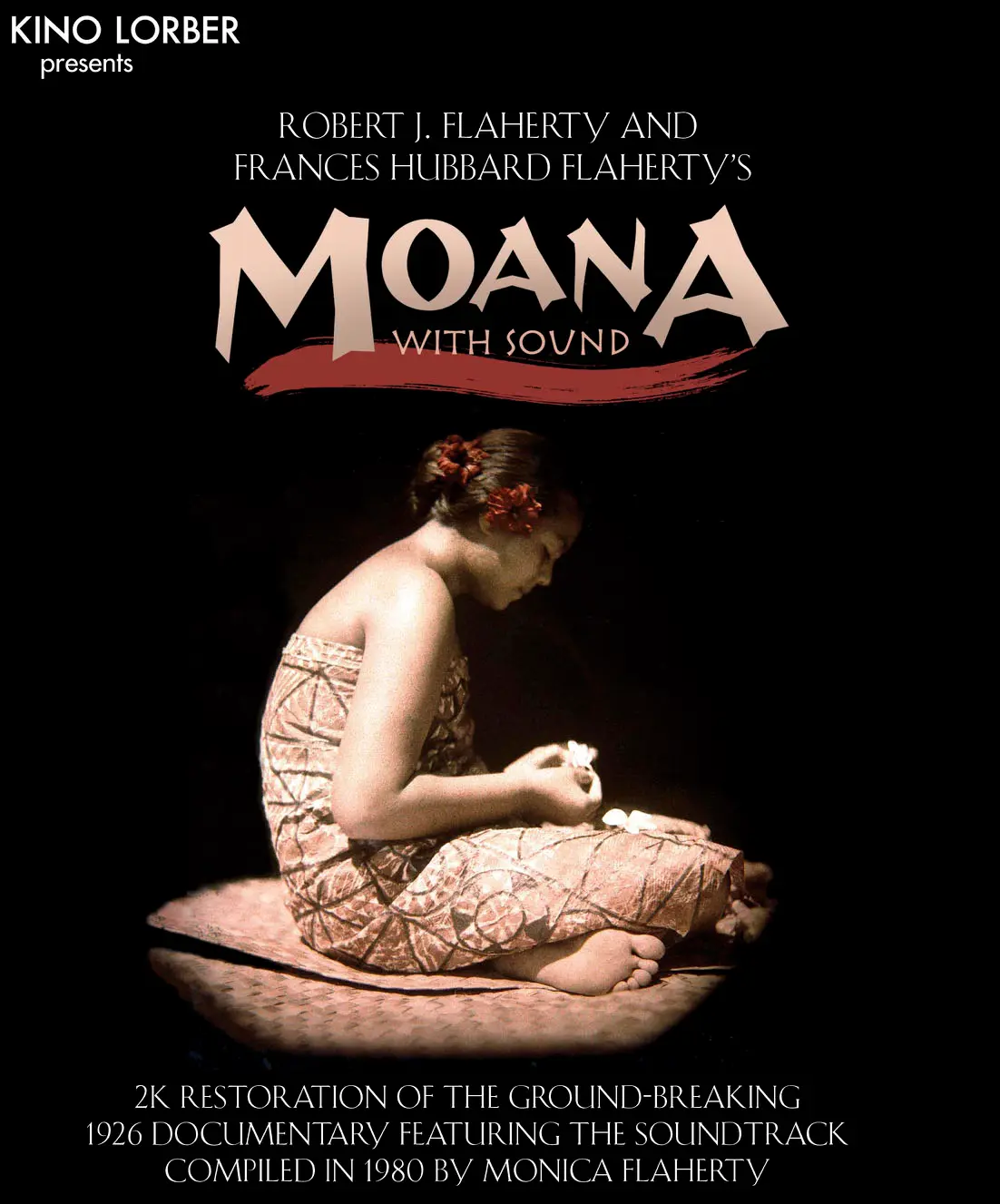
Moana is a docufictional film that offers a valuable glimpse into early 1920s Samoan life. While it excels in its authentic portrayal and striking cinematography, its uneven pacing and structure can sometimes detract from the experience. It’s a film for those interested in cultural studies and historical exploration, but not for everyone. If you’re willing to give it a chance, you’ll find much to appreciate in this unique cinematic journey.
Pros: Authentic portrayal, vibrant cinematography, balanced exploration of tradition and modernity.
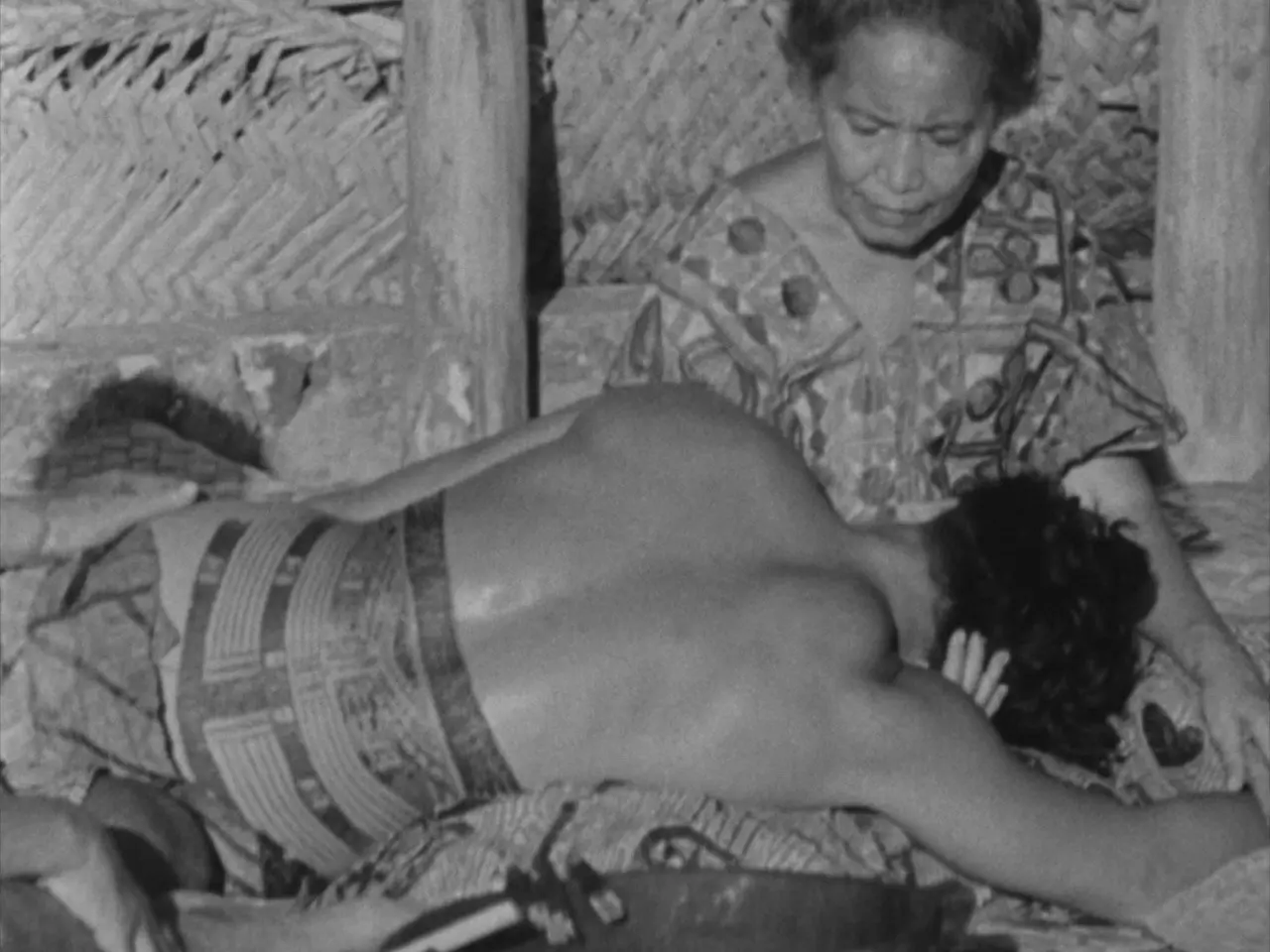
Cons: Uneven pacing, disjointed structure, occasional tedium in exposition.
Moana is a docufictional film that offers a fascinating glimpse into early 1920s Samoan life. While it excels in its authentic portrayal and striking cinematography, its uneven pacing and structure can sometimes detract from the experience. It’s a film for those interested in cultural studies and historical exploration, but not for everyone. If you’re willing to give it a chance, you’ll find much to appreciate in this unique cinematic journey.
IMDb 5
1907
Community
Log in to comment.