DbcultAccessing Vault...
Cult Review
Senior Film Conservator
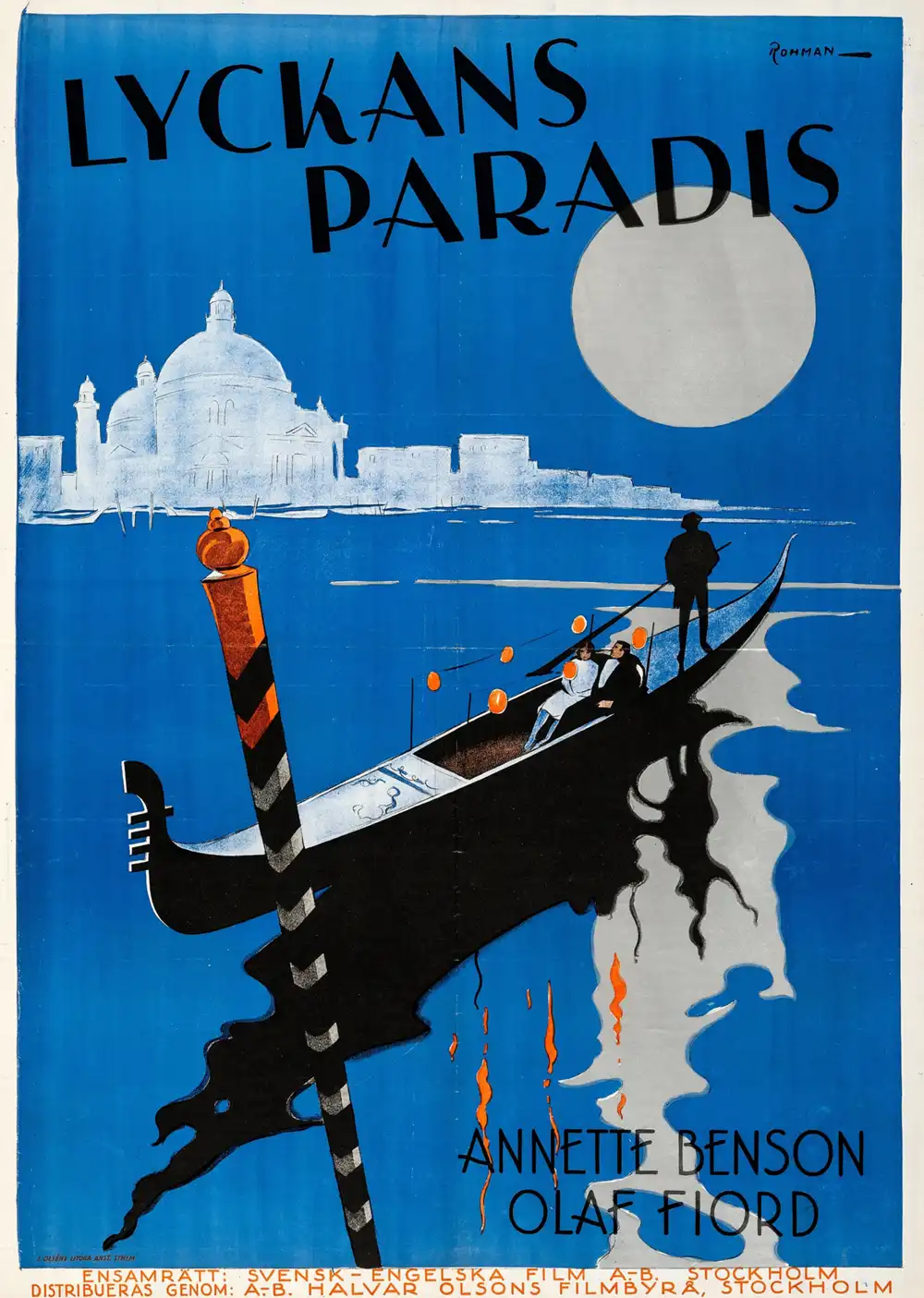
Maurice Dekobra’s 1928 silent melodrama, Mon Coeur au Ralenti, is a film for the dedicated silent cinema enthusiast, not the casual viewer seeking an easy entry point. If you approach it with patience and an appreciation for the era's dramatic conventions, there are moments of striking visual ambition and genuine emotional swells. However, for those unaccustomed to the often languid pacing and heightened performance styles of late silent French cinema, it will likely feel like a significant test of endurance. It’s a film that demands you meet it on its own terms, offering a rich, if uneven, experience for those willing to lean in.
The film’s title, 'My Heart in Slow Motion,' proves almost too literal in its pacing. There are long stretches, particularly in the second act, where the narrative momentum flags considerably. Director Maurice Dekobra seems enamored with certain reaction shots, allowing them to linger far beyond their dramatic utility. A prime example is the scene following the revelation of the illicit affair; Annette Benson’s character, Hélène, is given an extended close-up that, while initially conveying shock, eventually drifts into a kind of blankness. This isn't a failure of Benson’s performance, but rather an editing choice that prioritizes aesthetic contemplation over narrative drive, sometimes at the expense of engagement.
The intertitles, while generally well-translated in the version I viewed, occasionally feel redundant, stating explicitly what the actors' expressions or the scene's composition already convey. This adds to the sense of drag, as if the film doesn't quite trust its audience to grasp the obvious. The tonal shifts, too, can be jarring; moments of almost farcical lightheartedness in the early Parisian café scenes give way to heavy-handed moralizing without much in the way of a smooth transition. It feels less like a deliberate contrast and more like two different films stitched together, leaving the viewer to constantly readjust their emotional register.
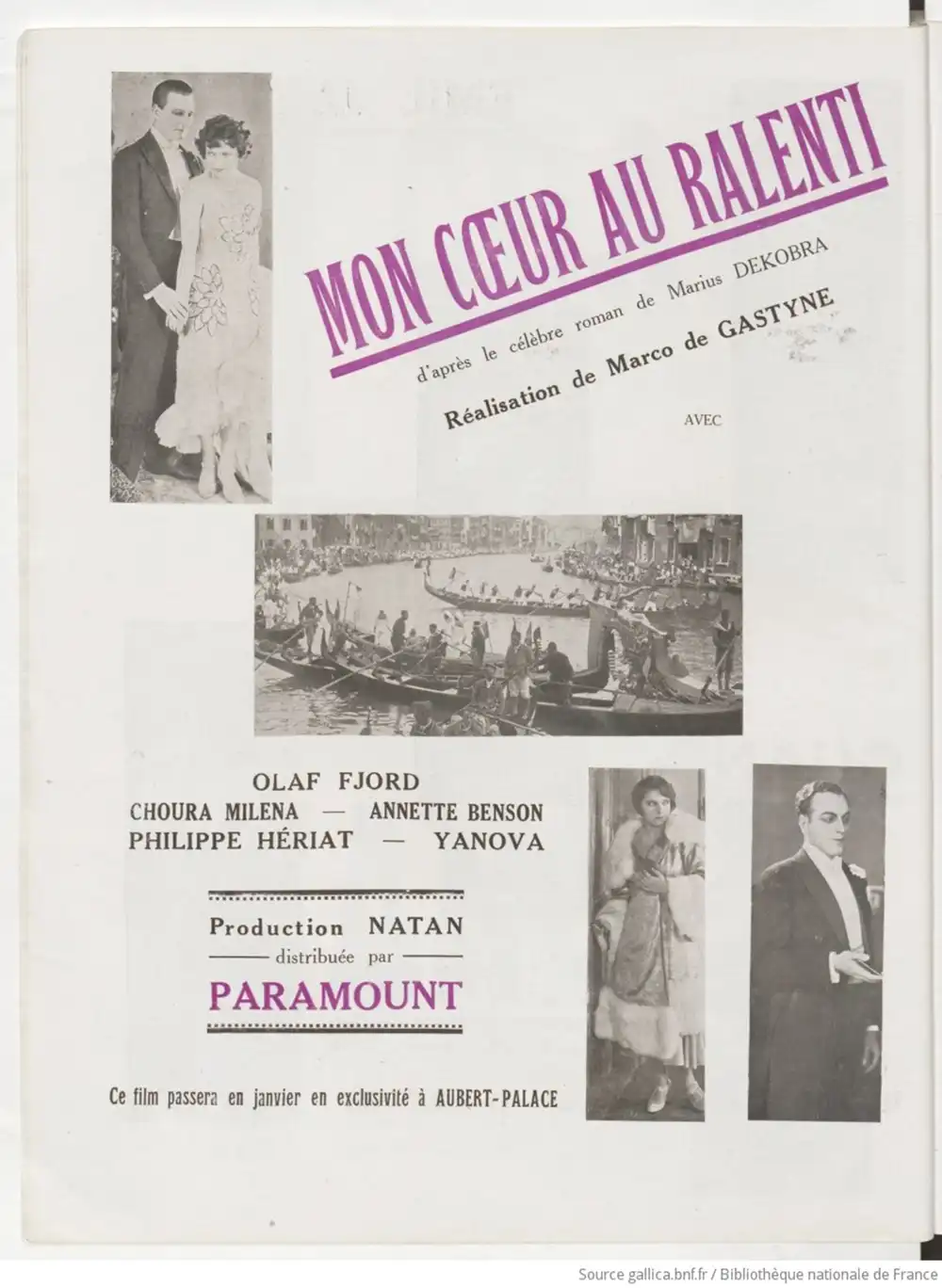
Annette Benson, as Hélène, carries much of the film’s emotional weight. Her performance is typical of the era, leaning into grand gestures and wide-eyed distress, but she finds moments of genuine pathos. There’s a particular shot during the garden party sequence where, amidst the bustling crowd, her gaze fixates on a specific figure across the lawn, and the subtle tremor in her hand, almost imperceptible, speaks volumes about her inner turmoil. It’s a small detail that grounds her character amidst the melodrama.
Juliette Compton, playing the more outwardly villainous rival, embraces the theatricality with gusto. Her sneer is wonderfully effective, though at times it verges on caricature. Gaston Modot, often a reliable presence in French cinema of this period, is somewhat underutilized here. His character, the conflicted suitor, often feels more like a plot device than a fully realized individual, his internal struggles conveyed less through his own actions and more through the reactions of others. One minor detail that stuck with me was Modot’s character’s habit of running his hand through his hair during moments of agitation; it’s a small, humanizing tic that cuts through some of the more overwrought dramatics and offers a glimpse into his inner turmoil that the script rarely provides.
Visually, Mon Coeur au Ralenti often impresses. The camera work, particularly in establishing shots of Parisian boulevards and the opulent interiors of the wealthy, is quite sophisticated for its time. Dekobra’s eye for composition is evident in several key sequences. Consider the ballroom scene, for instance, where the camera tracks smoothly through the dancing couples, momentarily isolating Hélène and her conflicted suitor amidst the swirling movement. This dynamic approach ensures the background is rarely static, contributing to a sense of lived-in grandeur.
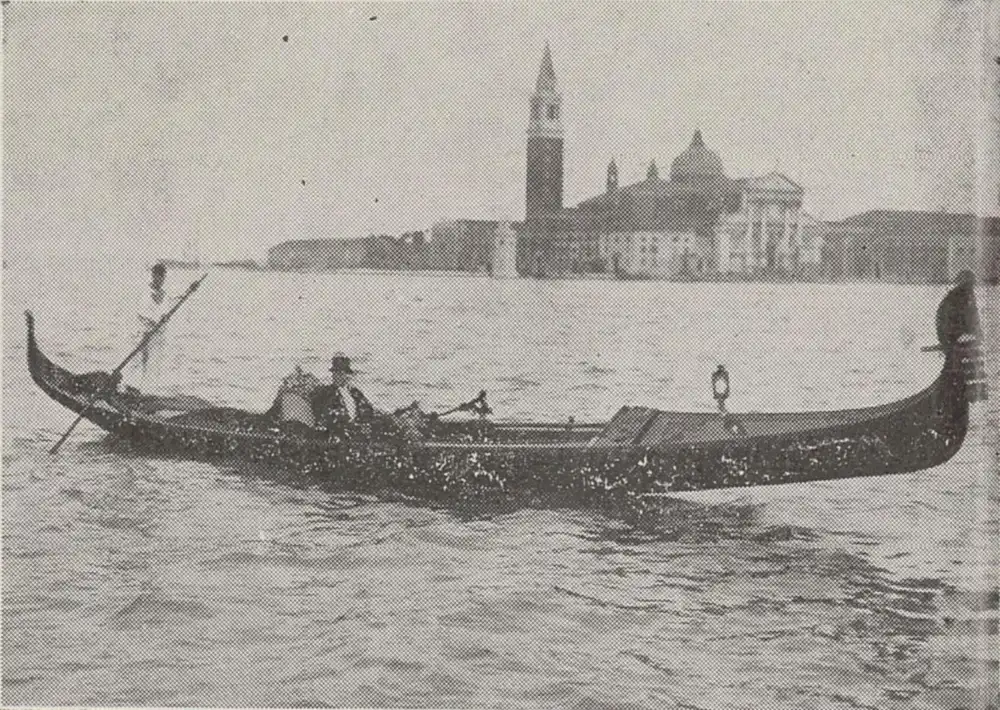
There’s also a memorable sequence involving a chase through dimly lit cobblestone streets, where the interplay of shadows and the fleeting glimpses of figures create a palpable sense of urgency and danger. The stark contrasts of light and dark here are reminiscent of German Expressionism, a surprising but effective stylistic choice that injects a momentary jolt of suspense. The use of soft focus in romantic scenes, while conventional, is executed with a delicate touch, lending an ethereal quality to Hélène’s more idealized fantasies. Costume design, too, is meticulously detailed; the contrast between the severe, almost architectural gowns worn by the societal matriarchs and Hélène’s flowing, more romantic dresses visually underscores her struggle against convention. However, some of the indoor lighting can feel flat, particularly in exposition-heavy dialogue scenes, robbing the characters of dimension despite the expressive performances. This inconsistency in visual polish is one of the film’s recurring frustrations.
The film’s primary strength lies in its visual ambition and its commitment to the grand, sweeping gestures of melodrama. When it works, particularly in a climactic confrontation scene that cleverly uses reflections in a large mirror to heighten the tension, it’s genuinely compelling. Dekobra understands how to frame a dramatic moment, even if he sometimes holds onto it for too long. The weaknesses are equally pronounced: the aforementioned pacing issues, a tendency for intertitles to state the obvious rather than enhance the subtext, and a narrative that, while dramatic, often feels driven by convenience rather than organic character development. The resolution, in particular, feels somewhat rushed, a sudden burst of activity after considerable dawdling.
Ultimately, Mon Coeur au Ralenti is a mixed bag. It’s not a lost masterpiece, nor is it a forgotten gem that deserves immediate rediscovery by a mass audience. What it is, however, is a fascinating artifact of French silent cinema, a film that showcases both the era’s artistic potential and its narrative pitfalls. For those who appreciate the historical context and can forgive its structural flaws, there’s enough here—particularly in its visual flair and Annette Benson’s committed performance—to warrant a viewing. Just be prepared to adjust your internal clock to its distinctive, if sometimes frustrating, 'slow motion' rhythm. It’s a film that lingers not because of its perfection, but because of its striking, if uneven, ambition.
IMDb 5.8
1930
Community
Log in to comment.