DbcultAccessing Vault...
6.2/10
Senior Film Conservator
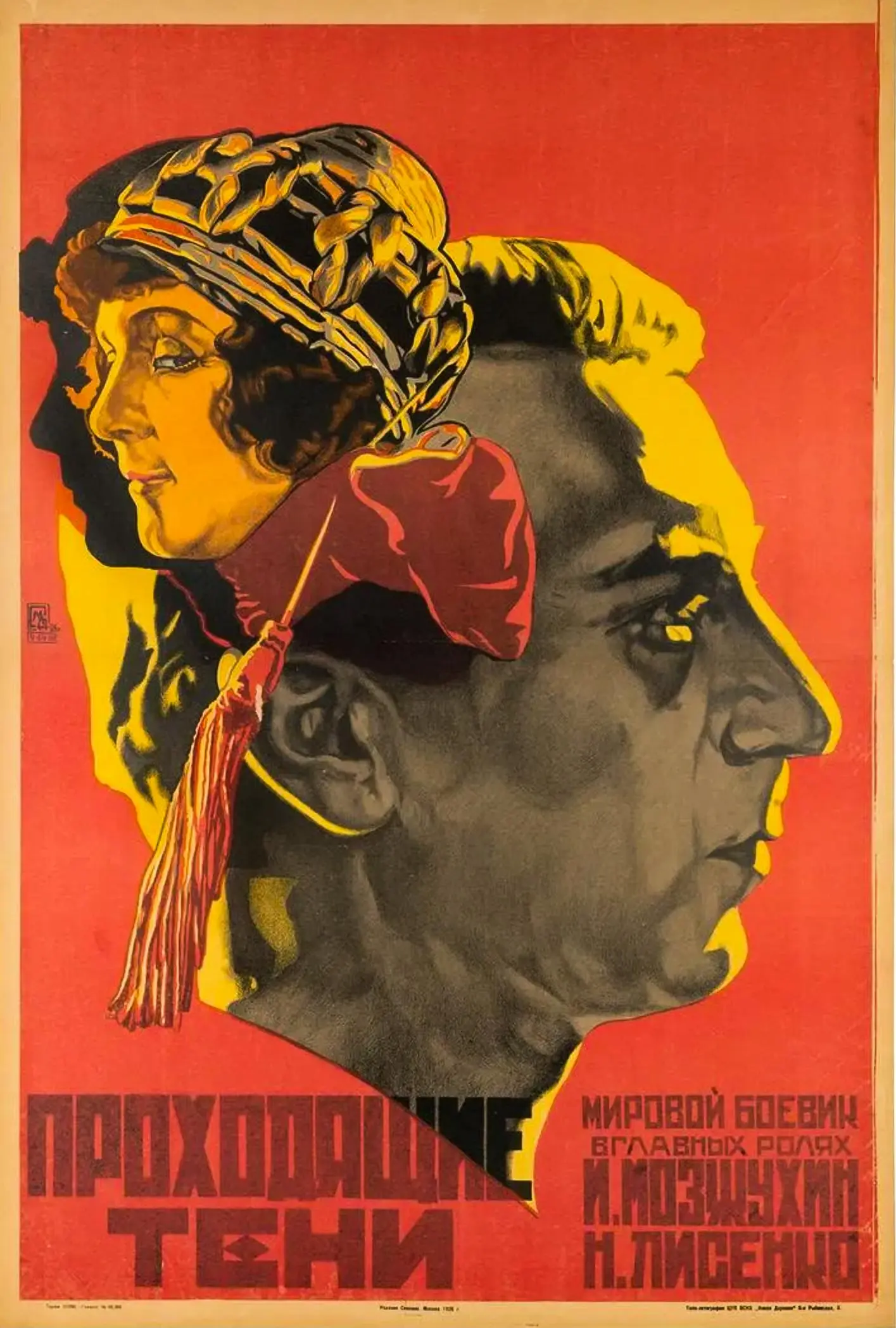
A definitive 6.2/10 rating for a film that redefined the boundaries of cult cinema. Les ombres qui passent remains a cornerstone of transgressive art.
Stepping into the spectral realm of Les ombres qui passent is akin to unearthing a forgotten, exquisitely rendered dream. This isn't merely a film; it's a profound cinematic elegy, a testament to the emotional profundity silent cinema was capable of achieving when guided by visionary hands. Directed by Alexandre Volkoff, with a screenplay co-penned by Volkoff, Kenelm Foss, and the magnetic Ivan Mozzhukhin himself, this picture transcends its era, offering a timeless meditation on love, loss, and the insidious nature of memory. The narrative, as intricate as a finely woven tapestry, plunges us into the world of Dimitri Volkov, a sculptor whose genius is both his salvation and his torment. Mozzhukhin imbues Dimitri with a tortured intensity, a man perpetually shadowed by the ghost of Elara, his vanished muse, brought to life with an almost otherworldly grace by Nathalie Lissenko. Her absence defines his presence, her memory the clay from which his art is wrought.
From the very first frames, Volkoff establishes a visual language that is both opulent and melancholic. The Parisian setting, often romanticized, is here rendered with a subtle, almost oppressive beauty, a backdrop against which Dimitri's internal turmoil plays out. The cinematography, a masterclass in shadow play and evocative framing, draws the viewer into Dimitri's subjective reality, where the past is as tangible as the present. One can almost feel the chill of the artist's studio, the weight of his unexpressed longing. The film's title, "The Passing Shadows," is not just poetic; it’s a direct reference to the ephemeral nature of happiness and the enduring, yet ultimately intangible, specters that haunt our consciousness. Every lingering shot, every carefully composed tableau, speaks volumes, a silent symphony of despair and yearning.
Mozzhukhin's performance as Dimitri is nothing short of mesmerizing. His eyes, windows to a soul ravaged by grief, convey an entire lexicon of emotions without the need for intertitles. There's a raw, almost visceral quality to his portrayal, a silent scream etched onto his features that resonates deeply. He doesn't merely act; he inhabits Dimitri, becoming the living embodiment of a man consumed by an idealized past. His gestures, at once grand and understated, speak of an internal struggle that feels profoundly human. This level of nuanced performance sets a benchmark for the era, perhaps only rivaled by the likes of Max Schreck's terrifying turn in Nosferatu in terms of sheer transformative power, though their emotional registers are vastly different. Mozzhukhin's Dimitri is a figure of tragic grandeur, a man caught in a purgatory of his own making, unable to escape the exquisite pain of what once was.
Nathalie Lissenko, as Elara, is equally compelling, her presence a luminous counterpoint to Mozzhukhin's brooding intensity. In flashbacks, she embodies an almost ethereal vitality, a dancer whose movements suggest freedom and joy. When she reappears, weathered by life's cruelties and entangled with the nefarious Monsieur Dubois (a wonderfully sinister Henry Krauss), her transformation is heartbreakingly palpable. Lissenko masterfully conveys the erosion of her spirit, the fading of her former brilliance, yet glimpses of the vibrant Elara still flicker beneath the surface, especially in her interactions with Dimitri. The tension between their shared past and her compromised present is a narrative engine that drives the film's tragic momentum. Her performance, much like that of Lillian Gish in Greed, conveys a profound vulnerability, yet with an inner strength that refuses to be entirely extinguished.
Andrée Brabant, as Isabelle, offers a quieter, yet no less significant, performance. Her unrequited love for Dimitri serves as a poignant contrast to his obsession with Elara. Isabelle represents the possibility of a different future, a path to healing that Dimitri, tragically, cannot see. Brabant imbues Isabelle with a gentle resilience, a silent suffering that speaks volumes. Her scenes provide moments of tender reprieve, fleeting glimpses of warmth in an otherwise somber landscape, highlighting Dimitri's tragic inability to move beyond his past. The dynamic between these three central figures forms a complex emotional triangle, each vertex representing a different facet of love, desire, and regret.
The screenplay, a collaborative effort, is remarkably sophisticated for its time. It avoids simplistic melodrama, opting instead for a psychologically rich narrative that delves into the depths of human obsession. The dialogue, conveyed through expertly crafted intertitles, is sparse yet impactful, allowing the visual storytelling to take precedence. The writers, including Mozzhukhin himself, understand that silence can be more eloquent than words, and they masterfully leverage this principle to amplify the film's emotional resonance. The plot's intricate dance between past and present, memory and reality, is handled with a delicate touch, never feeling forced or convoluted. It’s a testament to their collaborative vision that such a complex emotional landscape is rendered with such clarity and evocative power.
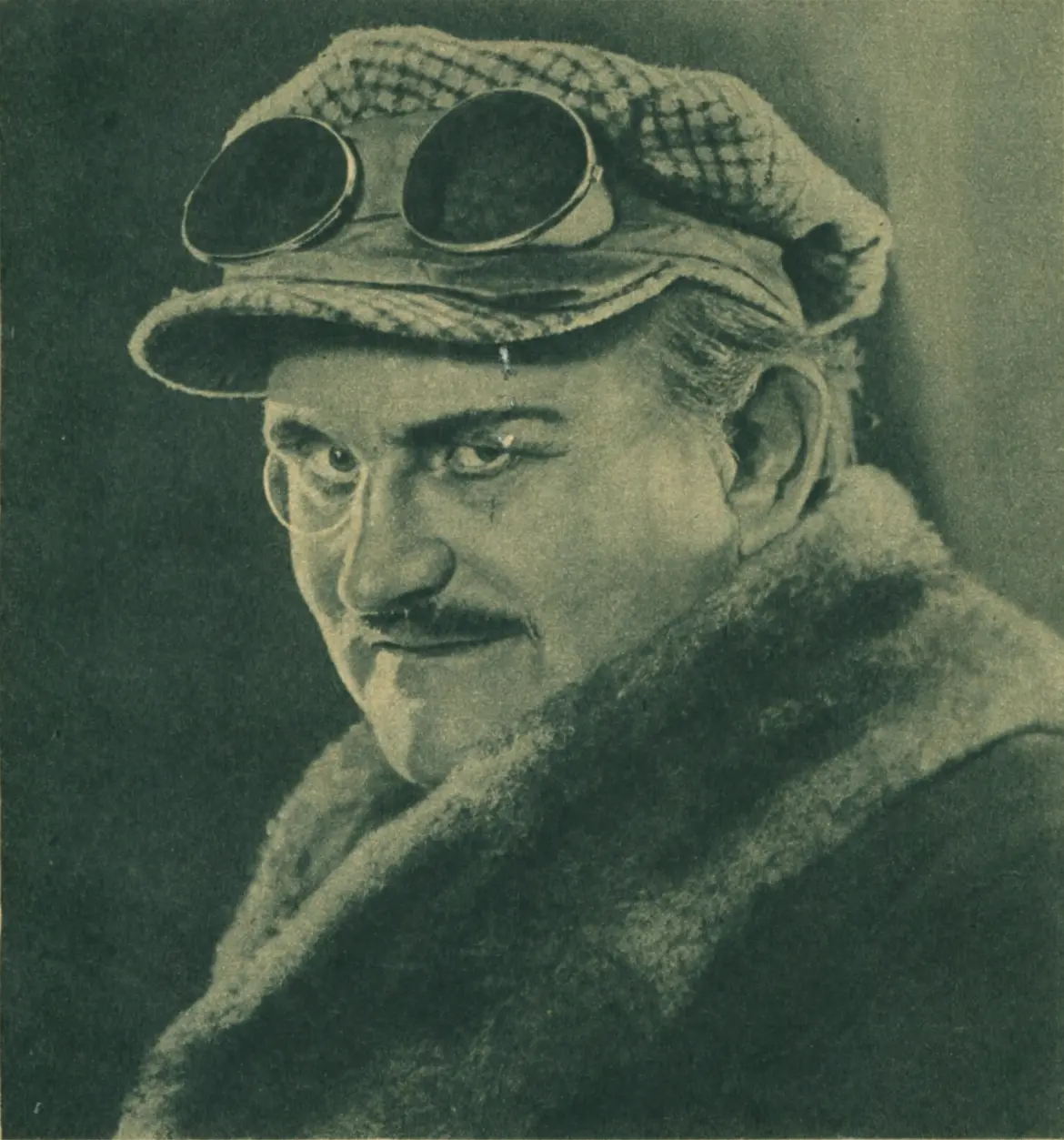
Volkoff’s direction is nothing short of masterful. He orchestrates every element – from the actors' subtle gestures to the grand sweeping sets – with precision and an innate understanding of visual narrative. His use of light and shadow is particularly striking, often mirroring Dimitri's internal state. Dark, cavernous spaces represent his despair, while fleeting moments of sunlight hint at the possibility of hope, only to be quickly extinguished. There's a theatricality to the staging, yet it never feels artificial; rather, it enhances the film's operatic scope. The pacing is deliberate, allowing the audience to fully immerse themselves in Dimitri's emotional journey, much like the slow, building tension in The Storm, though Les ombres qui passent leans more into psychological drama than raw adventure. Volkoff demonstrates a profound capacity for creating atmosphere, a skill that elevates the film beyond mere storytelling into the realm of art.
The thematic depth of Les ombres qui passent is truly remarkable. It explores the destructive power of idealization, the way we cling to memories, even when they no longer serve us. Dimitri's inability to reconcile the idealized Elara with the real woman is a poignant commentary on the human tendency to live in the past. The film also touches upon the corrupting influence of power and wealth, personified by Krauss's Dubois, who sees art and human connection merely as commodities to be exploited. This moral decay stands in stark contrast to Dimitri's artistic integrity, even as his personal life crumbles. The film’s exploration of existential despair, the futility of fighting against an inevitable fate, gives it a philosophical weight that resonates long after the final frame.
The supporting cast, including Georges Vaultier and Camille Bardou, add further texture to this rich narrative tapestry. Vaultier, perhaps as a fellow artist or a cynical observer, provides a grounded counterpoint to Dimitri's romantic idealism. His presence might suggest the practicalities and harsh realities of the art world, further isolating Dimitri in his emotional prison. Bardou, in a role that could be a loyal servant or a concerned friend, would offer a quiet witness to Dimitri's spiraling despair, a silent chorus reflecting the audience's own anguish. Each character, no matter how minor, feels integral to the overall fabric of the story, contributing to the sense of a fully realized world. Their interactions, even fleeting ones, serve to deepen our understanding of Dimitri's isolation and the complex societal pressures at play.
Comparing Les ombres qui passent to other films of the era highlights its unique strengths. While films like Whom the Gods Would Destroy offered grand historical spectacles, or Trigger Fingers delivered thrilling action, Volkoff's film delves into the interior landscape of its characters with a rare psychological insight. It shares a certain melancholic resonance with films like Drama na okhote, particularly in its exploration of tragic love and societal constraints, but Les ombres qui passent feels more acutely focused on the individual's struggle against an overwhelming emotional tide. The artistry in its visual storytelling could be favorably compared to something like Der Leibeigene, which also used striking imagery to convey deep emotional states, albeit in a different narrative context. The film's ability to sustain such profound emotional weight without spoken dialogue is a testament to its exceptional direction and performances, cementing its place as a quintessential example of silent film's expressive power.
The final act of the film is a masterclass in tragic narrative. The confrontation between Dimitri, Elara, and Dubois is not merely a clash of wills, but a devastating collision of past ideals and present realities. The resolution, far from offering saccharine comfort, embraces the inherent sorrow of its premise. It's a conclusion that lingers, a bitter pill that forces reflection on the transient nature of joy and the indelible marks left by sorrow. The imagery of Dimitri, perhaps returning to his studio, forever changed, the unfinished bust of Elara now a symbol of both his love and his eternal torment, is profoundly affecting. The "passing shadows" of the title are not just the fleeting moments of life, but the enduring specters of regret and what-ifs that haunt the survivor. This is a film that understands the profound beauty in sadness, the quiet dignity in enduring heartbreak.
In an era saturated with cinematic escapism, Les ombres qui passent stands as a stark reminder of cinema's capacity for profound artistic expression and emotional depth. It's a film that demands engagement, not just passive viewing. It invites us to ponder the nature of memory, the fragility of identity, and the enduring power of a love that transcends even death. For enthusiasts of silent cinema, or anyone seeking a deeply moving and intellectually stimulating experience, this film is an essential viewing. It’s a work that challenges, enthralls, and ultimately leaves an indelible mark upon the soul, much like the lingering shadows of a fading afternoon. Its legacy is not just in its historical significance, but in its timeless ability to articulate the universal human experience of longing and loss through the exquisite poetry of silent moving images. The collaborative genius of Volkoff, Mozzhukhin, and Lissenko creates a symphony of visual and emotional resonance that few films, then or now, can match. It’s a film that whispers its truths, rather than shouts, and those whispers echo long after the screen fades to black.
The intricate details in the production design, the costumes, and the use of natural light further immerse the viewer into this vivid, yet somber, world. Every element feels meticulously chosen to enhance the narrative's emotional weight. The contrast between the opulent, yet often empty, spaces Dimitri inhabits and the raw, unadorned emotional landscape of his inner world is particularly striking. This careful attention to mise-en-scène elevates the film from a simple story of lost love to a grand, almost operatic tragedy. The film doesn't shy away from depicting the ugliness of human nature, particularly through the character of Dubois, yet it consistently finds beauty in the resilience of the human spirit, even when that spirit is broken. It’s a testament to the enduring power of silent storytelling, where every flicker of an eye, every subtle gesture, carries the weight of a thousand unspoken words. The enduring impact of films like The Other Man's Wife or In the Python's Den, while significant, often relied on more overt dramatic conflict. Les ombres qui passent, by contrast, thrives on a quieter, more internalised brand of drama, making its emotional climaxes all the more potent and devastating. It's a masterclass in subtle yet profound emotional manipulation, guiding the audience through a labyrinth of sorrow with exquisite grace.
IMDb —
1926
Community
Log in to comment.