DbcultAccessing Vault...
6.2/10
Senior Film Conservator
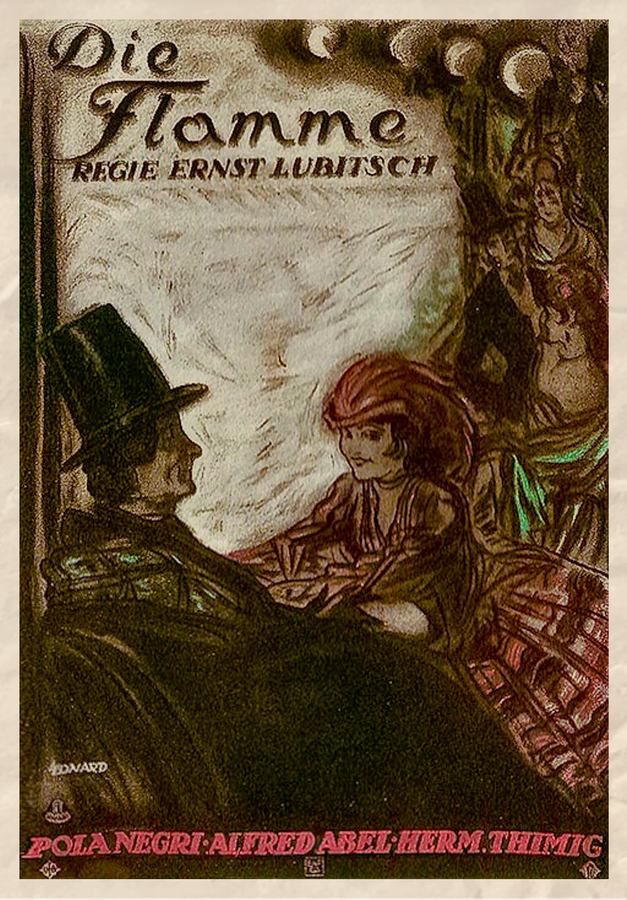
A definitive 6.2/10 rating for a film that redefined the boundaries of cult cinema. The Flame remains a cornerstone of transgressive art.
The film The Flame presents a nuanced exploration of the human experience, weaving a complex narrative that delves into the depths of love, loyalty, and the unrelenting pursuit of passion. Set against the opulent backdrop of 19th century Paris, a city synonymous with romance and decadence, the story follows a woman whose hedonistic tendencies lead her down a path of infidelity and self-discovery. With a cast that includes Jenny Marba and Pola Negri, the film brings to life the intricate dance of relationships, where the lines between love and lust are constantly blurred.
As the narrative unfolds, the protagonist finds herself entangled in a web of societal pressures and expectations, navigating the complexities of her new role as the wife of an aristocrat. The film masterfully captures the essence of this internal conflict, posing profound questions about the true cost of indulging one's desires and the consequences of one's actions. Through the lens of this character's journey, The Flame sheds light on the constraints of social class and the impact of societal norms on personal relationships, themes that are reminiscent of other classics like The Grail and Jane Eyre.
The character's struggle to maintain fidelity in her marriage serves as a catalyst for a deeper exploration of her own identity and desires. This inner turmoil is juxtaposed with the lavish lifestyle of the aristocracy, highlighting the stark contrasts between the opulence of their world and the emptiness that often accompanies it. The film's use of Hanns Kräly and Hans Müller's screenplay brings a level of sophistication to the narrative, delving into the complexities of the human psyche with a depth that is both captivating and thought-provoking.
In comparison to other films of the era, such as Il campo maledetto and De røvede Kanontegninger, The Flame stands out for its nuanced portrayal of feminine desire and the societal constraints that govern it. The film's exploration of themes such as love, loyalty, and identity also draws parallels with The Two Orphans and The Lily and the Rose, highlighting the universality of these human experiences across different narratives and time periods.
The cinematography of The Flame is equally noteworthy, capturing the essence of 19th century Paris with a vividness that transports the viewer to another era. The use of lighting and shadows adds a layer of depth to the narrative, symbolizing the inner turmoil of the protagonist as she navigates the complexities of her relationships. This visual storytelling is reminiscent of Shadows, where the interplay of light and darkness serves as a metaphor for the human condition.
In conclusion, The Flame is a masterpiece of cinematic storytelling, offering a profound exploration of love, loyalty, and the human condition. With its complex characters, nuanced narrative, and captivating cinematography, the film is a must-see for anyone interested in the classics of cinema. Whether viewed as a standalone piece or in comparison to other films of the era, such as Bare Fists, Bumps and Thumps, or Magdalene, The Flame is a testament to the enduring power of cinema to capture the essence of the human experience.
As the credits roll on The Flame, the viewer is left with a lasting impression of the film's themes and characters, a reminder of the timeless nature of its narrative. In an era where cinema continues to evolve, The Flame stands as a classic, its exploration of the human condition as relevant today as it was upon its release. For fans of The Wild Woman, Matching Billy, or Ett farligt frieri, The Flame is a must-see, a film that embodies the spirit of cinematic storytelling and continues to captivate audiences with its enduring themes and timeless appeal.
IMDb —
1919
Community
Log in to comment.