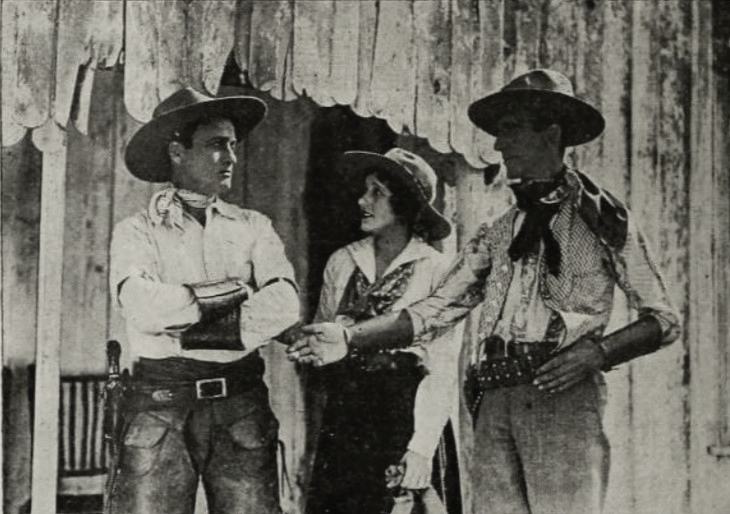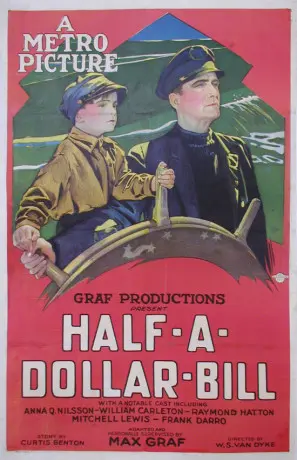
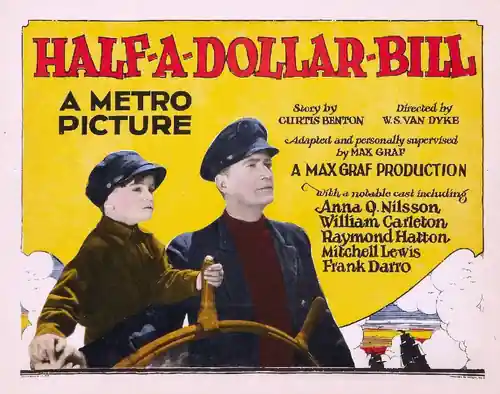
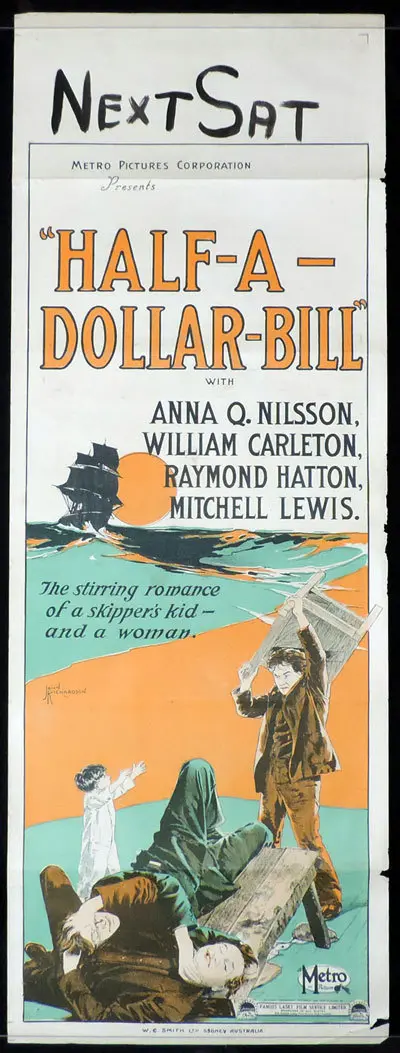
Captain Duncan McTeague, ashore in Southport, finds a deserted baby boy with a note and half of a dollar bill pinned to its clothing. The note states that the mother hopes some day to return and identify the child with the other half of the dollar bill.

The 1920s stood as a crucible for the cinematic medium, a decade where the visual lexicon was being forged in the fires of expressionism and burgeoning narrative complexity. Amidst this fertile ground, Half-a-Dollar Bill (1923) emerges not merely as a relic of a bygone era, but as a sophisticated exploration of the hum...
production_art
behind_the_scenes
production_art

Comparing the cinematic DNA and archive impact of two defining moments in cult history.
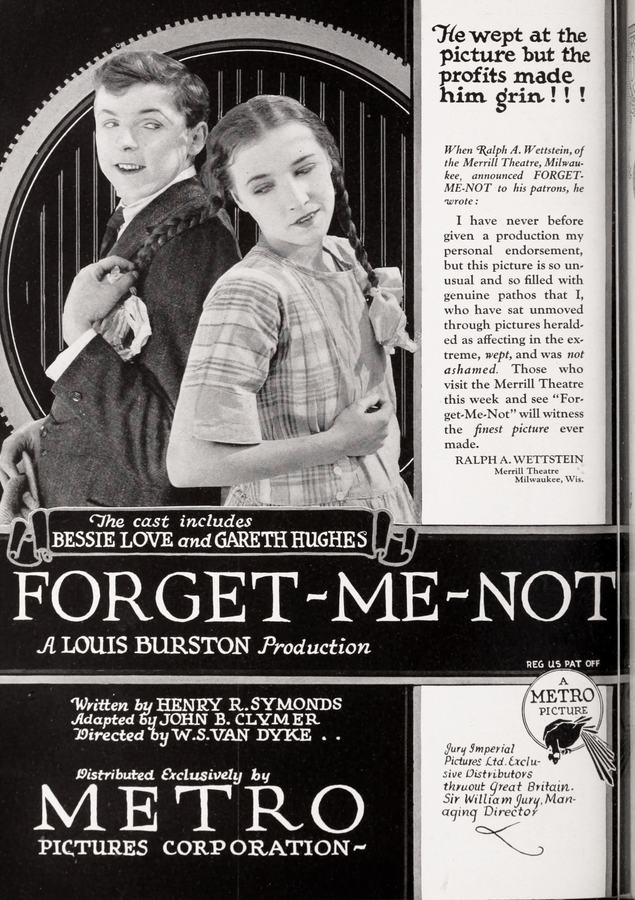
W.S. Van Dyke
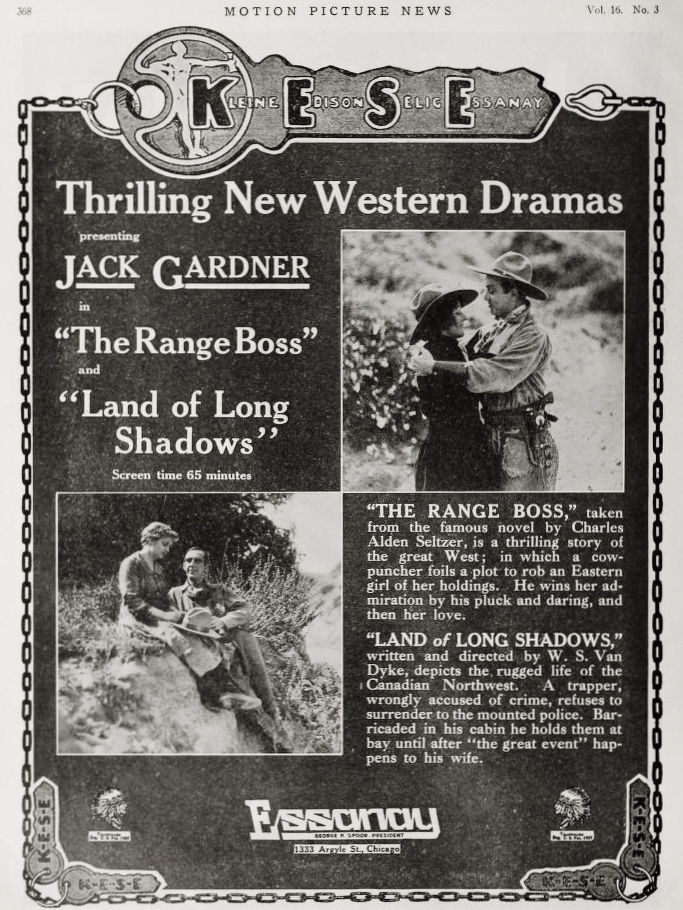
W.S. Van Dyke
Community
Log in to comment.
"The 1920s stood as a crucible for the cinematic medium, a decade where the visual lexicon was being forged in the fires of expressionism and burgeoning narrative complexity. Amidst this fertile ground, Half-a-Dollar Bill (1923) emerges not merely as a relic of a bygone era, but as a sophisticated exploration of the human condition under the duress of isolation and the redemptive power of unexpected paternal responsibility. Directed with a keen eye for atmospheric tension, the film utilizes its m..."
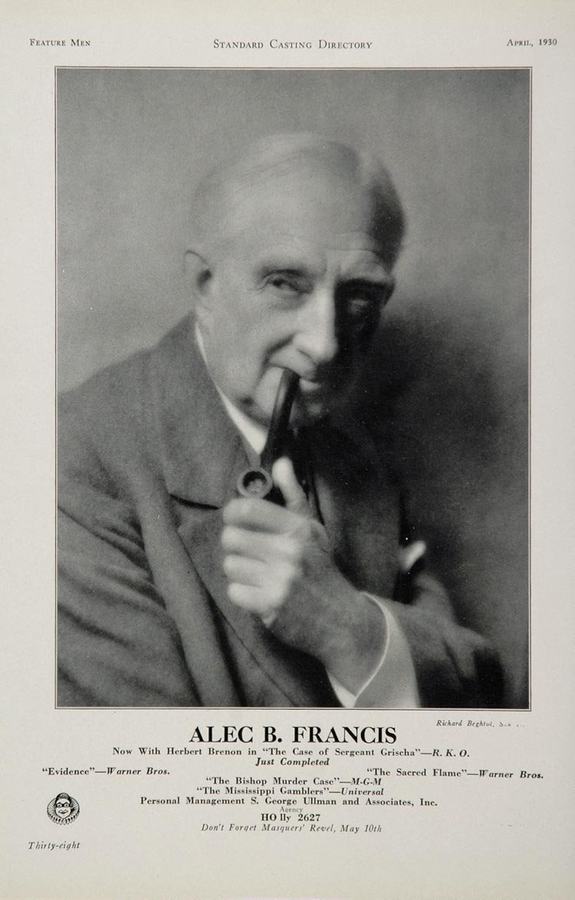
Alec B. Francis
Curtis Benton, Alfred A. Cohn, Max Graf
United States
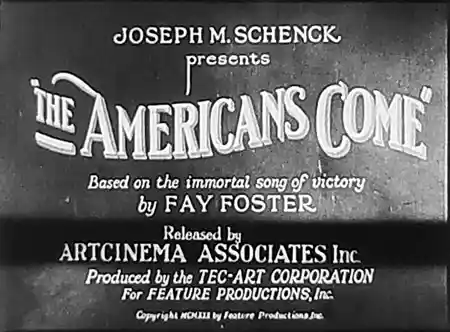

Deep dive into the cult classic
Discover similar cinematic experiences
A Directorial Spotlight on W.S. Van Dyke