DbcultAccessing Vault...
4.8/10
Senior Film Conservator
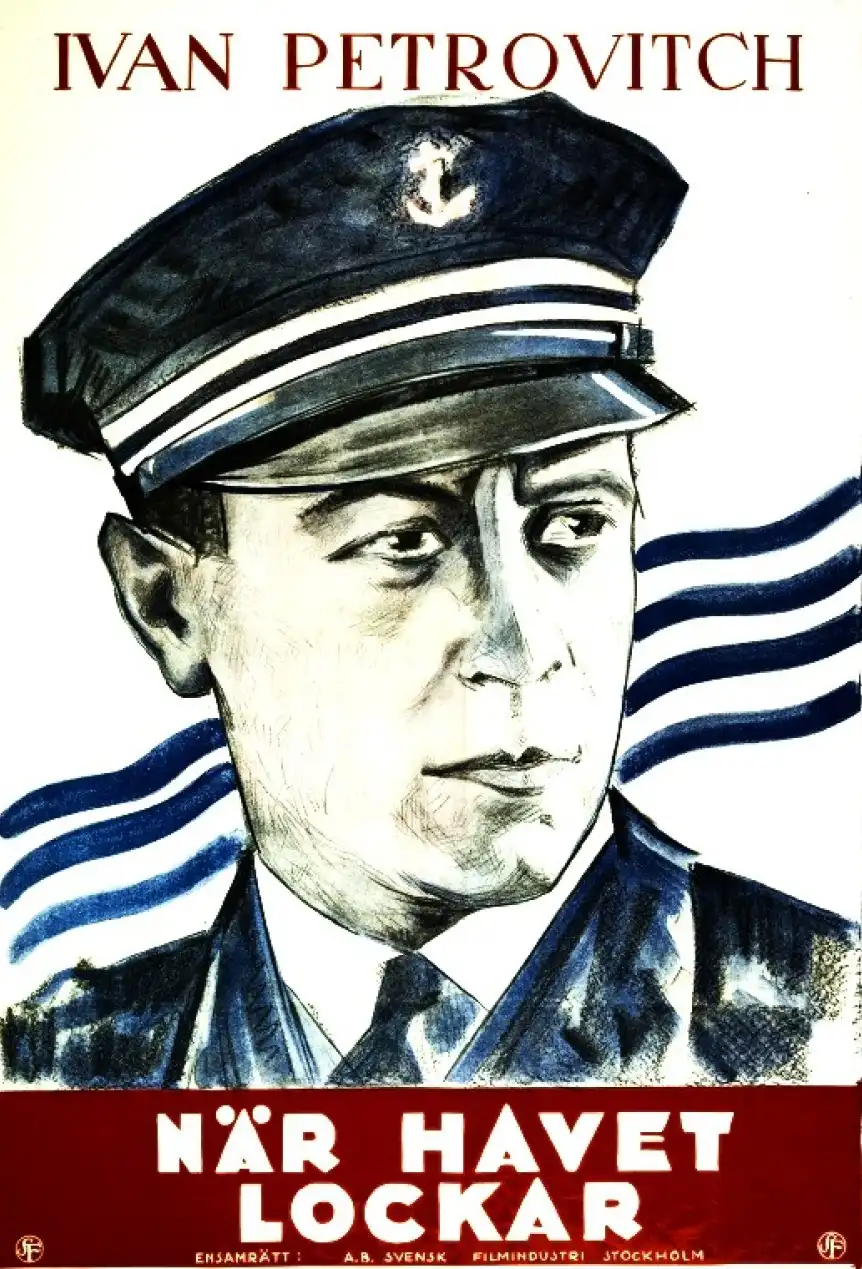
A definitive 4.8/10 rating for a film that redefined the boundaries of cult cinema. Morgane la sirène remains a cornerstone of transgressive art.
If you are the type of person who finds the sound of a flickering projector more comforting than a modern surround-sound mix, Morgane la sirène is probably already on your list. But for anyone else, it’s a bit of a toss-up. You have to be in the mood for a movie that feels like it was filmed inside a wet wool sweater. It’s beautiful, sure, but it’s also very, very damp.
It’s for people who like the idea of the ocean—the dangerous, mythic version of it—and maybe for those who don’t mind a plot that moves with the speed of a low-tide retreat. If you want a tight thriller, you will probably hate this. It lingers. It stares. It waits for the fog to roll in.

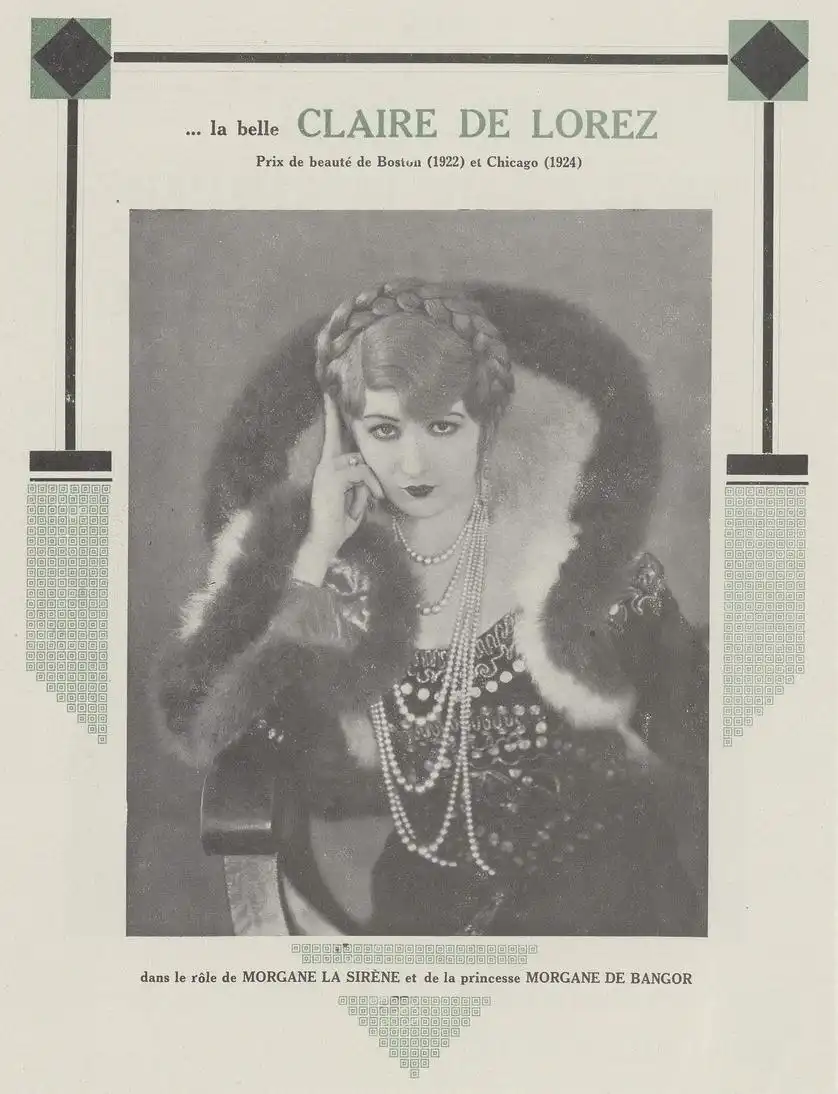
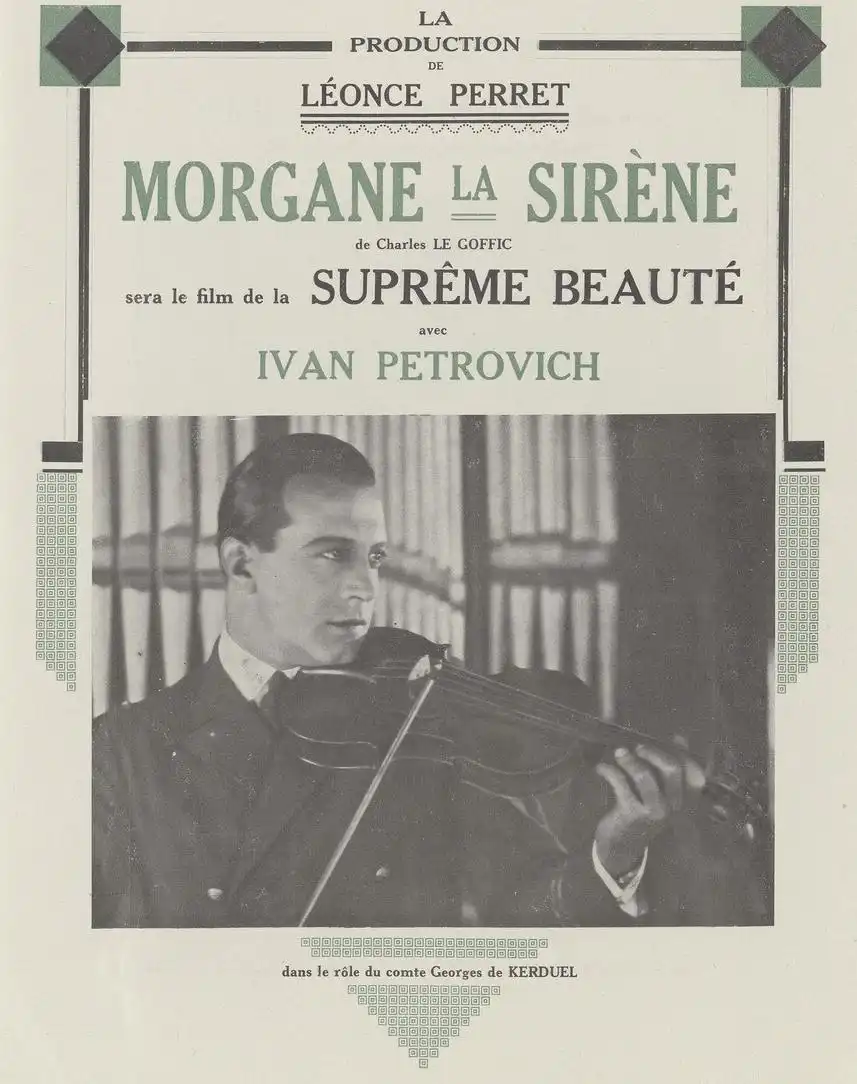
Iván Petrovich plays Georges de Kerduel, and he has that specific 1920s leading man energy where he looks like he’s constantly trying to remember if he left a window open back at the barracks. He’s fine, I guess, but he’s very stiff. When he proposes to Annette, it feels less like a grand romantic gesture and more like he’s filing a very polite piece of paperwork. You don't really feel the heat between them, which makes the subsequent tragedy feel more like a literary requirement than a personal gut-punch.
The first act is a bit of a slog. All the business with Annette’s father going bankrupt and dying feels like the movie is just checking boxes to get her to Brittany. It’s all very "people in rooms looking at ledgers." It lacks the kinetic energy you see in something like The Young Lady and the Hooligan, where the social drama actually feels like it has teeth. Here, it’s just a preamble.
But then they get to the coast, and the movie finally starts to breathe. Léonce Perret (the director) clearly cared way more about the rocks and the spray than he did about the inheritance subplots. There are these shots of the Brittany coastline that are genuinely stunning—not in a "postcard" way, but in a way that makes the environment feel genuinely hostile. The way the light hits the water makes it look like liquid lead. It reminded me a bit of the heavy atmosphere in The Stain, where the setting just feels like it's pressing down on the characters.
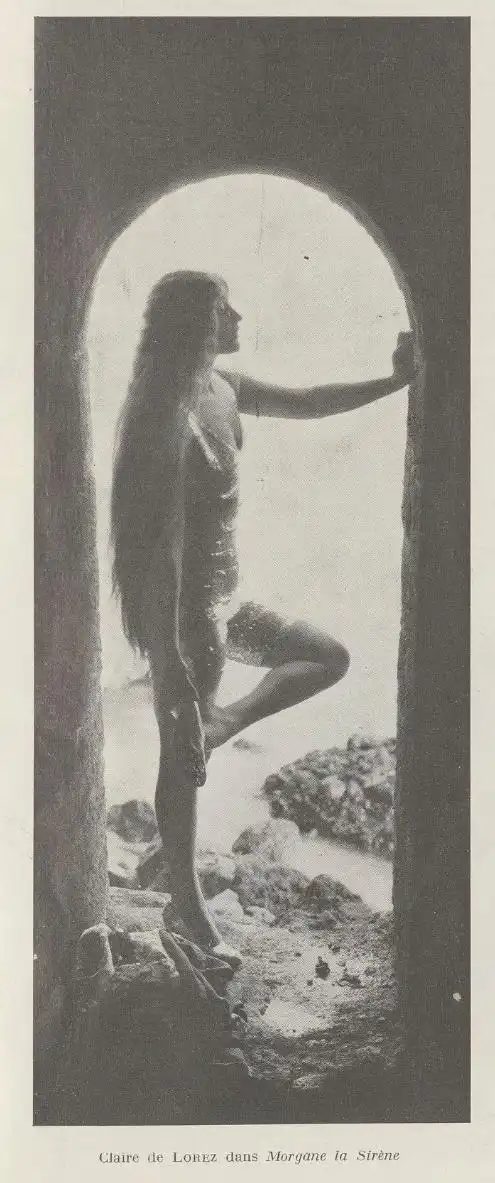
There is this one scene where Annette is walking along the cliffs, and the wind is absolutely wrecking her hair and her dress. It’s one of the few moments where the movie feels alive and unpredictable. Most of the acting is so choreographed, but in that moment, she’s just a person struggling against the elements. Then she disappears. The way the movie handles her vanishing is... odd. It’s not a big action set-piece. It’s quiet. One minute she’s there, the next she’s part of the landscape.
The "Morgane" of the title refers to the local siren legends, and the film plays with this idea that maybe Annette didn't just drown, but was taken. It’s a nice bit of folklore, but the movie is almost too grounded to pull off the supernatural stuff effectively. It’s caught between being a realist drama and a mythic poem. Sometimes that works, but here it just makes the middle section feel a bit confused.
I have to mention Pierre Renoir. He’s in this, and he just has a presence that the other actors lack. He doesn't have to do much; he just stands there and looks like he actually belongs to the earth (or the sea). Compared to him, Petrovich looks like he’s wearing a costume he’s afraid to get dirty.
The pacing is definitely an issue. There’s a sequence involving a boat that seems to go on for about four minutes longer than it needs to. You see the boat. You see the waves. You see the boat again. You see a guy looking at the boat. It’s the kind of editing that makes you realize how much modern movies have spoiled our attention spans, but even by 1928 standards, it’s leisurely. It lacks the punchy, experimental rhythm you find in The Dancer of Paris.
Is it a masterpiece? Probably not. It’s too uneven for that. But there is a sequence near the end where the fog is so thick you can barely see the actors, and for a few minutes, the movie becomes this abstract, haunting thing that stays with you. It’s better as a series of images than as a story. If you can stop worrying about whether Georges and Annette make a good couple (they don't) and just watch the way the shadows move over the Atlantic, it’s a pretty decent way to spend an hour and a half.
Just don't expect to feel particularly warm afterward. It’s a cold movie. Even the happy moments feel like they’re being viewed through a layer of salt-crusted glass.

IMDb —
1926
Community
Log in to comment.