DbcultAccessing Vault...
6/10
Senior Film Conservator
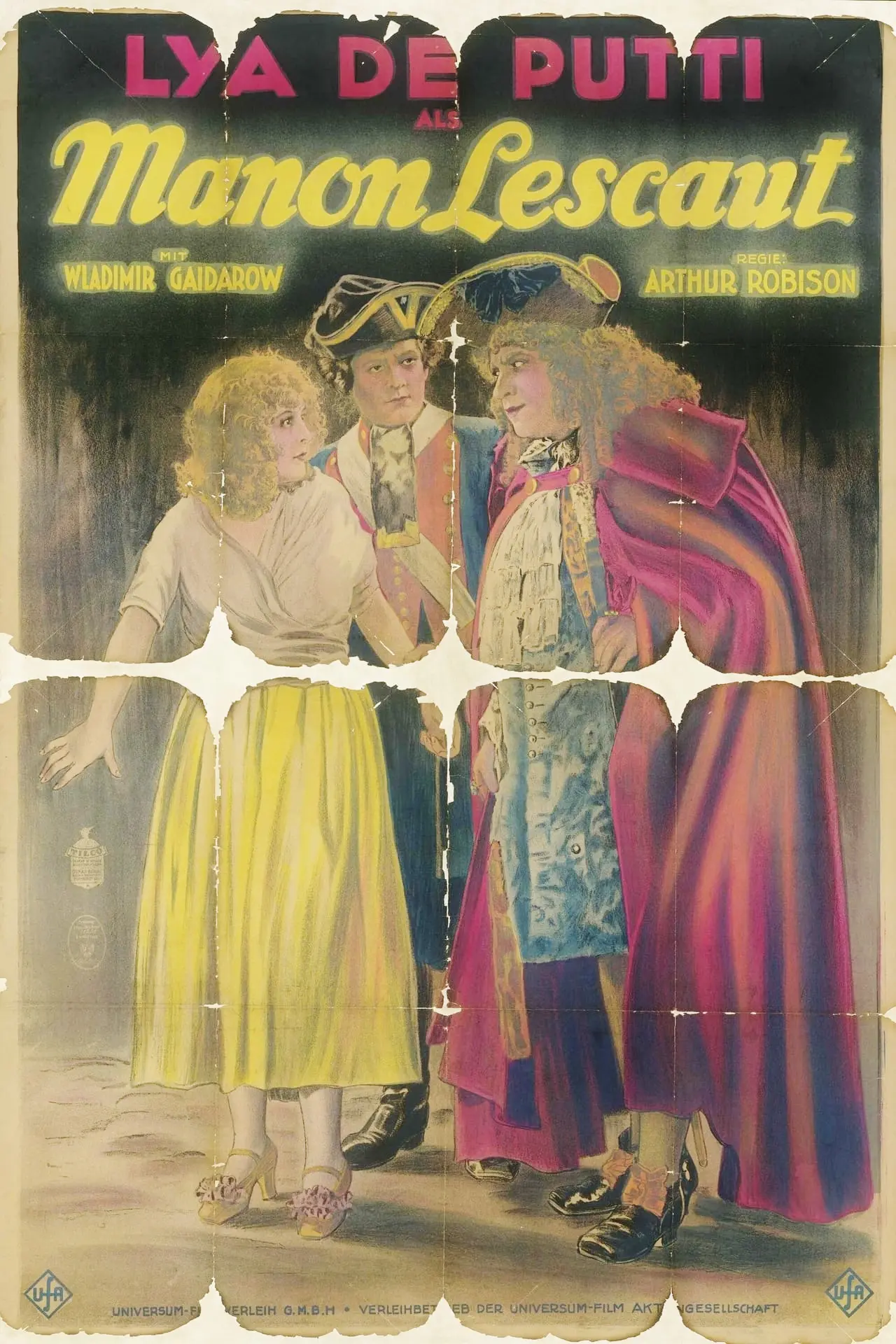
A definitive 6/10 rating for a film that redefined the boundaries of cult cinema. Manon Lescaut remains a cornerstone of transgressive art.
Short answer: yes, but it's a challenging watch. Manon Lescaut is a significant piece of early cinema that offers a poignant exploration of love, power, and societal norms. It's not for everyone, particularly those seeking fast-paced, modern storytelling. However, for film enthusiasts and history buffs, it's a must-see.
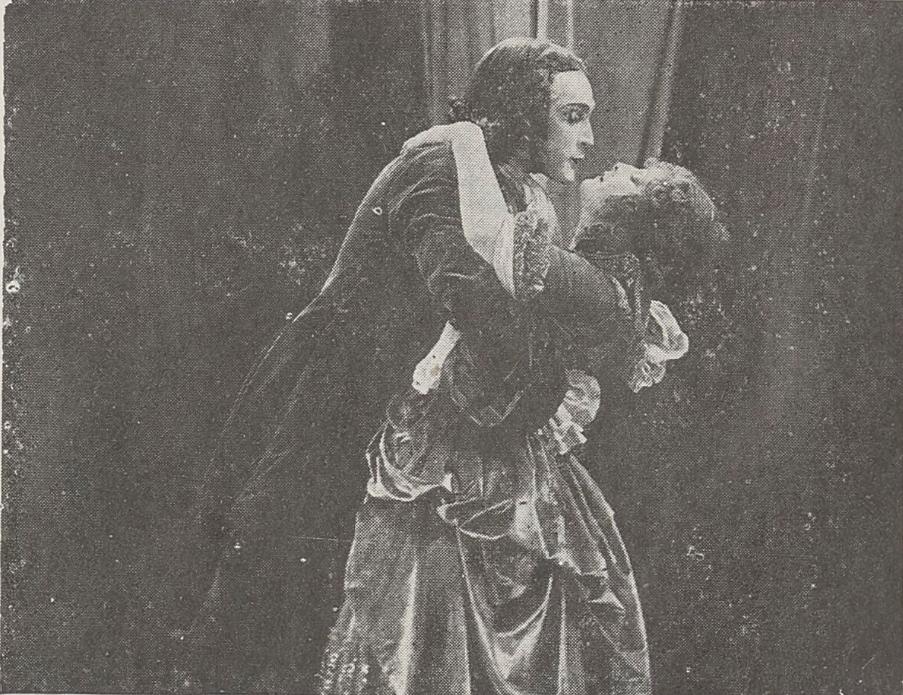
Direct answer block: This film works because of its nuanced performances and deep emotional exploration. It fails because of its slow pacing and occasionally heavy-handed narrative. You should watch it if you're interested in early cinema, historical drama, or complex, character-driven narratives.
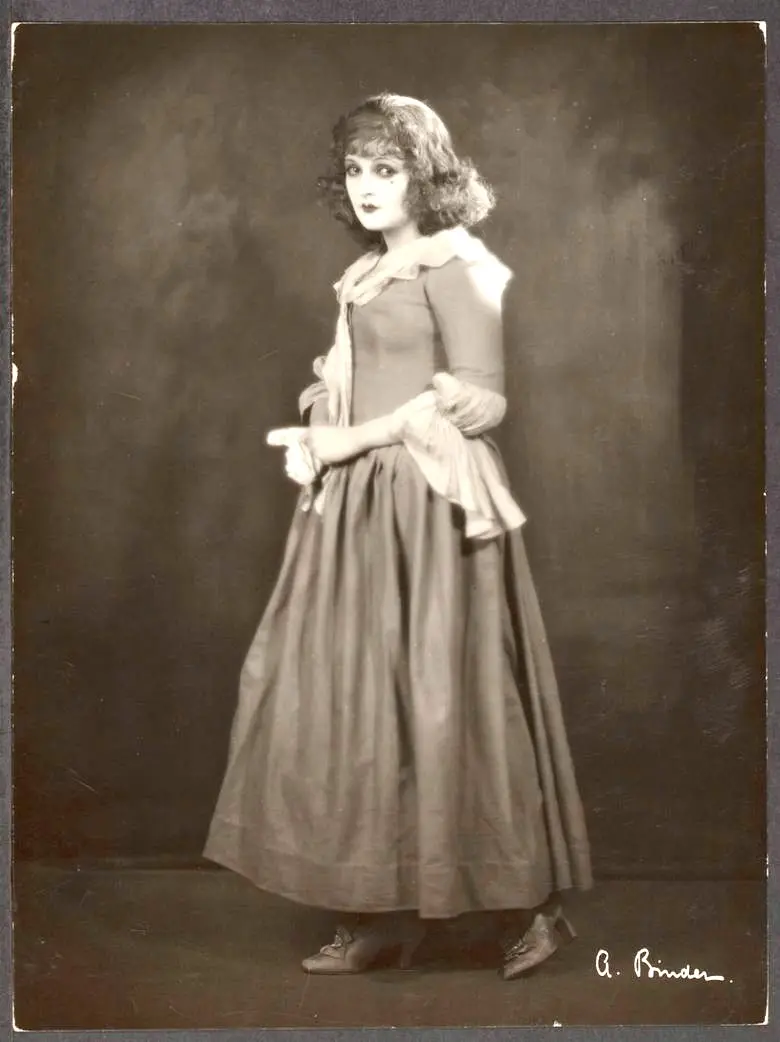
Karl Harbacher and Lydia Potechina deliver standout performances as the titular characters. Harbacher, in particular, brings depth and complexity to his role, allowing viewers to empathize with his character's struggles. The chemistry between Harbacher and Potechina is palpable, making their on-screen relationship believable and compelling. The direction by Hans Kyser is careful and deliberate, with a focus on capturing the nuances of the characters' emotions and the societal constraints they face.
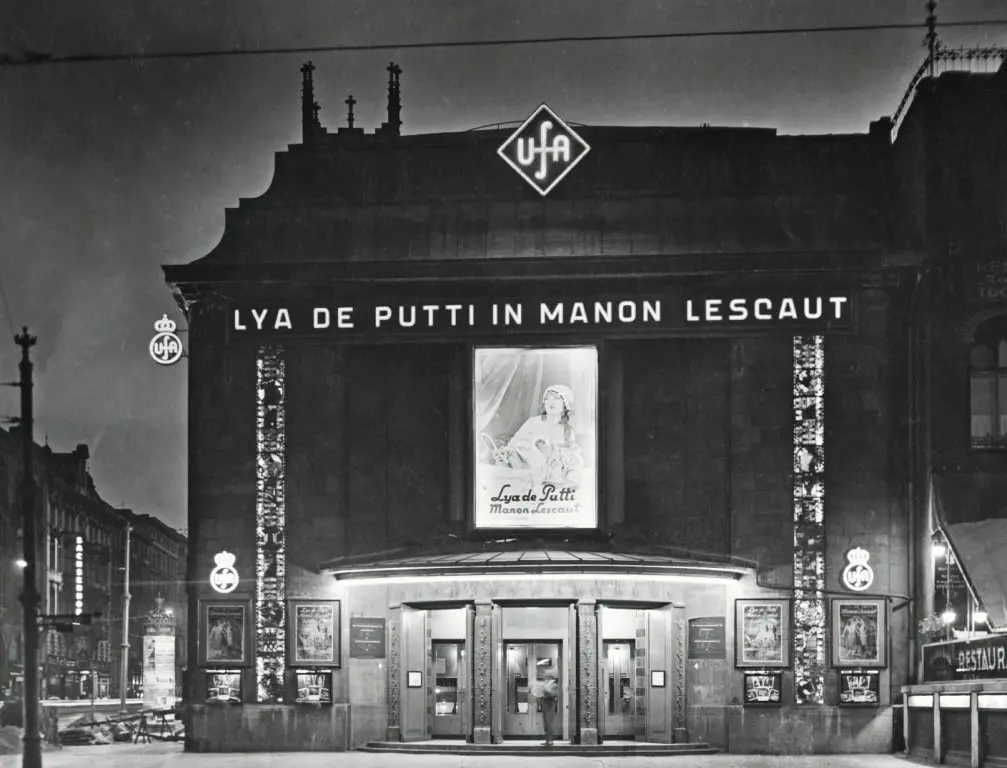
The cinematography is striking, with a focus on capturing the beauty and opulence of 18th-century France. However, the pacing can be slow at times, which may test the patience of modern audiences. The film's deliberate pace allows for a more in-depth exploration of character and emotion, but it can be a double-edged sword. While it offers a unique perspective, it can also be a challenge for those looking for a more action-packed experience.
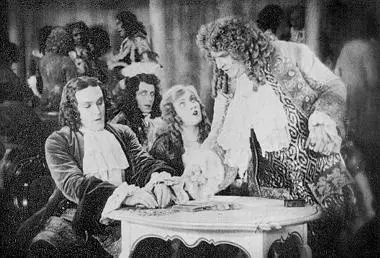
The tone of Manon Lescaut is complex, oscillating between romance, tragedy, and social commentary. The film explores themes of desire, power, and societal constraints, offering a nuanced portrayal of the characters' struggles. The setting of 18th-century France provides a rich backdrop for these themes, allowing the film to explore the complexities of the era's social norms and expectations.
For those interested in early cinema, historical drama, or complex, character-driven narratives, Manon Lescaut is a must-see. However, it's not for everyone. Its slow pacing and occasionally heavy-handed narrative may test the patience of modern audiences. It requires a willingness to engage with a more deliberate and nuanced approach to storytelling.
Manon Lescaut is a significant piece of early cinema that offers a poignant exploration of love, power, and societal norms. It works because of its nuanced performances and deep emotional exploration. However, it fails because of its slow pacing and occasionally heavy-handed narrative. Despite these shortcomings, it's a must-see for film enthusiasts and history buffs, offering a unique perspective on an era where narrative complexity and emotional depth were on display. It may not be for everyone, but for those willing to engage with a more deliberate and nuanced approach to storytelling, it's a rewarding experience.
IMDb 6.4
1933
Community
Log in to comment.