DbcultAccessing Vault...
Cult Review
Senior Film Conservator
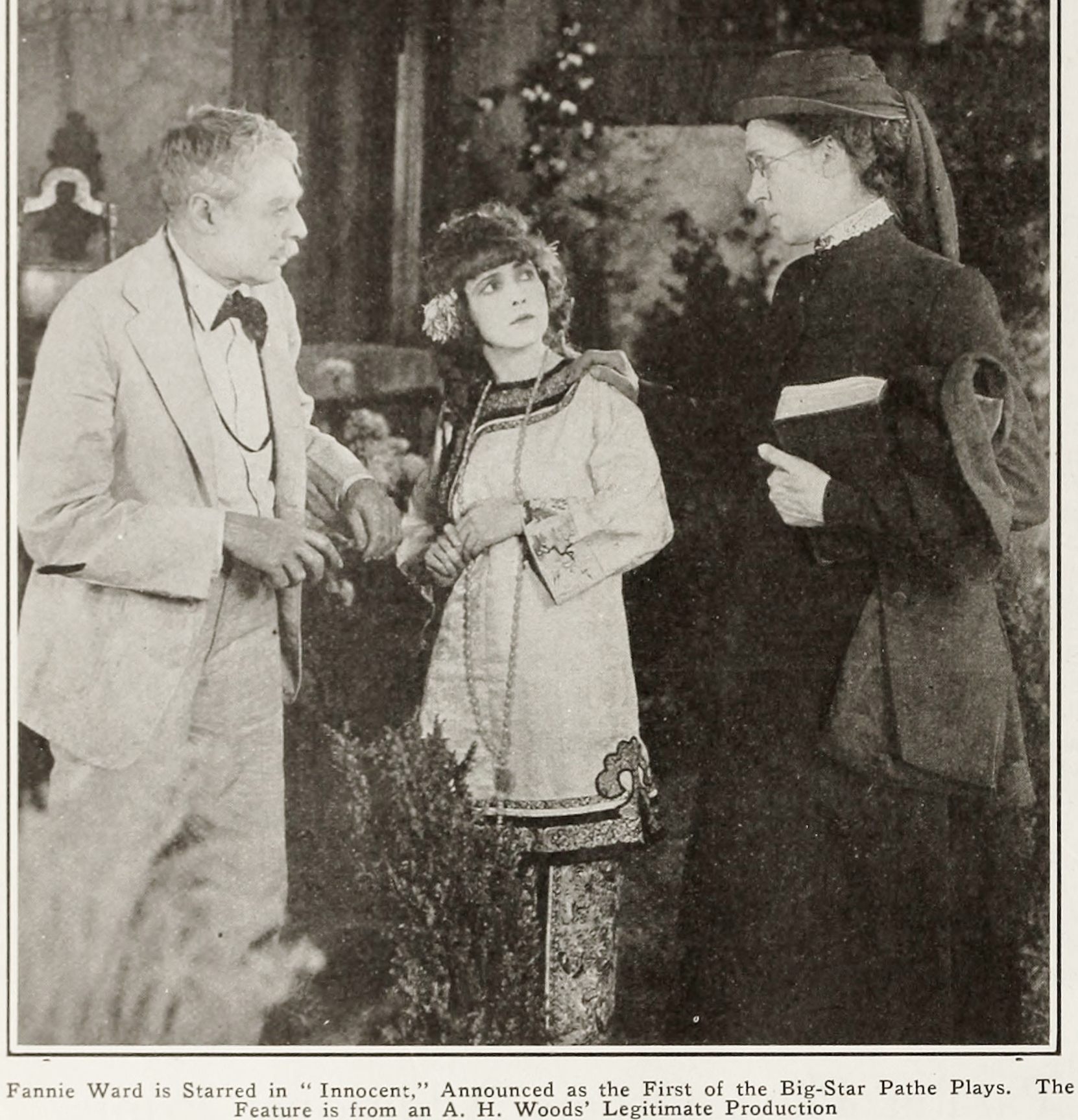
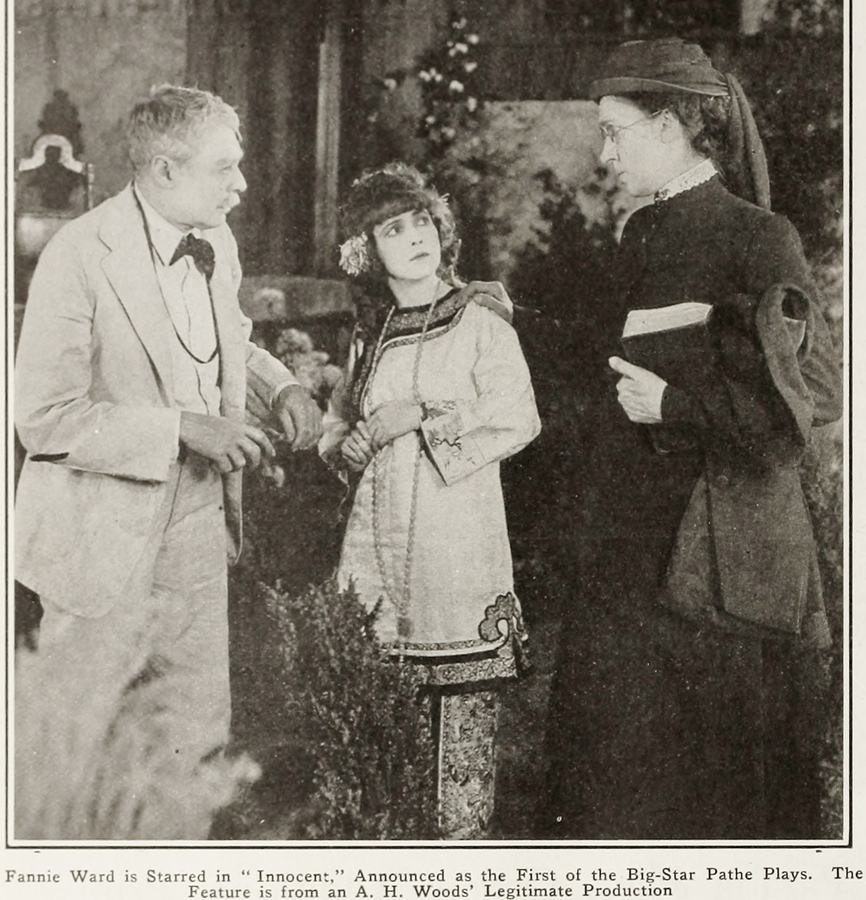
Stepping into the world of George Broadhurst’s 1918 silent drama, Innocent, is akin to unearthing a forgotten diary, its pages brittle with age yet vibrant with human emotion. This cinematic endeavor, a testament to the storytelling prowess of its era, offers a profound exploration of innocence, corruption, and the often-circuitous route to self-discovery and genuine affection. It’s a narrative that, despite its century-old vintage, resonates with an enduring relevance, inviting contemporary audiences to ponder the fragility of purity in a world teeming with seductive dangers.
At its core, Innocent paints a vivid portrait of its eponymous protagonist, a young woman (portrayed with remarkable subtlety by Rae Allen) whose entire existence has been meticulously curated by her alcoholic father, Peter McCormack. Their secluded life in Mukden, China, forms a crucible of isolation, shielding Innocent from the harsh realities and moral ambiguities of the outside world. This initial setting immediately establishes a compelling dichotomy: the exotic, distant land of China serving as a backdrop for a life utterly devoid of worldly experience, a cloistered existence that feels almost monastic in its severity. One might draw parallels to the sheltered, almost ethereal existence of the titular character in Stella Maris, where a protagonist's physical confinement similarly shapes a unique, untainted perception of life, though Innocent's seclusion is born more of paternal protectiveness and perhaps a touch of paternal despair.
The narrative truly unfurls with the inevitable death of McCormack, an event that shatters Innocent’s carefully constructed reality and thrusts her into the care of John Wyndham. John Miltern, as Wyndham, embodies the conflicted guardian, a man wrestling with his own demons even as he pledges to safeguard Innocent’s purity. His promise to protect her is not merely a formality; it’s a solemn vow, weighted with the unspoken complexities of his character. The transition from the isolated quietude of Mukden to the bustling, morally ambiguous landscapes of Europe marks a pivotal shift, both geographically and psychologically. The film uses this journey not just as a plot device but as a metaphor for Innocent’s burgeoning awareness, a gradual peeling back of the layers of her naivety.
The arrival in France, particularly the vibrant, glittering expanse of Paris, acts as a potent catalyst. The contrast with Mukden is stark, almost jarring. While a film like A Trip Through China might offer a picturesque, if superficial, view of the Eastern landscape, Innocent uses Mukden's austerity to highlight the overwhelming sensory overload of the West. Here, John Wyndham, despite his noble intentions, succumbs to the insidious allure of his past gambling habits. This relapse is a crucial turning point, exposing the inherent flaws in his character and demonstrating the potent, almost irresistible pull of vice. It leaves Innocent vulnerable, a delicate flower in a garden full of thorns.
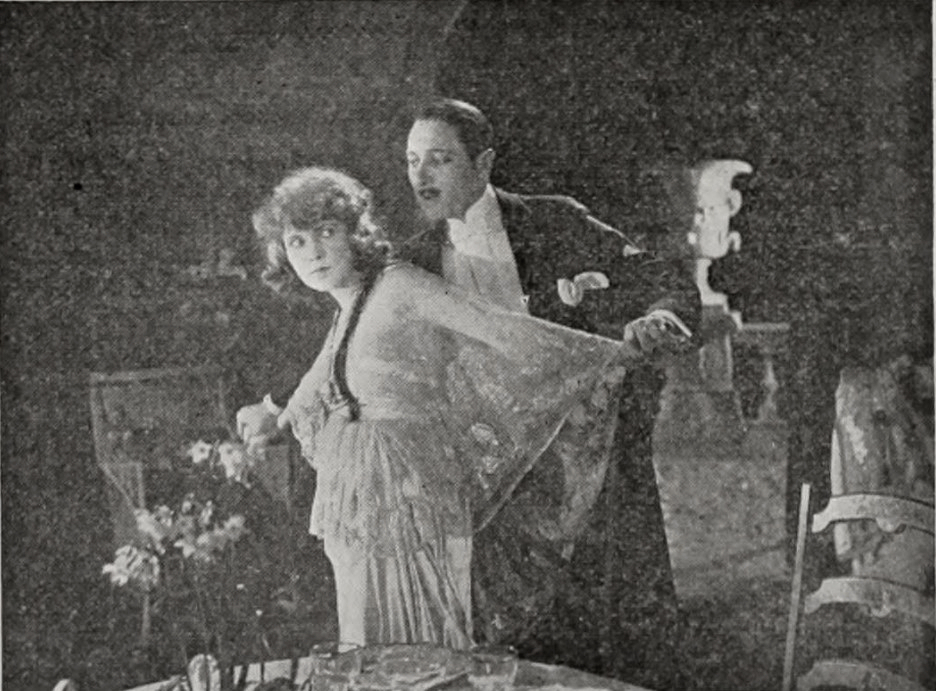
It is amidst this intoxicating backdrop that Innocent encounters Louis Doucet, portrayed with a compelling blend of charm and menace by Armand Kaliz. Doucet, the proprietor of a fashionable gambling establishment, represents everything Innocent has been shielded from: sophistication, danger, and a certain thrilling illicit charm. Her infatuation is swift, a predictable yet tragic consequence of her sheltered upbringing. She is drawn to the glitter, the excitement, the sheer novelty of it all, mistaking superficial allure for genuine connection. Doucet, a predator cloaked in elegance, sees an easy mark, a pristine canvas upon which to paint his own selfish desires. Their elopement to the Riviera is a flight into what Innocent perceives as freedom, but what is, in reality, a gilded cage.
The climax in Nice is breathtaking in its raw intensity. John, driven by a desperate cocktail of protective instinct, guilt, and a burgeoning, unacknowledged love, tracks them down. The confrontation is swift and brutal, culminating in John shooting Louis Doucet. This act, while morally ambiguous, is undeniably born of a profound, primal urge to reclaim what he feels he has lost or failed to protect. It’s a moment that forces the audience to grapple with the complexities of justice, passion, and the lengths to which one will go for love, however misguided or possessive it may initially appear. This dramatic escalation, a violent rupture in the idyllic Riviera setting, is reminiscent of the moral quandaries explored in films like The Cup of Life, where desperate actions often stem from deeply entrenched emotional turmoil.
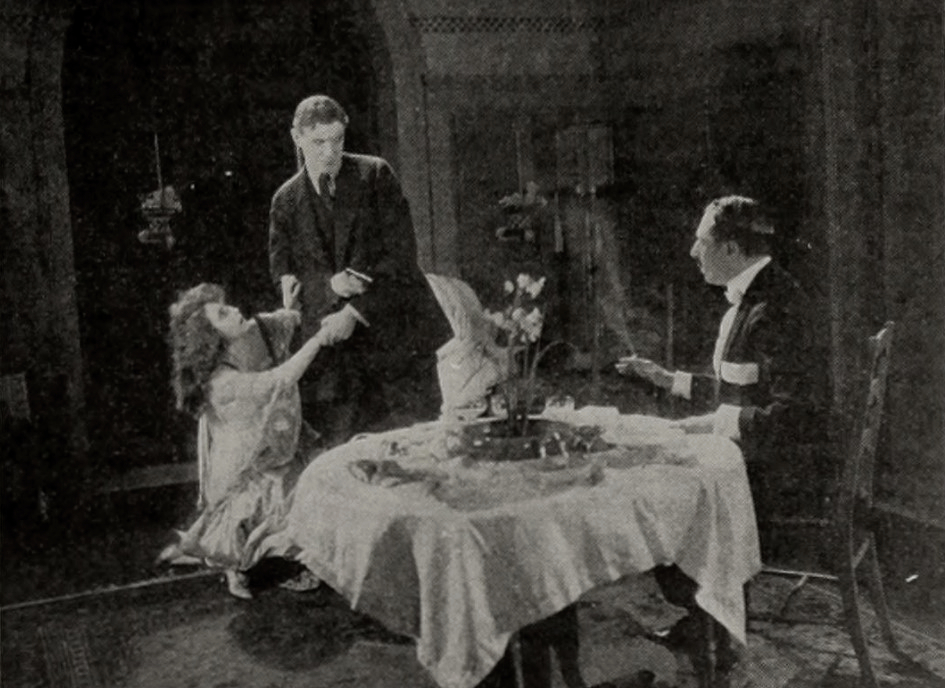
The aftermath is a study in desolation. John, having committed a violent act for a love he couldn't yet articulate, returns to Mukden, alone and utterly heartbroken. His attempted suicide is the ultimate manifestation of his despair, a poignant reflection of a soul in torment. Frederick Perry and Fannie Ward, though their roles might be secondary, contribute to the intricate tapestry of supporting characters that give depth to this emotional landscape, their presence subtly underscoring the societal reverberations of the main characters' actions. The film doesn't shy away from depicting the profound psychological toll of such a tumultuous journey, making John’s recovery from his wound not just a physical one, but a slow, arduous process of spiritual and emotional healing.
It is in this crucible of suffering and introspection that the true heart of Innocent reveals itself. Innocent, now stripped of her naivety, her eyes opened by betrayal and violence, finally comprehends the depth of John’s devotion and, more importantly, the reciprocal stirrings of her own heart. Her journey back to Mukden to find him, to pledge her love and agree to marry him, is not merely a convenient plot resolution but a powerful testament to personal growth and the realization of authentic connection. It’s a love forged in the fires of adversity, a bond that transcends initial guardianship and blossoms into mature, reciprocated affection. The film, in its quiet, visual language, communicates this transformation with remarkable clarity, an evolution from a girl who knew nothing to a woman who understands the intricate dance of human emotion.
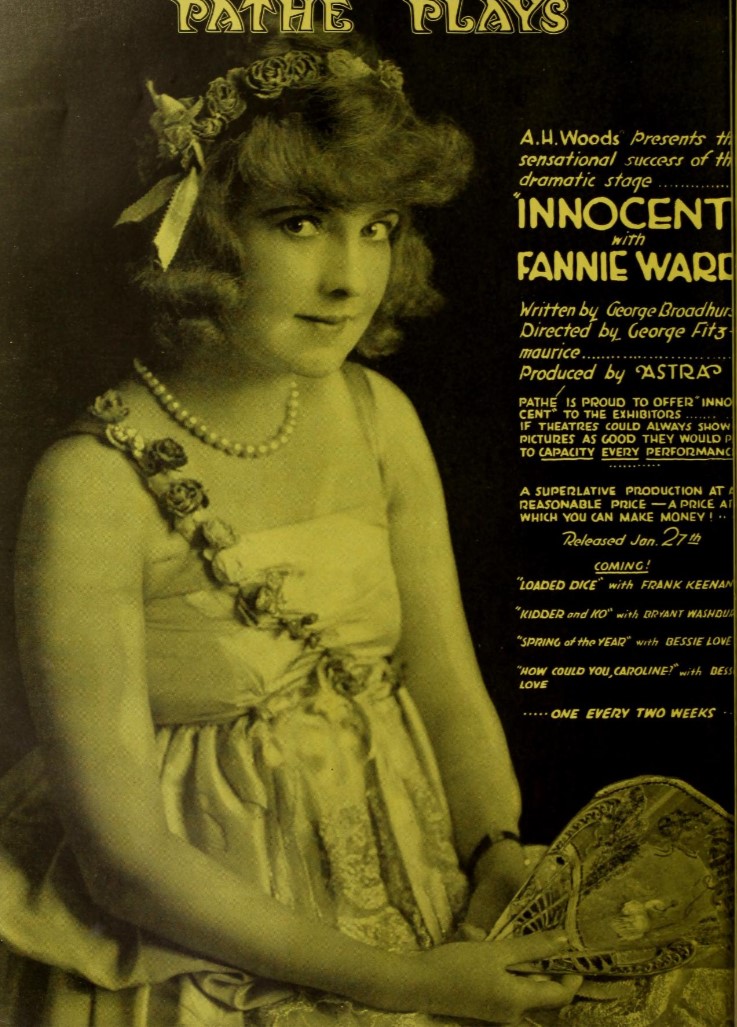
The performances, particularly Rae Allen’s nuanced portrayal of Innocent, are critical to the film’s success. In the absence of spoken dialogue, silent film actors relied heavily on facial expressions, body language, and subtle gestures to convey complex emotions. Allen masterfully navigates Innocent’s transition from a wide-eyed, almost ethereal presence to a woman who has experienced the harsh realities of life, love, and loss. Her evolution is palpable, her silent expressions speaking volumes. John Miltern, as John Wyndham, effectively conveys the internal struggle of a man torn between duty, desire, and despair. His performance is a study in quiet intensity, his eyes often betraying the turmoil that rages beneath a composed exterior.
George Broadhurst’s writing, adapted for the screen, demonstrates a keen understanding of dramatic structure and character development. The narrative arc, from cloistered innocence to worldly experience and finally to a hard-won emotional maturity, is meticulously crafted. The film navigates themes of moral corruption, redemption, and the transformative power of love without resorting to simplistic resolutions. It suggests that true love often emerges from shared trials and tribulations, not from idealized, untarnished beginnings. The journey itself is the crucible that refines and reveals the true nature of the characters, much like the challenging moral landscapes explored in Body and Soul, where characters grapple with their inner demons to find a path to spiritual clarity.
The visual storytelling, a hallmark of the silent era, is particularly effective in Innocent. The starkness of Mukden, the opulent decadence of Paris, and the sun-drenched beauty of the Riviera are all rendered with an evocative power that transcends the lack of color or sound. The cinematography, though perhaps not groundbreaking by today's standards, serves the narrative faithfully, using composition and lighting to enhance the emotional tenor of each scene. The contrast between the dark, shadowy interiors of John's despair and the brighter, hopeful scenes of Innocent's realization is subtly handled, guiding the viewer's emotional response. The film’s ability to transport the audience across continents and through profound emotional shifts, using only visual cues and intertitles, is a testament to the artistry of silent cinema.
One cannot help but ponder the societal context in which Innocent was released. Coming out in 1918, amidst the turmoil of World War I, the film’s exploration of moral decay, redemption, and the search for enduring love would have resonated deeply with audiences grappling with a rapidly changing world. It offered a narrative of hope amidst despair, a belief in the possibility of personal transformation even after profound loss and moral compromise. It touches upon the broader societal anxieties of the time, where traditional values were being questioned, and the allure of modern, cosmopolitan life was both thrilling and terrifying. The struggles of Innocent to navigate a world far beyond her sheltered upbringing might also subtly echo the burgeoning movements for female independence and agency, much like the themes occasionally touched upon in films such as The Morals of Hilda, where women often find themselves at a crossroads of personal and societal expectations.
In conclusion, Innocent is far more than a mere historical curiosity. It is a compelling drama, rich in character, theme, and emotional depth. Its masterful visual storytelling, coupled with strong performances from Rae Allen and John Miltern, ensures that its narrative of a young woman’s journey from cloistered naivety to profound self-awareness, and the complex love that ultimately defines her, remains impactful. It reminds us that innocence, once lost, can pave the way for a deeper, more resilient understanding of life and love. The film stands as a poignant reminder of the enduring power of silent cinema to communicate the most intricate facets of the human condition, inviting us to reflect on our own journeys of discovery and the unexpected paths that lead us to our truest selves.
IMDb 6.6
1928
Community
Log in to comment.