DbcultAccessing Vault...
Cult Review
Senior Film Conservator
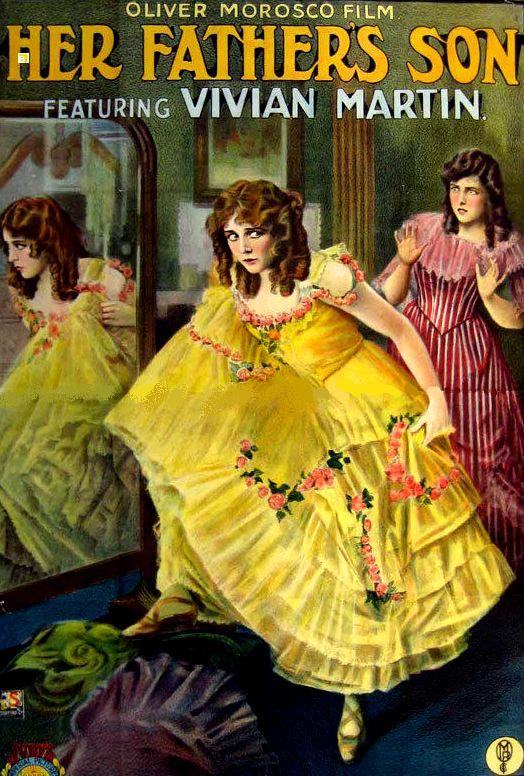
In the annals of cinematic storytelling, few narratives grip the imagination quite like those steeped in the murky waters of deception, where personal affections clash with national loyalties and the very fabric of identity becomes a malleable construct. Such is the compelling, if morally perplexing, premise of 'Her Father's Son,' a film that plunges its audience into a labyrinth of calculated pretense, pitting a Union officer's earnest devotion against the elaborate machinations of his beloved. It’s a study in the art of the lie, a testament to the lengths individuals will go to secure their desires, and a stark reminder of the corrosive power of secrets during times of national strife.
The film’s genius lies in its multi-layered approach to deceit. We are not merely presented with a simple betrayal, but a complex tapestry woven from threads of espionage, familial manipulation, and gender masquerade. Our protagonist, a Union officer, finds himself ensnared in a romance with a woman who, unbeknownst to him, is a master of disguise and duplicity. Her clandestine activities as a Confederate spy are dangerous enough, a direct affront to his uniform and his cause. Yet, this is but one facet of her elaborate charade. Simultaneously, she adopts the persona of a young boy, a desperate gambit to comfort her aging, wealthy, and heirless uncle, thereby cementing her position as his sole beneficiary. The sheer audacity of this dual life, the constant tightrope walk between lovers, enemies, and family, creates an almost unbearable tension that permeates every frame.
At the heart of this intricate plot are characters driven by a potent mix of conviction, ambition, and perhaps, a twisted sense of survival. The Union officer, likely portrayed with an earnest gravitas by someone like Tom Bates or Joe Massey, embodies the steadfast principles of duty and honor. His love for this woman, initially pure and uncomplicated, becomes the very instrument of his emotional torment and eventual enlightenment. He is not merely a pawn but an active participant in the unraveling, a man forced to reconcile his personal feelings with the stark realities of war and betrayal. His journey from infatuation to disillusionment is the emotional anchor of the film, providing a relatable human core amidst the grander machinations.
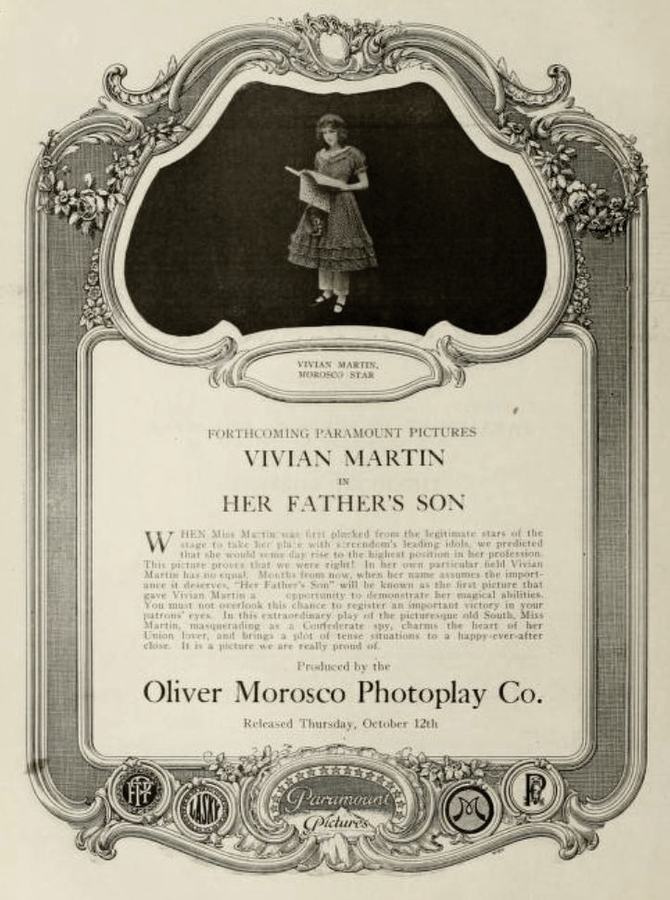
The woman, a role demanding immense versatility and cunning, perhaps brought to life by Lucille Ward or Vivian Martin, is the true enigma. What drives her? Is it an unshakeable loyalty to the Confederate cause, a calculated opportunism for her uncle's fortune, or a desperate blend of both? Her ability to switch seamlessly between the affectionate sweetheart, the stealthy spy, and the innocent boy speaks volumes about her psychological fortitude and her chilling detachment. This character is not merely a villain but a complex study in moral relativism, forcing us to ponder the ethics of survival and the blurred lines between right and wrong in desperate times. Her actions, while reprehensible from a Union perspective, are undeniably audacious and effective, making her a formidable figure in the narrative.
The uncle, a figure of pathos and unwitting victim, serves as the catalyst for the gender disguise. His age, wealth, and lack of an heir create the perfect vulnerability for exploitation. His desire for comfort and companionship, particularly from a 'son,' is heartbreakingly manipulated, exposing the darker side of familial bonds when tainted by greed. The emotional weight of this particular deception, the violation of an old man's trust and longing, adds a layer of tragic poignancy to the overall narrative of betrayal.
'Her Father's Son' transcends a simple wartime drama to delve into profound thematic territories. The most obvious, of course, is the theme of deception and its corrosive effects. The film masterfully illustrates how lies, once spun, require ever more intricate lies to maintain, creating an unsustainable web that inevitably collapses. This resonates with films like The Intrigue, where political machinations and personal betrayals intertwine, or even the more psychological depths of The Case of Becky, which explores fragmented identities and the masks people wear. Here, the deception is deliberate, a chosen path rather than a psychological affliction, making its moral implications all the more stark.
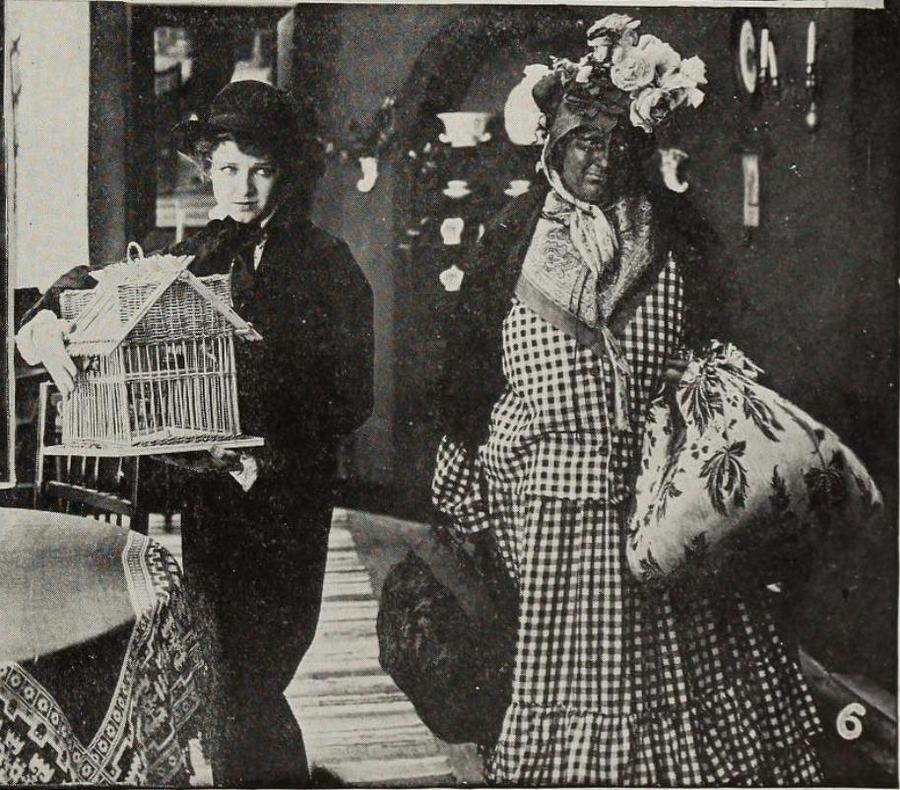
The blurring of gender roles and identity through the boy disguise is another fascinating avenue explored. This isn't merely a plot device for convenience; it speaks to the fluidity of self and the performative nature of gender. In a broader sense, it mirrors the way individuals can adopt entirely different personas to navigate complex social or political landscapes. This theme finds echoes in narratives such as L'enfant prodigue, albeit in a different context of familial return and acceptance, where a disguised or changed identity plays a pivotal role in the emotional arc.
Furthermore, the film is a powerful commentary on wartime morality and loyalty. During conflict, the lines between hero and villain, right and wrong, become notoriously indistinct. The woman's actions, while treacherous to the Union, might be seen as patriotic from a Confederate viewpoint. This moral ambiguity is a recurring motif in cinema, reminiscent of the complex loyalties depicted in A tiszti kardbojt (The Officer's Sash), which often explores the internal conflicts of soldiers caught between duty and personal conviction. 'Her Father's Son' asks us to consider the price of allegiance and the sacrifices made, both noble and ignoble, in the name of a cause.
The pursuit of wealth and inheritance as a motivator for such extreme deception also casts a cynical light on human nature. The uncle's fortune becomes a prize, justifying, in the deceiver's mind, the emotional manipulation and sustained falsehoods. This aspect connects with films like Gambler's Gold, where high stakes and material gain often drive characters to desperate measures, or Silks and Satins, which might explore the superficial allure of wealth and the deceptions employed to maintain appearances.
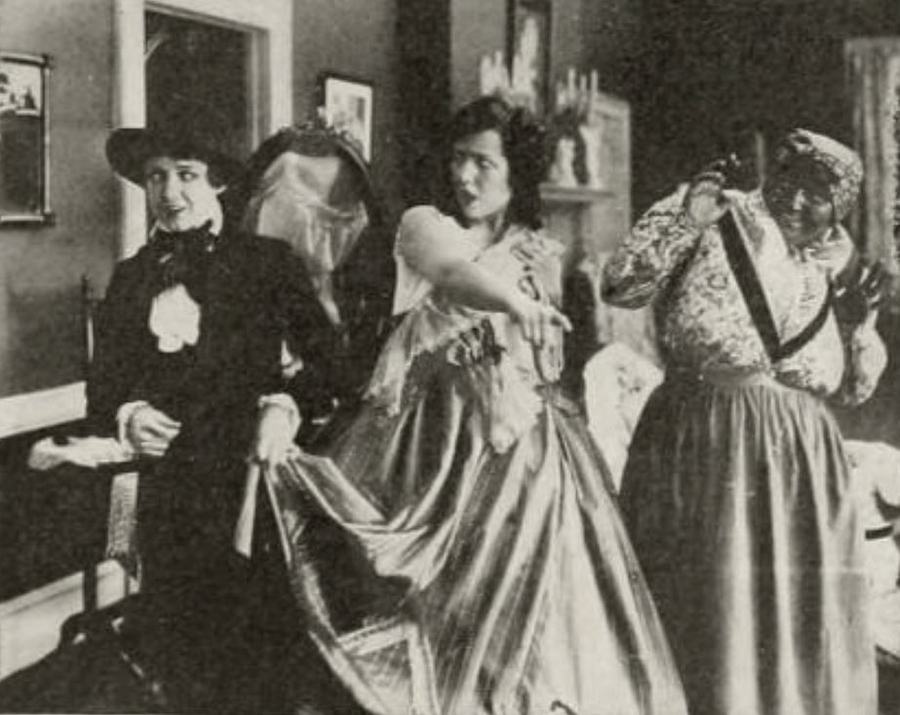
The dramatic tension builds inexorably towards the moment of exposure. The Union officer, his suspicions aroused by inconsistencies or perhaps by a moment of carelessness on her part, embarks on a relentless quest for truth. This investigative thrust, the methodical dismantling of a carefully constructed illusion, is where the film truly shines. It's a testament to the power of intuition and the human capacity for observation, even when blinded by affection. The climax is not merely a revelation but an explosion of shattered trust, a dramatic confrontation that forces all parties to confront the uncomfortable realities. The unraveling of her various deceptions — the spy's dossier, the boy's true identity — must be orchestrated with precision, each layer peeled back to reveal the full extent of her cunning.
The emotional fallout from such a betrayal would be immense. For the Union officer, it's the crushing weight of discovering that the woman he loved was not only an enemy agent but also a manipulator of an innocent old man. For the uncle, it's the devastating realization that the comfort he sought was a calculated act of exploitation. And for the woman herself, facing exposure, it would be a moment of reckoning, forcing her to confront the consequences of her choices. This kind of moral reckoning is central to films like Schuldig (Guilty) or Das schwarze Los (The Black Lot), where characters grapple with the inescapable repercussions of their actions and the weight of moral transgression.
While specific cinematic techniques of the era might have dictated certain stylistic choices, one can imagine the filmmakers leveraging close-ups to capture the nuanced expressions of deceit and dawning realization. The use of shadow and light could have dramatically emphasized the clandestine nature of the woman's activities, creating a visual metaphor for her hidden life. The pacing, likely building slowly to a crescendo of revelation, would have been crucial in maintaining suspense. The performances, particularly from the actress playing the central deceiver, would need to be remarkably subtle yet convincing, conveying both vulnerability and steely resolve.
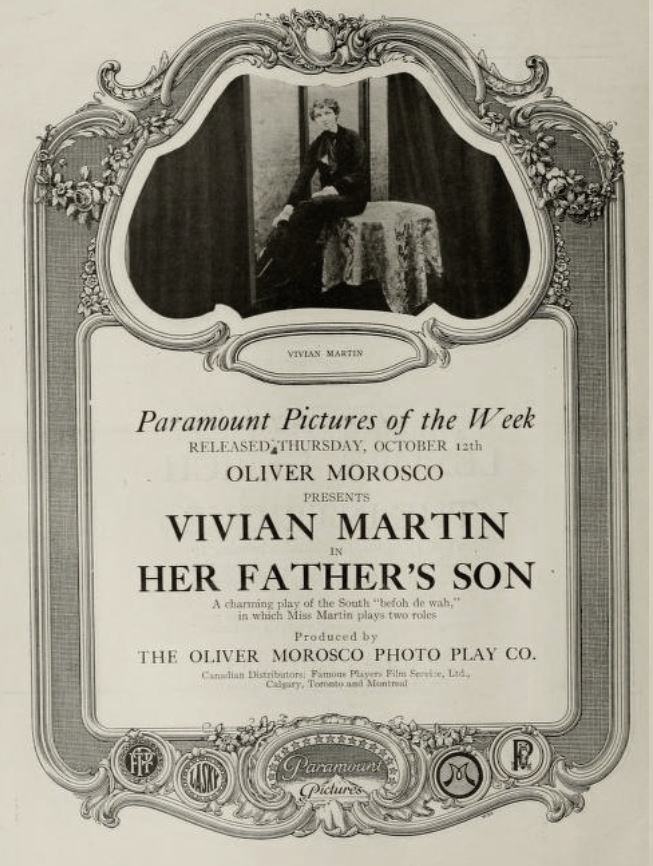
The enduring legacy of 'Her Father's Son' lies in its timeless exploration of human nature's darker impulses. It’s a narrative that probes the depths of ambition, the complexities of loyalty, and the fragility of trust. It reminds us that appearances can be deceiving, particularly when powerful motivations like war and wealth are at play. In an era often characterized by more straightforward moral narratives, a film that delves into such intricate psychological territory would have been remarkably sophisticated.
Comparing it to other films of its time, 'Her Father's Son' stands out for its audacious plot. While films like The Marble Heart might deal with grander tragic romances or Herod with the machinations of power, 'Her Father's Son' grounds its epic themes in intimate, personal betrayals. It’s less about the sweeping grandeur of historical events and more about the micro-level impact of individual choices on human relationships. The film's examination of a woman's agency, however morally dubious, in a patriarchal society also offers a compelling point of discussion, positioning her as a formidable force navigating a world of men and war.
The film's exploration of hidden lives and secret identities also finds a thematic cousin in Le roman d'un caissier (The Cashier's Story), where a seemingly ordinary life might conceal a world of financial or personal deception. The constant threat of exposure, the psychological toll of maintaining multiple facades, is a universal human experience, amplified here by the life-or-death stakes of wartime espionage.
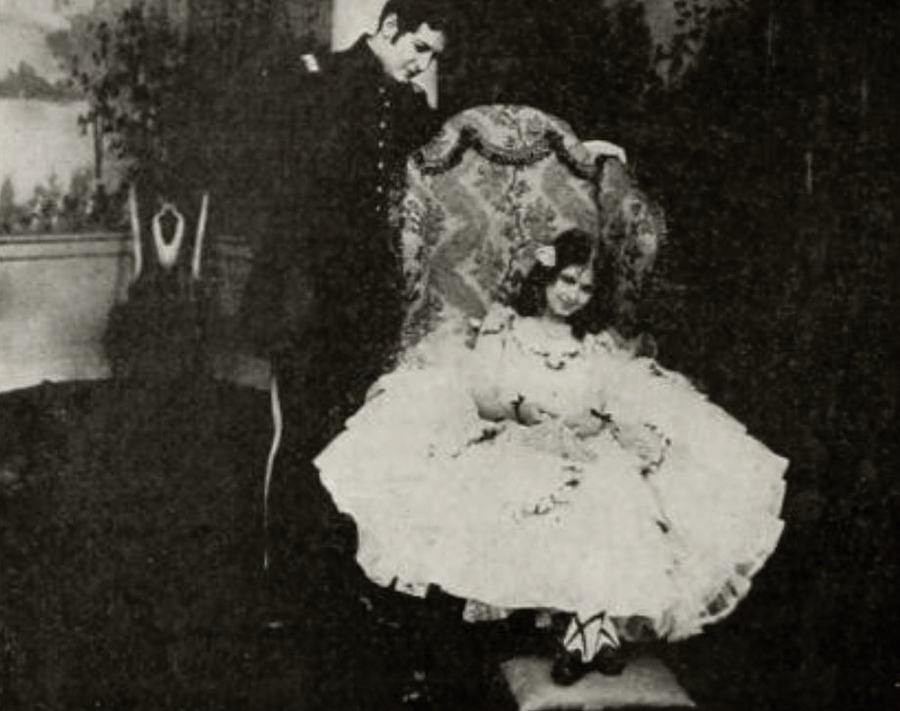
Ultimately, 'Her Father's Son' is not merely a story of exposure but a profound meditation on the nature of truth itself. What happens when the person you love, the cause you fight for, and the family you cherish are all entangled in a web of calculated falsehoods? The film forces its characters, and by extension, its audience, to confront these uncomfortable questions, leaving a lasting impression long after the final frame. It's a compelling piece of cinema that, even decades later, continues to resonate with its exploration of the complex, often contradictory, facets of the human spirit.
The narrative's intricate dance between love and betrayal, patriotism and personal gain, identity and artifice, ensures its place as a fascinating case study in early cinematic storytelling. It dares to present a morally ambiguous protagonist whose actions, while abhorrent, are undeniably driven by powerful, if self-serving, motivations. This complexity elevates 'Her Father's Son' beyond simple melodrama, positioning it as a thoughtful exploration of the human condition under duress. The revelations are not just plot points but profound moments of shattered illusions, irrevocably altering the landscape of every character's world.
One can only imagine the impact such a story had on contemporary audiences, grappling with their own societal norms and the aftermath of conflict. The film’s power lies in its ability to strip away the pleasantries of polite society and expose the raw, often ruthless, mechanisms of survival and ambition. It’s a testament to the enduring appeal of narratives that challenge our perceptions and force us to look beyond the obvious, revealing the intricate, often unsettling, truths that lie beneath the surface.
IMDb —
1915
Community
Log in to comment.