DbcultAccessing Vault...
6.6/10
Senior Film Conservator
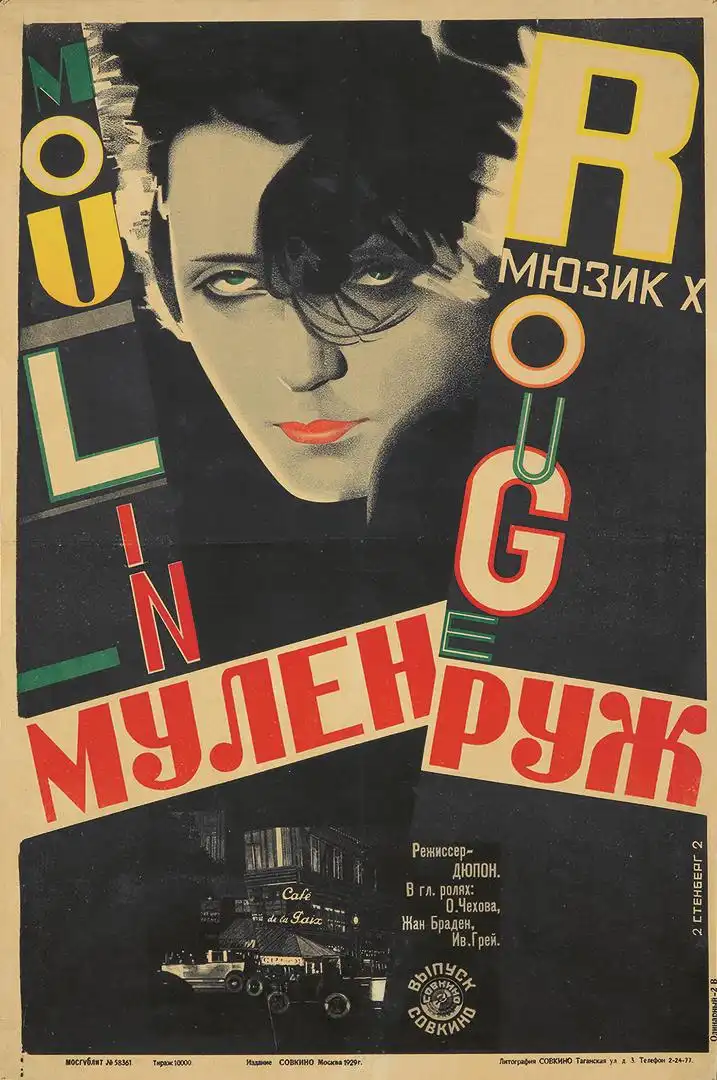
A definitive 6.6/10 rating for a film that redefined the boundaries of cult cinema. Moulin Rouge remains a cornerstone of transgressive art.
Ewald André Dupont's 1934 melodrama, Moulin Rouge, is a fascinating, if often frustrating, watch today. For cinephiles keen on exploring the early sound era and the transitional period of European filmmaking, it offers a valuable glimpse into how directors like Dupont adapted their craft. Fans of classic melodrama, particularly those interested in the grand, sweeping passions that defined the genre, will find moments to appreciate. However, for a general audience accustomed to modern pacing, nuanced character development, or polished production, the film will likely feel slow, occasionally stiff, and structurally uneven. It’s a historical curiosity more than a timeless classic, best approached with an understanding of its context.
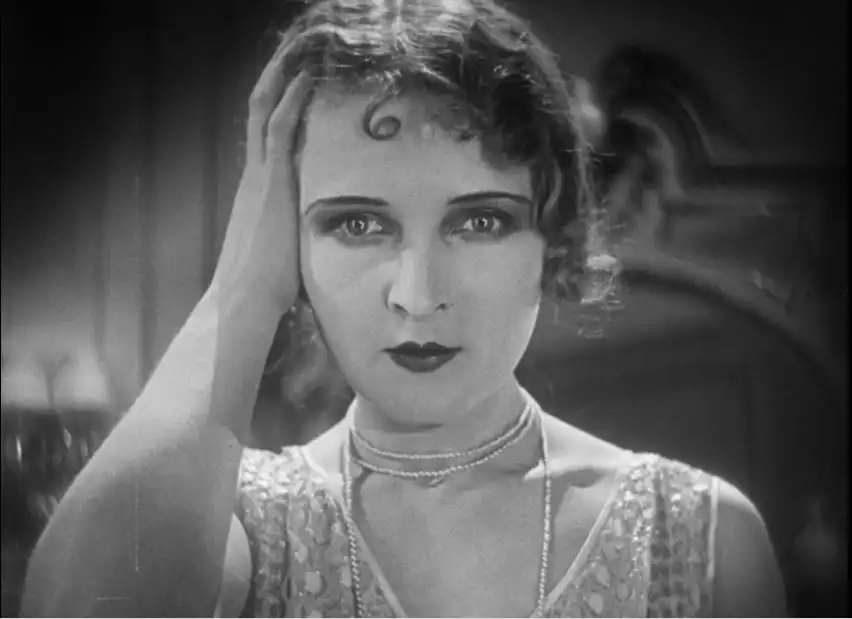
The film’s central conflict hinges on the entanglement between Parysia (Blanche Bernis), her daughter Margaret (Eve Gray), and Andre (Ray Milland). Bernis, as the famed dancer Parysia, carries herself with an undeniable stage presence, her character a blend of theatrical glamour and underlying vulnerability. She conveys the weariness of a woman who has lived under the public eye, even if some of her more emotional scenes lean heavily into the dramatic gestures characteristic of silent film acting that had yet to fully shed itself in the sound era. Her performance is most effective when she's simply observing, a subtle tension playing across her face.
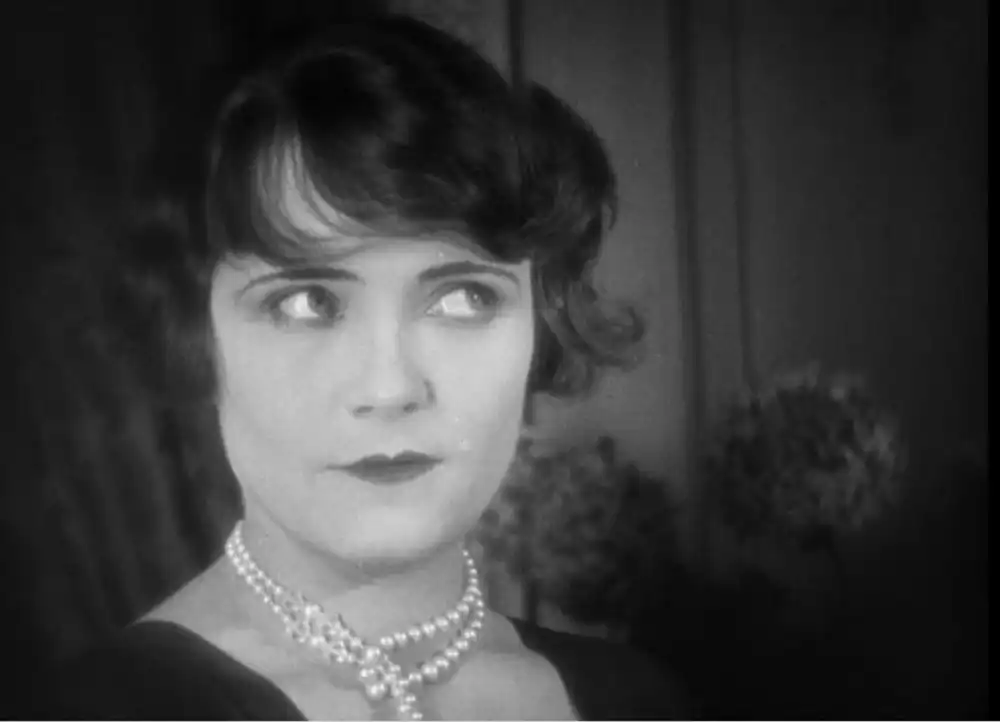
Eve Gray, as Margaret, is given the more thankless role of the naive ingénue. She handles the emotional whiplash of her character with earnestness, though her reactions occasionally feel a beat behind, as if she's waiting for her cue rather than inhabiting the moment. The film asks a lot of her, especially as the plot twists reveal the true nature of Andre's affections, and while she delivers the requisite tears and shock, the depth sometimes feels superficial.
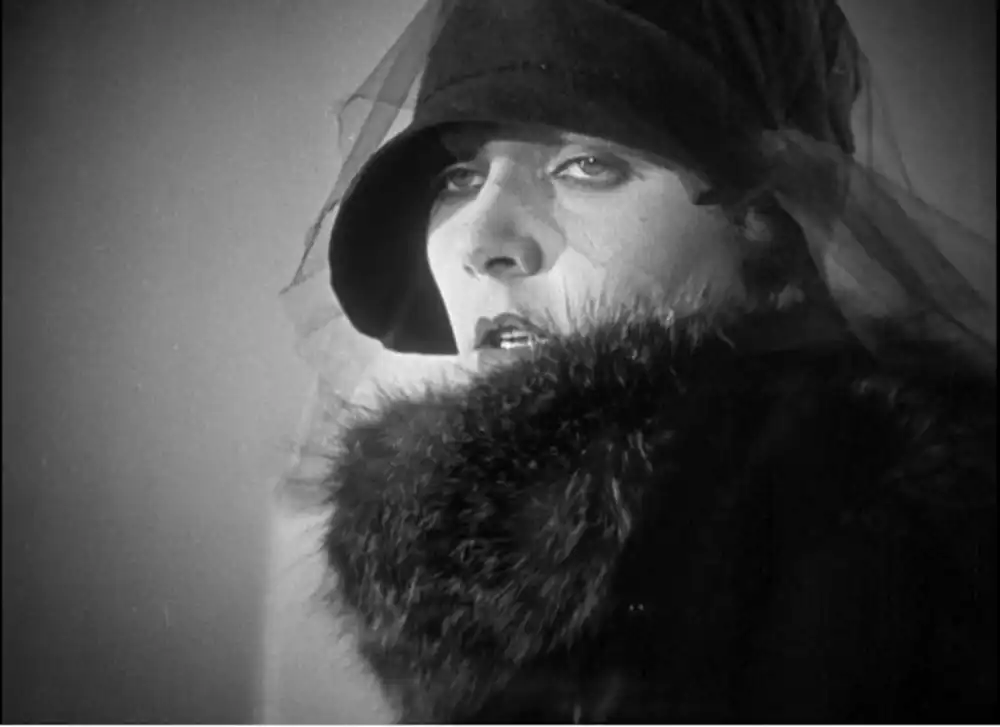
Ray Milland, still early in his career here, is perhaps the most interesting to watch. He brings a youthful charm and a certain casualness to Andre that stands apart from the more theatrical stylings of his co-stars. His dialogue delivery, while not entirely free of the period's stiltedness, often feels more naturalistic. There's a particular scene where Andre is trying to explain his feelings to Margaret in a cafe, and Milland fidgets with a sugar cube, his eyes darting around – it’s a small, humanizing detail that feels genuinely observed and helps ground an otherwise heightened dramatic situation.
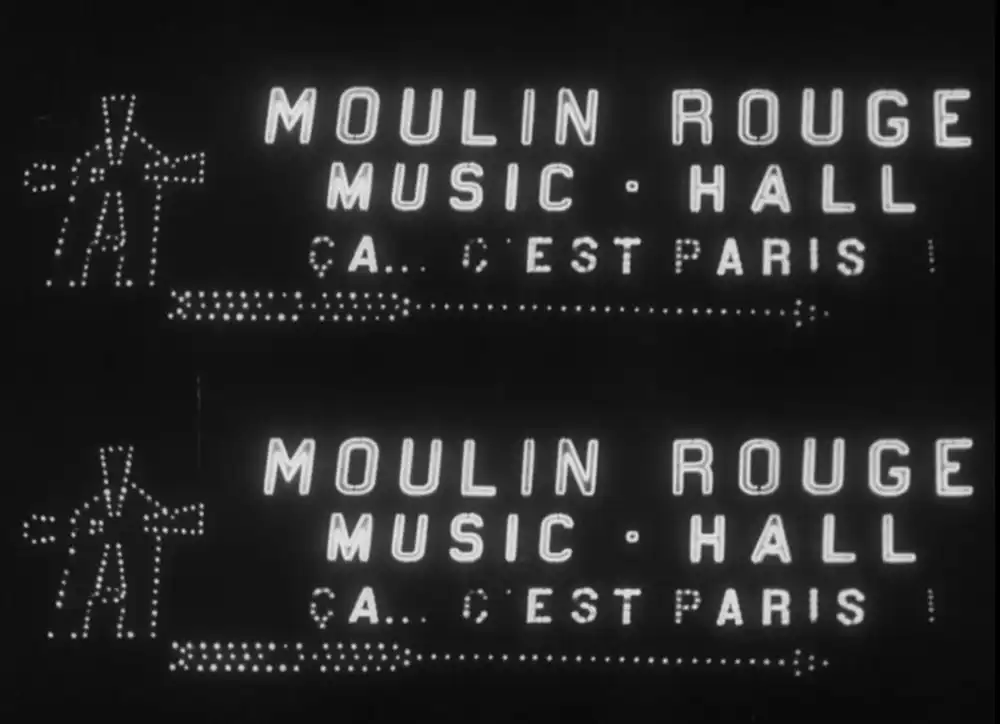
Moulin Rouge suffers from the common malady of early sound pictures: an inconsistent rhythm. The film opens with a lively, if somewhat stagey, depiction of the cabaret, full of swirling dancers and an energetic crowd. These moments have a visual dynamism that harks back to Dupont's silent film roots, particularly in how he orchestrates the background movement. However, once the narrative settles into its domestic drama, the pacing slows considerably. Conversations often unfold in long, static takes, with characters positioned almost formally, waiting for their lines. There's a sequence in Andre's father's study that feels particularly protracted, where the characters simply sit and talk, the camera barely moving, robbing the scene of any urgency.
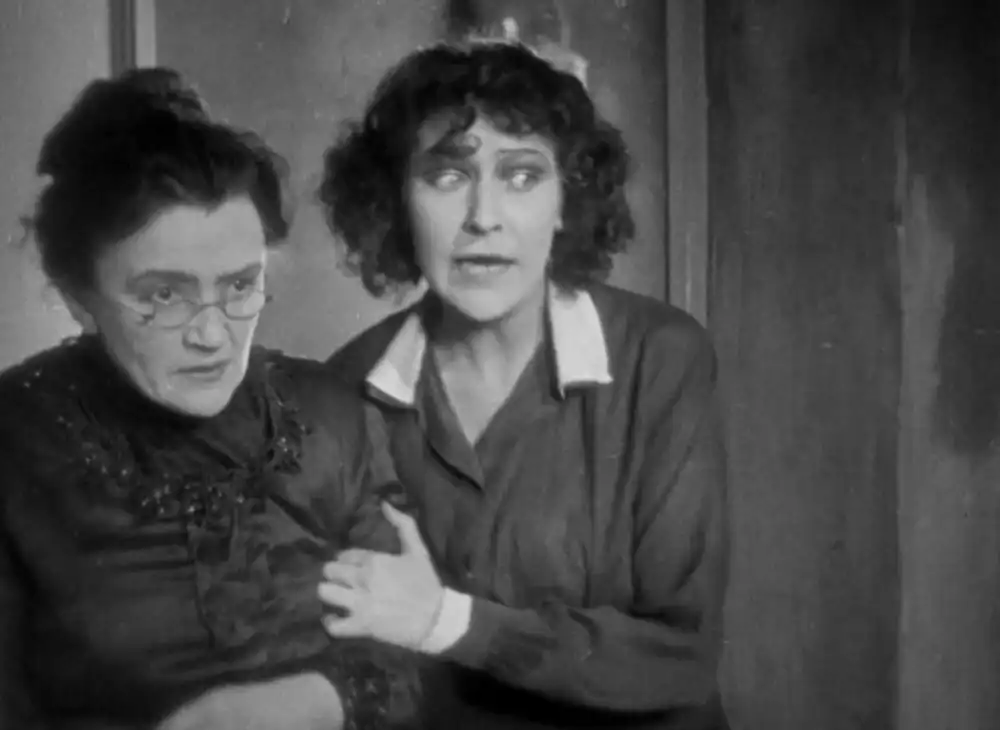
The tonal shifts are also quite abrupt. The film attempts to balance the high-energy world of the Moulin Rouge with the intimate, often somber, emotional turmoil of its characters. At times, the transition from a vibrant cabaret number to a hushed, tearful confrontation feels jarring rather than seamless. The film struggles to marry its two halves, the spectacle and the melodrama, into a cohesive whole, often leaving one feeling underdeveloped in favor of the other.
Dupont, a director with a strong visual sensibility from the silent era, brings some of that flair to Moulin Rouge. The shots of the cabaret itself are the film's visual highlight. The camera often glides through the bustling crowds, capturing the atmosphere of hedonism and spectacle. There's a striking shot during one of Parysia's dance numbers where the camera slowly pulls back, revealing the vastness of the audience and the sheer scale of the performance, emphasizing her celebrity. The costume design for Parysia is appropriately opulent, especially her stage outfits, which are designed to catch the light and command attention.
However, outside the cabaret, the film's visual language becomes more conventional. Domestic interiors, while adequately dressed, lack the same visual invention. The lighting, while functional, rarely creates a strong mood or adds depth to the emotional beats. There are moments where the film's technical limitations show, such as slightly awkward cuts that betray a lack of sound editing sophistication, or instances where background noise feels unnaturally muted or amplified.
Moulin Rouge (1934) is a film that exists in a fascinating liminal space. It’s neither a forgotten masterpiece nor a complete misfire, but rather a product of its time, showcasing the growing pains of a medium finding its voice. Its value today lies primarily in its historical context and as a testament to the enduring appeal of grand melodrama. If you're a student of film history, a fan of Ewald André Dupont's work, or simply curious about Ray Milland's early career, it's worth seeking out. Otherwise, be prepared for a viewing experience that requires patience and an appreciation for cinema's evolutionary journey.
IMDb 6.2
1934
Community
Log in to comment.