DbcultAccessing Vault...
5.2/10
Senior Film Conservator
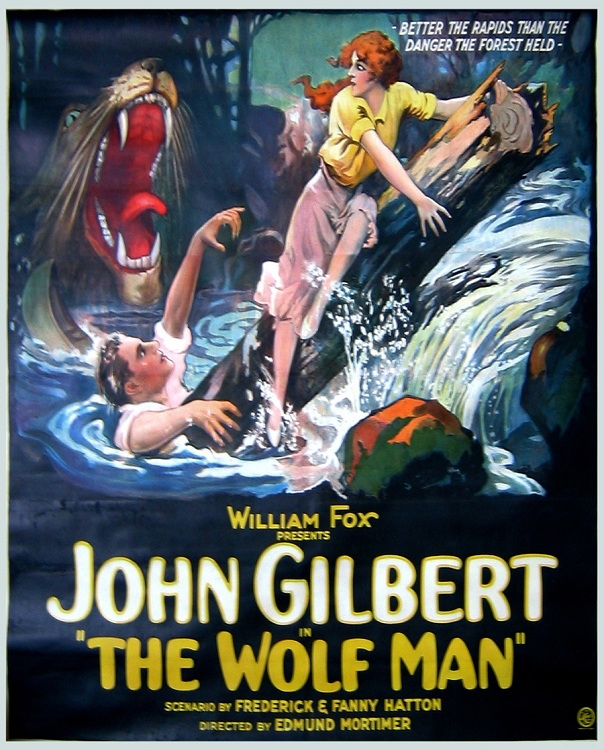
A definitive 5.2/10 rating for a film that redefined the boundaries of cult cinema. The Wolf Man remains a cornerstone of transgressive art.
In the annals of horror history, the year 1923 stands as a pivotal moment of transition, yet many of its most daring experiments have been swallowed by the relentless maw of time. The Wolf Man (1923), directed by Edmund Mortimer, exists today more as a cultural phantom than a tangible reel of nitrate. Starring the legendary John Gilbert before his coronation as the 'Great Lover' of the talkies, this film offers a fascinating, albeit lost, perspective on the werewolf mythos. Unlike the later Universal iterations that relied on the gravitational pull of the moon, this version posits a far more terrestrial and terrifying trigger: the demon drink. It is a work of aristocratic anxiety, where the high-born protagonist's descent into beastliness is a literalization of the Victorian fear of 'degeneration.'
To understand the gravity of this film, one must look at the landscape of the early 1920s. While films like Fantomas: The Man in Black were exploring the external threats of criminal masterminds and urban shadows, *The Wolf Man* turned the lens inward. It suggested that the most frightening predator wasn't lurking in the alleyways of Paris or the ruins of a castle, but within the very blood of the English gentry. The youngest son of a noble family, portrayed with a frantic intensity by Gilbert, becomes a vessel for an ancient curse that only awakens when his inhibitions are dissolved by alcohol. This narrative choice elevates the film from a mere creature feature to a biting social critique of the upper class's hidden vices.
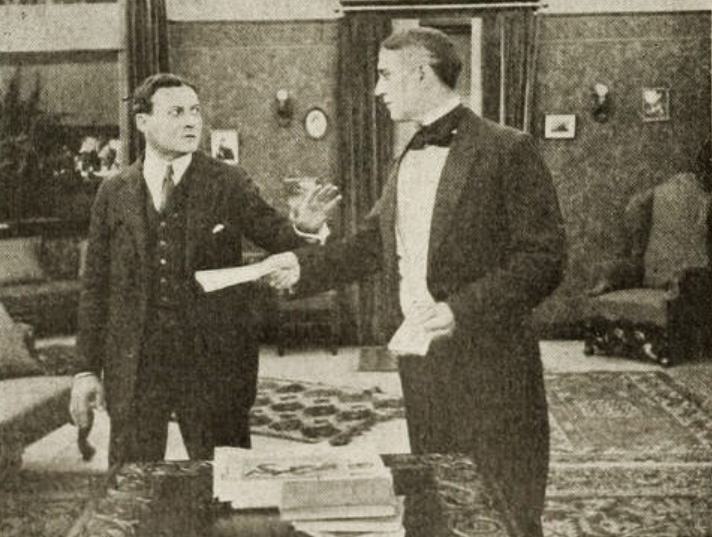
John Gilbert's performance is often cited by contemporary accounts as a masterclass in silent era expressionism. Before he was the suave romantic lead, he possessed a raw, almost jittery energy that suited the role of a man haunted by his own biology. In an era without the sophisticated makeup effects of Jack Pierce, the 'transformation' relied heavily on Gilbert's physicality—the contortion of his features, the feral shift in his posture, and the wild, unbridled desperation in his eyes. It was a performance that mirrored the psychological fracturing seen in A Man There Was, where the environment and internal trauma dictate the character's physical reality.
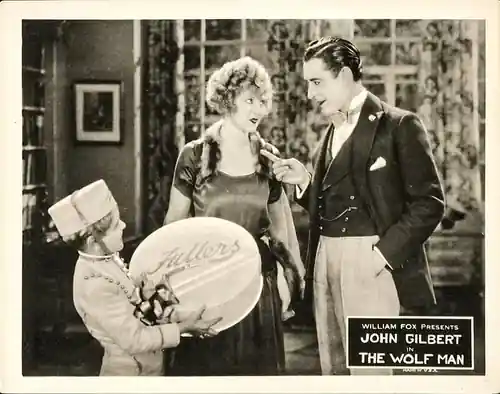
The supporting cast, including a young Norma Shearer, provided the necessary domestic anchor for this supernatural tragedy. Shearer, even in this early stage of her career, displayed the poise that would later make her an MGM icon. Her presence in the film serves to heighten the stakes; she is the symbol of the civilized world that Gilbert’s character is destined to lose. The chemistry between them, captured in the flickering light of 1923, must have been palpable, creating a poignant contrast between the budding romance and the impending lupine shadow. This dynamic of 'beauty and the beast' is a recurring motif in the genre, but here it is stripped of its fairy-tale whimsy and replaced with the cold, hard reality of a medical or moral failing.
The choice of alcohol as the metamorphic catalyst is a stroke of thematic genius that differentiates this film from almost every other werewolf story in cinema. In the early 20s, the Temperance movement was a powerful social force, and the 'beast in the bottle' was a common rhetorical device. By literalizing this metaphor, the screenwriters—Fanny Hatton, Reed Heustis, and Frederic Hatton—tapped into a visceral public anxiety. The protagonist's transformation is not a random act of fate, but a consequence of a specific indulgence. This adds a layer of moral culpability to the horror that is absent in the 'bitten-by-a-wolf' trope.
When we compare this to other films of the period, such as the mysterious allure of The Mystery Girl, we see a shift from external intrigue to internal disintegration. *The Wolf Man* suggests that the 'beast' is a dormant genetic trait, a vestigial remnant of a more violent past that is kept at bay only by the thin veneer of civilization and sobriety. This concept of 'atavism' was a popular pseudo-scientific theory of the time, suggesting that certain individuals could 'revert' to more primitive states. The film uses this to craft a narrative of inevitable doom, where the protagonist's struggle against his own nature is a losing battle from the start.
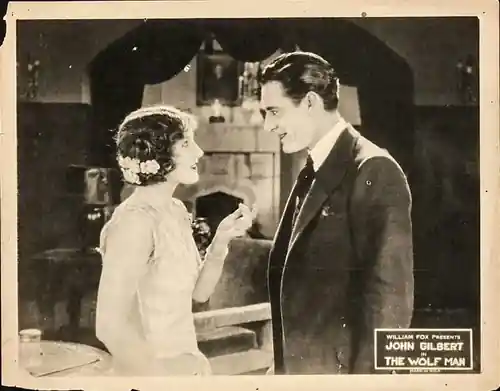
While the physical prints of *The Wolf Man* (1923) are largely elusive, the production stills and contemporary reviews allow us to reconstruct its visual language. The film likely utilized the high-contrast lighting styles that were becoming the hallmark of the silent horror genre. Imagine the deep blacks and sepia tones of the English manor, where the shadows seem to stretch and claw at the walls as the protagonist reaches for his glass. The cinematography, handled by those who understood the power of the static frame, would have focused on the claustrophobia of the domestic space—a gilded cage where the animal within is slowly outgrowing its bars.
In contrast to the grand, ethereal beauty of Tiannu san hua, which looked toward the heavens for inspiration, *The Wolf Man* is firmly rooted in the dirt and the blood of the earth. It shares a certain gritty realism with films like Human Driftwood, where the characters are victims of their circumstances and their own flawed humanity. The visual storytelling of 1923 was reaching a peak of sophistication, using double exposures and rhythmic editing to convey mental instability, techniques that were surely employed to depict the protagonist's blurring reality as the 'wolf' took over.
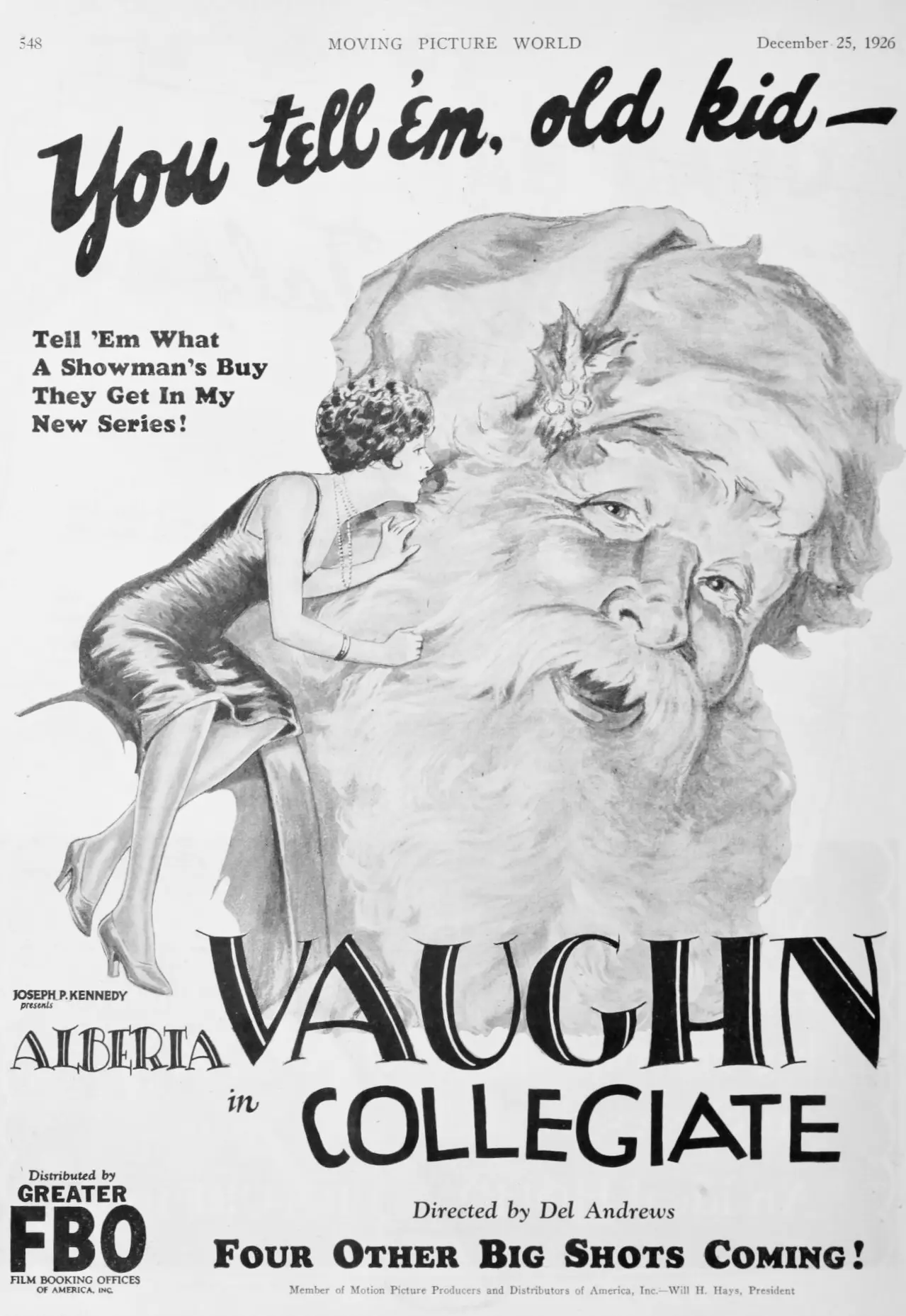
To fully appreciate the unique position of *The Wolf Man*, one must weigh it against the broader cinematic output of its era. Consider The Alien or An Alien Enemy, which dealt with the 'other' as a foreign or external threat. *The Wolf Man* subverts this by making the 'other' an intrinsic part of the self. It is a more intimate and therefore more terrifying form of horror. It doesn't allow the audience the comfort of pointing at a villain; the villain is the hero, and the hero is a victim.
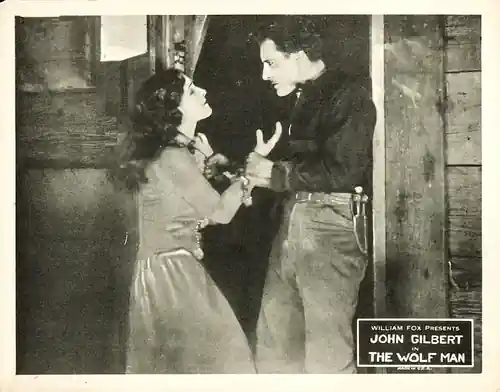
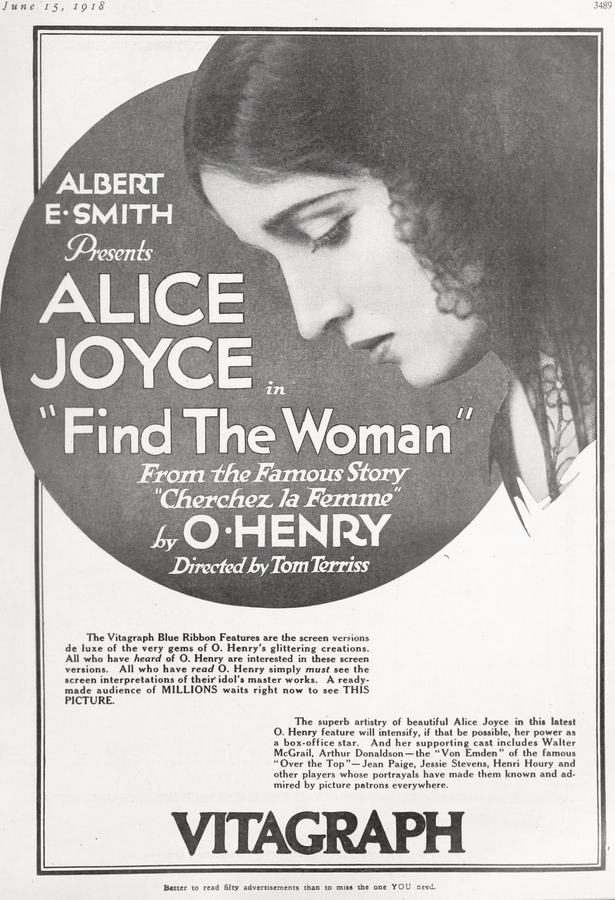
Furthermore, the film’s exploration of social standing and the fragility of reputation echoes the themes found in One Man in a Million and The Mantle of Charity. In these stories, a single flaw or a single moment of weakness can lead to a total social collapse. For the youngest son of a noble family, the 'wolf' is not just a physical threat; it is a social death sentence. The horror lies as much in the loss of his title and his beloved as it does in the growing of fur and fangs. It is a quintessentially British tragedy, where the stiff upper lip is finally bitten through by the teeth of the repressed subconscious.
Why does a film like *The Wolf Man* (1923) matter today, especially when it is so difficult to view? It matters because it represents the 'road not taken' for the werewolf genre. Before the mythos became codified with silver bullets and pentagrams, it was a fluid, experimental space for exploring human psychology. This film’s link between addiction and lycanthropy is a sophisticated thematic choice that modern horror often struggles to replicate with the same sincerity.
It also serves as a reminder of the immense talent of John Gilbert and the early brilliance of Norma Shearer. Their involvement in such a dark, transgressive project suggests a willingness to push the boundaries of silent drama. The film's preoccupation with moral decay and the 'sins of the father' (as hinted by the noble bloodline) aligns it with the heavy, portentous atmosphere of Syndens datter or the cautionary tales of Enlighten Thy Daughter. It is a piece of a larger puzzle—a moment when cinema was beginning to realize that the most effective way to scare an audience was to show them a mirror.
In the final analysis, *The Wolf Man* (1923) is a masterpiece of conceptual horror. It takes a well-worn folklore trope and infuses it with a contemporary (for 1923) social relevance that is both daring and devastating. The performances, the direction by Mortimer, and the script's focus on the psychological rather than just the spectacular, mark it as a high point of early 20s filmmaking. While we may never see the full interplay of light and shadow on Gilbert's transforming face again, the legacy of this film lives on in every story that treats the monster as a metaphor for the human condition.
It stands alongside Her Fighting Chance or The Last Dance as a testament to the era's ability to blend high-stakes drama with profound personal tragedy. For the film historian and the horror aficionado alike, the 1923 version of *The Wolf Man* remains the ultimate 'holy grail'—a film that promised a more intellectual, more grounded, and ultimately more frightening version of the werewolf than the ones that eventually took its place in the cinematic pantheon. It is a haunting reminder that sometimes, the most terrifying thing about a man is what he becomes when he thinks no one is watching—or when he has had one too many.
IMDb 6.5
1933
Community
Log in to comment.