DbcultAccessing Vault...
Cult Review
Senior Film Conservator
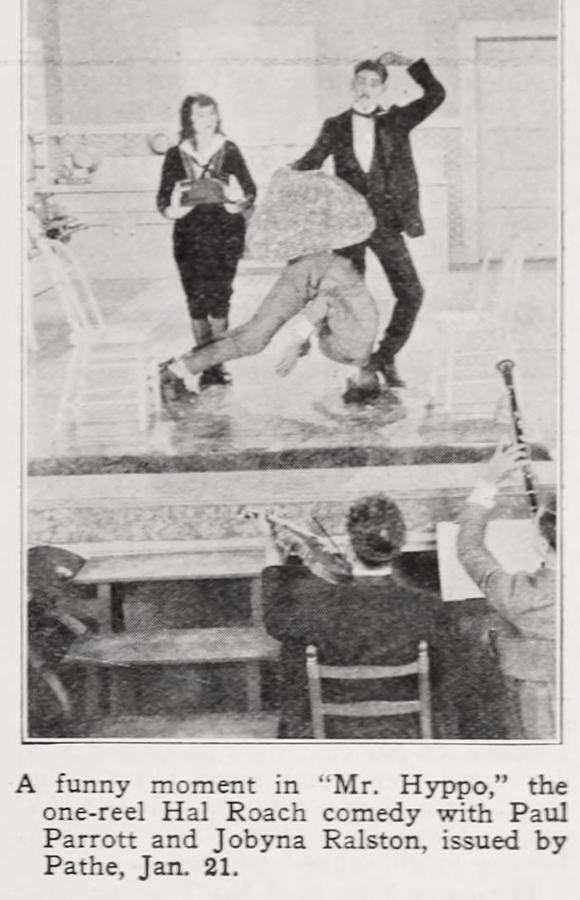
The film opens with a chiaroscuro tableau: a solitary spotlight pierces the gloom, illuminating the flamboyant silhouette of Mr. Hyppo, whose top‑hat and silk cape betray an era obsessed with spectacle. Mark Jones, whose expressive eyebrows convey more than dialogue ever could, beckons a trembling youth from the audience. The volunteer’s anxiety is palpable, a visual echo of the audience’s own anticipation. Hyppo’s hypnotic ritual—hand gestures, rhythmic tapping, and an almost hypnotic cadence—draws the viewer into a liminal space where reality and suggestion intertwine. The rival hypnotist, introduced in a fleeting cutaway, watches with narrowed eyes, his presence a dark counter‑weight to Hyppo’s flamboyance.
\nJames Parrott delivers a masterclass in silent‑film comic timing as the bewildered volunteer, his facial contortions ranging from wide‑eyed wonder to frantic panic. Jobina Ralston, as the skeptical assistant, provides a grounding foil, her sharp glances cutting through the haze of illusion. George Rowe’s cameo as the rival hypnotist is brief yet potent; his gaunt visage and deliberate movements convey a menace that feels almost prescient. Eddie Baker’s slapstick interludes, especially the moment he trips over a rope while trying to intervene, inject a kinetic energy reminiscent of the physical comedy in Burn 'Em Up Barnes. The ensemble, under Hal Roach’s direction, operates like a well‑rehearsed troupe, each gesture calibrated for maximum visual impact.
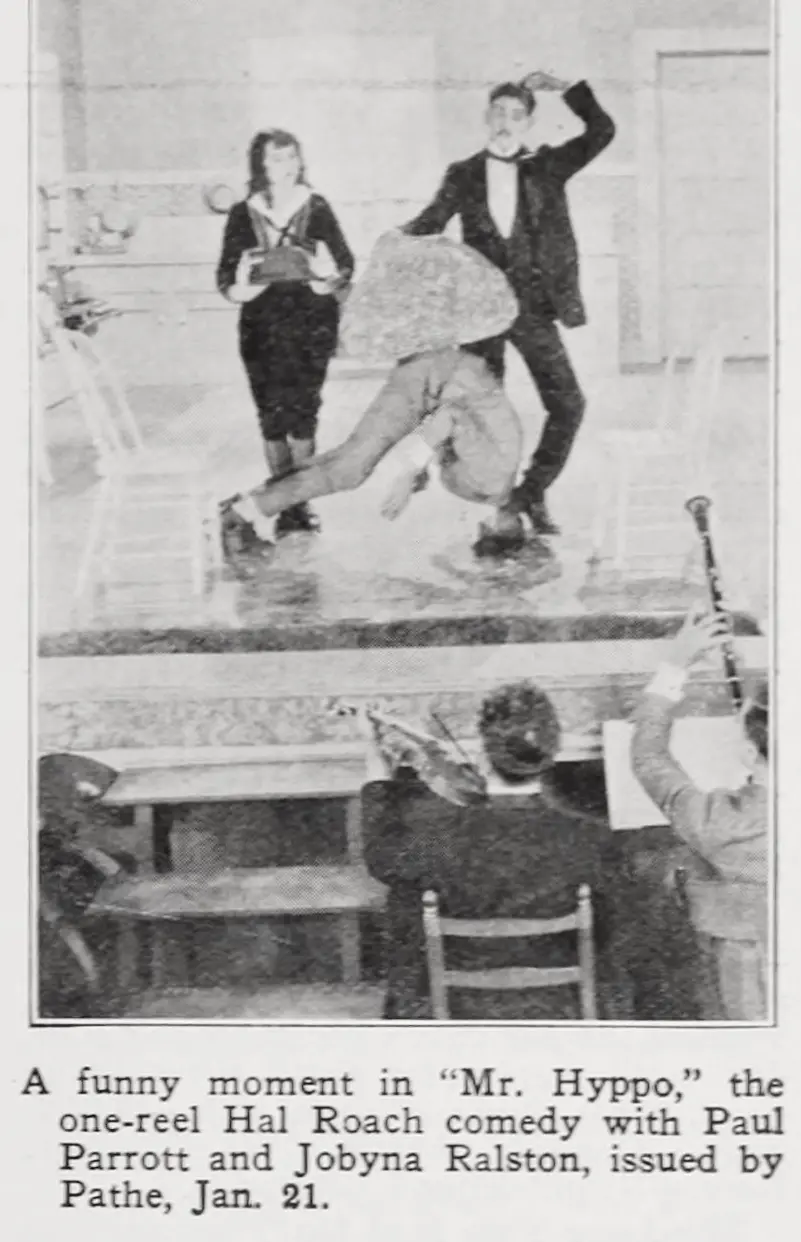
Beyond its surface comedy, Mr. Hyppo interrogates the fragile architecture of authority. The hypnotist’s claim to dominion over the mind mirrors the broader cultural fascination with control during the post‑World War I era, a time when audiences craved both escapism and a reassurance of order. The rival’s sabotage—an engineered vibration that disrupts the hypnotic flow—serves as a metaphor for the inevitable collapse of any façade when confronted by dissent. When the crowd erupts, the film captures a collective loss of agency, a visual chorus that echoes the societal unrest of the 1920s. In this sense, the film anticipates the thematic concerns of later works like The Mechanical Man, where technology and illusion intersect.
\nThe cinematographer employs stark contrast, bathing the stage in deep shadows while allowing the spotlight to carve out islands of clarity. This chiaroscuro technique heightens the tension during the hypnotic sequence, making the audience feel as though they, too, are under a spell. The camera’s occasional tilt during the riot scene—an early example of Dutch angle—creates a disorienting effect that mirrors the crowd’s panic. The use of practical effects, such as vibrating wires hidden behind the set, demonstrates a resourcefulness that rivals the ingenuity seen in Dreams of the Rarebit Fiend: The Flying House. The final escape, captured in a single long shot as Hyppo clings to the curtain ropes, is a testament to the director’s confidence in staging and timing.
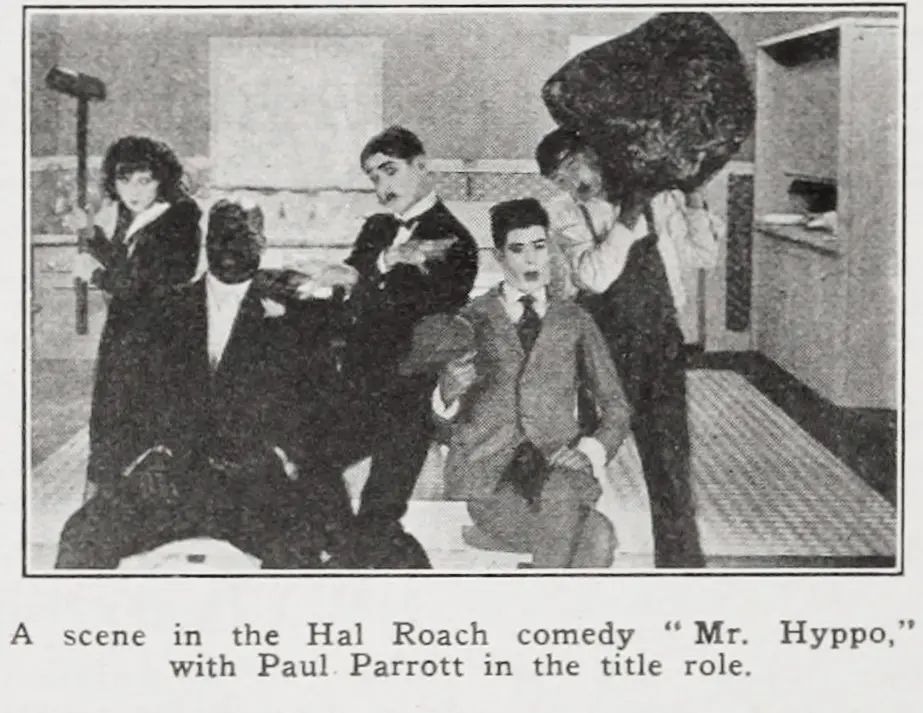
Although the film itself is silent, contemporary screenings were often accompanied by live piano or organ, and the score’s tempo mirrored the narrative beats. During the hypnotic demonstration, a low, pulsating organ note underscores the gradual surrender of the volunteer’s will. When the rival’s vibrations are introduced, the music crescendos into a frantic staccato, amplifying the sense of impending chaos. This auditory choreography, though absent from the celluloid, remains integral to the film’s emotional architecture.
\nWhen placed beside other Hal Roach productions such as Marooned Hearts or the whimsical Torchy, Mr. Hyppo distinguishes itself through its focus on psychological manipulation rather than pure slapstick. While the former rely heavily on romantic entanglements or physical gags, Hyppo’s narrative hinges on the invisible tug‑of‑war between belief and doubt. This thematic depth aligns it more closely with the dramatic tension found in The Silence of Dean Maitland, albeit filtered through a comedic lens.
\nMr. Hyppo endures as a study in how early cinema navigated the interplay between spectacle and skepticism. Its daring blend of comedy, suspense, and subtle social commentary prefigures later genre‑blurring works. For cinephiles interested in the evolution of the “magician‑as‑anti‑hero” archetype, Hyppo offers a prototype that would later be refined in films like Snooky's Twin Troubles and even contemporary thrillers. Moreover, the film’s practical effects, achieved without modern CGI, serve as an educational touchstone for filmmakers exploring low‑budget ingenuity.
\nIn its brisk 68‑minute runtime, Mr. Hyppo delivers a compact yet richly layered experience. The pacing is relentless, each scene flowing into the next with a kinetic rhythm that never allows the audience to settle. The humor, while rooted in the physicality of silent comedy, is underscored by a clever satirical edge that critiques the very notion of authority. Hyppo’s ultimate escape—clinging to the curtain ropes as the stage lights dim—functions as both a literal and figurative departure, reminding viewers that illusion, like life, is often a matter of perspective. For anyone seeking a window into the inventive spirit of 1920s cinema, this film stands as a luminous, if shadowed, testament to the power of imagination.
IMDb 8.2
1932
Community
Log in to comment.