DbcultAccessing Vault...
Cult Review
Senior Film Conservator
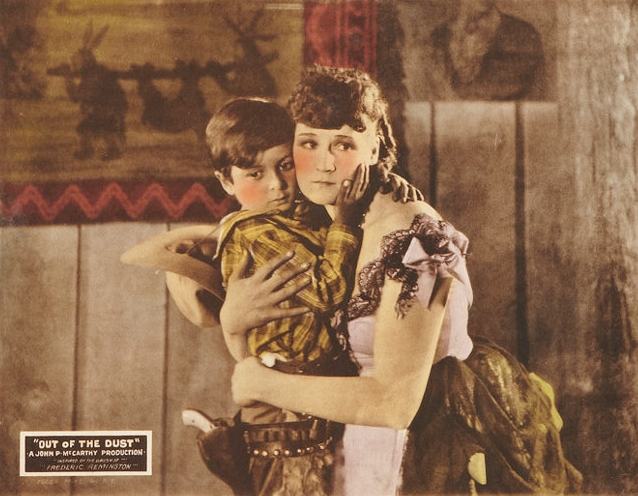
The silent era, often dismissed by modern audiences as a quaint precursor, frequently delivered narratives of profound emotional heft and moral complexity, stories that resonated deeply with the human condition. John P. McCarthy’s Out of the Dust, a forgotten gem from that period, stands as a testament to this enduring power, weaving a tapestry of longing, betrayal, and eventual, hard-won redemption against the unforgiving backdrop of the American West. This isn't merely a tale of cowboys and Indians, though those elements are present; it's a deeply personal saga of a family fractured by circumstance and human frailty, then painstakingly pieced back together by the purest bonds of love.
The film plunges us into the tumultuous year of 1875, a period when the West was still a raw, untamed beast, demanding unwavering courage and resilience from those who dared to settle it. Captain John Evans, portrayed with stoic gravitas by Robert McKim, embodies the quintessential frontier soldier – a man of duty, honor, and an unyielding commitment to protecting the nascent settlements. His world is defined by the stark realities of Fort Sheridan, a lonely outpost perpetually on edge, where the threat of Indigenous conflict looms large. McKim’s performance, even without spoken dialogue, conveys the weight of his responsibilities, the quiet burden of leadership in a land where survival is a daily struggle. He is a man accustomed to facing external dangers, yet utterly unprepared for the internal tempest brewing within his own home.
His wife, Martha, brought to life by the nuanced performance of Dorcas Matthews, represents a different kind of frontier struggle. Her battle is not against arrows and war paint, but against the insidious ennui of fort life. The monotonous routine, the isolation, the constant shadow of her husband's dangerous profession – these elements conspire to create a suffocating environment. Matthews brilliantly articulates Martha's growing discontent through her expressive eyes and gestures, painting a portrait of a woman yearning for vibrancy, for a life beyond the dusty confines of her existence. It's a poignant exploration of how the frontier, while offering freedom to some, could feel like a prison to others, particularly women accustomed to a different kind of societal engagement. This theme of a woman's struggle for agency and self-definition, even if misguided, finds echoes in contemporary films like Male and Female, which also explored societal expectations and personal desires, albeit in a different setting.
The narrative reaches its dramatic inflection point when Captain Evans is called away on a perilous mission – a desperate rescue of a wagon train beleaguered by Indigenous warriors. This absence, born of duty, becomes the catalyst for Martha's fateful decision. In her desperation, she falls prey to the allure of Brett Arnold, a charismatic yet ultimately dissolute trapper, played with a compelling blend of charm and menace by Bert Sprotte. Arnold embodies the darker, more opportunistic side of the frontier, a stark contrast to Evans's steadfast integrity. Martha's elopement with Arnold is not merely a romantic transgression; it’s an act of profound self-destruction, a desperate gamble against the perceived emptiness of her life. It's a moment that resonates with the tragic choices explored in films like The Sins of the Mothers, where a woman's actions, however understandable in context, unleash a cascade of consequences.
Upon his return, Evans is confronted not by the triumphant welcome of a hero, but by the devastating void left by his wife's departure. The emotional impact of this moment, conveyed through McKim's raw, silent portrayal of grief and betrayal, is palpable. His resignation from the army is not merely a career change; it’s a symbolic shedding of his old life, a desperate attempt to outrun the ghost of his shattered domesticity. With his young son, Jimmie (Michael D. Moore, whose innocent presence adds a heartbreaking dimension to the family's plight), Evans retreats into the vastness of Montana, seeking anonymity and a new beginning as a ranch foreman. This journey into the unknown, a father and son against the world, forms the emotional core of the film, reminiscent of the poignant bond explored in The Kid, where a child's unwavering love becomes the anchor in a tumultuous world.
Martha's journey, however, is far from the romantic escape she envisioned. Her disillusionment with Arnold is swift and brutal. The freedom she sought quickly devolves into a different kind of captivity, one born of his drunkenness and debauchery. Matthews again shines in depicting Martha’s desperate leap from the stagecoach, a physical manifestation of her rejection of Arnold and her futile attempt to reclaim her agency. Her subsequent life as a dance hall singer is a stark, public penance, a testament to the harsh realities faced by women who stepped outside societal norms in the Old West. She is a woman adrift, haunted by her past, her once-vibrant spirit dulled by hardship. This narrative thread, exploring the consequences of a woman's choices and her subsequent struggle for survival, finds a thematic resonance in films like The Woman Who Gave or even Ashes of Love, which delve into the complexities of love, loss, and societal judgment.
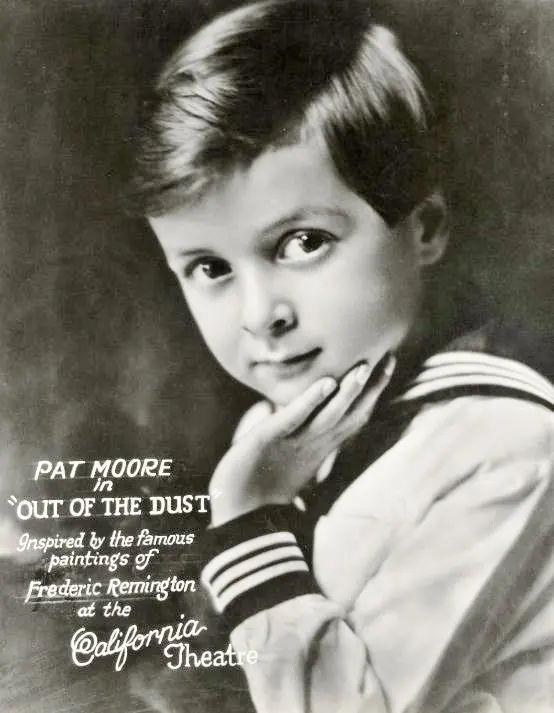
A year passes, marked by Evans's self-imposed emotional isolation and Jimmie's innocent longing for a mother he barely remembers. The narrative masterfully employs a seemingly trivial incident to trigger the pivotal reunion: Jimmie's dog, a symbol of childlike spontaneity and unconditional affection, bolts into a saloon in Red Butte. It is here, in the smoky confines of a place of entertainment and vice, that Jimmie, guided by his canine companion, stumbles upon Martha. The scene is imbued with a quiet power, the shock of recognition, the bittersweet pang of a child finding his lost mother in such an unexpected, almost sordid, setting. Michael D. Moore's portrayal of Jimmie's wide-eyed wonder and confusion is incredibly effective, anchoring the emotional weight of the moment.
The dramatic tension escalates with the inevitable reappearance of Brett Arnold. His presence serves as a visceral reminder of the past, a tangible obstacle to any hope of reconciliation. Evans’s confrontation with Arnold is not merely a physical altercation; it’s a symbolic exorcism of the anger, pain, and betrayal that have festered within him. McKim delivers a powerful, cathartic performance in this scene, his silent fury speaking volumes. The thrashing of Arnold is less about revenge and more about reclaiming his dignity, asserting his paternal right, and, perhaps, beginning the arduous process of forgiveness. The scene is a raw, unvarnished depiction of frontier justice, a stark contrast to the structured laws of the East, and it effectively clears the path for the film's emotionally resonant climax.
The film culminates in the delicate, tentative reunification of John, Martha, and Jimmie. It’s not a saccharine, immediate reconciliation, but a hard-earned moment of quiet understanding. The silent medium, in fact, enhances this subtlety. The absence of dialogue forces the audience to interpret the characters' emotions through their expressions, their body language, the lingering glances. Jimmie's reunion with his parents is the emotional anchor, his innocent joy a powerful catalyst for his parents to bridge the chasm of their past. The film doesn't offer easy answers or simplistic resolutions; instead, it suggests that redemption is a journey, not a destination, and that forgiveness, particularly of oneself, is the most challenging frontier to conquer. This theme of enduring love and the possibility of reconciliation, even after profound separation, echoes in films like Sa gosse, which also explores the deep, unbreakable bonds between parents and children despite adversity.
John P. McCarthy's writing, even filtered through the visual language of silent cinema, demonstrates a keen understanding of human psychology and the dramatic potential of the Western genre. He crafts characters who are flawed but relatable, whose struggles feel authentic. The supporting cast, including Edward Jobson, Francis Powers, and Russell Simpson, contribute to the rich tapestry of the frontier world, each adding a layer of authenticity to the setting. While the specific directorial choices are harder to pinpoint without a detailed historical record of the production, the overall pacing and visual storytelling suggest a thoughtful hand guiding the narrative. The film effectively uses the vast, empty landscapes to mirror the emotional desolation of its characters, and the close-ups to convey their inner turmoil.
Out of the Dust transcends its genre trappings to become a timeless exploration of human resilience. It reminds us that even in the most desolate circumstances, amidst betrayal and regret, the potential for healing and reconnection endures. The film's strength lies in its refusal to demonize Martha entirely; instead, it presents her as a complex figure, a victim of her own misguided choices and the suffocating environment that pushed her to them. Evans, too, is not a flawless hero, but a man who must learn to forgive, to look beyond the immediate pain and embrace the possibility of a renewed future. His journey from rigid military man to understanding father and husband is the true arc of the story.
For modern viewers, Out of the Dust offers a fascinating glimpse into the storytelling conventions of a bygone era, yet its core themes remain strikingly relevant. It speaks to the enduring challenges of marriage, the profound impact of parental choices on children, and the arduous path towards personal redemption. While the specific perils of the 1875 West may be historical, the emotional landscape depicted is universal. The film serves as a powerful reminder that sometimes, the greatest battles are fought not on the battlefield, but within the confines of the human heart, and that true strength often lies in the capacity for forgiveness and the unwavering hope for a second chance. It’s a compelling piece of cinema that deserves to be rediscovered, a quiet epic that, much like its characters, emerges from the dust of time with its emotional integrity intact.

IMDb 5.2
1931
Community
Log in to comment.