DbcultAccessing Vault...
Cult Review
Senior Film Conservator
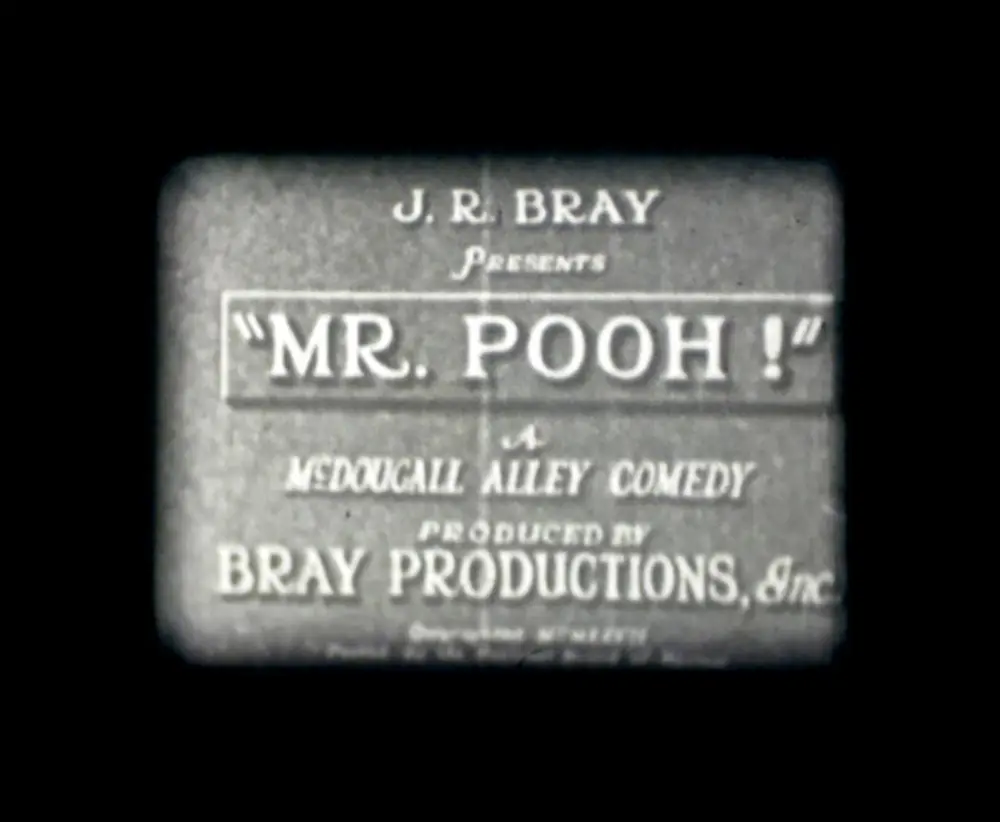
Is Mr. Pooh worth your time in an age of hyper-realistic CGI and sprawling cinematic universes? Short answer: yes, but with a significant caveat. This isn't a film designed for explosive thrills or complex narratives; it’s a quiet, reflective piece that offers a potent dose of nostalgic charm, especially for those yearning for simpler storytelling.
It serves as a gentle reminder of the power of imagination and the often-overlooked profundity of childhood. This film is an absolute must-watch for cinephiles interested in the evolution of early cinema, particularly in its portrayal of domestic life and juvenile fantasy. However, it is decidedly NOT for audiences seeking fast-paced action, intricate plots, or modern special effects. Its deliberate pacing and understated approach might test the patience of viewers accustomed to contemporary blockbusters.
From its very first frames, Mr. Pooh establishes a tone of innocent wonder that few films, even then, dared to fully embrace. It's a testament to the filmmakers' confidence in the intrinsic appeal of childhood itself, rather than relying on external plot devices to drive interest. The narrative, if one can call it that in the conventional sense, is less about events and more about atmosphere, about the feeling of being a child.
The McDougall Kids, a collective of young, untrained actors, are the beating heart of this production. Their performances feel less like acting and more like genuine captured moments of play and interaction. There’s an authenticity in their squabbles, their shared secrets, and their collective awe that a more polished, adult-centric production might have easily lost. This raw, unfiltered energy is arguably the film’s greatest asset, providing a window into a bygone era of childhood.
The film works because it trusts its audience to find meaning in the small gestures, the lingering gazes, and the unspoken bonds between the siblings. It fails because its commitment to this understated approach can, at times, border on the inert, leaving some viewers longing for a more defined conflict or resolution. You should watch it if you appreciate films that prioritize mood and character over plot, particularly those that celebrate the enduring power of a child's mind.
The direction in Mr. Pooh is a masterclass in subtlety. There are no grand pronouncements or dramatic camera movements. Instead, the camera often acts as a silent observer, patiently following the children as they navigate their world. This choice allows the natural rhythms of childhood to dictate the pacing, a bold move that pays dividends in creating an immersive, almost voyeuristic experience.
Consider the scene where the youngest McDougall child attempts to 'teach' Mr. Pooh to fly from a tree branch. The camera holds a wide shot, allowing us to see the entire, unedited sequence: the careful positioning, the hopeful push, the inevitable, gentle tumble, and the immediate, unburdened laughter. There's no cutaway to a parent, no dramatic close-up of a tear. Just the simple, honest reality of a child's experiment, observed without judgment. It’s a moment that resonates with a quiet, universal truth about learning and resilience.
This approach, while effective for its thematic goals, is also its biggest gamble. In a cinematic landscape increasingly driven by overt spectacle, such reserved storytelling can feel almost alien. Yet, it’s precisely this anachronism that gives Mr. Pooh its unique texture, setting it apart from more conventional melodramas of its time, like A Son of Erin or even the more adventurous The Mutiny of the Bounty.
The performance of The McDougall Kids is perhaps the most captivating element of the film. They aren't actors in the traditional sense; they are children being children, guided with a remarkably light touch by the director. Their collective energy is infectious, shifting from boisterous play to moments of quiet contemplation with an organic fluidity that cannot be faked.
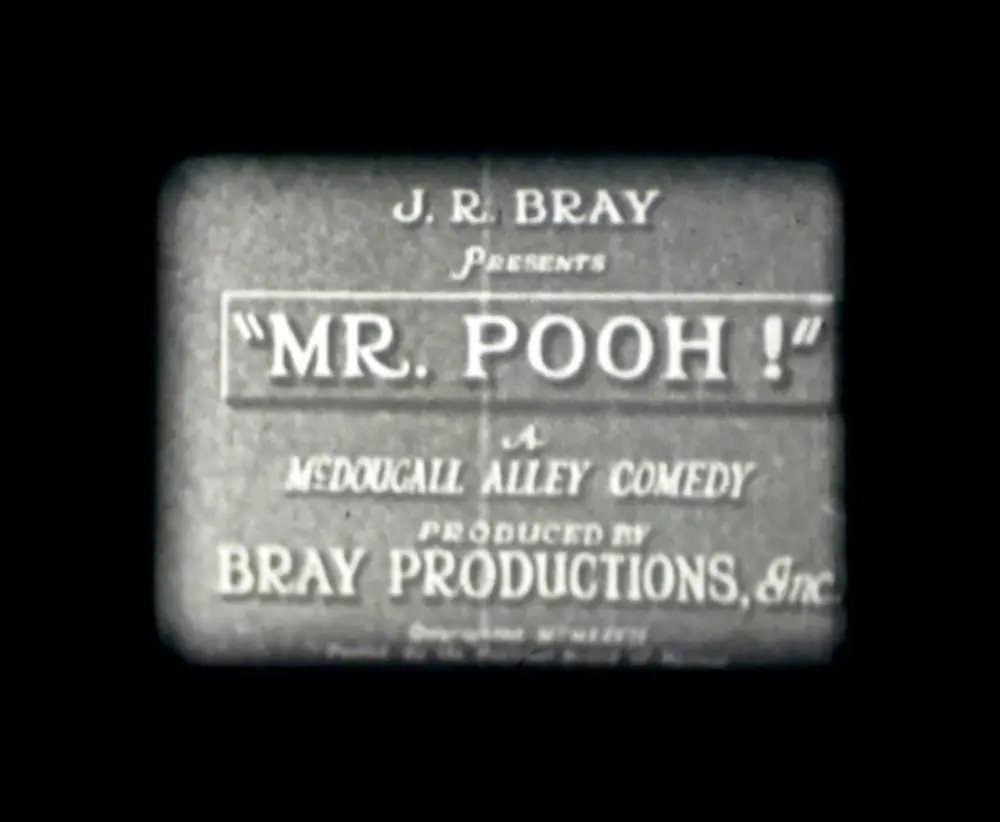
The elder sister, in particular, displays a nascent dramatic presence, her expressions conveying a spectrum of emotion – from protective affection towards her younger siblings to a conspiratorial glee when involving them in a 'secret mission' with Mr. Pooh. Her subtle eye-rolls at the younger boys' antics are genuinely humorous and feel entirely unscripted. It’s a refreshing contrast to the often-stilted performances seen in early child acting, which frequently mimicked adult theatricality.
This naturalism, however, is a double-edged sword. While it lends an undeniable charm and authenticity, it also means there are moments where the performances lack the polish or emotional depth that more experienced actors might bring. Some scenes feel like home movies, delightful for their candidness but occasionally lacking the dramatic propulsion that a more structured performance could provide. It works. But it’s flawed.
The cinematography, while technically rudimentary by modern standards, possesses an undeniable warmth and intimacy. The use of natural light, particularly in the outdoor sequences, bathes the children and their surroundings in a soft, ethereal glow, creating a sense of timelessness. The camera often lingers on small details – a worn-out teddy bear, a child’s hand tracing patterns in the dirt, the rustling leaves of a backyard tree – imbuing these seemingly insignificant elements with profound symbolic weight.
One particularly striking shot captures the children huddled together, sharing a secret with Mr. Pooh, their faces illuminated by a single, unseen light source, casting long, playful shadows behind them. It’s a simple composition, yet it speaks volumes about camaraderie and the sacred space of shared imagination. This visual poetry elevates the film beyond a mere documentation of childhood, transforming it into an evocative piece of art.
My unconventional observation here is that the film’s technical limitations actually *enhance* its charm. The slightly grainy texture, the occasional soft focus, and the unadorned framing force the viewer to engage more actively, to fill in the gaps with their own imagination, much like the children themselves. It’s a primitive form of interactive storytelling, long before the term was even conceived.
The pacing of Mr. Pooh is deliberately slow, reflecting the unhurried rhythm of a child’s summer day. There’s no rush to get to the next plot point because, for the most part, there isn't one. The film unfolds like a series of vignettes, each contributing to a broader tapestry of innocence and discovery. This meditative pace allows for moments of quiet observation and reflection, inviting the audience to simply *be* in the world of the McDougall Kids.
Yes, Mr. Pooh is absolutely worth watching, particularly for specific audiences. Its enduring appeal lies in its unvarnished depiction of childhood and its quiet celebration of imagination. It's a film that asks you to slow down, to observe, and to remember the simple joys of youth. For those who appreciate cinematic history and films that prioritize atmosphere over plot, it's a delightful discovery. However, if you prefer high-octane narratives or modern visual flair, its deliberate pace and simple premise might not hold your attention.
Mr. Pooh is not a film that screams for attention. It whispers. And in that whisper lies its profound strength. It is a cinematic time capsule, offering a rare, unvarnished look at childhood, free from the often-heavy hand of adult interpretation. While it undoubtedly demands patience from its audience, those willing to surrender to its gentle rhythm will be richly rewarded with a film that feels both deeply personal and universally resonant.
It's a reminder that sometimes, the most compelling stories are not about epic battles or grand romances, but about the quiet magic found in a sunbeam, a shared secret, or the unwavering belief in an imaginary friend. Mr. Pooh is a film that dares to be simple, and in doing so, achieves a timeless elegance. It’s a beautiful, understated gem that deserves to be rediscovered, not just as a piece of history, but as a poignant reflection on the enduring power of the human spirit, especially in its formative years. I firmly believe its quiet charm will outlast many of its more boisterous contemporaries. It’s a film that doesn’t just show you childhood; it invites you to remember your own.
IMDb —
1921
Community
Log in to comment.