DbcultAccessing Vault...
Cult Review
Senior Film Conservator
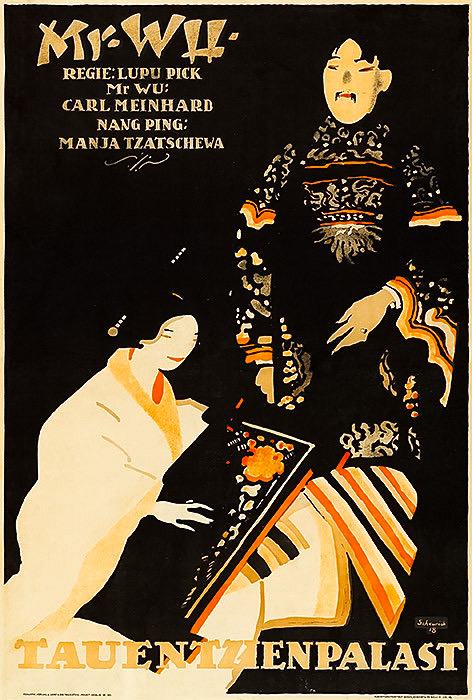
The film Mr. Wu is a masterpiece that weaves a complex narrative, replete with themes of love, duty, and cultural disparity. Set against the backdrop of China's thriving trade industry, the story revolves around the intricate relationships between the protagonists, particularly the tumultuous romance between Basil and Nang Ping. As their affection for each other deepens, they must navigate the treacherous waters of familial expectations and cultural differences, all while confronting the disapproval of the formidable Mr. Wu.
The character of Mr. Wu, portrayed by Karl Meinhardt, is a fascinating study of contrasts. On one hand, he is a shrewd and cunning businessman, adept at navigating the complexities of China's trade landscape. On the other hand, he is a devoted father, driven by a desire to protect his daughter from the perceived threats of the Western world. This dichotomy is skillfully captured by Meinhardt's nuanced performance, which brings depth and complexity to the character.
In contrast to the more lighthearted and carefree narratives of films like Runaway June, Mr. Wu presents a more somber and introspective exploration of love and relationships. The film's thoughtful pacing and deliberate character development allow the audience to become fully immersed in the world of the characters, invest in their struggles, and empathize with their emotional journeys.
The cinematography in Mr. Wu is noteworthy, with a keen attention to detail and a deep understanding of the cultural and historical context in which the story is set. The use of muted color palettes and intricate set designs effectively captures the essence of early 20th-century China, transporting the viewer to a bygone era of elegance and refinement.
In comparison to other films of the era, such as Blue Blood and One Touch of Sin, Mr. Wu stands out for its thoughtful and nuanced exploration of the human experience. While these films often rely on more melodramatic or sensationalistic plot devices, Mr. Wu opts for a more subtle and introspective approach, one that rewards careful attention and reflection.
The themes of love, duty, and cultural disparity that permeate Mr. Wu are reminiscent of other classic films, such as Othello and Politik och brott. However, the unique cultural and historical context of Mr. Wu sets it apart from these other works, offering a distinctive and captivating perspective on the human experience.
In terms of performances, the cast of Mr. Wu delivers a range of compelling and nuanced portrayals. Hedwig Gonda shines as Nang Ping, bringing a sense of vulnerability and determination to the role. Meanwhile, Paul Bildt and Gertrude Welcker deliver strong supporting performances, adding depth and complexity to the narrative.
The screenplay, penned by Lupu Pick, Maurice Vernon, and Harold Owen, is a masterful adaptation of the original story. The writers demonstrate a keen understanding of the characters and their motivations, crafting a narrative that is both engaging and thought-provoking.
Overall, Mr. Wu is a film that will resonate with audiences long after the credits have rolled. Its thoughtful exploration of the human experience, coupled with its nuanced performances and meticulous attention to detail, make it a true masterpiece of cinematic storytelling. Whether you are a fan of classic cinema or simply looking for a compelling and engaging film, Mr. Wu is an absolute must-see.
In conclusion, the world of Mr. Wu is one of intricate complexity, full of characters that defy easy categorization and themes that resonate deeply with the human experience. As the viewer becomes fully immersed in this world, they will be rewarded with a rich and nuanced understanding of the characters and their struggles, as well as a deeper appreciation for the art of cinematic storytelling.
IMDb 5.3
1932
Community
Log in to comment.