DbcultAccessing Vault...
2.1/10
Senior Film Conservator
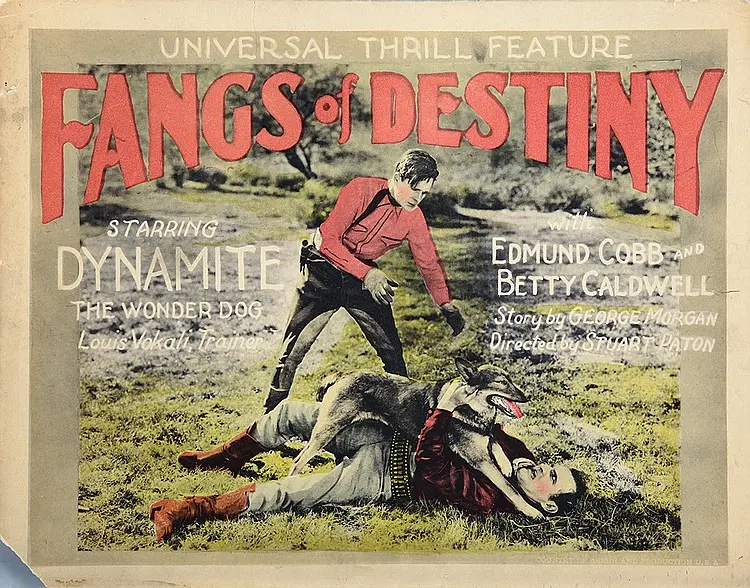
A definitive 2.1/10 rating for a film that redefined the boundaries of cult cinema. Fangs of Destiny remains a cornerstone of transgressive art.
Is Fangs of Destiny worth watching today? Short answer: yes, but with significant caveats that demand a certain appreciation for its era and the unique charms of silent cinema. This film is an earnest, if uncomplicated, journey back to the roots of the Western genre, made all the more endearing by its charismatic canine lead.
This film is for silent film enthusiasts, Western aficionados curious about the genre's formative years, and anyone who appreciates the undeniable screen presence of a well-trained animal actor. It offers a glimpse into storytelling before dialogue became king, relying on visual cues and emotive performances.
It is emphatically not for viewers accustomed to modern, fast-paced narratives, intricate character development, or high-fidelity sound design. If your patience for intertitles is thin or your need for complex plots is paramount, this might test your resolve. Expect a different rhythm, a different kind of engagement.
This film works because of its straightforward, heartfelt narrative, the undeniable charisma of its canine star, Dynamite, and its earnest portrayal of frontier justice. It taps into a timeless appeal of loyalty and perseverance, themes that resonate regardless of the era.
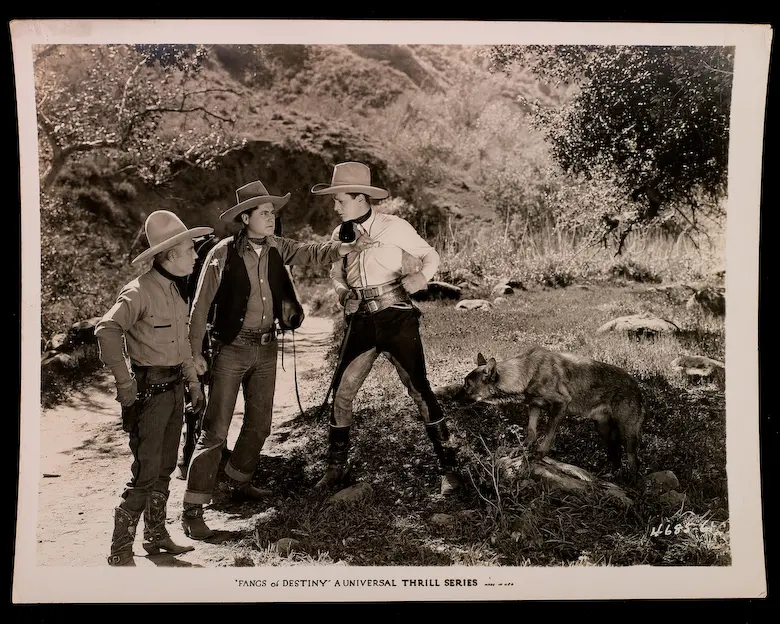
This film fails because its plot, while endearing, is simplistic by modern standards, its human characters often lack depth beyond archetypes, and the technical limitations of 1927 filmmaking are readily apparent in its visual language and editing. The villains are overtly villainous, the heroes purely good.
You should watch it if you're prepared to engage with a piece of cinematic history, willing to embrace its silent charm, and eager to see how early Westerns balanced human drama with animal heroism. It’s a pleasant diversion, not a profound one.
'Fangs of Destiny' plunges us into a quintessential Western scenario: a beleaguered rancher, his property under threat, and the unexpected arrival of a hero. Here, that hero comes in two forms: Jerry Matthews, portrayed with a stoic sincerity by Frank Baker, and his magnificent German Shepherd, Dynamite. Their quiet existence is disrupted when they encounter a rancher facing financial ruin and, more ominously, the shadowy machinations of those who wish to seize his land.
The film, penned by Gardner Bradford and George Morgan, doesn't waste time on intricate backstories. It establishes the conflict quickly, leaning into the audience's inherent understanding of Western tropes. The rancher, whose specific plight feels universal to the genre, becomes a symbol of the honest working man fighting against greedy forces. Matthews and Dynamite, with their silent understanding and unwavering bond, step into the void, becoming the rancher's last hope against dispossession.
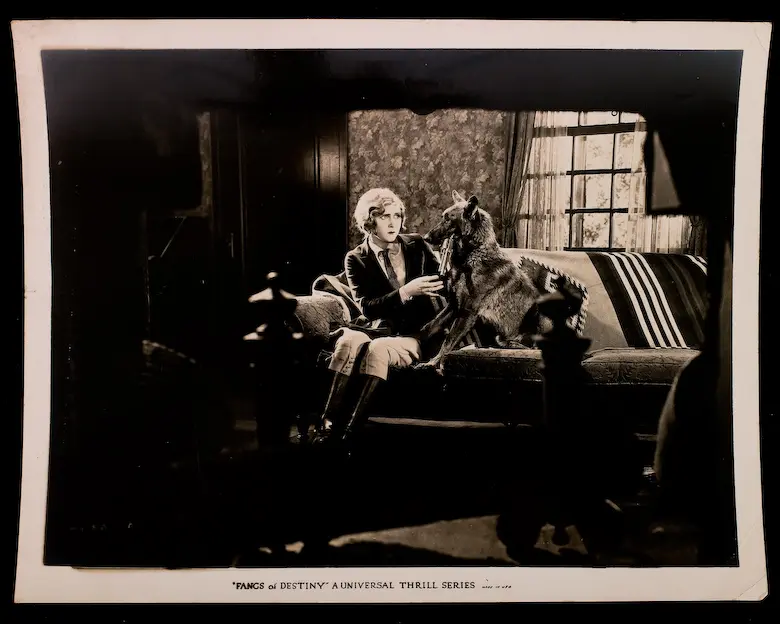
The narrative, while predictable to a modern eye, is executed with a charming directness. It's a morality play set against the vast, unforgiving backdrop of the American frontier, where the lines between good and evil are drawn with stark clarity. The stakes, though primarily economic, feel deeply personal, driven by the threat to home and livelihood.
Without question, the breakout star of Fangs of Destiny is Dynamite the Dog. His performance is not merely competent; it's genuinely captivating. Dynamite isn't just a prop; he's an active participant in the plot, often initiating key actions that push the story forward. Whether he's delivering messages, fending off villains, or providing emotional support, his intelligence and training are consistently impressive. One particular scene, where he ingeniously outsmarts a henchman to retrieve a crucial item, stands out as a testament to both his skill and the director's ability to showcase it.
Dynamite is arguably a more compelling lead than most human actors of the era, his silent expressions conveying more genuine emotion and intent than many of his bipedal co-stars. His presence elevates the entire film.
The human cast, while overshadowed by their canine counterpart, delivers performances typical of the silent era. Frank Baker, as Jerry Matthews, embodies the stoic Western hero. His acting relies on broad gestures and clear facial expressions to convey determination and quiet strength. He's the strong, silent type, allowing Dynamite to often carry the emotional weight.
Joan Hathaway, in her role, brings a much-needed touch of vulnerability and resilience. Her expressions, particularly in moments of distress or relief, are well-articulated, helping the audience connect with the human stakes involved. She’s not given much dialogue (obviously), but her physical presence communicates effectively.
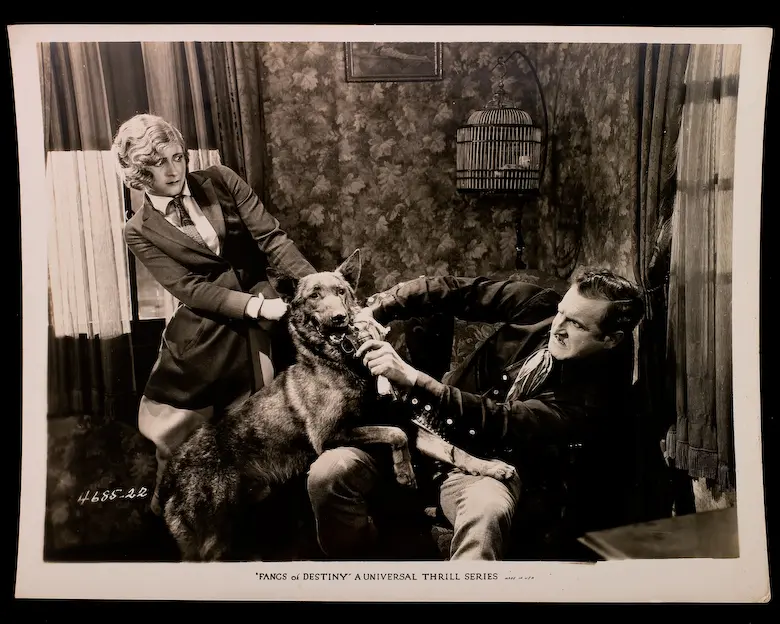
Edmund Cobb and Carl Sepulveda, playing the antagonists, lean heavily into the theatrical villainy common in silent films. Their sneers, menacing glances, and exaggerated movements leave no doubt as to their nefarious intentions. While lacking nuance, their performances serve the plot's need for clear-cut adversaries. Cobb, in particular, has a wonderfully villainous glare that could curdle milk.
George Morgan's direction, while not groundbreaking, is effective in telling this straightforward story. He understands how to frame the vastness of the Western landscape, using wide shots to establish the isolation and grandeur of the setting. The cinematography, though limited by the technology of 1927, manages to convey a sense of place and atmosphere.
Close-ups are used sparingly but effectively, often to emphasize a character's reaction or Dynamite's intelligent gaze. The action sequences, particularly those involving horse chases or fisticuffs, are competently staged, even if they lack the kinetic energy of later Westerns. One notable sequence involving a perilous cliffside chase showcases a surprisingly effective use of depth and perspective for its time.
The editing maintains a steady pace, allowing scenes to unfold without feeling rushed, yet never lingering long enough to become tedious. Intertitles are used judiciously, providing necessary dialogue or exposition without overwhelming the visual storytelling. This balance is crucial for silent film engagement, and Morgan strikes it well.
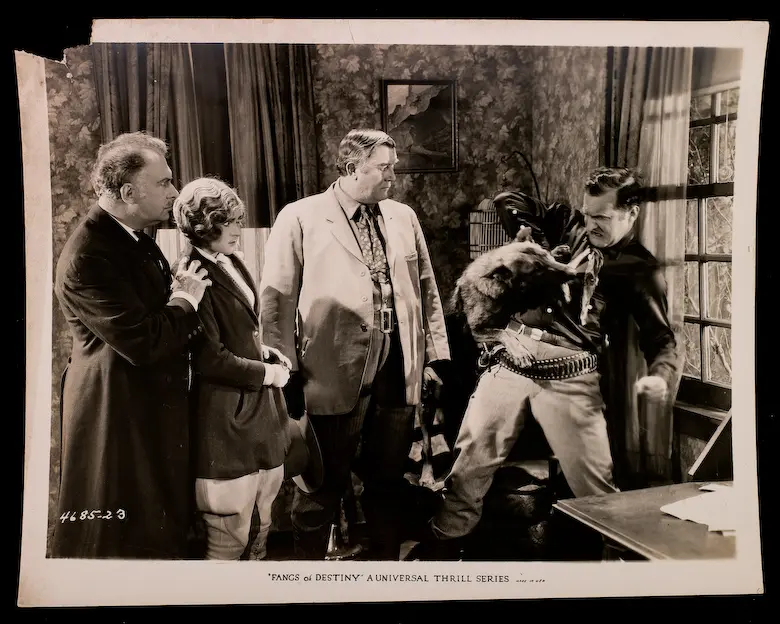
The pacing of Fangs of Destiny is characteristic of its era. It's slower and more deliberate than what modern audiences are accustomed to, allowing scenes to breathe and emotions to register through visual cues. This isn't a film that rushes from one plot point to the next; it takes its time to build tension and develop the relationships, particularly between Jerry and Dynamite.
The tone is largely one of earnest melodrama, punctuated by moments of genuine suspense and heartwarming loyalty. There's a clear moral compass guiding the narrative, reinforcing themes of justice and perseverance against adversity. While there are no overt comedic elements like in a film such as The Boat, the charm of Dynamite occasionally elicits a smile.
The film’s emotional register is surprisingly effective, largely due to Dynamite's expressive presence. His interactions with the human characters ground the story in a believable, if simple, emotional reality. The true villain isn't Cobb's character, but the relentless hardship of the frontier and the greed it often fosters.
Yes, Fangs of Destiny is worth watching for specific audiences. It offers a charming look into early Western cinema. The film's primary appeal lies in its canine star, Dynamite. He delivers a performance that transcends the limitations of the silent era. It’s a simple story, but executed with heart. If you appreciate silent films or the foundational elements of the Western genre, you will likely find value here. It works. But it’s flawed.
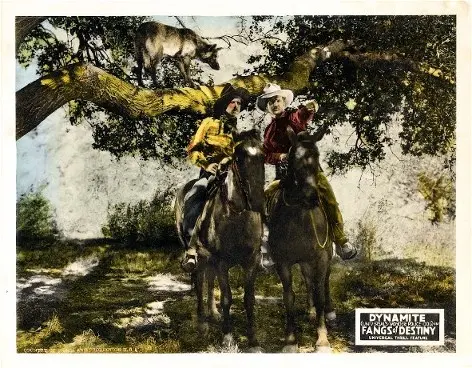
'Fangs of Destiny' stands as a charming, if minor, entry in the vast catalog of silent Westerns. Its lasting appeal, almost a century later, is primarily due to Dynamite's captivating performance and the film's straightforward embrace of classic storytelling. It doesn't attempt to reinvent the wheel, but rather to spin it smoothly.
The film inadvertently highlights the surprisingly complex legal landscape of 1920s ranching disputes, even if it simplifies the resolution. The struggle for land was a very real and often brutal aspect of the American West, and this film, in its own way, touches upon that foundational conflict.
Its limitations are inherent to its time: the lack of sound, the reliance on intertitles, and the often theatrical acting styles. These are not flaws in a critical sense, but rather characteristics that define the era. Viewing Fangs of Destiny requires an understanding and appreciation of these historical contexts.
Films like Stranded or Nobody's Business from the same period faced similar constraints, yet each found its unique way to engage audiences. 'Fangs of Destiny' finds its niche through the universal appeal of a loyal animal companion and the timeless struggle for what is right.
Fangs of Destiny is not a hidden masterpiece, nor is it a film that will fundamentally alter your perception of cinema. What it is, however, is an enjoyable and historically significant piece of silent Western filmmaking. Its strength lies in its earnestness, its clear moral compass, and above all, the incredible performance of Dynamite the Dog. He is the reason to seek this film out.
If you approach it with an open mind and an appreciation for the cinematic language of the 1920s, you'll find a heartwarming tale of loyalty and simple justice. It’s a pleasant way to spend an hour, a charming relic that reminds us of the power of visual storytelling and the enduring bond between humans and their animal companions. Don't expect fireworks, but do expect a quiet, satisfying glow.

IMDb —
1928
Community
Log in to comment.