DbcultAccessing Vault...
Cult Review
Senior Film Conservator
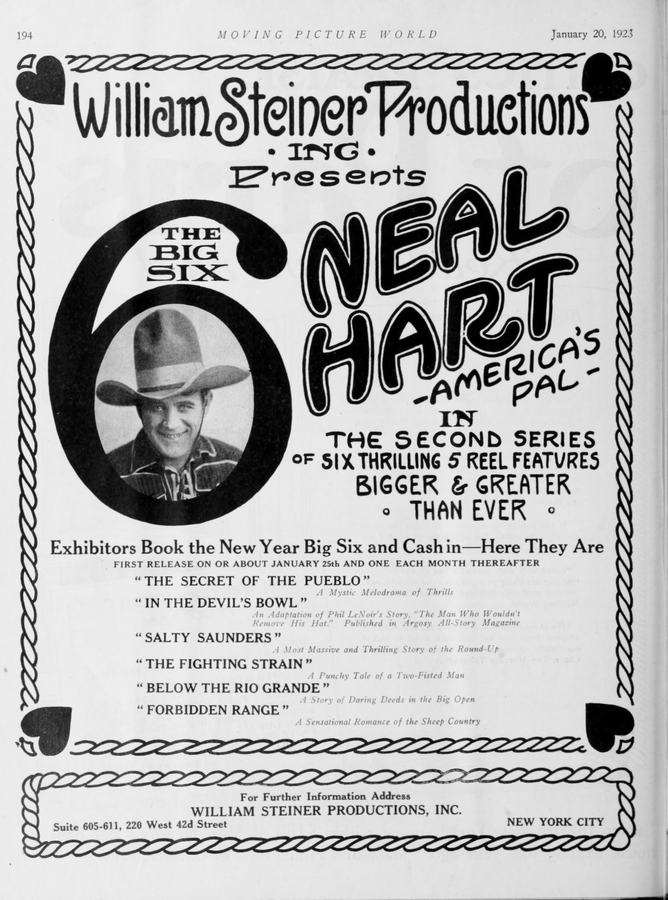
In the pantheon of early American cinema, specifically within the rugged confines of the silent Western, few films capture the raw, unvarnished socio-economic tensions of the frontier quite like The Forbidden Range. Released in 1923, this Neal Hart production transcends the simplistic 'good versus evil' tropes that would later saturate the genre. Instead, it offers a sophisticated examination of land-use conflicts that defined the American West at the turn of the century. The film is less about the myth of the cowboy and more about the brutal reality of agrarian displacement. Unlike the more allegorical or religious overtones found in Life and Passion of Christ, Hart’s work is rooted in the dirt, the dust, and the blood of the Wyoming soil.
The primary engine of The Forbidden Range is the historical 'Sheep and Cattle War,' a period of intense violence where cattlemen, viewing the grazing habits of sheep as destructive to the range, resorted to lethal measures to keep sheep out of 'their' territory. Neal Hart, who not only stars but also penned the screenplay, understands the gravitas of this conflict. He portrays the cattle barons not as cartoonish villains, but as entrenched interests protecting a perceived monopoly. This creates a tension that is far more palpable than the standard stagecoach robberies of the era. The settlers, led by a family desperate for a foothold in the new world, represent the encroaching tide of civilization that the barons so desperately fear. The cinematic landscape here is as unforgiving as the psychological one, mirroring the starkness seen in Der steinerne Reiter, where the environment itself becomes a character in the unfolding tragedy.
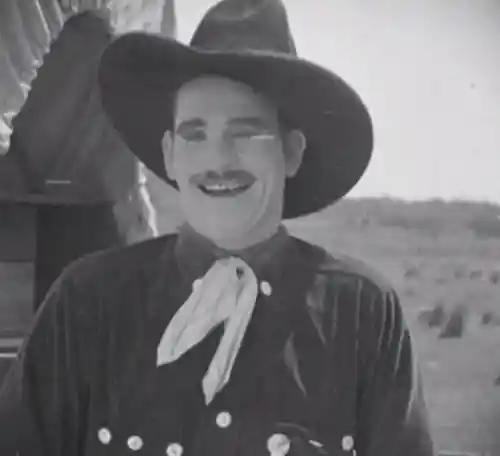
Neal Hart’s performance is a masterclass in silent-era stoicism. He possesses a physical presence that suggests a man who has spent more time communicating with the elements than with people. His direction—though often overlooked in favor of contemporaries like John Ford—shows a keen eye for the vastness of the Wyoming plains. He uses the wide frame to emphasize the isolation of the settlers. There is a specific scene involving a standoff at a boundary line that feels remarkably modern in its pacing. It lacks the frenetic, almost comedic energy of The Chicken Parade, opting instead for a slow-burn dread that is more reminiscent of the psychological weight found in The Hole in the Wall.
Hart’s writing is equally impressive. He manages to weave together the personal stakes of the family with the broader economic implications of the range wars. The dialogue—conveyed through title cards—is sparse but impactful, avoiding the melodrama that often plagued silent films like Wee Lady Betty. Instead, the words are functional, reflecting the utilitarian nature of the characters' lives. Every threat issued by the cattlemen feels like a legal decree backed by gunpowder.
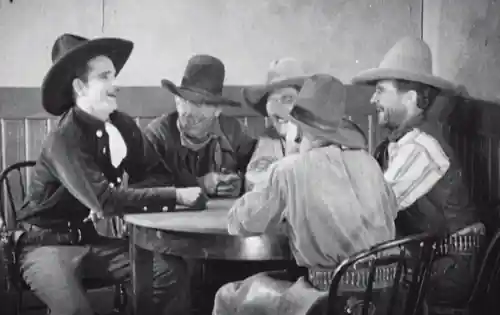
One cannot discuss The Forbidden Range without acknowledging the presence of Yakima Canutt. Long before he became the legendary stunt coordinator for Ben-Hur, Canutt was honing his craft in these early Westerns. His involvement elevates the film’s action sequences from mere scuffles to dynamic displays of horsemanship and physical prowess. The way he interacts with the terrain suggests a deep understanding of the Western aesthetic. The kinetic energy he brings to the screen provides a necessary counterpoint to Hart’s grounded performance. In many ways, the film’s exploration of territorial hate is more nuanced than the blunt force of Hate, largely because the action feels like a natural extension of the characters' desperation.
When we look at The Forbidden Range in the context of other historical dramas like The Boer War, we see a recurring theme of the 'little man' fighting against an organized, almost industrial force. The cattle barons represent the old guard, much like the established powers in Alexander den Store, though on a much more localized and intimate scale. While Davy Crockett focuses on the individual hero as a pioneer, The Forbidden Range focuses on the hero as a protector of the collective—the family unit and the new settlers. It is a shift from the conquest of the wilderness to the governance of the community.
The film also shares a certain grimness with Men Met in the Mountains, particularly in its depiction of how isolation can breed both incredible bravery and unspeakable cruelty. The Wyoming range is a vacuum where the law is often whatever the man with the most cattle says it is. This absence of formal justice creates a vacuum filled by the protagonist’s personal code of ethics, a trope that would become the cornerstone of the Western genre for the next century.
For a production from 1923, the cinematography is remarkably clear-eyed. The use of natural light is particularly effective during the dusk sequences, where the long shadows of the mountains seem to swallow the small settler cabins. There is a visual honesty here that contrasts with the theatricality of Passa il dramma a Lilliput. Hart uses the camera to document the labor of ranching—the mending of fences, the herding of sheep, the constant vigilance required to keep a family safe. These moments of quiet labor make the eventual outbursts of violence all the more jarring.
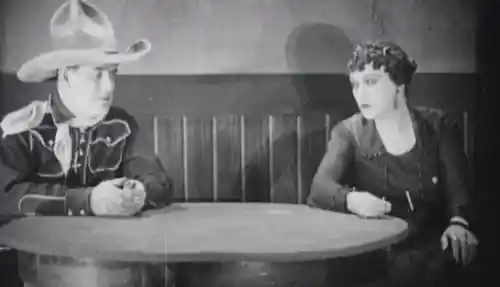
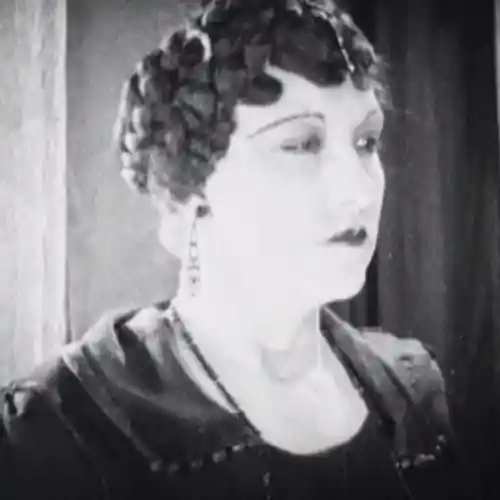
The supporting cast, including Violet Sheldon and Bob Curwood, provide a necessary emotional anchor. Sheldon, in particular, avoids the 'damsel in distress' cliches, portraying a woman who is an active participant in the survival of her family. Her performance brings a domestic reality to the film that balances the hyper-masculine conflict of the range. This domesticity is far more grounded than the social posturing found in The Glorious Fool or the whimsical nature of A Birthday Tangle.
While many silent Westerns have been lost to the ravages of nitrate decay or simple obscurity, The Forbidden Range remains a vital piece of the puzzle in understanding the evolution of the American Western. It occupies a space between the early shorts and the sweeping epics of the 1930s. It lacks the comedic slapstick of The Professor, opting instead for a serious-minded exploration of land rights. In its own way, it is as much an ethnographic study as it is a piece of entertainment, capturing the specific anxieties of a nation transitioning from the wild frontier to a structured society.
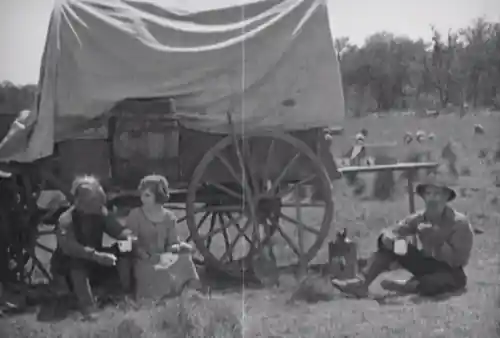
The film’s refusal to provide easy answers is perhaps its greatest strength. The 'forbidden' nature of the range is not just a physical barrier, but a social one. It represents the lines we draw between 'us' and 'them,' between the old ways and the new. This theme is explored with a similar intensity in On the Trail of the Conquistadores, where the clash of cultures leads to inevitable friction. In Hart’s Wyoming, the conquistadores are the cattle barons, and the indigenous population being displaced are the sheep-herding settlers.
Viewing The Forbidden Range today requires an appreciation for the subtle nuances of silent performance. Without the crutch of synchronized sound, the actors must convey complex socio-economic frustrations through gesture and gaze. Hart excels at this, using his physicality to tell a story of exhaustion and grit. The film stands as a testament to the power of visual storytelling, proving that the most compelling conflicts are those rooted in the fundamental human need for a place to call home. It is a stark, beautiful, and ultimately harrowing journey into the heart of the American West, stripped of its Hollywood polish and left out in the sun to cure. For any serious student of cinema, this is an essential text, a bridge between the primitive origins of the genre and the sophisticated narratives that would follow. It is a reminder that the range was never truly free; it was always fought for, acre by bitter acre.
IMDb 5.5
1919
Community
Log in to comment.