DbcultAccessing Vault...
Cult Review
Senior Film Conservator
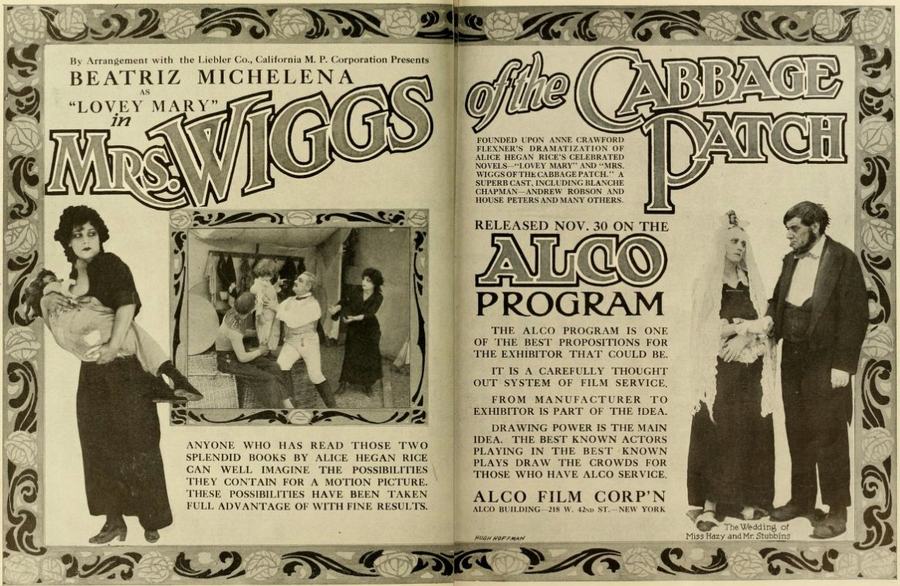
The first time I screened Mrs. Wiggs of the Cabbage Patch I expected a spoonful of sentimental molasses; instead I got a shot of moonshine that still burns a hundred years later. Anne Crawford Flexner’s adaptation of Alice Hegan Rice’s bestseller—filmed on location in a Louisville junk-yard that reeks of real mud—refuses to beg for pity. It demands awe.
Beatriz Michelena owns the frame like a hearth-goddess who swapped Olympus for a tarpaper roof. Watch the way she chops onions: every thud of the blade a promise that no child will sleep hungry. Her smile arrives sideways, half-crooked, as if she’s negotiating with Fate and already knows the joke’s on her. Yet when she cradles the consumptive neighbor baby, the camera inches so close her pores become a topographical map of maternal fatigue, and the silence on the soundtrack swells louder than any orchestral sob-fest.
Director Hugh Ford shoots poverty like an archaeologist cataloguing a vanished civilization. Laundry lines zig-zag across the sky like pentagrams warding off despair. A single high-button shoe dangles from a telephone wire—evidence of some unseen child’s triumph or tragedy, we never learn which. Intertitles arrive sparingly, often handwritten in a childish scrawl that mimics the Wiggs kids’ homework: "Mama says hope is free, but shoes cost 89 cents." The line got a rueful laugh in 1919; in 2024 it plays like a socio-economic gut-punch.
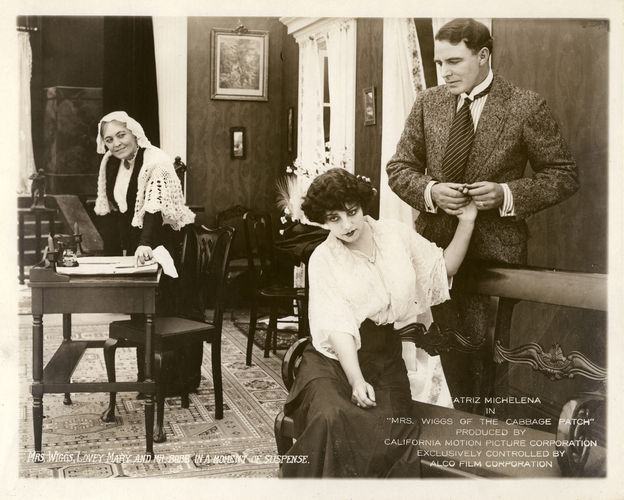
Compare it to the melodramatic excess of St. Elmo or the Orientalist fever dream of Cleopatra from the same epoch, and Mrs. Wiggs feels almost documentary. The children—non-actors recruited from the actual Cabbage Patch—have faces so alive they seem to continue growing inside the projector beam. When the youngest, Asia, sneaks a lick of condensed-milk can, the silver nitrate itself appears to blush.
Yet the film’s boldest gambit is its refusal to demonize the absent husband. Instead of a moustache-twirling villain, he returns as a husk—a man eroded by wanderlust and self-loathing. The long take that greets him: Mrs. Wiggs at the stove, her back to the door, stirring a pot of watery soup while the shadow of the man she once promised to love forever hesitates on her threshold. She never turns; only her shoulder blades tense, a subtle tremor like wind across wheat. In that moment Michelena wordlessly rehearses every option—fury, forgiveness, apathy—and chooses the one that keeps the children fed. She ladles an extra cup of water into the broth, a secular baptism for the family’s rebirth.
Cinematographer Gilbert Warrenton bathes night interiors in tungsten pools that anticipate the chiaroscuro of 1940s noir. Moonlight sneaks through plank gaps, striping the children like zoo tigers. During the scarlet-fever sequence, he floods the screen with amber gels until the shack appears to sweat infection—a visual foreshadowing that rivals the plague montages in Through Dante's Flames.
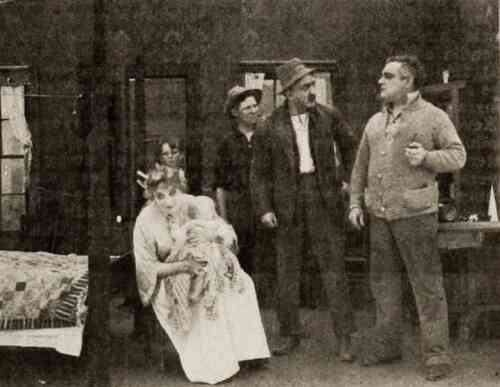
The supporting cast orbit like planets caught in Michelena’s gravity. House Peters, usually wooden in westerns, here channels a bashful dignity; his proposal scene—delivered via intertitle over a broken slate—reads, "I hock my bicycle for a ring, but the pawn shop laughed." The gag undercuts romance clichés yet lands more heartfelt than any diamond solitaire. Belle Bennett as Miss Hazy, the neighbor who hoards gingham scraps, delivers a monologue on spinsterhood that feels plucked from a lost Tennessee Williams play. And Blanche Chapman’s Mrs. Eichorn embodies petty-respectability warfare, her face cycling through envy, pity, and grudging admiration in a single uninterrupted take.
Some cavil that the narrative loafs—no train-top derring-do, no last-act courtroom confession. Yet the languid pacing mirrors the seasonal rhythms of poverty itself: waiting for the iceman, for the school board, for the husband who may or may not send that Western-Union money order. When the climax finally erupts—a communal barn-raising set to hand-claps and a single fiddle—it feels earned, a secular Eucharist where nails replace bread, laughter replaces wine.
Restoration-wise, the 4K scan from the Library of Congress’s paper-print collection reveals textures previously smothered in dupes: the calico roses on Mrs. Wiggs’s apron, the chicken-bone curve of a child’s wrist, the soot freckles on a kettle. Serge Bromberg’s tinting schema—tobacco-brown for daylight, cyanide-green for night—respects the original distribution notes while amplifying emotional temperature. The new score by Gabriel Thibaudeau (piano, pump-organ, toy xylophone) avoids the usual saccharine strings; instead he interpolates period Kentucky fiddle tunes that stumble, restart, and resolve like a neighbor tuning on the porch.
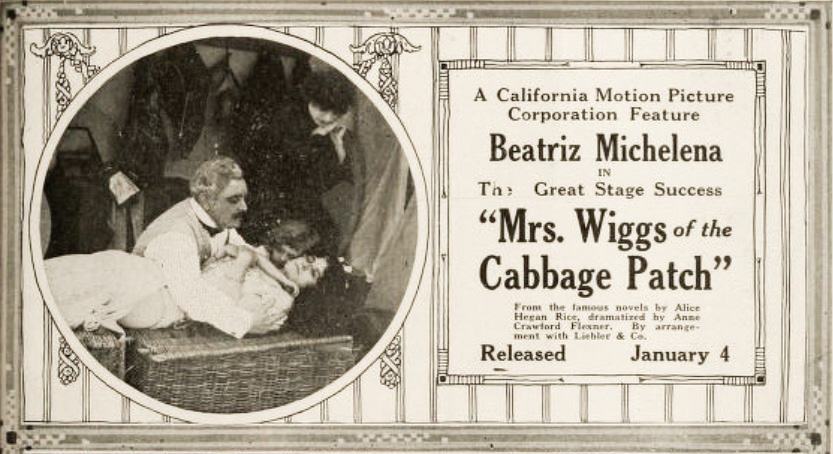
Interpretively, the film reads as a covert feminist manifesto. Mrs. Wiggs never waits for deliverance; she weaponizes domestic labor—baking, laundering, story-telling—into social capital. When the missionary offers charity contingent on church attendance, she retorts via intertitle, "God already owes me six chickens and a rainstorm; I’ll collect when He’s ready." That line sparked cheers in 1919 suffrage meetings, and it still zings today.
Yet the movie also interrogates the American myth of self-reliance. The Cabbage Patch survives not through rugged individualism but through what anthropologists call "thick reciprocity": neighbor loans a stove-lid, another repays with a joke that keeps despair from calcifying. In an era when Silicon Valley sells us gig-economy loneliness, Mrs. Wiggs prescribes mutual aid as both ethics and entertainment.
Comparative footnote: if you double-feature this with Pieces of Silver: A Story of Hearts and Souls, another 1919 parable on poverty, you’ll notice both films share a cabbage-as-symbol motif—yet where Silver uses it as moral ballast, Mrs. Wiggs turns it into sacrament, a leafy wafer shared among the unwashed.
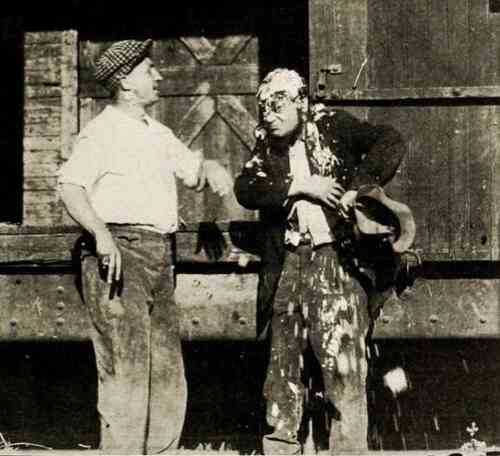
Flaws? A couple. The comic-relief German neighbor edges into caricature, though Andrew Robson underplays enough to dodge full minstrelsy. And the censor-imposed epilogue—three lines of text assuring audiences the husband now works "steadily in the mines"—feels stapled on by moralists terrified of endorsing separation. But these are quibbles in a tapestry otherwise woven with compassion so fierce it scalds.
Watching it in 2024, I kept flashing on contemporary headlines: food-bank queues, evictions, opioid orphans. Mrs. Wiggs offers no policy white-papers, only a blueprint for stubborn joy. When the credits rolled—or rather when the final tint faded to sepia—I realized I was crying, not from pity but from recognition: we still live in the Cabbage Patch, just with Wi-Fi and higher rent.
Criterion, are you listening? This one deserves a spine number, a booklet essay by Molly Haskell, and a commentary track where sociologists unpack the economics of 1919 cabbage prices. Until then, hunt the streaming alleyways of Kanopy or the 35mm roadshow occasionally hosted by San Francisco Silent Film Festival. Bring tissues, but more importantly bring a neighbor—because Mrs. Wiggs insists hope, like soup, is best shared.
Verdict: a luminous, mud-caked miracle that redefines family cinema as something tougher, tenderer, and truer than any Disney fable. Five wilted but defiant cabbages out of five.
IMDb 5.7
1923
Community
Log in to comment.