DbcultAccessing Vault...
5.6/10
Senior Film Conservator
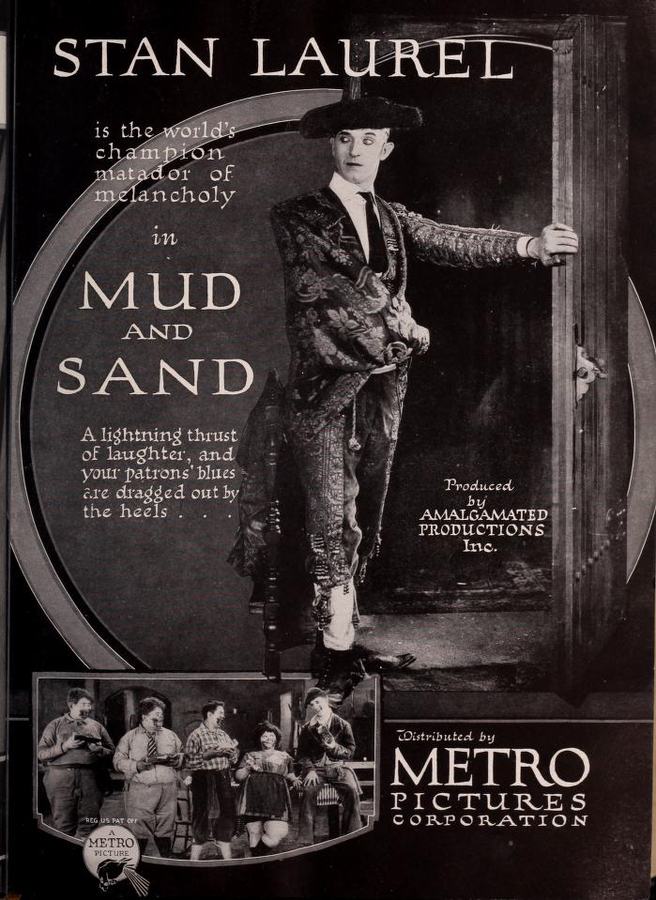
A definitive 5.6/10 rating for a film that redefined the boundaries of cult cinema. Mud and Sand remains a cornerstone of transgressive art.
The first time I stumbled across Mud and Sand—a 1922 one-reel trifle hiding inside a decaying Pathé canister—I expected little more than a feral parody of Valentino’s Blood and Sand. Instead, I unearthed a celluloid fever dream: a bullfighting burlesque that pirouettes between slapstick and savage poetry, leaving hoof prints on the soul.
Rhubarb—yes, that’s the matador’s given name—arrives in Madrid wearing a vest the color of dried saffron and a grin that suggests he has already read tomorrow’s headlines. His backstory is scrawled in ellipsis; we meet him mid-reverie, cadging oranges from street urchins and trading jokes for swigs of anís. Within minutes he bluffs his way into the corrida, armed with a moth-chewed cape and the bravado of a man who believes death to be a bureaucratic error that happens to other people.
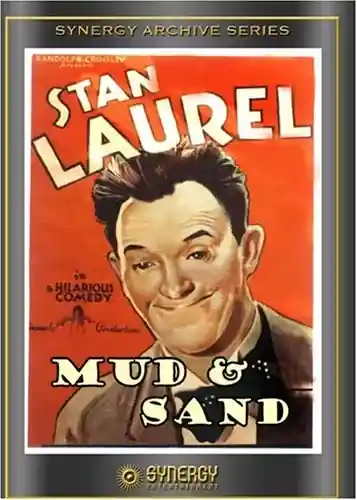
Director Tom Miranda, better known for churning out two-reel comedies like sausages, suddenly brandishes visual bravura: a POV shot from inside the bull’s skull as it contemplates the frail human twirling before it; a superimposition of Rhubarb’s beating heart thumping in sync with the distant cathedral bell. The arena’s sand—usually golden—here looks bruised, almost umber, as though the earth itself has been hematomaed by centuries of ritualized murder.
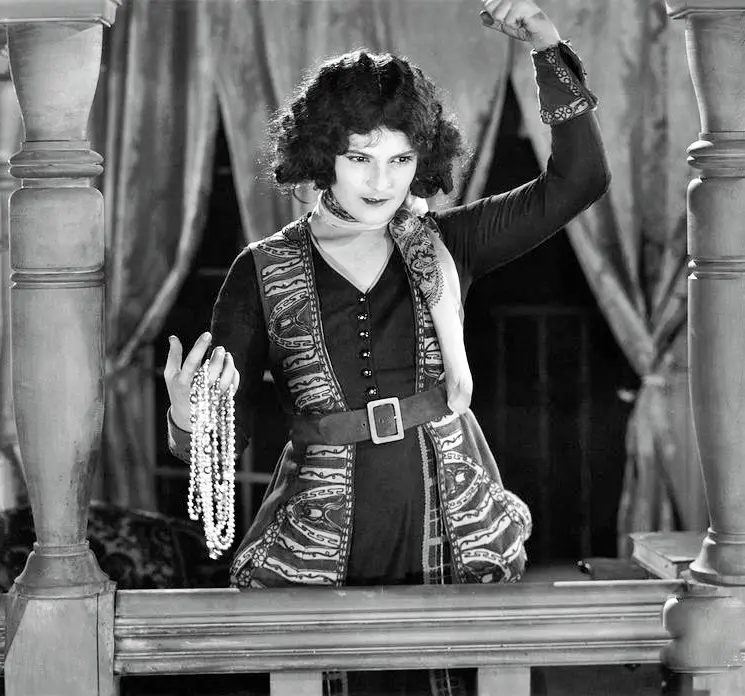
Enter Filet de Sole, a flamenco dancer whose name sounds like a dish you’d regret ordering at 2 a.m. She glides into the narrative on a gust of castanets, hips spelling out syllables of invitation. Rhubarb, still drunk on ovations, answers her Morse code with a wink. Their flirtation is shot through a red gel filter, turning every close-up into a daguerreotype of sin. Meanwhile, Leona Anderson’s neglected lover—never named beyond “the Andalusian firefly”—watches from the shadows, eyes glittering like broken obsidian.
The emotional stakes detonate when she discovers a silk stocking tucked in Rhubarb’s coat. Miranda stages the confrontation inside a candle-lit bodega: the camera dollies in a 270-degree arc, trapping the trio in a crucible of jealous light. Filet de Sole’s laughter ricochets off clay walls; the lover’s slap lands like a starter pistol. In silence—save for a lone guitar on the soundtrack—we witness the moment celebrity curdles into solitude.
All narrative arteries converge on the final corrida. The bull—billed as “el terremoto con cuernos”—is introduced via Eisensteinian montage: churning hooves, frothing nostrils, quick-cut newspaper headlines screaming “¡Dios Mío!” Contemporary critics dismissed the sequence as hyperbole; viewed today, it anticipates every sports-media hype reel ever cut. When man and beast finally collide, Miranda refuses both triumph and tragedy. Rhubarb’s sword bends like a cheap umbrella; the bull skids, stunned, into the sand; the crowd’s roar mutates into a single, collective gasp. It’s as if the film itself shrugs: glory is merely the punchline to a cosmic joke.
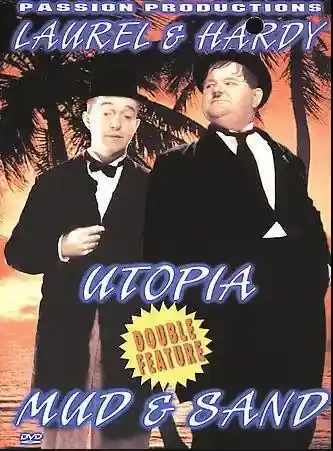
Stan Laurel cameos as a drunken mozo de espada, foreshadowing the delicate masochism he’d refine at Hal Roach. Wheeler Dryden plays the impresario like a barker raised on carnival smoke, eyes ping-ponging between profit and perdition. Yet the film’s bruised heart belongs to Leona Anderson: her close-ups linger until her face becomes a topographical map of every woman who ever waited for a man to choose her over the roar of strangers.
Miranda shot in September 1922, reusing sets from a swashbuckler that had wrapped the previous week. He daubed them with ochre paint to suggest Castilian heat, then splashed the negative with amber tinting so that daytime scenes look steeped in manzanilla. The result is a film that appears to sweat. Shadows brim with cobalt—an early, crude form of day-for-night—while lens distortions smear torchlight into comet tails. Seen in 4K restoration, these imperfections feel intentional: cinema as bruised flesh.
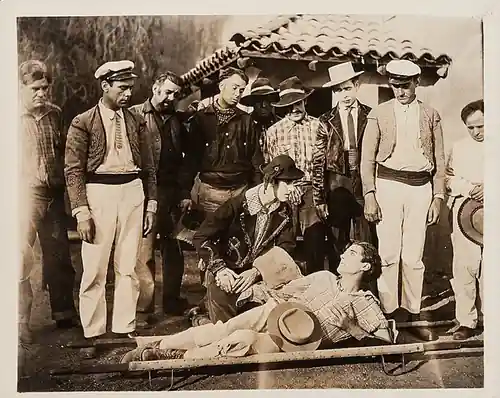
Surviving prints lack official intertitles; the story survives through a patchwork of Dutch and Spanish translations. Contemporary festival screenings often commission new scores. My favorite: a Madrid ensemble that blends muted trumpet with palmas and the creak of an old wooden chair—Foley as flamenco. Each percussive crack lands like a rib separating from cartilage, reminding you that comedy and cruelty share the same spine.
Valentino’s Blood and Sand had premiered three months earlier, dripping with eroticized anguish. Miranda’s parody—released before parody was an industrial complex—pries the mystique from matadors and reveals the scared vaudevillian underneath. In doing so it anticipates Buñuel’s critique of ritualized masculinity, yet arrives a decade earlier, wearing clown shoes.
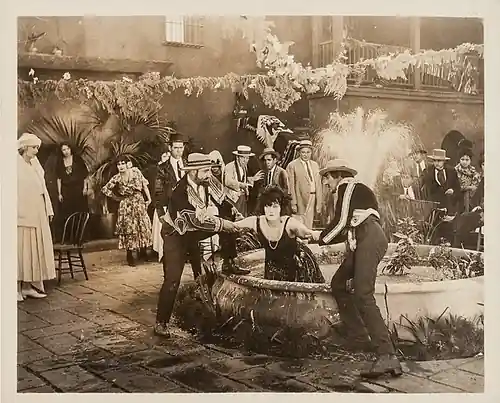
Because every frame is a love note to the moment before the sword finds flesh. Because the bull—an animal that has never read a script—becomes the only honest character in a story crowded with masks. Because watching Rhubarb lose everything in under twelve minutes feels more cathartic than three-hour epics that mistake solemnity for depth. And because, in an age when algorithmic thumbnails promise you “content,” this flickering shard of nitrate insists it still bleeds.
Stream it in HD here, but beware: the sand sticks to your shoes long after the lights rise.
IMDb —
1927
Community
Log in to comment.