DbcultAccessing Vault...
7.6/10
Senior Film Conservator
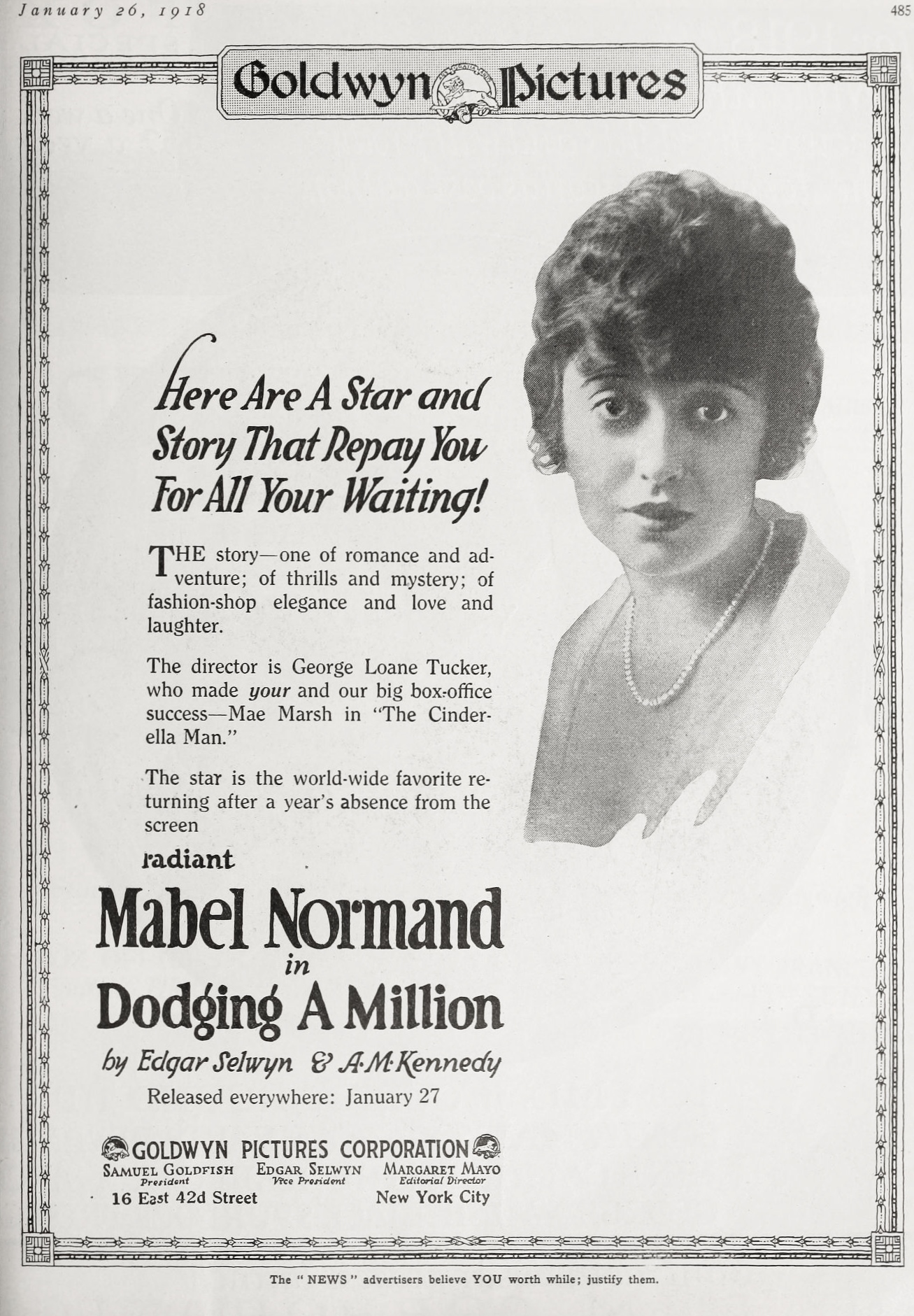
A definitive 7.6/10 rating for a film that redefined the boundaries of cult cinema. Dodging a Million remains a cornerstone of transgressive art.
Stepping into the effervescent world of Dodging a Million, one is immediately enveloped by the delightful chaos that defined much of early 20th-century cinematic comedy. This 1917 gem, a vibrant testament to the era's burgeoning narrative capabilities, unfurls a tale as old as ambition itself, yet imbued with a freshness that remains surprisingly potent over a century later. At its heart lies Arabella Flynn, a character brought to vivid, almost incandescent life by the incomparable Mabel Normand. Normand, a titan of the silent screen, possessed an innate ability to convey both profound vulnerability and boundless vivacity, a duality she masterfully exploits here. The premise, a deceptively simple one of mistaken identity and unexpected fortune, becomes a canvas for a broader exploration of social aspiration, the allure of opulence, and the capricious hand of fate, all wrapped in a package of sparkling comedic timing.
Arabella's journey commences within the mundane confines of a shop, a place of routine and decidedly limited horizons. Her existence, however, is abruptly upended by a delicious misunderstanding: she believes herself to be an heiress. This delusion, born perhaps of fervent wishful thinking or a clerical error of monumental comedic proportions, unleashes a torrent of newfound confidence and, more importantly, a reckless spending spree. The film, in these early sequences, deftly captures the intoxicating rush of perceived wealth, a phenomenon as relevant today as it was in 1917. Arabella, unburdened by the practicalities of actual finance, plunges headlong into a world of luxury and indulgence, her every whim indulged, her every desire seemingly within reach. This segment of the narrative is a brilliant piece of social satire, subtly critiquing the superficiality that often accompanies sudden affluence, or the mere *idea* of it. The audience is invited to revel in Arabella's extravagance, even as a sense of impending doom gently, humorously, looms, creating a delightful tension that propels the plot forward.
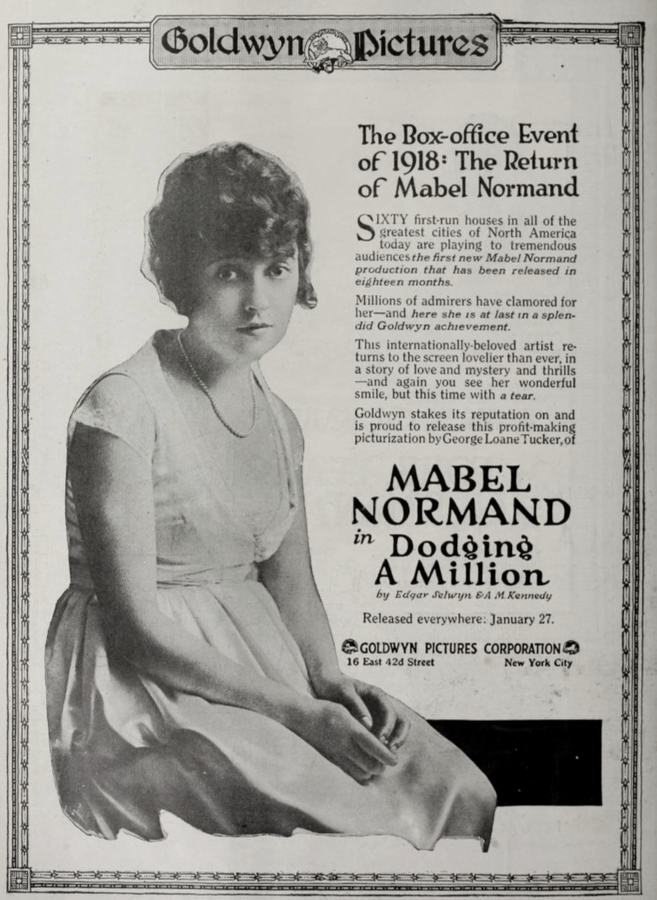
The brilliance of the script, penned by the collaborative minds of George Loane Tucker, Edgar Selwyn, and A.M. Kennedy, lies in its exquisite timing and the delightful irony that underpins Arabella's predicament. Just as her fictitious fortune begins to unravel, threatening to expose her as a spendthrift impostor, fate intervenes with a flourish worthy of the most dramatic stage play. The discovery that she is, in fact, a *genuine* heiress is a comedic masterstroke, transforming what could have been a cautionary tale into a triumphant, if utterly improbable, validation of her initial folly. It’s a narrative twist that avoids the pitfalls of saccharine predictability by embracing its own absurdity, reminding us that sometimes, life imitates the most outlandish of daydreams. This kind of narrative contrivance, where the universe conspires to make the impossible plausible, is a hallmark of the era's escapist cinema, offering audiences a much-needed reprieve from their own realities and a satisfying dose of wish fulfillment. The writers skillfully build the tension of Arabella's escalating debt, making her eventual salvation feel earned despite its miraculous nature, a testament to their understanding of comedic structure.
Mabel Normand’s performance as Arabella Flynn is nothing short of captivating. She navigates the character’s emotional landscape with an effortless grace, transitioning from wide-eyed shop girl to imperious, albeit briefly mistaken, socialite, and finally to the genuinely deserving heiress. Her physical comedy, a staple of her repertoire, is perfectly calibrated here, never overshadowing the character's emotional truth. Whether she's flouncing through a department store with an air of newfound entitlement, her posture subtly shifting to convey a sense of unfounded grandeur, or grappling with the dawning realization of her financial faux pas, her face a canvas of droll panic, Normand imbues Arabella with an undeniable charm and relatability. She ensures that even in her moments of greatest hubris, Arabella remains sympathetic, a dreamer whose ambitions, however misguided initially, are ultimately validated by a benevolent universe. Her expressive face and nimble body language communicate volumes without a single spoken word, a testament to her mastery of the silent film medium, a skill few could rival.
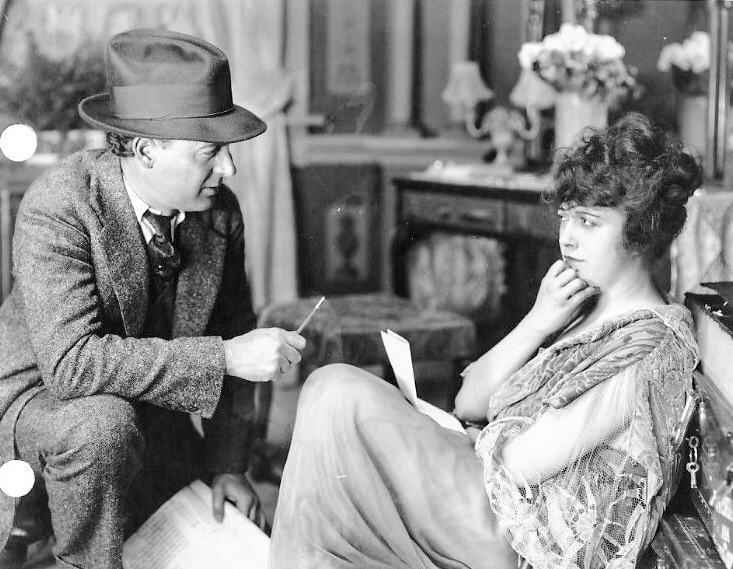
Normand’s ability to anchor such a fantastical plot in genuine human emotion is what truly elevates Dodging a Million beyond a mere slapstick comedy. She provides the emotional core, making Arabella's journey, however improbable, feel earned through sheer force of personality and empathetic portrayal. One might draw parallels to the nuanced performances seen in other works of the period, where female leads often carried the emotional weight of complex social narratives. While not as overtly dramatic as, say, the intense emotional arcs in films like Her Silent Sacrifice, Normand’s performance here showcases a different facet of dramatic prowess – the ability to convey profound shifts in status and self-perception with a light, comedic touch. Her portrayal resonates with a timeless quality, reminding us why she was, and remains, a cherished figure in cinematic history, a true pioneer who understood the power of the visual narrative.
No star, however brilliant, shines alone, and Dodging a Million benefits immensely from its well-chosen supporting cast. The presence of names like Rita Dane, Armand Cortes, Constance Carper, Bruce Biddle, Tom Moore, Shirley Aubert, J. Herbert Frank, Norah Sprague, and Joseph W. Smiley suggests a tapestry of characters designed to facilitate Arabella's journey and provide comedic foils or romantic interests. Their interactions with Normand undoubtedly contribute to the film’s overall texture, adding layers of authenticity and humor to the unfolding events. In silent cinema, the ensemble's ability to react, to convey emotion non-verbally through gesture and expression, and to support the central performance is paramount, often demanding a greater subtlety than spoken dialogue. One can infer from the film’s enduring charm that this cast delivered admirably, creating a believable world for Arabella’s fantastical exploits.
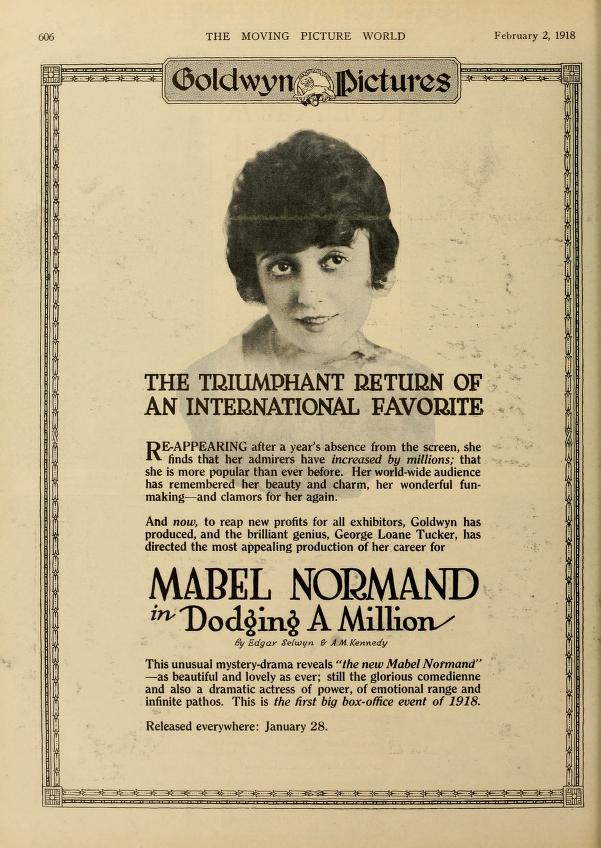
The writing team of George Loane Tucker, Edgar Selwyn, and A.M. Kennedy deserves significant praise for constructing a narrative that is both tightly plotted and delightfully whimsical. Their ability to weave together threads of deception, aspiration, and genuine affection without losing sight of the comedic core is commendable. The pacing of the revelation, the gradual escalation of Arabella’s spending, and the eventual, satisfying twist are all testament to their skilled craftsmanship. They understood the mechanics of audience engagement, knowing precisely when to build tension and when to release it with a burst of humor or an unexpected turn of events. This structural integrity is crucial for a film that relies on a significant plot contrivance, ensuring that the audience remains invested rather than feeling manipulated. The writers manage to explore themes of social mobility and the intoxicating power of wealth without ever becoming preachy, a delicate balance for any storytelling medium, especially one designed for mass entertainment. Their script is a masterclass in comedic setup and payoff, ensuring every extravagant purchase and every moment of panic contributes to the ultimate, ironic triumph.
Beyond its comedic surface, Dodging a Million offers a fascinating glimpse into societal attitudes towards wealth and class in the early 20th century. Arabella's initial belief in her heiress status immediately transforms her perception of self and the world around her. She sheds the constraints of her humble origins with an almost alarming alacrity, embracing a lifestyle of conspicuous consumption. This rapid metamorphosis serves as a potent commentary on the superficiality of social climbing and the ease with which individuals can be swayed by the promise of riches. The film subtly questions whether true worth lies in inherited wealth or in an individual's character, even as it ultimately grants Arabella both. It’s a humorous reflection on the human tendency to equate material possessions with intrinsic value, a critique that remains strikingly relevant in contemporary society.
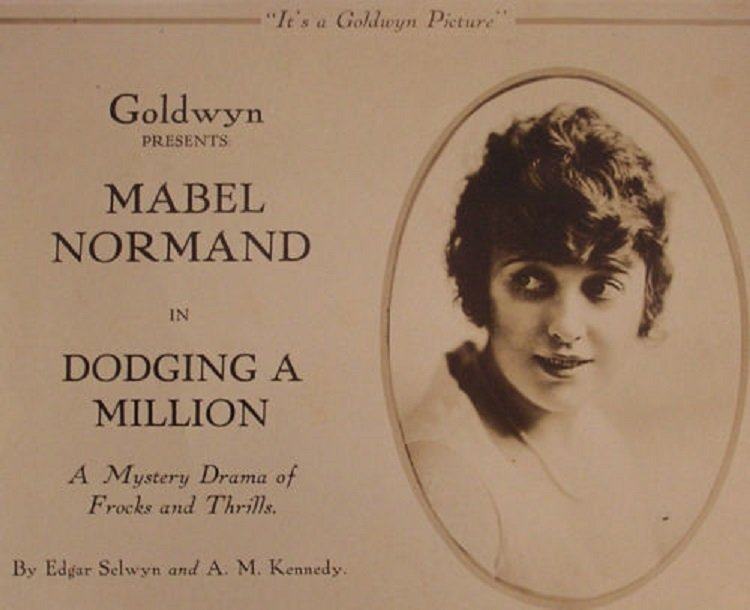
The film’s resolution, where Arabella not only proves to be a legitimate heiress but also secures a marriage to the heir of a corset manufacturer, is a classic comedic trope that simultaneously celebrates and satirizes the era's obsession with advantageous marriages and social connections. The corset industry itself, a symbol of societal constraint and the meticulous shaping of women into prescribed forms, adds a layer of rich, ironic subtext to Arabella's ultimate liberation into wealth and status. It suggests that while she may have dodged a financial bullet, she is still, in a sense, being fitted into a societal mold, albeit a more comfortable and luxurious one. This duality is what makes films of this period so enduringly fascinating; they entertain while inadvertently preserving a historical snapshot of cultural values. We see similar explorations of societal pressures and the desire for upward mobility in films like The Fringe of Society, though perhaps with a more dramatic lens. The pursuit of wealth, whether through legitimate means or more desperate measures, is a recurrent theme in cinema, as exemplified by the very title of Money, underscoring its universal appeal as a subject and Dodging a Million's place within this rich tradition.
While the director isn't explicitly named in the prompt, the seamless flow of the narrative and the effectiveness of the performances point to a skilled hand at the helm, orchestrating the comedic mayhem with precision. The film’s pacing is brisk, a necessity for silent comedies, ensuring that the audience's attention never wanes. Each scene contributes to the overall momentum, building towards the climactic revelation and the satisfying, if somewhat fantastical, resolution. The visual storytelling, characteristic of the era, would have relied heavily on exaggerated expressions, clear blocking, and carefully crafted intertitles to convey dialogue and exposition. The success of Dodging a Million lies in its ability to transcend these technical limitations, using them instead as creative opportunities to engage the audience, transforming potential obstacles into artistic advantages. The cinematic language of the time, with its reliance on broad gestures and expressive close-ups, is masterfully employed to convey every nuance of Arabella’s predicament and joy.
The film’s enduring appeal can be attributed to several factors. Firstly, the timeless nature of its central premise: the rags-to-riches story, particularly one with a humorous twist, resonates across generations and cultures. Secondly, Mabel Normand’s star power and comedic genius are undeniable. She is a force of nature, carrying the film with her magnetic presence, her expressive eyes and vivacious movements communicating a spectrum of emotions that transcend the lack of sound. Lastly, the inherent optimism of the narrative, where good fortune ultimately prevails over initial missteps, offers a comforting escape. In an age often marked by economic uncertainty and social stratification, Dodging a Million provides a delightful fantasy, a reminder that sometimes, the universe has a humorous way of rectifying our mistakes and granting our secret desires. It's a charming relic that, far from being a mere historical curiosity, still manages to elicit chuckles and admiration for its sheer audacity and its heartwarming conclusion. Its ability to blend social commentary with lighthearted entertainment secures its place as a significant, albeit often overlooked, piece of cinematic heritage.
In conclusion, Dodging a Million stands as a delightful testament to the golden age of silent comedy. It is a film that, through the brilliant performance of Mabel Normand and the clever writing of Tucker, Selwyn, and Kennedy, transforms a simple premise into a rich tapestry of social commentary, romantic entanglement, and pure, unadulterated entertainment. Its exploration of identity, ambition, and the unpredictable nature of fortune ensures its place as a charming, insightful, and thoroughly enjoyable piece of cinematic history. For anyone seeking a glimpse into the sparkling wit and ingenious storytelling of early cinema, Arabella Flynn's whimsical journey is an absolute must-see, offering both laughter and a thoughtful reflection on the human condition.
IMDb 5.9
1925
Community
Log in to comment.