DbcultAccessing Vault...
5.7/10
Senior Film Conservator
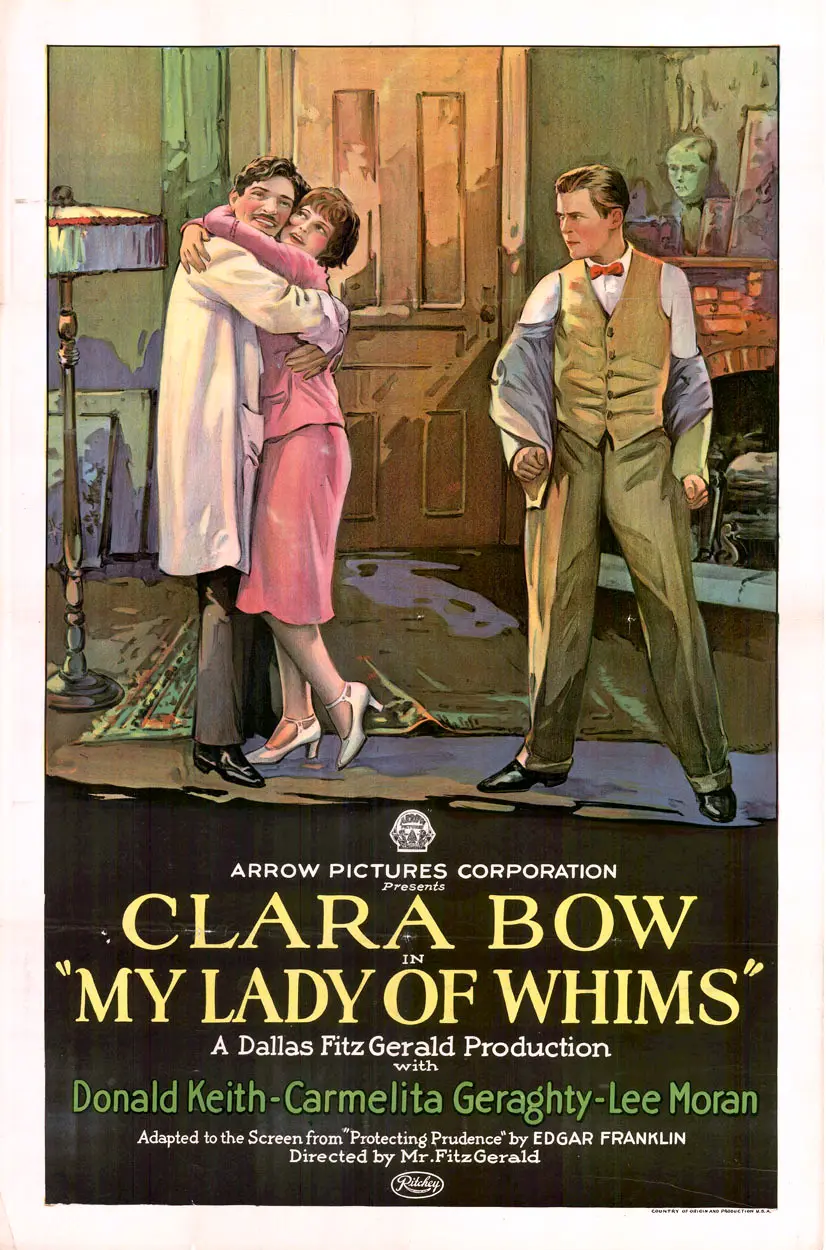
A definitive 5.7/10 rating for a film that redefined the boundaries of cult cinema. My Lady of Whims remains a cornerstone of transgressive art.
My Lady of Whims, an early 1920s silent film, is a mesmerizing narrative that delves into the tumultuous life of Clara Bow’s character, Prudence Severin. Prudence is a wealthy heiress, and her extravagant, reckless behavior leads to a series of mishaps that not only disrupt her father’s life but also serve as a poignant commentary on the societal expectations of the time.
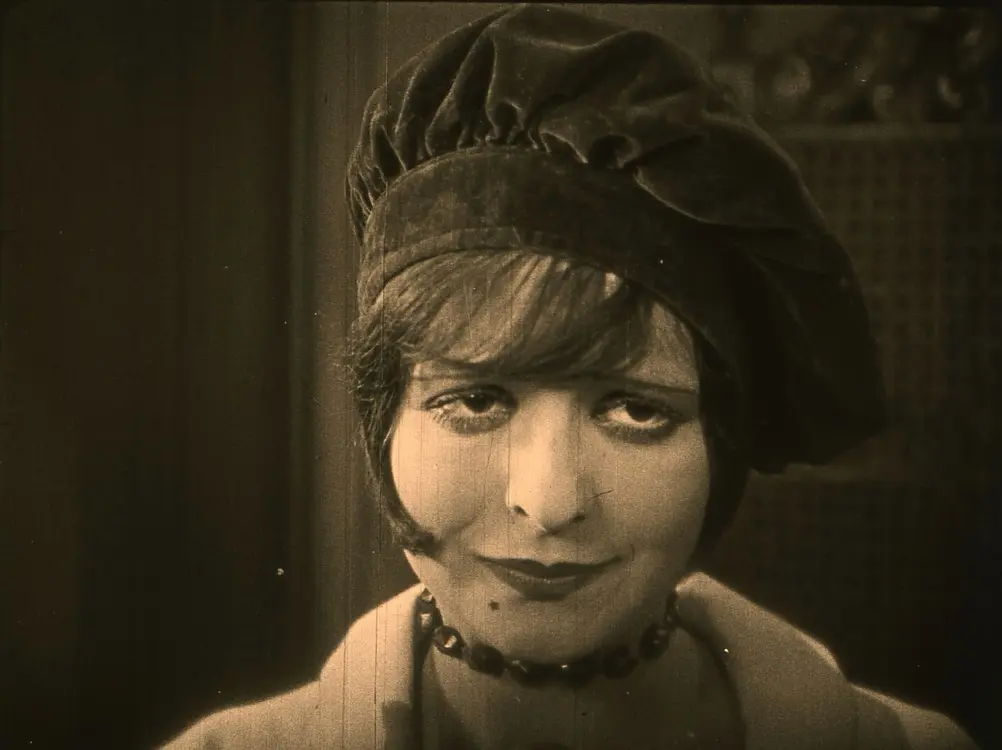
Set in a grand yet somewhat chaotic household, the film opens with Prudence’s carefree yet destructive actions. Her father, a man of considerable wealth, finds himself at his wit’s end trying to manage his daughter’s chaotic lifestyle. In a bid to keep an eye on Prudence, he hires the services of a private detective, portrayed by Lee Moran, to monitor her activities.
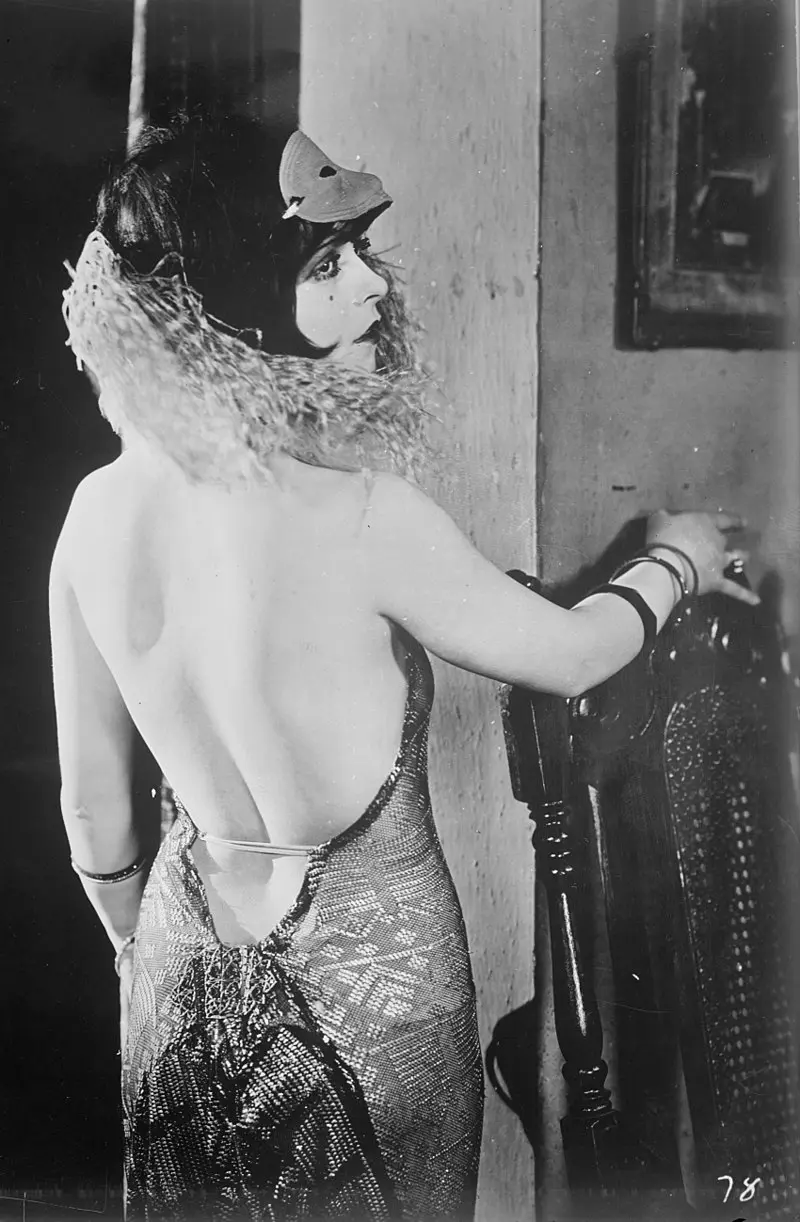
What follows is a series of comedic and tragic events that highlight the disparity between Prudence’s lavish lifestyle and her inability to manage it responsibly. The film masterfully juxtaposes the opulence of Prudence’s world with the underlying tension and stress her actions cause. Each scene is meticulously crafted, from the lavish parties that Prudence throws to the more serious confrontations with her father and the detective.

The chemistry between Clara Bow and the supporting cast, particularly John Cossar, Lux MacBride, and Donald Keith, is a highlight of the film. Bow’s performance is both captivating and nuanced, capturing the essence of a young woman who is at once innocent and destructive. Her interactions with the detective, played by Lee Moran, add a layer of complexity to the narrative, as they navigate the delicate balance between protecting and understanding her.
The cinematography of My Lady of Whims is worth noting. The film’s use of lighting and set design effectively conveys the contrast between the opulence of Prudence’s world and the underlying tension. The grand living rooms, ornate ballrooms, and the somber tones of the detective’s office create a stark visual narrative that supports the film’s themes.
One of the film’s strengths lies in its exploration of the societal expectations placed upon wealthy women of the time. Prudence’s character embodies the destructive potential of unchecked privilege and the challenges faced by those who must navigate the expectations of their social status. The film’s critique of the rigid social norms of the early 20th century is both subtle and profound, making it a valuable study of the period.
Compared to other films of the era, such as Going Straight or The Little Diplomat, My Lady of Whims offers a unique blend of comedy and drama. While these films explore similar themes, My Lady of Whims stands out for its more nuanced portrayal of its characters and its exploration of the consequences of one’s actions. The film’s ability to balance humor with deeper social commentary makes it a standout in the genre.
Overall, My Lady of Whims is a delightful and thought-provoking film that offers a fascinating glimpse into the world of early 20th-century cinema. Clara Bow’s performance is a highlight, and the film’s exploration of the complexities of wealth and privilege make it a must-watch for fans of silent cinema and social commentary.
IMDb 7.7
1922
Community
Log in to comment.