DbcultAccessing Vault...
Cult Review
Senior Film Conservator
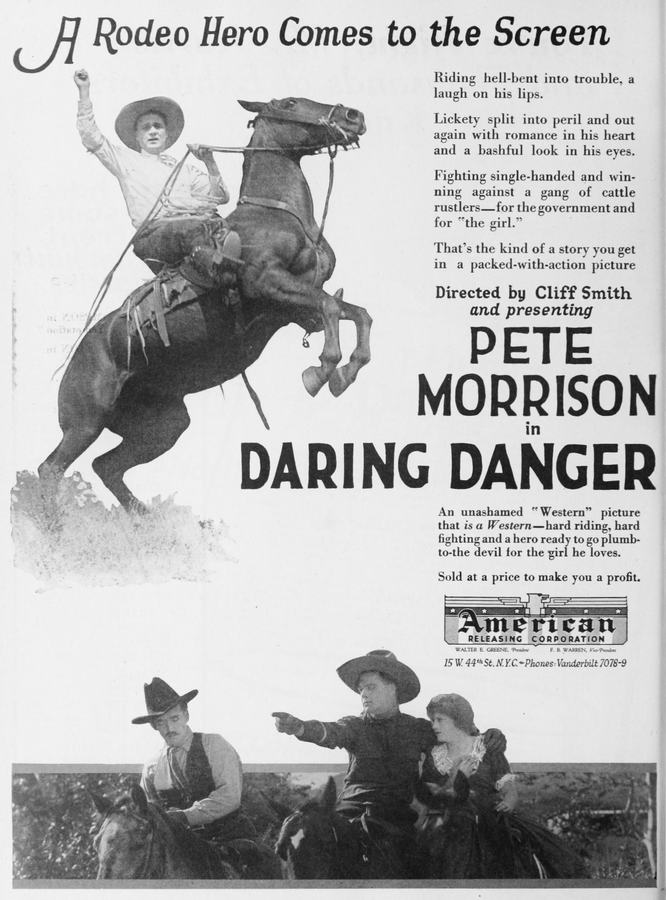
By 1922, the American Western had moved beyond its infancy, shedding the simplistic morality plays of the early nickelodeon era and embracing a more nuanced, albeit still rugged, cinematic language. Daring Danger, directed with a utilitarian yet effective eye, stands as a fascinating artifact from this transitional period. It is a film that grapples with the encroaching hand of the federal government into the wild territories, a theme that echoes through the decades into the revisionist Westerns of the 1970s. Unlike the earlier, more theatrical approach seen in The Squaw Man, this production leans into the visceral reality of ranching life and the constant threat of the 'rustler'—a figure of pure economic terrorism in the eyes of the 1920s audience.
Pete Morrison, portraying Cal Horton, brings a physicality to the screen that is grounded and devoid of the overly manicured gestures often associated with silent film protagonists. His Horton is a man of the earth, a character whose initial motivation is purely protective. When his property is violated, it isn't just a loss of cattle; it is a violation of the American dream of self-sufficiency. This film masterfully captures the isolation of the rancher, a theme also explored with varying degrees of success in Breed of Men. However, where other films might focus on the domestic fallout, Daring Danger pivots into the realm of the procedural, as the government recognizes that the individual rancher is the only one equipped to dismantle the criminal infrastructure from within.
The true brilliance of L.V. Jefferson’s screenplay lies in its antagonist. The foreman of the neighboring ranch is a character of profound duplicity, a wolf in the clothing of a moral guardian. In the silent era, villains were often coded through physical deformities or wild expressions, but here, the threat is sophisticated. He uses the community's respect for his 'moral qualities' as a shield. This gaslighting of Ethel Stanton (played with a delicate intensity by Esther Ralston) provides a psychological weight that elevates the film above standard horse-opera fare. It reminds one of the social manipulations found in The Misleading Lady, though transplanted into a much harsher environment.
The foreman’s strategy—labeling the hero as the outlaw—is a masterstroke of irony. It forces Horton into a double life where his silence, necessitated by his government mission, becomes the very evidence of his supposed guilt. This narrative tension sustains the middle act, creating a sense of claustrophobia despite the vast, open-air cinematography. The viewer is placed in a position of agonizing omniscience, watching as the hero’s social standing erodes while he risks his life for the very people who have begun to despise him. It is a lonely, thankless crusade that resonates even in contemporary storytelling.
Esther Ralston’s Ethel is more than just a prize to be won; she represents the moral compass of the community. Her decision to break the engagement isn't portrayed as a flighty whim, but as a tragic consequence of the foreman’s expert manipulation. In many ways, her character arc reflects the vulnerability of the frontier social fabric—where reputation is the only currency, and its theft is more damaging than the loss of livestock. While films like Lillis Ehe dealt with the complexities of marriage in a European domestic setting, Daring Danger shows how the pressures of the West could shatter a union before it even began.
Ralston’s performance is marked by a palpable sense of loss. When she bids Horton goodbye, there is a lingering shadow of doubt that the foreman exploits with surgical precision. The film doesn't shy away from the pain of this betrayal. It uses the visual medium to contrast the rugged, outdoor action of Horton’s pursuit with the interior, shadowed world of Ethel’s grief. This duality keeps the stakes personal. We don't just want the rustlers caught; we want the truth to be restored to the woman Horton loves.
Technically, Daring Danger utilizes the natural light of the California landscape (standing in for the wider West) to create a sense of authenticity. The chase sequences are edited with a rhythmic urgency that was becoming the hallmark of the American action film. When compared to international contemporaries like the German Rübezahls Hochzeit or the Swedish Fången på Karlstens fästning, the American style is noticeably more kinetic, less concerned with folklore and more with the immediate, visceral struggle of the individual against the elements and the lawless.
The film’s pacing is relentless. Once Horton begins his mission, the narrative accelerates, moving through a series of 'perilous encounters' that test Morrison’s stunt capabilities. There is a raw energy here that is often lost in the more polished, big-budget Westerns of the sound era. The stunts feel dangerous because they were; there was no CGI to soften the fall or hide the wire. This tangibility adds a layer of respect for the performers of the 1920s, who were as much athletes as they were actors. This level of dedication to physical realism is something that contemporary audiences can still appreciate, even if the aesthetic is a century old.
One of the most significant departures from the 'lone wolf' trope is the arrival of the sheriff and his men. While Horton is the catalyst, the film suggests that true justice requires the backing of the state. This is a subtle but important thematic point. In many silent Westerns, the hero settles the score in a vacuum of law. In Daring Danger, the integration of the hero’s efforts with the official legal system provides a sense of legitimacy. It’s a transition from the chaotic justice of 1810 o Los libertadores de México toward a more structured American civic identity.
The punishment of the foreman is swift and public, serving as a restorative ritual for the community. Horton’s reward from the government and his subsequent marriage to Ethel are not just happy endings; they are the re-establishment of the social contract. The man who was once cast out as an outlaw is now the pillar of the community, and the man who pretended to be the pillar is revealed as the rot. This reversal is executed with a satisfying narrative symmetry that makes the film’s conclusion feel earned rather than merely convenient.
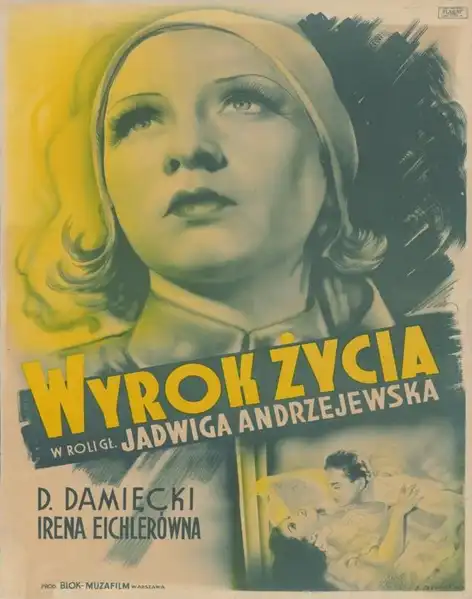
Looking back from a century’s distance, Daring Danger remains a vital piece of the Western mosaic. It doesn't have the surrealist leanings of He Got It or the comedic lightness of Ten Dollars or Ten Days. Instead, it is a serious-minded exploration of character and duty. It shares a certain thematic kinship with Love's Outcast in its depiction of the misunderstood protagonist, but it grounds that angst in the high-stakes world of cattle ranching and government service.
The film’s influence can be seen in the way it handles the 'false accusation' trope, a staple that would later be perfected in Hitchcockian thrillers and noir-inflected Westerns. By centering the conflict on the foreman's duplicity, L.V. Jefferson created a template for the 'enemy within' that would haunt American cinema for decades. Whether compared to the exoticism of The Lure of Jade or the mystery elements of The Grell Mystery, Daring Danger stands out for its clarity of purpose and its rugged emotional honesty. It is a testament to the power of the silent image to convey complex social dynamics through action and expression alone.
For the modern cinephile, watching Daring Danger is an exercise in stripping away the artifice of modern production to find the beating heart of storytelling. It lacks the cynicism of modern deconstructions but possesses a grit that many of its contemporaries lacked. It is a story about the endurance of the individual, the necessity of truth, and the enduring allure of the frontier. While it may not have the philosophical density of Garden of Lies, its straightforwardness is its greatest strength. It is a film that knows exactly what it is: a tale of danger, a tale of daring, and ultimately, a tale of redemption in a world that is often too quick to believe a well-placed lie.
In the end, the image of Pete Morrison riding across the horizon, no longer an outcast but a hero of the state, remains an iconic representation of the 1920s American psyche. It is a vision of a country settling its internal conflicts and moving toward a future where the law, however imperfect, offers a shield for the honest man. For those interested in the evolution of the Western, Daring Danger is an essential chapter, a bridge between the wild past and the organized future of the genre.
IMDb 7.1
1916
Community
Log in to comment.